
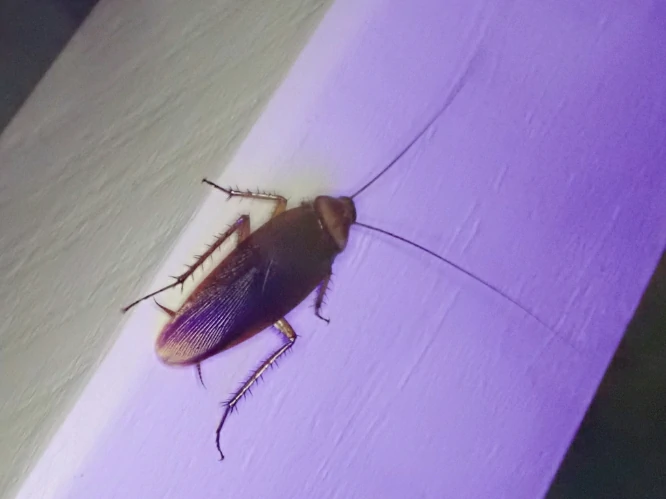
You put a few sticky traps down to deal with roaches, and a day later you’re seeing roaches you’ve never noticed before, so it’s easy to wonder if the traps are the reason.
That worry is common, and it makes sense, because Catchmaster traps do have a food scent mixed into the glue. So, do Catchmaster glue traps attract roaches?
Yes, but only a little, and only from very close. Catchmaster traps have a food scent in the glue, but it only reaches roaches that are already within an inch or two, so the traps won’t pull roaches in from outside or from your neighbors.
That means the roaches you catch were already in your home, and the trap just made them a lot easier to see.
In this post, you’ll learn why it can feel like you have more roaches after you set traps. You’ll also see what really pulls roaches toward a spot, and how to place traps so they help.
How Do Catchmaster Traps Draw Roaches In?
A Catchmaster roach trap pulls roaches in with three things: a food scent, a hiding spot shape, and a smart location. Only one of those is something you can control, and that’s the location.
The scent comes from a food attractant mixed into the glue. Depending on the trap, it can smell like vanilla, molasses (a thick, sweet syrup), or peanut butter.
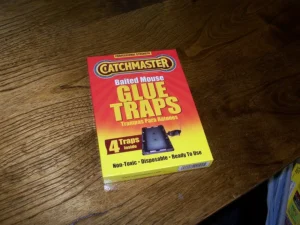
The shape matters just as much as the smell. Roaches love tight, dark spaces where surfaces touch them on both sides, and a low tunnel looks a lot like the cracks they already hide in.
Catchmaster’s own description of the 150RI roach trap says its low profile design works like a hiding spot for roaches. That’s a pretty honest way to put it.
Then there’s the route. Roaches walk along walls and edges when they’re out looking for food at night, so a trap along the baseboard sits right in their path.
Put those three things together, and you’ve got a sticky spot that smells like food and looks like a safe place to hide. But the pull is weak, as you’ll see next.
The Scent Only Works From A Few Centimeters Away
Here’s the key fact that answers most of the worry. Tests on German cockroaches have found that they aren’t drawn to food smells or trap scents from more than a few centimeters away.
A few centimeters is only about an inch or two, so a trap can nudge a roach that’s walking right past it but can’t call one out of a wall.
Pest experts say the same thing about roach baits in general, since they don’t pull roaches in over long distances either. That’s why you have to place them close to where roaches hide or walk.
Another test, in real homes and on a pig farm, found that store bought lures did no better than bare traps. In other words, even a strong scent doesn’t seem to reach very far.
So a Catchmaster trap in your kitchen isn’t sending out a signal that reaches the yard, the sewer, or the apartment next door.
The roaches that end up stuck on it were already close by, which means they were already living in your space.
Why Do You See More Roaches After You Put Traps Down?
This is the number one reason people think traps attract roaches: you set out a few boards, and the next morning there are roaches stuck all over them.
But roaches are nocturnal (active at night), and most of them spend the day packed into cracks you never see. A trap works like a night camera, showing you a crowd that was always there.
In many homes, you’ll catch roaches within the first 24 hours, and those roaches weren’t new arrivals, they were just walking across the spot you picked.
Traps also tend to catch more small young roaches than big ones. So a board covered in tiny roaches can look like a sudden invasion when it’s really a sign that roaches are breeding nearby.
Moving things around can play a part too. If you pulled out the fridge or emptied a cabinet to place a trap, you may have disturbed roaches and pushed them out into the open for a while.
And once you start looking, you start noticing. A roach you would have ignored last month suddenly feels like proof that things are getting worse.
If you want to know whether the problem is really growing, keep a log. Write down the date and the number of roaches on each trap so you can compare week to week.
A good rule is to wait three to five days before you judge your traps, because the first night mostly catches roaches that were already out.
Cockroaches Are Pulled To Places Where Other Roaches Have Been
If traps aren’t the main draw, what is? Roaches tend to gather where other roaches already live, and they leave clues that tell the rest of the group where to go.
Roach droppings contain a natural scent called an aggregation pheromone (a signal that makes roaches gather). That’s why pros put bait right next to droppings, and it’s why a messy hot spot pulls roaches back again and again.
Clutter does the same job in a different way. Piles of paper, cardboard boxes, and old bags give roaches dark, tight places to hide, and roaches thrive in cardboard.
Water and food matter even more. A dripping pipe, a wet sponge, crumbs under the toaster, or a bowl of pet food left out overnight can pull roaches in far better than any trap.
The same goes for warm, humid spots. Many roaches like it around 70 to 75°F (21 to 24°C), which is right where most kitchens sit.
So if you’re trying to figure out why roaches keep showing up in one corner, look at what’s in that corner. It’s usually the food, the water, or the hiding spots, not the glue.
Fixing those things does more than any trap can, because it makes your home a worse place to live for a roach, which is the real goal.
Can Catchmaster Traps Make A Roach Problem Worse?
Not by attracting more roaches from outside, but there are a few indirect ways a trap can let a problem grow. They’re easy to avoid once you know about them.
The biggest one is false comfort, since a trap that catches a few roaches can make you feel like you’re handling it while hundreds more keep breeding in the walls.
One female German cockroach and her offspring can produce over 30,000 roaches in a year, so a handful of stuck roaches doesn’t change much. You still need bait or dust to go after the hidden ones.
Old traps can also turn into hiding spots. Once a trap is covered in dust or loses its stickiness, it’s just a cardboard tunnel, and that’s exactly the kind of shelter roaches like.
A full trap can start to smell too, since dead bugs break down over time. That’s another good reason to swap traps out when they’re full or dusty, and to seal them in a plastic bag before you toss them.
Finally, traps left near open food or garbage can just add to the mess. Keep them in dry, out of the way spots instead.
If you use baits or powders too, keep traps a few inches away from them, so you can still tell what the traps are catching.
Do Traps Pull Roaches From Your Neighbors Or From Outside?
No, they don’t, because the scent only works from an inch or two away, so a trap can’t pull roaches from the apartment next door or from the yard.
That doesn’t mean roaches never move around, though. They can travel through gaps around pipes, shared walls, and vents, and some species come in from outside on their own.
American cockroaches, for example, live outdoors and in sewers, then wander in through gaps, pipes, and drains. Oriental cockroaches like cool, damp spots such as basements and garages, and they sneak in when they’re searching for food or water.
That’s where traps can really help. A trap near an exterior door or a basement entrance will catch roaches as they arrive, and that tells you where to seal the gap.
If you live in an apartment, roaches can also move between units, so tell your landlord or building manager early. A few traps near pipes and shared walls can show whether roaches are coming through.
A trap near the dishwasher or under the sink can also show you whether roaches are coming up through the plumbing.
Set Traps Where You’ve Already Seen Signs Of Roaches
Since the scent is so weak, the best way to get value from a trap is to put it where roaches already are. A trap in a room with no roaches will just stay empty.
Look for signs first: small dark specks or smears (roach droppings), shed skins, egg cases, and a stale, oily smell all point to a hot spot.
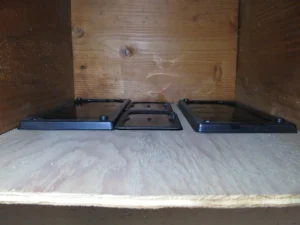
A flashlight helps a lot. Roaches hide in cracks during the day, and shining a light into dark spots under the sink, behind the stove, and inside cabinets can show you where they live.
Then lay the traps flat along walls and in corners near those signs. Put a few behind the fridge, under the sink, and near the doors that lead outside.
Skip spots that are dusty, greasy, or damp, because those can coat the glue. Catchmaster also says to keep traps away from heating vents and sunny windows, since heat can weaken the glue.
Catchmaster also says to wear gloves when you handle new traps, because oils and dirt from your hands can dull the glue.
Check the traps every day for the first few days, then once a week. If one stays empty in a spot with clear signs, move it a foot or two and try again.
Other Bugs Can Show Up On Your Traps Too
Don’t be surprised if your roach trap catches other things, since spiders, ants, crickets, silverfish, and other crawling bugs can all get stuck, and Catchmaster sells versions aimed at several of them.
That doesn’t mean the trap is pulling in extra pests. It usually means those bugs were already walking along the same routes, and a sticky board is hard to avoid.
Sweet scents might draw some of them closer, like ants, though that’s more of a guess than a proven fact. If you see lots of ants on a trap, look for the trail they’re following.
Spiders may be there because they’re hunting the bugs that are stuck on the board. That can mean you’ve got plenty of insects around, which is worth noticing.
Silverfish like damp spots, so a trap full of them points to moisture. A trap full of ants or crickets near a door points to a gap outside.
Use your catch as a clue, because a mix of bugs on a trap tells you a lot about what’s getting in, where, and why.
If a trap fills up with other bugs, swap it for a fresh one, since a crowded board loses its grip faster.
What Should You Do If Roaches Seem To Gather Around Your Traps?
If roaches keep showing up around a trap, don’t panic and don’t move it away, because you’ve just found a hot spot, and that’s useful.
Put a few dabs of roach gel or a bait station a few inches from the trap, not on top of it. Roaches eat the bait and die later, and it can take a week or more before you notice fewer roaches.
A thin layer of boric acid powder in dry, hidden spots nearby can help too. Thin layers work better than piles, and the powder stops working if it gets wet and cakes.
Clean up around the spot. Wipe up crumbs and grease, fix drips, and move boxes and clutter, because those are what keep roaches coming back.
Seal cracks and gaps around pipes, baseboards, and cabinets so roaches have fewer places to hide, and caulk is cheap and goes a long way.
Keep kids and pets away from baits and traps, and put gel in small dabs rather than big globs.
Skip bug bombs and sprays, because they can scatter roaches into other rooms without killing them, and many roaches have become resistant to common sprays.
If you see roaches in the daytime, or the numbers keep climbing, call a licensed pest control pro, since that can mean a bigger problem than a few traps can handle.
How Can You Tell If Your Traps Are Helping Or Hurting?
The easiest way to tell is to track your numbers. Write down the date, the trap location, and how many roaches you caught each time you check.
In the first few days, catches are usually highest, because you’re picking up the roaches that were already out and about. That’s normal, and it’s not a sign that traps are attracting more.
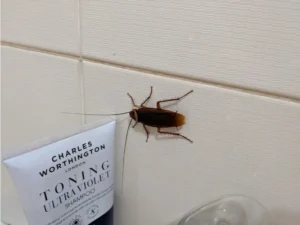
If you start treating with bait or powder, you should see the numbers drop over a couple of weeks. A steady drop means your plan is working.
A simple notebook or a note on your phone works fine, and a quick photo of each trap can help you spot changes.
If the numbers keep climbing for weeks, or they jump up in a new spot, you’ve probably got a bigger problem than traps can solve. That’s the time to step up your treatment or call a pro.
Pay attention to what’s on the traps too. Lots of tiny roaches mean breeding nearby, while mostly big adults near a door point to roaches coming in from outside.
And don’t forget to swap traps when they get dusty or less sticky. A fresh trap gives you a clearer picture than an old one.
Conclusion
So, do Catchmaster glue traps attract roaches? Yes, but only a little, and only from an inch or two away, so they won’t pull roaches in from outside or from your neighbors.
The roaches you see on your traps were already in your home, and the traps just made them easier to spot.
What really draws roaches is food, water, clutter, and the droppings of other roaches. Clean those up, seal the gaps, and your home gets a lot less welcoming.
Set your traps flat along walls and corners where you’ve seen signs of roaches, check them often, and swap them out when they get dusty or full.
Use what the traps show you to put gel bait or boric acid in the right spots. Call a licensed pro if the roaches keep coming back.

Hi, my name is Ezra Mushala, i have been interested animals all my life. I am the main author and editor here at snakeinformer.com.