

Weasels are sneaky little predators that can cause serious problems if they get into your chicken coop or start hunting around your property.
If you’re trying to get rid of one and you already have rat traps on hand, you might be wondering if they’ll work. So can you catch a weasel in a rat trap?
Yes, you can catch a weasel in a rat trap, but it depends on the size of the weasel and the type of trap. Smaller weasels like least weasels might get caught and killed by a standard rat snap trap, but larger weasels might only get injured or might avoid the trap entirely.
Weasels vary a lot in size depending on the species, and this makes a big difference in whether a rat trap will work. The smallest weasels are tiny enough that a rat trap could kill them, but bigger weasels might be too large for the trap to be effective.
Why Weasel Size Matters
There are several species of weasels in North America, and they range from very small to surprisingly large. This size difference is really important when you’re thinking about trapping them.
Least weasels are the smallest. Males weigh around 2 to 3 ounces, and females are even smaller at about 1 to 2 ounces. These tiny weasels are actually smaller than most rats.
Long-tailed weasels are much bigger. Males can weigh 7 to 12 ounces, and females typically weigh 3 to 7 ounces. This puts them at the high end of what a rat trap is designed to handle.

Short-tailed weasels (also called ermines) fall somewhere in the middle. Males weigh about 3 to 6 ounces, and females weigh 1 to 3 ounces.
A standard rat trap is designed for animals in the 5 to 10 ounce range, so smaller weasels fit perfectly, but larger ones might be too big for a clean kill.
How Rat Traps Work on Weasels
If a weasel triggers a rat snap trap, what happens depends on where the metal bar hits them and how big they are. A small weasel that gets hit in the neck or head will likely be killed instantly.
The problem is that weasels are really fast and have excellent reflexes. They might jump back or dodge when they see or hear the trap starting to snap. This could result in the trap just grazing them or hitting a non-lethal area.
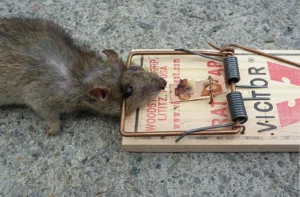
Weasels also have long, flexible bodies. Even if the trap catches them, they might be able to twist and pull free, especially if it only caught their tail or a leg.
Larger weasels might get injured by a rat trap without being killed. A big male long-tailed weasel could get hit by the bar and keep going, now injured and even more wary of traps.
Why Weasels Are Hard to Trap
Weasels are much smarter and more cautious than rats, which makes them harder to catch in any kind of trap. They’re predators with sharp instincts, and they’re naturally suspicious of new objects in their environment.
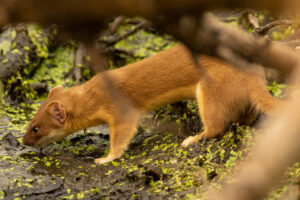
A rat will usually investigate a trap pretty quickly if there’s food on it. A weasel might circle around it, watch it from a distance, and wait to see if it’s dangerous before getting close.
Weasels are also incredibly agile. They can jump, climb, and squeeze through tiny spaces. This means they might be able to reach bait without triggering the trap, or they might approach from an angle you didn’t expect.
Their diet is another issue. Weasels are carnivores that eat live prey, so typical trap baits like peanut butter or seeds won’t interest them much. You need to use meat or something that mimics their natural food.
Better Trap Options for Weasels
If you’re serious about catching a weasel, live traps designed for small predators work much better than rat snap traps. These give you a higher success rate and are more humane.
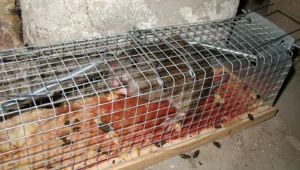
Small cage traps (like a 10x12x32 inch trap) work well for weasels. These are wire mesh boxes with a trigger plate that closes the door when the weasel goes inside to get the bait.
Body-grip traps (like Conibear traps) are designed specifically for weasels and similar animals. These are lethal traps that kill quickly when the animal passes through them. However, they’re dangerous to use if you have pets, and they’re illegal in some places.
Box traps with multiple entrances can also be effective. Weasels like to investigate holes and tunnels, so a trap that looks like a natural passageway might catch them when a regular trap won’t.
Whatever trap you use, it needs to be small enough that the weasel can’t just walk around the trigger mechanism but big enough that they’ll actually enter it.
What Bait Works for Weasels
Since weasels are meat eaters, you need to use bait that appeals to their carnivorous nature. Plant-based baits won’t work at all.
Fresh meat is your best option. Raw chicken, beef, or fish works well. The smellier, the better, because weasels hunt by scent as much as by sight.
Canned cat food (especially fishy varieties) can also work. It’s smelly, easy to use, and mimics the kind of small prey that weasels hunt.
Some trappers swear by commercial weasel lures or gland-based scents. These are designed to smell like prey animals or like another weasel, which can attract them to investigate.
You can also try using feathers or fur from prey animals near the trap. This creates the illusion that there’s a kill nearby, which might attract a weasel looking for an easy meal.
Where to Set Traps for Weasels
Location is critical when you’re trying to trap a weasel. You can’t just put a trap anywhere and expect results.
Look for signs of weasel activity. This includes small tracks (about 1 to 2 inches long with five toes), droppings (thin and twisted, often containing fur or bone fragments), or evidence of kills like missing chickens or raided nests.
Place traps along travel routes. Weasels tend to follow the same paths repeatedly, usually along walls, fences, or the edges of buildings. Look for worn trails in grass or snow.
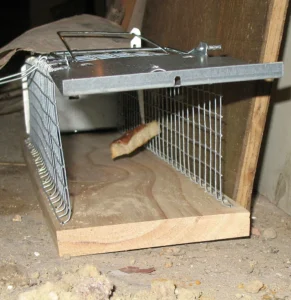
Near den sites is another good spot. Weasels often live in abandoned burrows or rock piles. If you can find where they’re staying, put a trap near the entrance.
If you’re dealing with a chicken coop raid, put the trap right near where they’re getting in. Weasels will usually return to a food source multiple times.
Safety Concerns with Rat Traps and Weasels
Even if you do catch a weasel in a rat trap, there are some safety issues to think about. Weasels can be aggressive when cornered or injured.
If a rat trap only injures a weasel instead of killing it, you’ve got a problem. An injured, trapped weasel will bite, scratch, and fight. They have sharp teeth and can inflict painful wounds.
Weasels can also carry diseases like rabies (though this is rare), and their bites can get infected easily. You don’t want to have to handle a live, angry weasel that’s stuck in a trap.
This is another reason why live cage traps are better. Even if the weasel is alive, it’s contained and you don’t have to get close to it. You can relocate it or call wildlife control to deal with it.
Legal Issues with Trapping Weasels
Before you set any traps for weasels, you need to check your local laws. In some areas, weasels are protected or can only be trapped during certain seasons.
Some states classify weasels as furbearers, which means there are regulations about when and how you can trap them. You might need a trapping license even if you’re just dealing with a problem weasel on your property.
Certain types of traps are illegal in some places. Body-grip traps and snares are restricted or banned in many states, and even snap traps might have regulations about how and where they can be used.
If you’re unsure, contact your state wildlife agency. They can tell you what’s legal and might even send someone out to help you deal with the weasel problem professionally.
What to Do If You Catch a Weasel
If you manage to catch a weasel (whether in a rat trap or any other trap), you need to be very careful about what you do next.
If the weasel is dead, wear gloves when handling it. Weasels can carry parasites and diseases, so you don’t want direct contact with the body. Dispose of it in a sealed bag or bury it away from your house.
If you’ve caught a live weasel in a cage trap, you have a few options. You can relocate it (if it’s legal in your area) by taking it at least 10 miles away to a suitable habitat. Wear heavy gloves and be careful, because they can sometimes bite through the cage mesh.
Some people prefer to call animal control or a wildlife removal service. This is especially smart if you’re not comfortable handling the weasel yourself or if local laws require professional handling.
Never try to release a weasel from a snap trap if it’s still alive. This is dangerous and the animal is likely suffering. The most humane thing to do is to dispatch it quickly or call someone who can.
Preventing Weasels from Coming Back
Even if you successfully trap one weasel, others might move into the area if the conditions are right. You need to make your property less attractive to them.
The main thing weasels are looking for is food. If you have chickens, rabbits, or other small animals, you need to secure them properly. Use hardware cloth (not chicken wire) with holes no bigger than half an inch.

Bury fencing at least 12 inches underground. Weasels are excellent diggers and will tunnel under a fence that just sits on top of the ground.
Remove hiding spots and den sites. Clear brush piles, rock piles, and junk from around your property. Seal up any gaps in sheds, barns, or outbuildings.
Keep rodent populations down. If you have a lot of mice or voles around, you’re basically setting out a buffet for weasels. Control the rodents and the weasels will have less reason to stick around.
Why Weasels Might Be on Your Property
Understanding why weasels show up in the first place can help you prevent future problems. They’re not there randomly, they’re there because your property offers something they need.
Prey availability is the biggest factor. Weasels need to eat a lot (up to 40% of their body weight daily), so they go where the food is. If you have mice, voles, rats, chipmunks, or rabbits around, you’ll attract weasels.
Shelter is another draw. Weasels need safe places to sleep and raise young. Rock walls, wood piles, abandoned burrows, and gaps under buildings are perfect for them.
If you keep chickens or other small livestock, weasels see these as easy prey. A chicken coop is like a restaurant to them, and once they figure out how to get in, they’ll keep coming back.
Sometimes you just live in good weasel habitat. If you’re near fields, forests, or wetlands, weasels are part of the local ecosystem and you’ll see them occasionally no matter what you do.
Are Weasels Actually a Problem?
Before you go all-out trying to trap weasels, it’s worth thinking about whether they’re actually causing problems or just passing through your property.
Weasels are excellent at controlling rodent populations. A single weasel can eat dozens of mice and voles over the course of a season. If you’re dealing with a rodent issue, the weasel might actually be helping.

The main time weasels become a real problem is when they get into chicken coops or rabbit hutches. They’re ruthless predators and can kill multiple birds in one night, often more than they can eat.
If you see a weasel occasionally but it’s not bothering your livestock or pets, you might want to just leave it alone. They’re shy animals that usually avoid humans and will move on naturally.
But if you’re losing chickens, finding dead rabbits, or seeing signs of regular weasel activity near your home, then yes, you probably need to take action.
Conclusion
You can catch a weasel in a rat trap, but it’s not the most reliable or humane method. Small weasels might get killed by a standard rat snap trap, but larger ones could just get injured or avoid the trap completely.
If you’re dealing with a weasel problem, live cage traps designed for small predators work much better. They’re more likely to actually catch the weasel, they’re safer for you and any pets you might have, and they give you options for what to do with the weasel once it’s caught.
Whatever method you choose, make sure you check local laws first. And remember that prevention (securing coops, removing food sources, eliminating hiding spots) is always better than trying to trap weasels after they’ve already moved in.

Hi, my name is Ezra Mushala, i have been interested animals all my life. I am the main author and editor here at snakeinformer.com.