
Chipmunks are cute right up until they start digging under your patio, raiding your bird feeder, and tunneling through your flower beds. When that happens, you might look in the garage, spot a leftover pack of mouse traps, and wonder if they’ll do the job.
So are mouse traps big enough for chipmunks, or do you need something bigger?
No, standard mouse traps usually aren’t big enough for chipmunks. A chipmunk weighs about three times more than a mouse, so a mouse trap may not kill it cleanly. You’ll want a rat-sized snap trap or a live cage trap instead.
That’s the quick answer, but there’s more to it than size. The wrong trap can hurt a chipmunk without killing it, and a good trap set in the wrong spot won’t catch anything at all.
So let’s look at how big chipmunks really are, why a mouse trap falls short, and which traps work best in a real yard.
How Big Is a Chipmunk Compared to a Mouse?
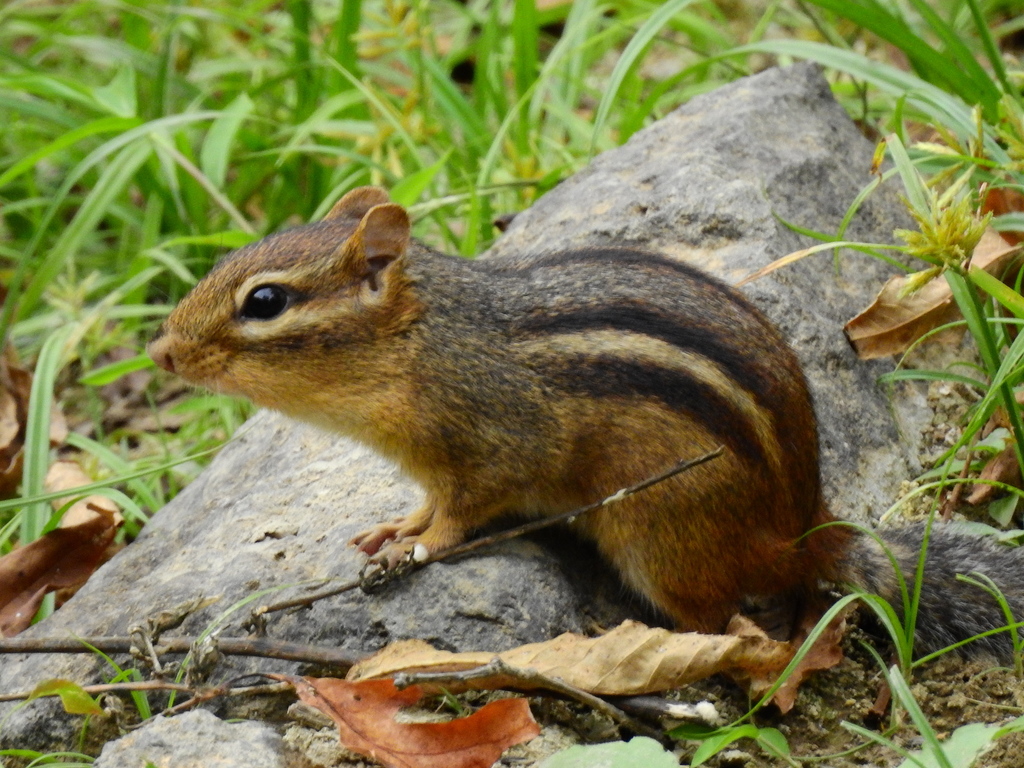
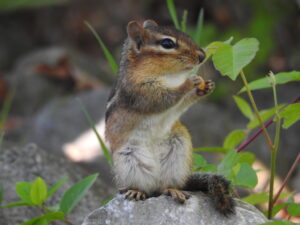
Chipmunks are bigger than you might expect. Adult chipmunks are 8 to 10 inches long (counting a 3 to 4 inch tail) and weigh 2.5 to 4 ounces.
A house mouse, on the other hand, weighs about an ounce and measures roughly 2.5 to 4 inches from nose to rump, plus a tail about the same length.
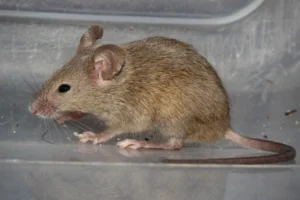
So a chipmunk can weigh three or four times as much as a mouse. It also has a chunkier build, a rounder head, and strong little legs built for digging.
Chipmunks come in a few sizes, depending on where you live. The eastern chipmunk, which lives across most of the eastern US and into Canada, weighs about 3 ounces.
The least chipmunk is the smallest of the group. It weighs only about 1 to 2 ounces, and you’ll find it in the Rocky Mountains, sagebrush deserts, and northern forests.
That means a least chipmunk is a lot closer to a mouse in size than an eastern chipmunk is. However, most people fighting chipmunks in a backyard are dealing with the bigger eastern kind.
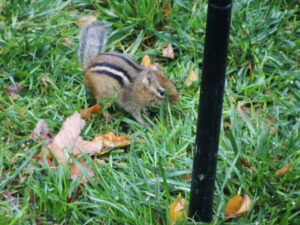
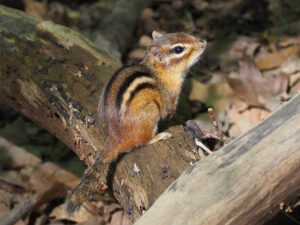
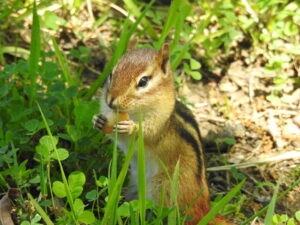
If you’re not sure which one you have, look for stripes. Chipmunks have five dark stripes down their backs and two stripes on each side of the face, which is how you can tell them apart from a mouse or a young rat.
Why a Mouse Trap Usually Isn’t Enough for a Chipmunk
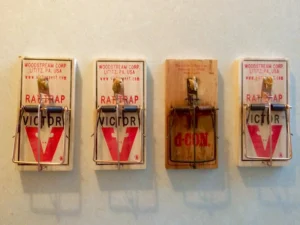
A mouse trap is built for a one-ounce animal. It has a small trigger plate, a light spring, and a snapping bar sized for a mouse’s neck and body.
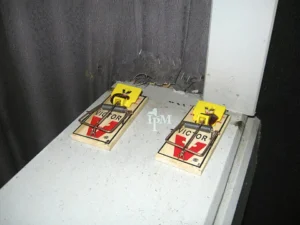
A chipmunk is heavier and stronger, so a mouse trap runs into a few problems. The spring may not hit hard enough to kill quickly, and the bar may catch a leg instead of the neck.
A chipmunk that gets caught but not killed can suffer for a long time.
That’s the humane side of it. The harder a snap trap hits, the more humane it is, since a weak trap can injure an animal without killing it.
A weak trap also fails in another way. If a chipmunk gets startled by a trap that goes off but doesn’t catch it, it can learn to avoid traps for a while, which makes catching it harder later.
That’s why wildlife experts say the same thing again and again. Use live-catch wire mesh traps or common rat snap traps, not mouse traps, to catch chipmunks.
Rat-sized traps have a bigger trigger plate and a stronger spring. That’s what a three-ounce chipmunk needs.
Rat-Sized Snap Traps and Small Live Cages Work Best for Chipmunks
You’ve got a few solid choices. Two main types do most of the work, and there are a couple of others worth knowing about.
Live cage traps are the first pick for a lot of people. These are wire mesh boxes with a door that closes when the chipmunk steps on a plate. They’re the most common way to catch chipmunks alive, and one of the more humane options if you check the trap often.
Rat-sized snap traps are the second pick. They kill the animal, which some people don’t want, but they work quickly when they’re the right size.
Electronic traps and enclosed kill traps are a third choice. They’re newer, and they deliver a quick shock in a closed box, which keeps the animal out of sight and away from kids and pets.
Glue traps are a choice some people reach for, but wildlife groups warn against them. A chipmunk can struggle on one for a long time, and birds and other animals get stuck on them too.
Here’s how the different traps compare:
| Trap Type | Big Enough for a Chipmunk? | Kills? | Reusable? | Best For | Main Downside |
|---|---|---|---|---|---|
| Standard mouse snap trap | Usually not | Often not cleanly | Yes | Mice only | Too weak, may injure without killing |
| Rat-sized snap trap | Yes | Yes, quickly | Yes | Fast, permanent removal | Can hurt pets, kids, and birds |
| Small live cage trap | Yes (about 10 inches) | No, catches alive | Yes | Catching and releasing | You have to handle a live animal |
| Covered or enclosed kill trap | Yes | Yes, quickly | Yes | Homes with kids and pets | Costs more |
| Electronic trap | Yes, if rat-sized | Yes, quickly | Yes | Clean, hands-off kills | Needs batteries |
| Glue board | Not recommended | Not on its own | No | Nothing (avoid) | Slow, cruel, catches other animals |
For most homes, a small live trap or a rat-sized snap trap covers it.
A Live Trap Around 10 Inches Long Fits Most Chipmunks
If you’d rather catch a chipmunk alive, size still matters. A cage that’s too small can trap a chipmunk halfway or hurt its tail, and one that’s too big may not trigger on a light animal.
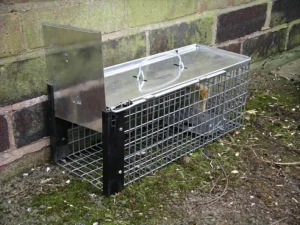
A small live trap around 10 inches long usually does the job. A cage of about 10.6 inches is a good fit for medium-sized chipmunks, and it works well for most eastern chipmunks.
Look for a trap with a sensitive trigger plate. Chipmunks are light, so you want a plate that closes the door when a three-ounce animal steps on it.
Mesh size matters too. Chipmunks are small and quick, so smaller openings in the mesh keep them from squeezing out or getting a foot stuck.
Stay away from very large cage traps made for raccoons or opossums. They’re too big, and a chipmunk can trip the plate and slip back out before the door closes.
Peanut Butter and Sunflower Seeds Make the Best Chipmunk Bait
Bait can make or break your trapping. Chipmunks are seed and nut eaters, so you want something they can’t resist.
Peanut butter, nutmeats, pumpkin or sunflower seeds, raisins, prune slices, and breakfast cereal grains all make good baits for live traps. Chipmunks also eat acorns, plant bulbs, insects, and even bird eggs.
Peanut butter and sunflower seeds are the classic combo, and a lot of trappers swear by it. A small smear of peanut butter with a few seeds on top works well.
For a snap trap, keep the bait firmly attached. Tie hard baits like nuts or seeds to the trigger so the chipmunk has to work at it, instead of grabbing it and running.
Avoid using too much. A big glob of peanut butter lets a chipmunk lick it clean without setting off the trap.
Set the Trap Along the Path Chipmunks Already Use
Placement is a big part of catching a chipmunk. Where you put your trap can matter more than which trap you pick.
Place your traps along the paths where chipmunks travel and feed. Look for burrow entrances, spots along a wall or foundation, and areas near bird feeders where they gather fallen seed.
For live traps, set them near the entrance or exit of the tunnel. Chipmunks have burrow systems that can reach up to 30 feet long, so finding the entrance gives you your best spot.
For snap traps, set them perpendicular to the chipmunk’s path, or in pairs with the triggers facing away from each other. That way you’re covered no matter which direction the chipmunk comes from.
Also, secure the trap so it can’t move. A wobbling trap can go off early and scare the chipmunk away.
A flat, stable surface works best. Wobbly traps on uneven ground tend to get skipped.
Prebaiting Your Chipmunk Trap Gives You a Better Shot
Prebaiting means you put out the trap with bait but don’t set it yet, so the chipmunk gets used to it. It’s an extra step, but it makes a big difference.
It’s often a good idea to prebait for a couple of days by wiring the trap doors open. The chipmunk learns to see the trap as a new food source.
Two to three days is about right. Once the chipmunk is feeding actively on the bait in and around the trap, you set it.
For a snap trap, you prebait by putting bait on the trigger without setting it. Wait until the animal has taken the bait without any trouble for two to three days.
That gives you a much better shot at catching the chipmunk on the first try. It also saves you from a chipmunk that gets spooked and stays away from your yard traps for weeks.
Chipmunk Traps Can Hurt Birds, Pets, and Kids Too
A rat-sized snap trap can hurt more than a chipmunk. It’s strong enough to injure a finger, a paw, or a bird that hops on it.
There’s a smart fix for the bird problem. Place snap traps under a small box with openings that only chipmunks can get through, so birds can’t reach the trigger.
You can also lean boards over traps that are set against a building. This hides them from pets and kids as well.
If you have dogs, cats, or small children, a live trap is often safer. Just keep it out of reach, since a trapped chipmunk can bite.
Wear thick gloves when you handle a live trap, and don’t stick your fingers through the mesh. A frightened chipmunk can give you a nasty bite.
What Should You Do With a Live Chipmunk After You Catch It?
This is the part most people don’t plan for. You’ve caught the chipmunk, and now you’re standing in your yard holding a wire cage with a wild animal inside.
First, check your local rules before you do anything. Trapping and moving wildlife can be limited or against the law, and the rules change a lot from one state or province to another.
For example, in New York State, chipmunks (like other wildlife) may not be kept or moved without a permit after they’re trapped.
Pennsylvania lists chipmunks as a protected mammal. Ohio’s laws are different, and it’s illegal there to relocate raccoons, skunks, coyotes, foxes, and bats.
If you’re in the US or Canada, call your state, provincial, or local wildlife agency and ask what’s allowed. If you’re in the UK or Australia, your rules may be different again, so check with your local authority.
Even where it’s legal, relocating a chipmunk isn’t always kind. Chipmunks spend spring, summer, and fall storing food for winter, so dropping one in a new spot can leave it without a stash or a burrow.
If you do release one, don’t let it go too close to your property, since it can come right back. Pick a place with food, water, and cover, and check that you have permission to release it there.
Leaving a Chipmunk in a Trap Too Long Puts It in Danger
Check your traps at least once a day, and twice is better. A chipmunk stuck in a cage can get stressed, run out of water, or overheat fast.
Leaving a chipmunk shut in for a long time can lead to stress, thirst, and even death. That’s especially true on a hot summer day, when a cage in the sun can turn into an oven.
Set your live trap in a shady spot, or cover part of it with a light cloth so the animal feels hidden. Check it early in the morning and again in the evening.
For snap traps, a daily check matters too. A dead animal left out draws flies and other pests, and it can spoil your yard fast.
Does Trapping Really Solve a Chipmunk Problem?
Sometimes yes, but often it’s only part of the answer. If food, cover, and easy digging spots are still around, new chipmunks can move into the space the old ones left.
Where chipmunk numbers are high, keeping them out (called exclusion) is often cheaper than trapping. That means blocking their access instead of chasing each one down.
Here’s what works in most yards. Use hardware cloth (a sturdy metal mesh), caulk, and other materials to close openings to buildings, and lay hardware cloth in flower beds to stop digging.
Remove the food that draws them, too. Clean up spilled birdseed, use feeders that catch dropped seed, store pet food and bulbs where they can’t reach them, and trim back low brush near your foundation.
You can also plant daffodils or alliums, since chipmunks avoid them because they taste bitter and are toxic to them.
When you mix trapping with these steps, you’re much more likely to see results that last.
Chipmunks Can Damage Your Yard and Foundation Over Time
It helps to know what you’re up against, since it tells you how much effort a few chipmunks are worth. Most of the time they’re harmless, but they can cause real headaches around your home.
Chipmunks can dig up seeds, eat flower bulbs, and tunnel under foundations or patios. Their burrow systems can reach 30 feet, and they build separate burrows for raising young and storing food.
A few chipmunks in a big yard usually won’t cause much harm. The average is only two to four chipmunks per acre, so a handful of them isn’t a huge crowd.
The bigger trouble comes when they burrow next to a foundation, retaining wall, or patio. Over time, tunnels can weaken the ground.
That’s why the best time to act is early. Block the entrances before they build an extensive tunnel network under your patio.
Conclusion
Standard mouse traps usually aren’t big enough for chipmunks. A chipmunk can weigh three or four times as much as a mouse, so a mouse trap may fail to kill it quickly, or may just injure it.
Use a rat-sized snap trap or a small live cage trap instead. Set the trap along the chipmunk’s path, secure it so it can’t wobble, and prebait it for a couple of days before you set it.
Check your traps every day, wear thick gloves, and keep them away from birds, pets, and kids. Look up your local rules before you relocate anything.
And don’t stop at trapping. Block the entrances, clean up the food, and add bitter-tasting plants so new chipmunks don’t move in.
With the right trap and a bit of prep, you can solve the problem without a lot of fuss.

Hi, my name is Ezra Mushala, i have been interested animals all my life. I am the main author and editor here at snakeinformer.com.