
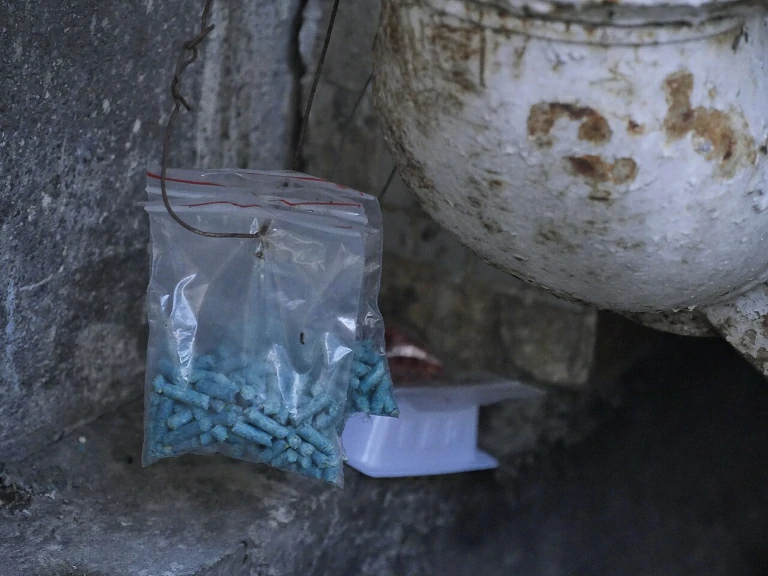
If you’ve found an old box of rat poison tucked away in the garage, you’re probably wondering if it’s even worth using anymore.
Maybe it’s been sitting there for a year or two, maybe even longer.
Rat poison isn’t cheap, and if it’s just going to sit there uselessly, you’d rather know now than waste your time setting it out.
So does rat poison actually lose its potency with age?
Yes, rat poison loses potency over time, though how fast depends on the type and how it’s stored. Most rat poison stays reasonably effective for one to three years if kept sealed in a cool, dry spot. Once opened or exposed to moisture, it degrades much faster.
The bigger picture here is a bit more nuanced than a simple yes or no though. There’s a real difference between the poison losing its punch and becoming totally harmless.
Those aren’t the same thing at all. Let’s get into exactly what happens to rat poison as it ages, and what that means for you.
Why Rat Poison Loses Potency in the First Place
Rat poison bait is basically a food product with a toxic chemical mixed into it. Since part of it is just food, it behaves a bit like other food does over time.
The active ingredient itself, whether that’s brodifacoum, bromadiolone, or something else, is a chemical compound.
Like most chemical compounds, it can slowly break down when it’s exposed to air, moisture, heat, or sunlight.
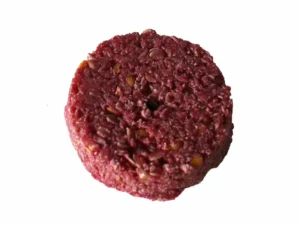
This process is called degradation, and it just means the molecule structure starts falling apart bit by bit.
As it breaks apart, less of the original active chemical is left behind to actually do its job.
At the same time, the bait itself, the grain, wax, or paste that carries the poison, can go stale, get moldy, or attract insects.
Even if the chemical inside is still mostly intact, a rat is a lot less likely to eat bait that smells or looks off.
So potency loss usually comes from two things happening together: the chemical itself slowly weakening, and the bait becoming less appealing for a rat to actually eat in the first place.
How Long Rat Poison Actually Stays Effective
The honest answer is that it depends heavily on the specific product, but there are some general timelines worth knowing.
Unopened rat poison, stored properly in its original sealed packaging, commonly stays effective for one to three years, sometimes up to five for certain formulations.
Manufacturers test their products for stability and print shelf life or expiration information on the packaging for exactly this reason.
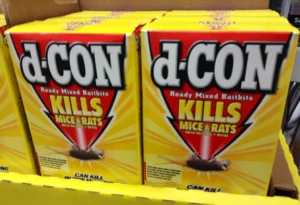
Once you open the package, the clock speeds up.
Opened bait exposed to normal air and humidity is often considered reliable for around a year, sometimes less if your storage conditions aren’t great.
Bait that’s actually been placed out in a bait station, exposed to weather and temperature swings, degrades the fastest of all.
Pest control professionals often recommend swapping out placed bait every 30 days or so during an active infestation.
That’s partly for freshness, and partly because rodents can grow wary of bait that’s been sitting untouched.
Think of it a bit like a bag of flour. Sealed and stored right, it lasts a long time.
Left open on a humid counter for months, it goes downhill a lot faster, even though it hasn’t technically hit an expiration date yet.
Here’s a simple breakdown:
| Storage Condition | Typical Effective Lifespan |
|---|---|
| Sealed, unopened, stored properly | 1 to 3 years (up to 5 for some products) |
| Opened, stored in a cool dry place | Around 1 year |
| Placed in an outdoor bait station | 30 days or less before it should be refreshed |
Not All Rat Poisons Degrade at the Same Rate
Different active ingredients hold up differently over time, so it’s not accurate to treat all rat poison as if it ages the exact same way.
Anticoagulant poisons, like brodifacoum, bromadiolone, difenacoum, and warfarin, tend to be fairly chemically stable when properly sealed and stored. These compounds don’t break down especially fast under normal storage conditions.
Zinc phosphide behaves quite differently. It reacts with moisture in the air to release toxic gas, which is actually part of how it works once eaten.
That same reaction with moisture means zinc phosphide can lose potency noticeably faster than anticoagulants if it isn’t kept dry, since it’s essentially reacting away even before a rat ever touches it.
Cholecalciferol, the vitamin D3 poison, is also considered reasonably stable in sealed packaging.
Like the others though, it degrades faster once it’s been exposed to air and humidity for a long stretch.
So if you’re trying to guess how well your specific box of poison has held up, the active ingredient matters just as much as how long it’s been sitting there.
An Important Difference: Less Potent Isn’t the Same as Harmless
Here’s where a lot of people get the wrong idea. Just because rat poison has lost some effectiveness doesn’t mean it’s become safe.
A poison that’s degraded to, say, 60 percent of its original strength can still absolutely poison a pet, a small child, or a rat that eats enough of it.
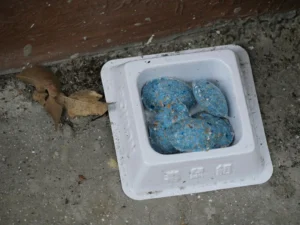
It just might take a slightly larger amount, or take a bit longer, to cause harm.
This matters a lot for how you think about old rat poison sitting around your house.
Even a poison that’s a few years old and clearly past its best should still be treated as genuinely dangerous, not as some watered down, harmless version of itself.
If anything, older or degraded rat poison can sometimes be more concerning from a safety standpoint, not less.
It might not kill rats as reliably anymore, but it can still make a pet or a person seriously sick if it’s eaten by accident.
Signs Your Rat Poison Has Gone Bad
If you’re trying to figure out whether that old box in your shed is still worth using, a few signs can point you in the right direction.
Visible mold or a moldy smell on the bait itself is a clear sign it’s degraded past the point of being useful. Rats generally won’t touch moldy bait anyway.
Discoloration, especially bait that’s turned significantly darker or has developed a strange texture, often signals the chemical inside has broken down more than usual.
A crumbly, dried out, or oddly hardened texture on bait blocks can also mean moisture or heat exposure has taken a toll, even if there’s no visible mold.
If the packaging doesn’t list a clear expiration date, check for a lot number or manufacture date stamped on the box or bag.
Most manufacturers include one, even if it’s small and easy to miss.
You can often contact the manufacturer directly with that lot number if you want a more precise answer than just guessing from how long you think you’ve had it.
If you’ve had bait out for weeks and rats are clearly still active nearby, that’s a practical sign.
The bait may no longer be appealing or effective, even if you can’t see any obvious damage.
Should You Still Use Old Rat Poison?
This really comes down to how old it is, how it’s been stored, and what your actual goal is.
If the poison is a year or two old, was stored sealed in a cool, dry place, and shows no signs of mold or damage, it’s probably still reasonably effective.
It’s not unreasonable to use it, especially if you’re dealing with a light infestation.
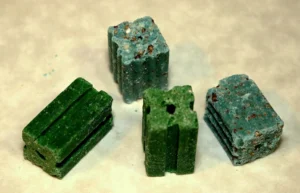
If it’s been sitting open, exposed to humidity, or shows any of the signs mentioned above, you’re better off treating it as unreliable.
You might still get some results, but you can’t count on it working the way fresh bait would.
For a serious or ongoing rat problem, it’s genuinely worth just buying fresh poison rather than gambling on an old batch.
The cost difference is usually small compared to how much time you’ll waste if weakened bait fails to actually solve your rodent problem.
How to Store Rat Poison to Keep It Effective Longer
If you want your rat poison to last as long as possible, a few simple storage habits make a real difference.
Keep it in its original packaging whenever you can. Manufacturers design that packaging specifically to protect the product from air and moisture.
Store it somewhere cool and dry, away from direct sunlight. A garage shelf or a closed cabinet works better than anywhere that gets hot, humid, or exposed to weather.
If you’ve opened the package, consider transferring any unused bait into an airtight container. Just make sure it’s clearly labeled as poison, so nobody mistakes it for something else down the line.
Keep it well out of reach of children and pets, regardless of how old or fresh it is. As covered earlier, even degraded poison can still cause real harm.
And check the expiration date or manufacture date if the packaging includes one.
This is genuinely the most reliable way to judge whether a specific product is likely still within its intended window of effectiveness.
What This Means If You’re Dealing With Rats Right Now
If you’re actually facing a rat problem today, here’s the practical takeaway. Check your existing rat poison for an expiration date first, since that’s your most reliable guide.
If it’s unopened and within that window, it’s probably fine to use.

If it’s been open a while, stored poorly, or shows signs of mold, discoloration, or a strange texture, don’t rely on it for a real infestation.
Buying a fresh product is a small cost compared to prolonging a rat problem with bait that might only be partially effective.
And no matter how old the poison is, keep treating it with the same caution as something brand new, since reduced potency doesn’t mean reduced danger.
The Myth That Expired Poison Becomes Harmless
There’s a common assumption out there that once rat poison expires, it basically turns into dust with no real danger left in it.
This idea shows up a lot in casual conversation, but it’s not backed by how these chemicals actually behave.
Anticoagulant poisons like brodifacoum and bromadiolone are chemically pretty stable compounds. They don’t have a sudden cutoff point where they flip from dangerous to safe.
Instead, they degrade gradually, losing a bit of strength over months and years rather than becoming inert overnight.
Even a poison that’s five or six years old and clearly past its intended shelf life can still contain enough active chemical to cause real harm if enough of it is eaten.
This matters most for households with pets or young kids. Treating expired rat poison as a non-issue, just because the box is old, is a genuinely risky assumption to make.
If you wouldn’t leave a fresh box of poison somewhere your dog or toddler could get into it, that same logic should apply to an old, expired one too.
How to Tell if Aging Bait Actually Worked
It helps to know how to judge whether older bait actually did its job, rather than just guessing.
Bait that’s been eaten, meaning chunks are missing or a bait block shows obvious gnaw marks, is a decent sign rats are at least still interested in it.
That alone doesn’t guarantee a kill though.
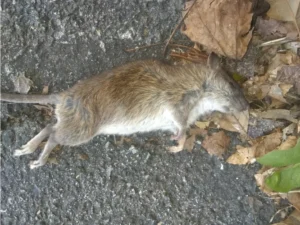
Finding dead rats nearby, especially within the expected time window for whichever poison you used, is the clearest sign the bait actually worked.
Since these poisons cause death gradually, you may not find every rat that ate the bait. Some head back to a nest or a hidden spot before dying.
A reduction in fresh droppings, gnaw marks, or other signs of rat activity over the following one to two weeks is a good practical signal too, even without finding actual carcasses.
On the other hand, if bait keeps disappearing but you’re not seeing any drop in rat activity, that’s worth paying attention to.
It could mean the bait is old and weakened enough that rats are surviving what should normally be a lethal dose.
In that case, switching to a fresh product is usually a smarter move than continuing to rely on something that clearly isn’t finishing the job.
What to Do With Rat Poison You No Longer Want
Getting rid of old rat poison properly matters just as much as how you store it while it’s still around.
Never flush rat poison down the toilet or pour it down a drain. It can contaminate water sources, and it doesn’t actually neutralize the chemical at all.
Don’t just toss loose bait straight into the regular trash either. Seal it in a sturdy container first.
Then place that container inside a second bag, so there’s no risk of it leaking or spilling during collection.
Check the product label for specific disposal instructions. A lot of rodenticide packaging includes guidance for exactly this situation, and manufacturers sometimes offer take-back programs for unused product.
Your local household hazardous waste program is usually the best option if you’re not sure what to do.
Most cities and counties run collection sites or scheduled pickup days specifically for things like old pesticides and rodenticides.
Keep the sealed poison well out of reach of kids and pets right up until you actually drop it off or hand it over.
Even in its final moments before disposal, it’s still exactly as dangerous as it was in the box.
Conclusion
Rat poison does lose potency with age, mainly because the active chemical slowly breaks down and the bait itself becomes less appealing to rodents.
Sealed, properly stored poison generally holds up well for one to three years, sometimes longer, while opened or exposed bait degrades much faster.
Different active ingredients age differently too, with anticoagulants generally holding up better than something like zinc phosphide, which reacts with moisture in the air.
The most important thing to remember is that reduced potency doesn’t mean the poison is safe.
Even old, weakened rat poison can still seriously harm a pet, a child, or anyone who ends up eating it by accident.
If you’re not confident your rat poison is still fresh, and you’re dealing with a real infestation, it’s usually worth just replacing it.
Store what you buy properly from the start, and you’ll get the most effective use out of it for as long as possible.

Hi, my name is Ezra Mushala, i have been interested animals all my life. I am the main author and editor here at snakeinformer.com.