
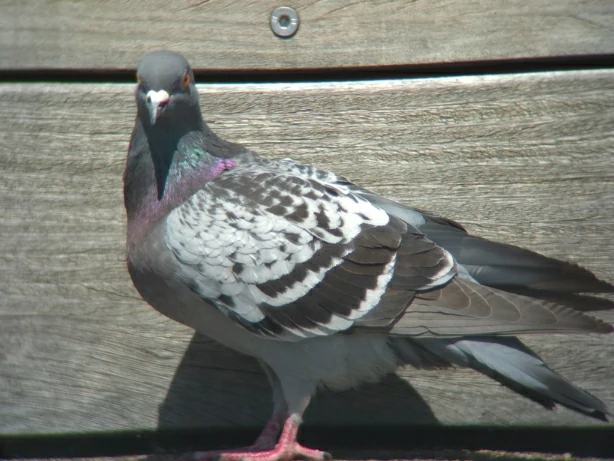
Pigeons can be a real headache when they take over your garden. They eat your plants, leave droppings everywhere, and generally make a mess of things.
If you’re already using rat poison to deal with rodents, you might wonder if it’ll also take care of your pigeon problem. But will rat poison kill pigeons in the garden?
Yes, rat poison can kill pigeons in the garden if they eat it. Most rat poisons use anticoagulants that work on any bird or mammal, not just rats. Pigeons that eat rat poison will experience internal bleeding and die within a few days, just like rats do.
However, just because rat poison can kill pigeons doesn’t mean you should use it for that purpose.
It’s actually illegal in most places to use rat poison to kill birds, and it creates serious risks for other wildlife, pets, and even people.
How Rat Poison Affects Pigeons
Most modern rat poisons contain anticoagulants like brodifacoum or bromadiolone. These chemicals stop blood from clotting properly.
When a pigeon eats rat poison, the same thing happens as when a rat eats it. The poison builds up in the bird’s system over several days, causing internal bleeding.
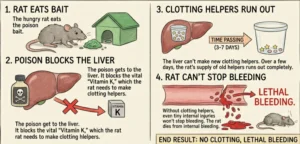
The pigeon will eventually die from blood loss. This usually takes anywhere from 3 to 7 days after eating a lethal dose.
The delay is one of the reasons anticoagulant poisoning can be difficult to notice at first.
A pigeon can eat the bait and continue flying around normally before enough clotting factors have been used up for obvious signs to appear.
Will Pigeons Actually Eat Rat Poison?
Pigeons are seed eaters, and many rat poison products are made to look like grains or seeds. This makes them very attractive to pigeons.
If you put rat poison blocks or pellets in your garden, there’s a good chance pigeons will find them and eat them. They don’t know the difference between poison and regular food.
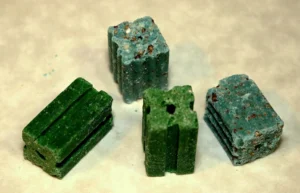
Pigeons are also not very cautious eaters compared to rats. Rats are suspicious of new food sources and will only eat small amounts at first. Pigeons don’t have this same caution.
Pigeons can also pick up small pieces of bait from the ground while searching for food. This makes exposed pellets particularly concerning in gardens where birds regularly feed on the ground.
Why You Shouldn’t Use Rat Poison to Kill Pigeons
Even though rat poison will kill pigeons, using it for this purpose is a terrible idea for several reasons.
First, it’s illegal. In the United States and most other countries, using rat poison to intentionally kill birds violates wildlife protection laws. You could face serious fines if you’re caught.
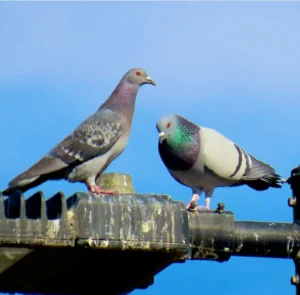
Second, it’s not selective. If you put rat poison in your garden to kill pigeons, you’ll also kill other birds that visit your garden. Songbirds, doves, and other species will eat the poison too.
Third, it creates secondary poisoning risks. When a poisoned pigeon dies, any animal that eats it (hawks, owls, cats, dogs, foxes) will also be poisoned.
The risk can continue even after the pigeon has left the garden. A poisoned bird may fly somewhere else before it becomes too weak to move, so the eventual carcass may be found by a predator or scavenger somewhere away from the original bait.
The Legal Issues with Poisoning Birds
In the U.S., most bird species are protected under the Migratory Bird Treaty Act. This law makes it illegal to kill most birds, including pigeons in many cases.
Some cities classify pigeons as pests and allow certain control methods, but poison is rarely one of them. You need to check your local laws before taking any action against pigeons.
Even if you’re just putting out rat poison for rats and pigeons happen to eat it, you could still get in trouble if wildlife officials determine you didn’t take proper precautions to prevent bird access.
The rules can also depend on whether the birds are considered protected wildlife and how the rodenticide was used.
That’s why it’s important to follow the label on the specific product and check local wildlife regulations instead of assuming that a method is legal because the poison itself is legally sold.
Using a product legally for rats doesn’t automatically mean it can legally be used to target birds.
What Happens to Pets and Wildlife?
If you use rat poison in your garden and pigeons eat it, the problems don’t stop there. The poisoned pigeons become walking toxic bombs.
When a poisoned pigeon dies in your yard, any dog or cat that finds and eats it will also be poisoned. The anticoagulant is still active in the pigeon’s body.
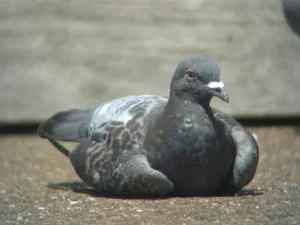
Hawks, owls, and other predatory birds that catch and eat poisoned pigeons will also die. This is called secondary poisoning, and it’s killing huge numbers of wild predators every year.
The amount of poison a predator receives can depend on how much the pigeon originally consumed and how much of the poisoned bird the predator eats.
Signs a Pigeon Has Eaten Rat Poison
If you see a pigeon acting strangely in your garden, it might have eaten rat poison (either yours or a neighbor’s).
Poisoned pigeons often look lethargic and won’t fly away when you approach. They might sit in one spot for hours.
You might also see bleeding from the beak, nose, or vent (the opening where droppings come out). Sometimes there’s blood in the droppings.
These signs aren’t specific to rat poison, though. A pigeon that is weak, bleeding, or reluctant to fly could have been injured or could be suffering from an illness or another type of poisoning.
If you don’t know whether the bird was exposed to rat poison, it’s better not to assume that poisoning is definitely the cause based on appearance alone.
Better Ways to Deal with Garden Pigeons
Instead of poison, there are much safer and legal ways to keep pigeons out of your garden.
Physical barriers work well. Use netting or wire mesh to cover plants that pigeons are eating. You can also install bird spikes on ledges and railings where pigeons like to perch.
Scare tactics can help too. Reflective tape, fake owls or hawks, and motion-activated sprinklers can make your garden less appealing to pigeons.
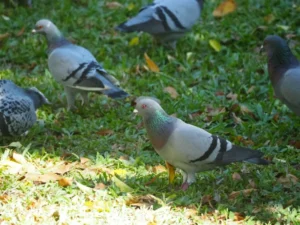
Remove food sources. If you’re feeding other birds, use feeders that pigeons can’t access. Clean up fallen seeds and fruits that might attract them.
The area underneath bird feeders is especially important. Even when pigeons can’t easily reach a particular feeder, they can still eat the seeds that fall onto the ground underneath it.
Cleaning up spilled seed regularly can make the area much less attractive. The same applies to fallen fruit, scraps of food, and other edible material that collects on the ground.
Scare devices also tend to work better when they’re changed or moved from time to time. Pigeons can get used to objects that stay in exactly the same place for long periods.
Why Pigeons Come to Gardens in the First Place
Understanding why pigeons are in your garden can help you find better solutions than poison. Pigeons need three things: food, water, and shelter.
If your garden has bird feeders, fruit trees, vegetable plants, or standing water, you’re basically inviting pigeons to visit. They’ll also nest in dense shrubs or under eaves.
By removing these attractions, you can make your garden much less appealing without killing anything.
Pigeons can become regular visitors once they learn that a garden is a reliable source of food or shelter. If the conditions stay the same, simply chasing them away usually won’t solve the problem for long.
They may return repeatedly because the garden has become part of their normal feeding area. This is why removing food and water sources can be more useful than repeatedly trying to scare individual birds away.
What to Do If Pigeons Eat Your Rat Poison
If you have rat poison in your garden and you see pigeons eating it or acting sick, you need to act fast.
First, remove all the rat poison immediately. Pick up every single block or pellet you can find.
Don’t handle loose bait with your bare hands, and follow the instructions on the product label when cleaning up spilled poison. Keep children and pets away from the area while you’re removing the bait.
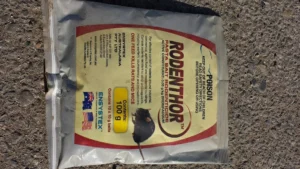
If you aren’t sure whether you’ve found every piece, treat the whole area as potentially contaminated until you’ve checked it carefully. Small pieces of bait can be easy to overlook in grass, soil, leaves, or other garden debris.
Second, if you see sick pigeons, contact a wildlife rehabilitator in your area. They might be able to save the birds with vitamin K treatment (the antidote for anticoagulant poisoning).
If you know which rat poison was involved, keep the packaging or take a photo of the label. The active ingredient can make a big difference when a professional is trying to determine what kind of exposure occurred.
Third, keep your pets inside until you’re sure there are no poisoned pigeons around. A dog or cat that eats a poisoned pigeon will need emergency vet care.
Using Rat Poison Safely Around Birds
If you need to use rat poison for an actual rat problem but want to protect birds, there are ways to do it more safely.
Use tamper-resistant bait stations that only rats can enter. These are boxes with small openings that pigeons and other birds can’t fit through.
Place the bait stations in areas where birds don’t go. Inside sheds, garages, or under decks are better than open garden areas.
Check the bait stations daily and remove any dead rats immediately. This prevents predators and scavengers from eating poisoned carcasses.
You should also check around the outside of the bait station for spilled bait. A station can keep a pigeon from reaching the bait inside while a loose pellet outside the station remains available to it..
The Risk to Songbirds and Other Garden Visitors
It’s not just pigeons you need to worry about. Many other birds that visit gardens will also eat rat poison if they can access it.
Sparrows, finches, blackbirds, and doves are all seed eaters that might mistake poison pellets for food. These are often birds you actually want in your garden because they eat insects.
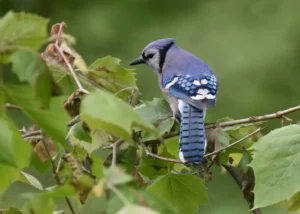
Ground-feeding birds are especially at risk because rat poison is usually placed on or near the ground where rats travel.
Alternatives to Rat Poison for Rodent Control
If you’re using rat poison in your garden, consider switching to methods that won’t harm birds.
Snap traps work great for rats and don’t use any poison. Place them along walls and in areas where you see rat droppings.
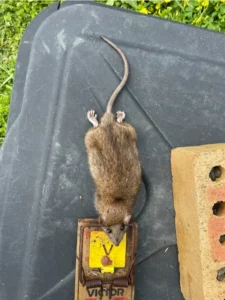
Electronic traps are another option. These deliver a quick electric shock that kills rats instantly without poison.
The best long-term solution is to make your property less attractive to rats. Remove brush piles, secure garbage cans, and eliminate water sources.
It’s also worth looking for the places where rats are getting into buildings or other structures. Check around doors, pipes, vents, walls, sheds, and other openings for gaps or signs of gnawing.
Sealing those entry points can prevent new rats from moving in after you’ve dealt with the ones already on the property. Otherwise, you may end up solving the same rat problem over and over again.
What If Pigeons Keep Coming Back?
Pigeons can keep returning if your garden still provides an easy source of food, water, or shelter.
If they keep coming back after you’ve removed obvious food sources, look for places where they’re getting shelter or nesting. Check dense shrubs, roof spaces, ledges, sheds, and other protected areas.
Physical barriers are often more reliable than repeatedly trying to scare birds away. Netting can protect a specific garden bed, while barriers can prevent pigeons from landing on particular ledges or other problem areas.
The goal is to make the garden less useful to pigeons rather than trying to kill every bird that visits. Once the food, water, and shelter become harder to access, pigeons have less reason to keep coming back.
Conclusion
Rat poison will definitely kill pigeons in the garden if they eat it. The anticoagulants in modern rat poisons work on birds just as well as they work on rats.
But using rat poison to kill pigeons is illegal, dangerous to other wildlife and pets, and creates more problems than it solves. There are much better, safer, and legal ways to deal with pigeon problems.
If you need to use rat poison for rats, make sure it’s in tamper-resistant stations that birds can’t access. And always remove dead rats immediately to prevent secondary poisoning of the animals you actually want around.

Hi, my name is Ezra Mushala, i have been interested animals all my life. I am the main author and editor here at snakeinformer.com.