
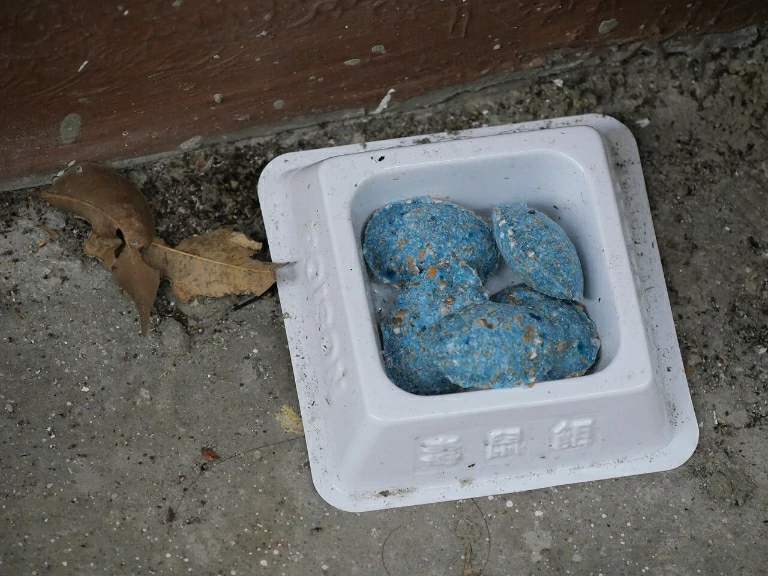
If you have a cat and you’re dealing with mice or rats, you might be looking for a poison that’ll kill rodents without hurting your cat. This is a tricky situation because cats are natural hunters who are more likely than many other pets to encounter poisoned rodents.
The challenge is finding something effective against rodents that won’t harm your cat if they eat a poisoned mouse or come in direct contact with the poison. So what rat poison is safe for cats?
There is no rat poison that is completely safe for cats. All rodent poisons contain toxic ingredients that can harm or kill cats if ingested directly or through eating poisoned rodents (secondary poisoning). Cats are especially vulnerable because they hunt and eat small animals. The only truly cat-safe rodent control methods are non-poison alternatives like traps and exclusion.
This might be disappointing to hear, but it’s the reality. Cats are actually at higher risk from rat poison than many other pets because of their hunting instincts and small body size.
Why Rat Poison Is Especially Dangerous for Cats
| Poison Type | Why It’s Dangerous for Cats | Risk Level | Symptoms in Cats | Can Cats Get It From Eating Poisoned Mice? |
|---|---|---|---|---|
| First-generation anticoagulants (Warfarin) | Stops blood clotting; cats often eat poisoned rodents | High | Weakness, pale gums, difficulty breathing, bleeding | Yes |
| Second-generation anticoagulants (Brodifacoum, Bromadiolone) | Extremely toxic, lasts weeks in body | Very High | Same as above but more severe | Yes (high risk) |
| Bromethalin | Causes brain swelling, no antidote, tiny amounts are lethal | Extremely High | Tremors, seizures, paralysis, hyperexcitability | Yes |
| Cholecalciferol (Vitamin D3) | Causes kidney failure from calcium buildup | Very High | Increased thirst/urination, vomiting, weakness, seizures | Yes |
| Zinc Phosphide | Creates toxic gas, works fast | High | Vomiting, seizures, difficulty breathing, stomach pain | Less common (rodents usually die before cats find them) |
| “Pet-resistant” stations | Poison inside is still toxic; cats can access small openings | Varies | Depends on poison type inside | Yes |
This table shows why every type of rat poison poses serious dangers to cats. Their hunting behavior and small size make them especially vulnerable.
Why Cats Are at Higher Risk Than Dogs
Cats face unique dangers from rat poison that dogs don’t deal with to the same degree.
First, cats are natural hunters. Even well-fed indoor cats will hunt mice and rats if they get the chance. Outdoor cats actively hunt small rodents as part of their normal behavior.
When a cat catches a mouse or rat that ate poison, the cat eats the poisoned rodent. This is called secondary poisoning, and it’s one of the most common ways cats get poisoned.
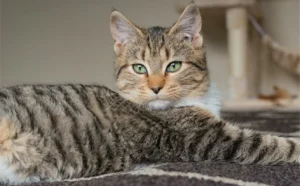
Second, cats are smaller than most dogs, which means the same amount of poison represents a bigger dose relative to their body weight. A 10-pound cat is at much higher risk from a small amount of poison than a 50-pound dog.
Third, cats are curious and will investigate new things in their environment. If you put out poison blocks or pellets, your cat might sniff them, bat them around, or even lick them.
Fourth, cats groom themselves constantly. If they walk through poison powder or get poison on their fur, they’ll lick it off and ingest it while grooming.
Fifth, cats’ liver enzymes work differently than dogs’. They can’t process certain toxins as effectively, which makes some poisons even more dangerous for them.
The Secondary Poisoning Problem Is Worse for Cats
Secondary poisoning happens when your cat eats a rodent that already ate poison. For cats, this is a major concern.
Cats are obligate carnivores, which means their diet is based on eating other animals. Hunting and eating small prey like mice is natural cat behavior.
When a mouse eats rat poison, the poison doesn’t disappear from its body. If the mouse dies from the poison and your cat finds and eats it, your cat is now consuming the poison too.
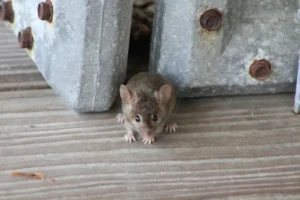
Second-generation anticoagulant poisons are especially dangerous for secondary poisoning. They stay in the rodent’s body at high concentrations even after death. A cat who eats just one or two poisoned mice can get a toxic dose.
Bromethalin is also really dangerous for secondary poisoning. It stays in the rodent’s tissues, and even though mice usually die quickly from this poison, their bodies still contain enough toxin to harm a cat who eats them.
The problem is you can’t control whether your cat will eat a poisoned rodent. If you have an outdoor cat or even an indoor cat who has access to a garage or basement where mice might be, they’ll hunt. That’s what cats do.
“Pet-Friendly” Bait Stations Don’t Protect Cats
You might think using a bait station designed to keep pets out would solve the problem. But these stations don’t protect cats as well as you’d think.
Most bait stations have small openings that rats and mice can fit through. The idea is that larger pets like dogs can’t get in. But cats are pretty small and flexible. Many cats can actually fit through these openings or reach their paws in to pull out poison.
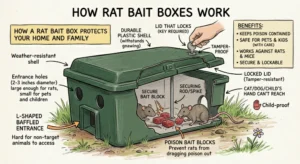
Even if your cat can’t get into the bait station directly, rodents will take poison out of the station to eat elsewhere or to bring back to their nests. Your cat might find these pieces.
And bait stations do nothing to prevent secondary poisoning. The poisoned rodents will still be running around until they die, and your cat can catch and eat them.
Some people put bait stations in places they think cats can’t reach, like up high or in closed spaces. But cats are amazing climbers and can squeeze into tiny spaces. There’s really nowhere you can put a poison station that a determined cat absolutely can’t access.
Professional-grade bait stations are more secure, but they still don’t eliminate the secondary poisoning risk, which is the biggest danger for cats.
First-Generation Anticoagulants Aren’t Safe Either
Some people think using older, supposedly “weaker” rat poisons like warfarin is safer when you have cats. This isn’t true.
First-generation anticoagulant poisons still work by preventing blood from clotting. If your cat eats enough, either directly or through poisoned mice, they’ll develop internal bleeding just like with stronger poisons.
The main difference is that first-generation anticoagulants are less potent, so a cat would need to eat more to get sick. But “more” is a relative term. For a small cat, it still doesn’t take much.
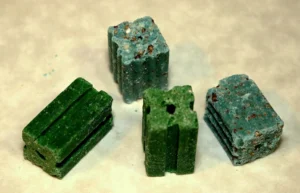
These poisons also require rodents to eat multiple doses over several days to die. This means there’s a longer window where sick, poisoned rodents are stumbling around and easy for cats to catch.
A cat who catches and eats several mice over a few days, all of which have been eating poison, can accumulate a dangerous dose through secondary poisoning.
And first-generation anticoagulants can still last in a cat’s system for days or weeks if they’ve eaten enough. They’ll need veterinary treatment with vitamin K1, just like with stronger poisons.
Why Indoor Cats Aren’t Necessarily Safe
You might think your indoor cat is protected from rat poison because they don’t go outside. But indoor cats can still be at risk.
If you have mice in your house and you use poison to control them, your indoor cat can catch and eat poisoned mice. Mice often live in walls, basements, attics, and garages, all places your indoor cat might have access to.
Indoor cats are actually more motivated to hunt mice than well-fed outdoor cats sometimes. They’re bored, and hunting is entertainment. If a poisoned, slow-moving mouse appears, your indoor cat will likely catch it.
Some people use rat poison in attached garages, basements, or storage areas. If your indoor cat can get into these spaces, they can get into the poison.
And if you live in an apartment or condo, your building might use rat poison in common areas, storage rooms, or utility spaces. If your cat gets out or if rodents travel between units, your cat could be exposed.
Indoor-outdoor cats who go outside sometimes are at even higher risk because they have access to both your home and the outdoor environment where they might encounter poison or poisoned rodents.
Outdoor Cats Face Even More Dangers
If your cat goes outside regularly, the risks from rat poison multiply.
Your neighbors might use rat poison in their yards, garages, or sheds. Your cat has no way to know which yards are safe and which have poison. They’ll hunt wherever they find mice.
Agricultural areas, farms, and businesses often use large amounts of rat poison. If your cat wanders into these areas, they can eat poison directly or catch poisoned rodents.

Some people illegally use rat poison to harm outdoor cats (yes, this horrible thing happens). If someone in your area doesn’t like cats, they might put out poison where cats can access it.
Municipal areas like parks, around dumpsters, or in commercial districts often have rat poison in bait stations. Your cat might investigate these areas and encounter poison.
Dead or dying poisoned rodents are easier for cats to catch than healthy ones. A poisoned mouse moves slowly and can’t escape effectively, making it an easy target. Your outdoor cat will take advantage of this easy meal, not knowing it’s toxic.
Natural and Organic Poisons Aren’t Cat-Safe
You might hope that switching to a “natural” or “organic” rat poison would be safer for your cat. Unfortunately, these can be just as dangerous.
Many natural rat poisons use salt or other minerals in toxic doses. Cats who eat these can develop salt poisoning, which causes vomiting, diarrhea, tremors, seizures, and kidney damage.
Some natural poisons use plant-based toxins or essential oils. Just because something comes from a plant doesn’t mean it’s safe for cats. Many plants are toxic to cats, and concentrated extracts can be deadly.
Other natural poisons work by dehydrating rodents or causing digestive blockages. If your cat eats a poisoned rodent or the poison directly, these effects can harm them too.
Cats are actually more sensitive to many essential oils and plant compounds than dogs are. Their liver can’t process these substances well, so even small amounts can cause toxicity.
Don’t assume that “natural” means “safe for pets.” Always read the label carefully, and better yet, avoid poison entirely when you have cats.
What Vets See When Cats Eat Rat Poison
Veterinarians regularly treat cats for rat poisoning, and the outcomes aren’t always good. Here’s what they typically see.
For anticoagulant poisoning, cats come in weak and lethargic, with pale or white gums indicating internal bleeding. Some have difficulty breathing because they’re bleeding into their chest cavity. Others have visible bruising or blood in their urine or stool.
For bromethalin poisoning, cats show neurological symptoms like tremors, seizures, hyperexcitability (where they overreact to touch or sound), loss of coordination, or paralysis. These symptoms can be permanent even if the cat survives.
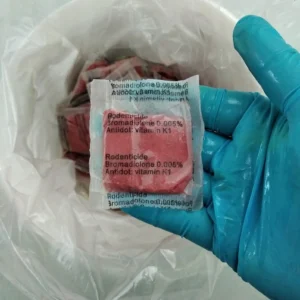
For cholecalciferol (vitamin D3) poisoning, cats come in with excessive thirst and urination at first, then progress to vomiting, weakness, and eventually kidney failure. Even with aggressive treatment, some cats develop permanent kidney damage.
The sad reality is that many cats don’t make it to the vet in time. Outdoor cats might be poisoned and die somewhere outside where their owners never find them. Indoor cats might hide when they feel sick, and by the time owners realize something’s wrong, it’s too late.
Treatment is expensive, often costing hundreds to thousands of dollars, and there’s no guarantee of success, especially with poisons that have no antidote.
Why You Can’t Just Use Less Poison
Some cat owners think they can use rat poison safely by only putting out small amounts. This doesn’t work.
First, you can’t control how much poison your cat might ingest through secondary poisoning. Even if you only put out one poison block, multiple mice might eat from it, and if your cat eats several of those mice, they’ve consumed a dangerous dose.
Second, highly toxic poisons like bromethalin and second-generation anticoagulants can harm cats in tiny amounts. Using less doesn’t make them safe.
Third, using too little poison won’t effectively control your rodent problem. The mice might eat some but not enough to die, which means you still have mice and you’re still putting your cat at risk.
Fourth, rodents can carry poison away from where you put it. A mouse might take a piece of poison to its nest, drop it somewhere, and your cat finds it.
The amount you use doesn’t eliminate the risk. The only way to protect your cat is to not use poison at all.
How Cats Get Exposed Without Eating Poison
Cats can be exposed to rat poison even if they never eat it directly. Here are some ways this happens.
Walking through poison powder or pellets can get the poison on your cat’s paws and fur. When they groom themselves (which cats do constantly), they lick the poison off and ingest it.
Poison dust or residue can settle on surfaces where cats walk or lie down. Your cat then gets it on their fur and ingests it while grooming.
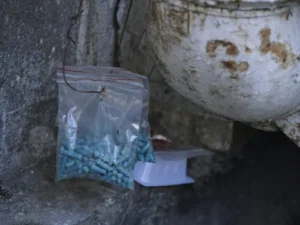
Some liquid or gel rat poisons can get on your cat’s fur if they brush against treated areas. Again, grooming leads to ingestion.
If you have poison on your hands from handling bait stations or poison blocks and then pet your cat, you can transfer residue to their fur.
Cats might lick poison residue from surfaces where poison was placed. Even after you remove poison blocks, there might be traces left behind.
This is another reason why bait stations don’t fully protect cats. Even if your cat can’t get the actual poison, they can still be exposed through contact with surfaces or areas where poison is present.
Cat-Safe Alternatives to Poison
If poison isn’t safe for cats, what can you use instead? There are several effective options.
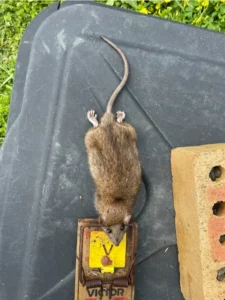
Snap traps are quick and humane. They kill mice and rats instantly. The key is to put them in places your cat can’t reach. Inside closed cabinets, behind appliances, or in areas you can block your cat from accessing work well.
Electronic traps deliver a high-voltage shock that kills rodents instantly. The openings are sized for rodents, and cats are too big to fit inside, making these very cat-safe.
Live traps catch rodents without harming them so you can release them far from your home. These are completely safe for cats, though you need to check them frequently and actually relocate the captured mice.
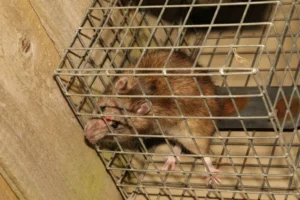
Exclusion is the best long-term solution. Seal up any holes or gaps where rodents are getting into your home. Mice can squeeze through holes the size of a dime, so be thorough. Use steel wool or hardware cloth in gaps because rodents can’t chew through these.
Let your cat hunt. This sounds obvious, but cats are excellent mousers. If you have a cat and a few mice, your cat might solve the problem naturally. Just don’t use poison, or you’ll turn your helpful mouser into a poisoning victim.
Professional pest control services can use integrated pest management techniques that don’t involve poison. Ask specifically for pet-safe methods.
What to Do If Your Cat Eats Poison
If you know or suspect your cat ate rat poison, here’s what to do immediately.
Call your vet or an emergency animal hospital right away. Don’t wait to see if symptoms develop. Tell them you think your cat ate rat poison.
If you know what type of poison it was, find the package. The active ingredient listed on the label is critical information the vet needs. Take the package with you.
Don’t try to make your cat vomit unless a vet specifically tells you to. With some poisons, vomiting can make things worse.
Watch for symptoms like weakness, pale gums, difficulty breathing, bleeding, tremors, or seizures, but don’t delay getting help while you watch. Time is critical.
Get to the vet as fast as possible. The sooner treatment starts, the better your cat’s chances of surviving without permanent damage.
If your cat goes outside and you’re not sure if they ate poison but they’re showing symptoms, treat it as an emergency anyway. Better safe than sorry.
How to Keep Your Cat Safe From Neighbor’s Poison
If you have an outdoor cat, you can’t control what your neighbors do, but you can take some steps to reduce risk.
Talk to your neighbors about pet-safe pest control. Explain that you have an outdoor cat and ask if they use rat poison. If they do, ask them to consider alternatives or at least let you know when they put poison out so you can keep your cat inside.
Keep your cat indoors as much as possible, especially at night when rodents are most active. This reduces the chances they’ll encounter poisoned mice.
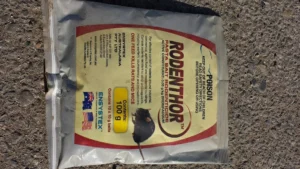
If you know certain areas or properties use poison, try to keep your cat away from those areas. You can’t always control where a cat goes, but you can make your own yard more appealing so they stay home more.
Consider transitioning your cat to indoor-only life. Indoor cats live longer, healthier lives overall and aren’t at risk from rat poison, cars, predators, or diseases from other animals.
If your cat must go outside, consider a catio (enclosed outdoor space) or supervised outdoor time on a leash and harness. This lets them enjoy outside time without the risks of free roaming.
Conclusion
There is no rat poison that’s safe for cats. All poisons designed to kill rodents can harm or kill cats through direct ingestion or secondary poisoning from eating poisoned mice. Cats are especially vulnerable because of their hunting instincts and small size.
The only way to safely control rodents when you have cats is to avoid poison entirely and use alternatives like snap traps, electronic traps, exclusion methods, or professional pest control that doesn’t use toxic bait.
If you currently use rat poison and you have cats (indoor, outdoor, or both), remove it immediately and switch to safer methods. Your cat’s life depends on it.
Sources:
Rat poison intoxication in cats: https://www.joiipetcare.com/blogs/poisons/rat-poison-intoxication-in-cats
Rodenticide poisoning in cats: https://www.vet-emergency-london.co.uk/main-emergencies-in-pets/emergencies-in-cats/rat-poison-in-cats.php
Salt Toxicosis in Animals: https://www.msdvetmanual.com/toxicology/salt-toxicosis/salt-toxicosis-in-animals
Cholecalciferol (Vitamin D3) Poisoning in Animals:https://www.msdvetmanual.com/toxicology/rodenticide-poisoning/cholecalciferol-vitamin-d3-poisoning-in-animals
Cholecalciferol (Vitamin D3) Rodenticide Poisoning: https://vcahospitals.com/know-your-pet/cholecalciferol-vitamin-d3-rodenticide-poisoning
Bromethalin Poisoning in Animals:https://www.msdvetmanual.com/toxicology/rodenticide-poisoning/bromethalin-poisoning-in-animals
Anticoagulant Rodenticide Poisoning in Animals: https://www.msdvetmanual.com/toxicology/rodenticide-poisoning/anticoagulant-rodenticide-poisoning-in-animals
Phosphide (Zinc, Magnesium, Aluminum) Poisoning in Animals:https://vcahospitals.com/know-your-pet/rodenticide-warfarin-poisoning-in-dogs

Hi, my name is Ezra Mushala, i have been interested animals all my life. I am the main author and editor here at snakeinformer.com.