
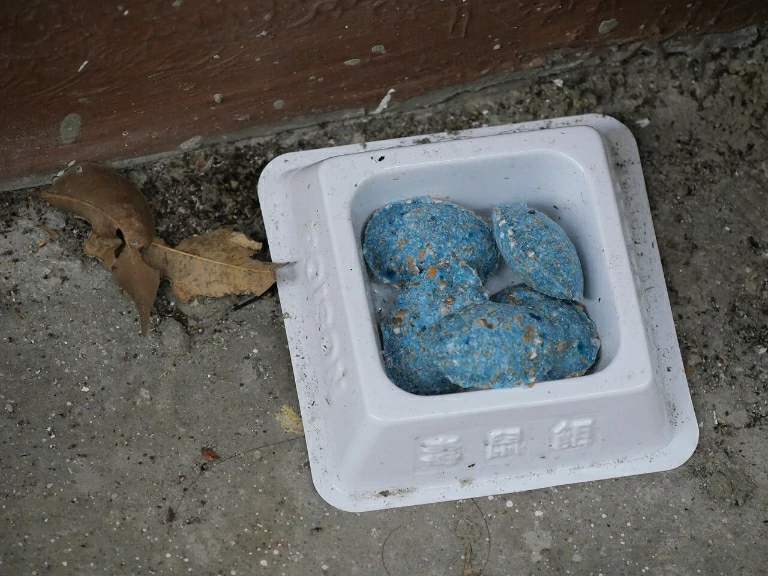
Whether you’ve successfully eliminated your rat problem and have leftover poison, or you’ve found old rat poison that you don’t want anymore, proper disposal is critical for safety and environmental protection.
Rat poison is hazardous waste, and you can’t just throw it in the trash or pour it down the drain. So how do you get rid of and dispose of rat poison safely?
Rat poison must be disposed of as hazardous waste through approved collection programs. Contact your local waste management authority or environmental agency to find hazardous waste collection days or drop-off locations. Never throw rat poison in regular trash, flush it down toilets, pour it down drains, or burn it, as these methods contaminate water, soil, and air.
Proper disposal protects children, pets, wildlife, and the environment from accidental poisoning while ensuring you’re following legal requirements for hazardous waste handling.
Why Proper Disposal Matters
Rat poison contains toxic chemicals that pose serious risks if not disposed of correctly.
Children or pets could find poison in trash cans and ingest it. Even small amounts can be fatal.
Wildlife like birds, squirrels, or raccoons might eat poison that’s been improperly discarded. This causes unnecessary animal suffering and death.

Poisons flushed into sewage systems or poured on the ground contaminate water supplies. These chemicals don’t break down quickly and can persist in the environment.
Some rat poisons are regulated as hazardous waste under federal and state laws. Improper disposal can result in fines or other legal consequences.
Taking the time to dispose of rat poison properly prevents these problems and shows responsibility as a homeowner.
What Makes Rat Poison Hazardous Waste?
Rat poison qualifies as hazardous waste because of its chemical composition and toxic properties.
The active ingredients (anticoagulants, bromethalin, cholecalciferol, etc.) are designed to be lethal even in small quantities. This makes them dangerous regardless of how they’re discarded.
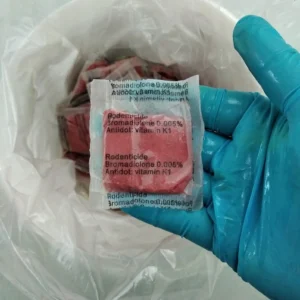
Many rat poisons are persistent, meaning they don’t break down quickly in the environment. Brodifacoum, for example, can remain toxic in soil for months or years.
The potential for bioaccumulation means these chemicals can build up in the food chain. A poisoned rat eaten by a hawk, which is then eaten by a larger predator, concentrates the toxin at each level.
Even “expired” rat poison is still toxic. The bait might be less attractive to rats, but the poison itself remains dangerous.
Where to Find Hazardous Waste Disposal Programs
Most communities offer several options for disposing of household hazardous waste, including rat poison.
Municipal hazardous waste collection days are the most common option.
Many cities and counties hold these events 1 to 4 times per year where residents can drop off chemicals, pesticides, paint, batteries, and other hazardous materials for free.
Permanent hazardous waste facilities operate year-round in some areas.
These are drop-off centers where you can bring hazardous waste during business hours.
Retail take-back programs exist at some hardware stores or farm supply stores. A few retailers accept unused pesticides and rodenticides for proper disposal, though this is less common than other options.
Mobile collection events send trucks to different neighborhoods on scheduled days.
Check your local government website for schedules.
To find programs in your area, search online for “[your city/county] hazardous waste disposal” or call your local waste management department.
How to Prepare Rat Poison for Disposal
Before taking rat poison to a disposal facility, prepare it properly to ensure safe transport.
Keep poison in its original container if possible.
The label contains important information about the active ingredient and concentration that disposal facilities need.
If the original container is damaged or lost, transfer the poison to a sturdy, sealed plastic container. Label it clearly with “RAT POISON – TOXIC” and list the active ingredient if you know it.
Don’t mix different products in the same container.
Each type of poison should be kept separate.
Seal containers tightly to prevent spills during transport. Use tape to secure lids if needed.
Place containers in a secondary containment, like a plastic bin or cardboard box, for transport.
This catches any leaks.
Never transport rat poison loose in your car or in unsealed bags. It could spill and contaminate your vehicle.
What to Do with Used Bait Stations
Bait stations that contained poison need special handling before disposal or reuse.
If the station still contains bait, remove it using gloves and dispose of the bait as hazardous waste along with any unused poison.
Clean empty bait stations thoroughly with soap and water if you plan to reuse them. Make sure all traces of poison are removed.
Disposable bait stations (usually plastic boxes that aren’t meant to be reused) should be cleaned and can then go in regular trash in most areas, but check local regulations first.
Permanent, reusable bait stations made of metal or heavy-duty plastic can be kept for future use after cleaning.
Don’t assume an empty bait station is safe. Residual poison might still be present even if you can’t see it.
Dead Rats and Contaminated Materials Need Proper Disposal
Dead rats and materials contaminated with rat poison also need proper disposal.
Dead rats should be double-bagged in plastic bags and can usually go in regular household trash in most jurisdictions. Wear gloves when handling them.
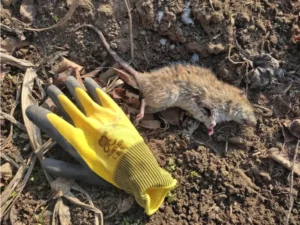
In some areas, dead animals must be disposed of separately. Check local regulations about animal carcass disposal.
Materials contaminated with poison (gloves you used, paper towels, cleaning rags) should be sealed in plastic bags and disposed of with household trash after the poison itself has been properly disposed of.
Don’t flush dead rats down toilets. This can clog plumbing and contaminate water systems.
If you have a large number of dead rats, contact your local sanitation department or a professional pest control company for guidance on bulk disposal.
Never Pour Poison Down Drains or Toilets
Flushing rat poison down drains is one of the worst disposal methods and is illegal in many places.
Poison poured into sinks, toilets, or storm drains enters the water system. Municipal water treatment plants aren’t designed to remove these chemicals completely.
Even small amounts of poison entering waterways can harm aquatic life. Fish, frogs, and other animals are extremely sensitive to rodenticides.
Poison in storm drains goes directly into rivers, lakes, or oceans without any treatment. This creates immediate environmental contamination.
Plumbing systems aren’t designed to handle solid bait blocks or pellets. You could cause clogs that require expensive repairs.
If you’ve already poured poison down a drain, call your local water utility immediately and report it. They need to know what chemical entered the system.
Don’t Throw Rat Poison in Regular Trash
Regular trash disposal seems convenient but creates serious hazards.
Poison in trash cans can be accessed by children, pets, or wildlife before the trash is collected. Raccoons, dogs, and other animals commonly tear into trash bags.
Garbage trucks compact trash, which can break open containers and spread poison throughout the load.
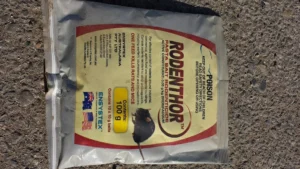
Landfills aren’t designed to contain toxic chemicals. Poison can leach into groundwater as rain percolates through buried trash.
Some rat poisons contain enough toxic material that even small amounts qualify as hazardous waste under the Resource Conservation and Recovery Act (RCRA). Putting them in regular trash violates federal law.
Waste management workers could be exposed to poison during collection or processing if containers break.
Never Burn Rat Poison
Burning rat poison releases toxic fumes and is extremely dangerous.
When rat poison burns, the active ingredients vaporize and become airborne. Inhaling these fumes can cause poisoning.
Some rat poisons contain ingredients that produce even more toxic compounds when burned. For example, burning zinc phosphide creates phosphine gas, which is deadly.
Smoke from burning poison can travel on the wind and expose people or animals far from the fire.
Ash from burned poison still contains concentrated toxins. Rain can wash these toxins into soil and water.
In many areas, burning hazardous waste is a criminal offense that can result in fines or arrest.
How To Dispose of Large Quantities Of Rat Poison
If you have bulk quantities of rat poison (like a 50-pound bucket), disposal requires extra planning.
Most hazardous waste collection events accept residential quantities (typically up to 50 pounds or 5 gallons per household).
For larger amounts, you might need to contact a commercial hazardous waste disposal company. These companies charge fees based on the amount and type of waste.
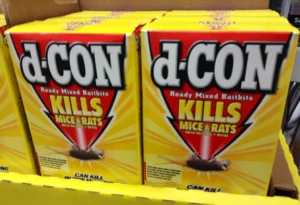
Agricultural operations or farms with large quantities might have access to agricultural chemical disposal programs. Contact your local cooperative extension office for information.
Never try to get rid of large quantities by using them all at once in one area. This creates extreme poisoning risks to wildlife and pets.
If you’re a business or professional pest control company, you’re required by law to use licensed hazardous waste haulers for disposal. Keep records of all disposal for regulatory compliance.
State and Local Regulations Matter
Disposal requirements vary by location, so it’s important to check local rules.
Some states classify all rat poison as hazardous waste. Others only regulate certain types or quantities.
California has some of the strictest regulations. Second-generation anticoagulants are heavily restricted, and disposal is tightly controlled.
Rural areas might have fewer disposal options. Residents might need to travel to a central collection facility or wait for annual collection events.
Urban areas typically have more frequent disposal opportunities and more permanent facilities.
Check your state environmental protection agency website for specific guidance. Many states have searchable databases of hazardous waste disposal locations.
What to Do If You Can’t Find a Disposal Option
If there’s no hazardous waste program in your area, you have a few alternatives.
Contact the manufacturer of the rat poison. Some companies have take-back programs or can direct you to disposal options.
Call a professional pest control company. They might accept small quantities of unwanted poison for a fee and dispose of it with their own hazardous waste.
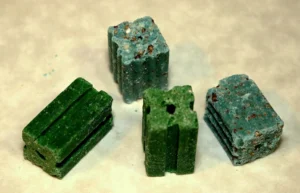
Check with veterinary clinics or animal hospitals. Some accept small amounts of pet-related chemicals for disposal.
As a last resort, store the poison safely until a disposal option becomes available. Keep it locked in a cool, dry place away from children, pets, and food.
Never resort to illegal disposal methods just because proper disposal is inconvenient. The environmental and legal consequences aren’t worth it.
What Are The Costs of Proper Disposal?
In most cases, proper disposal of household quantities of rat poison is free or very low cost.
Municipal hazardous waste collection events are usually free for residents. You might need to show ID proving residency.
Permanent drop-off facilities often charge small fees, typically $5 to $20 for household quantities.
Commercial disposal services for large quantities can cost $100 to $500 or more depending on the amount and type of poison.
The cost of proper disposal is minimal compared to the fines for illegal disposal, which can be hundreds or thousands of dollars.
It’s also far cheaper than dealing with a poisoned pet, which can cost thousands in veterinary bills, or environmental cleanup, which can cost tens of thousands.
How To Prevent Future Disposal Problems
The best way to avoid disposal challenges is to only buy what you need.
Purchase rat poison in small quantities that you’ll use completely. Don’t buy in bulk unless you have an ongoing rat problem.
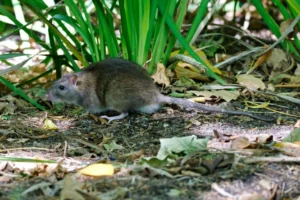
Check expiration dates and use poison before it goes bad. This reduces waste.
Consider alternatives to poison like traps or exclusion work. These don’t create hazardous waste disposal issues.
If you use poison regularly, establish a relationship with a pest control professional who handles disposal as part of their service.
Store poison properly to extend its shelf life and reduce waste from expired product.
The Environmental Impact of Wrong Disposal
The consequences of improper rat poison disposal extend far beyond your immediate property.
Poison that enters waterways accumulates in fish and other aquatic organisms. Birds of prey that eat poisoned fish can die from secondary poisoning.
Soil contamination from dumped or buried poison persists for years. Plants can absorb these chemicals, entering the food chain at the ground level.
Groundwater contamination affects drinking water supplies. Even if treatment plants remove some toxins, complete removal isn’t guaranteed.
Wildlife populations, especially raptors and predators, have declined in some areas due to widespread rodenticide contamination.
Proper disposal prevents your small amount of poison from contributing to these larger environmental problems.
What Are The Legal Consequences of Wrong Disposal?
Violating hazardous waste disposal laws can result in serious penalties.
Federal law (RCRA) regulates hazardous waste disposal. Violations can result in fines of up to $25,000 per day per violation for individuals.
State laws often impose additional penalties. Some states treat improper pesticide disposal as a criminal offense.
If your improper disposal causes environmental damage, you could be liable for cleanup costs, which can be extremely expensive.
Illegal dumping that harms wildlife might violate endangered species laws if protected animals are affected.
Even if you’re not caught immediately, environmental contamination can be traced back to sources. Investigators use chemical analysis to identify responsible parties.
What Retailers and Manufacturers Should Do
Stores that sell rat poison and manufacturers have responsibilities too.
Retailers should provide information about proper disposal at the point of sale. Including a disposal information sheet with purchases helps.
Some manufacturers operate take-back programs. Customers can return unused product for proper disposal.
Sellers should train staff to answer basic disposal questions and direct customers to local hazardous waste programs.
Manufacturers should design packaging with clear disposal instructions on the label.
Advocacy for better municipal disposal programs benefits both consumers and the environment.
Conclusion
Rat poison must be disposed of through hazardous waste collection programs, not in regular trash, down drains, or by burning.
Contact your local waste management authority to find collection events or permanent drop-off facilities in your area.
Most residential disposal is free or very low cost and protects children, pets, wildlife, and the environment from accidental poisoning.
Prepare poison for disposal by keeping it in its original container or transferring it to a clearly labeled, sealed container
Transport it carefully in a secondary container to prevent spills.
Never mix different products together, and include any contaminated materials or bait stations with poison residue.
Improper disposal creates serious environmental problems including water contamination, wildlife poisoning, and soil pollution.
It’s also illegal under federal and state laws, with penalties ranging from fines to criminal charges.
The small effort required for proper disposal is worth it to prevent these consequences and ensure rat poison doesn’t harm anything except the rats it was intended for.

Hi, my name is Ezra Mushala, i have been interested animals all my life. I am the main author and editor here at snakeinformer.com.