
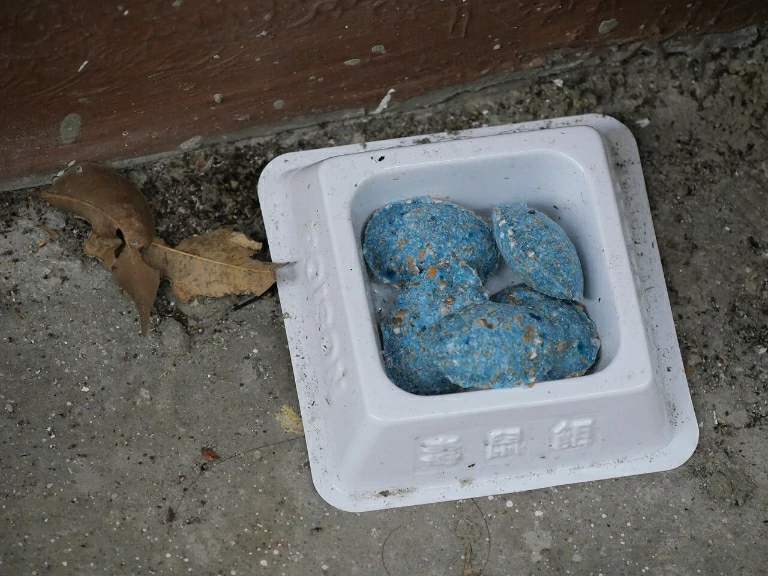
If you’ve had rat poison sitting in your garage or shed for a while, you might wonder if it’s still good to use. Like most chemical products, rat poison doesn’t last forever, and using expired poison can be ineffective and wasteful.
Understanding how long rat poison stays potent helps you get the most out of your purchase and ensures you’re actually killing rats, not just feeding them. So how long does rat poison take to expire?
Most rat poisons last 1 to 3 years from the manufacture date when stored properly in a cool, dry place. The active ingredient remains stable for years, but the bait materials (grains, fats, and attractants) break down over time, making the poison less appealing to rats even if it’s still technically toxic.
The expiration isn’t usually about the poison becoming harmless. It’s about the bait losing its effectiveness at attracting and being eaten by rats.
Old bait might still be toxic if a rat eats it, but rats probably won’t eat it.
What “Expiration” Means for Rat Poison
Expiration dates on rat poison work differently than expiration dates on food. The poison doesn’t suddenly become useless on a specific date.
The active ingredient (like brodifacoum or bromadiolone) is chemically stable and can remain toxic for many years, even decades, under the right conditions.
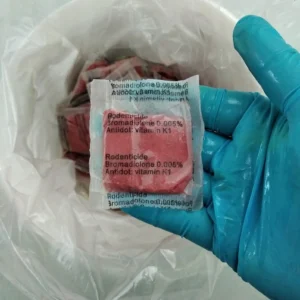
What actually expires is the bait matrix, the food-based ingredients that make rats want to eat the poison. Grains go stale, fats go rancid, and preservatives lose effectiveness.
When the bait becomes stale or rancid, rats can smell that something’s wrong with it. They’re cautious eaters and will avoid food that doesn’t smell right.
So expired rat poison isn’t necessarily safe or non-toxic. It’s just less likely to work because rats won’t eat it anymore.
Typical Shelf Life by Product Type
Different forms of rat poison have different shelf lives based on their ingredients and how they’re packaged.
| Rat Poison Type | Typical Shelf Life |
|---|---|
| Block baits | 2–3 years |
| Pellet baits | 1–2 years |
| Place packs | 2–3 years sealed |
| Liquid baits | 6 months–1 year |
| Tracking powder | 2–4 years |
Block baits typically last the longest, around 2 to 3 years. The wax coating protects the ingredients from moisture and air, which slows breakdown.
Pellet baits have a shorter shelf life, usually 1 to 2 years. They have more surface area exposed to air, which speeds up the degradation of fats and grains.
Place packs can last 2 to 3 years if the packaging stays sealed. Once opened, they should be used within a few months.
Liquid baits have the shortest shelf life, often just 6 months to 1 year. Water-based formulas are prone to bacterial growth and chemical breakdown.
Tracking powder can last 2 to 4 years because it’s mostly inert powder with just a small amount of active ingredient. There are no food ingredients to go bad.
How Storage Conditions Affect Expiration
Where and how you store rat poison has a huge impact on how long it remains effective.
Cool temperatures slow down chemical breakdown. Storing poison in a climate-controlled area extends its shelf life significantly.
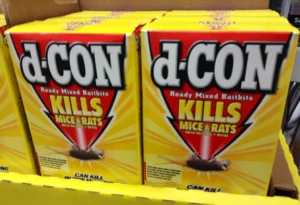
Heat accelerates degradation. Poison stored in a hot garage or shed will expire faster than poison stored in a cool basement.
Humidity is the enemy of rat poison. Moisture causes blocks to crumble, pellets to clump, and mold to grow on the bait materials.
Direct sunlight breaks down both the active ingredient and the bait matrix. UV rays degrade chemicals and cause fats to go rancid faster.
Proper storage means keeping rat poison in its original sealed container in a cool (below 80°F), dry, dark location. A locked cabinet in a basement or garage works well.
Signs Your Rat Poison Has Expired
You can often tell if rat poison is no longer good just by looking at it and smelling it.
Mold growth is the most obvious sign. If you see fuzzy spots (white, green, or black) on blocks or pellets, the poison is done. Don’t use it.
Rancid smell means the fats in the bait have gone bad. It’ll smell sour, musty, or just generally off. Rats definitely won’t eat rancid bait.
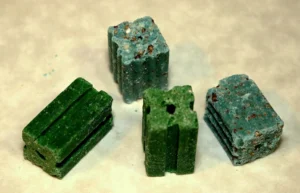
Crumbling or powdery texture in blocks means moisture got in and broke down the wax binder. The poison might still work, but it’s harder to use and less attractive to rats.
Clumping in pellets indicates moisture exposure. When pellets stick together or turn into a solid mass, they’re not fresh anymore.
Discoloration can be a sign of chemical breakdown. If the bait was bright blue and now it’s faded or brownish, it’s probably past its prime.
Does the Active Ingredient Actually Go Bad?
The active ingredient in rat poison is remarkably stable compared to the bait ingredients.
Anticoagulants like brodifacoum and bromadiolone are synthetic chemicals designed to be stable. Under normal storage conditions, they can remain toxic for 5 to 10 years or even longer.
Heat can break down some active ingredients over time, but it takes sustained high temperatures (above 100°F) for months or years.
Light exposure affects some chemicals more than others. Bromethalin, for example, is more sensitive to light than anticoagulants.
The concentration of the active ingredient is so low (usually 0.005% to 0.075%) that even if some of it breaks down, there’s often still enough left to be effective.
The real problem isn’t the active ingredient going bad. It’s that rats won’t eat the bait because the food components have degraded.
Unopened vs. Opened Rat Poison
Whether the poison has been opened makes a big difference in how long it lasts.
Unopened containers keep air, moisture, and contaminants out. Sealed poison can easily last until the printed expiration date, sometimes longer.
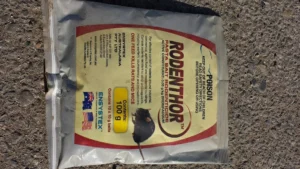
Once you open a container, you expose the poison to air and humidity. This starts the degradation process even if you reseal it.
Resealable bags or containers with tight lids help extend the life of opened poison, but it still won’t last as long as unopened product.
Once opened, try to use rat poison within 6 months to 1 year for best results. After that, effectiveness starts dropping noticeably.
What Happens If You Use Expired Rat Poison?
Using old rat poison isn’t dangerous to you (it’s still toxic), but it probably won’t work very well.
Rats are smart and cautious. If the bait smells or tastes wrong, they’ll avoid it completely. You’ll waste time and money putting out bait that rats won’t touch.
Even if rats nibble on expired bait, they might not eat enough to get a lethal dose. Stale bait isn’t as palatable, so rats take a few bites and leave.
You could end up with bait shyness if rats associate your bait stations with unpleasant-tasting food. This makes it harder to poison them even when you put out fresh bait later.
In some cases, expired poison still works fine if it’s been stored well and doesn’t show signs of degradation. It’s hit or miss.
How to Extend the Shelf Life of Rat Poison
If you want your rat poison to last as long as possible, follow these storage tips.
Keep it in the original container. The packaging is designed to protect the product from light, air, and moisture.
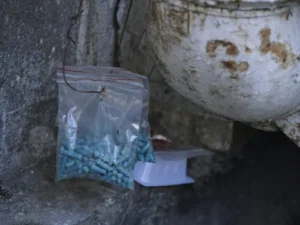
Store in a cool location. Basements, climate-controlled garages, or utility rooms work better than hot attics or sheds.
Use airtight containers if you need to transfer the poison. Sealed plastic bins with tight lids help keep moisture out.
Don’t store near chemicals or solvents. Some fumes can contaminate the bait and change its smell, making it less attractive to rats.
Keep it away from areas with high humidity like bathrooms or damp crawl spaces.
Rotate your stock. Use older poison first and keep newer products in reserve. This prevents you from accidentally using poison that’s been sitting for years.
Manufacturer Expiration Dates vs. Real-World Shelf Life
The expiration date printed on rat poison is a conservative estimate. Products often remain effective longer than the date suggests.
Manufacturers test their products under controlled conditions and set expiration dates with a safety margin built in. This protects them from liability.
In real-world conditions, if you store poison properly, it might last 6 months to 1 year beyond the printed date.
However, relying on expired poison is risky. If rats don’t eat it, you’ve wasted time and allowed the infestation to grow.
When in doubt, buy fresh poison. It’s not expensive enough to justify the risk of using questionable old product.
Different Active Ingredients, Different Stability
Not all rat poisons age the same way. The active ingredient affects how long the product stays potent.
Anticoagulants (brodifacoum, bromadiolone, diphacinone) are very stable. They’re the least likely to break down even after years of storage.
Bromethalin is more sensitive to light and heat. It can degrade faster if not stored in cool, dark conditions.
Cholecalciferol (vitamin D3) is fairly stable but can break down when exposed to air and moisture over time.
Zinc phosphide is less stable than anticoagulants. It reacts with moisture to release phosphine gas, which is the toxic component. Over time, this reaction can happen even in storage, reducing effectiveness.
Can You Test If Rat Poison Is Still Good?
There’s no simple home test to check if rat poison is still effective, but you can make educated guesses.
Visual inspection is your first step. If the bait looks, smells, and feels normal (no mold, no rancid smell, no crumbling), it’s probably okay.
A practical test is to put out a small amount and see if rats eat it. If they avoid it completely, that’s a sign it’s expired or contaminated.
You could send a sample to a lab for analysis, but that’s expensive and not practical for most people. It costs more than just buying fresh poison.
When in doubt, throw it out. Old poison isn’t worth the risk of a failed control program.
How Long Does Deployed Bait Last in Stations?
Once you put rat poison in bait stations, it doesn’t last as long as poison sitting in storage.
Indoor bait stations in dry, stable environments can keep bait fresh for 2 to 4 months. The station protects it from most environmental factors.
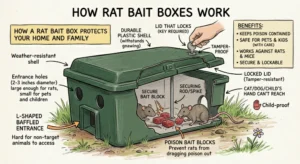
Outdoor bait stations expose the poison to temperature swings, humidity, and possibly rain or snow. Bait might only stay fresh for 2 to 6 weeks outdoors.
Check bait stations every 1 to 2 weeks. Replace any bait that looks moldy, crumbled, or discolored.
If rats haven’t touched the bait in 2 weeks, it’s either in the wrong location or the bait has gone bad. Try fresh bait or move the station.
Proper Disposal of Expired Rat Poison
You can’t just throw old rat poison in the trash or pour it down the drain. It’s hazardous waste and needs proper disposal.
Check with your local waste management authority. Many areas have hazardous waste collection days or drop-off locations.
Some hardware stores or pest control companies accept old pesticides for disposal. Call ahead to see if they offer this service.
Don’t burn rat poison. This releases toxic fumes and can contaminate the air.
Don’t flush it down the toilet or pour it in the sink. It can contaminate water supplies and harm aquatic life.
Keep expired poison in its original container until you can dispose of it properly. This prevents accidental exposure.
How Professionals Handle Rat Poison Inventory
Professional pest control companies rotate their inventory carefully to avoid using expired products.
They buy in bulk but track purchase dates and expiration dates for every batch. Older product gets used first.
Storage areas are climate-controlled to extend shelf life and maintain product effectiveness.
Expired or questionable product gets disposed of properly and written off as a business expense. They don’t risk their reputation by using old poison.
Professionals usually use products within 6 to 12 months of purchase, well before the expiration date becomes an issue.
Regional Differences in Shelf Life
Climate plays a big role in how long rat poison lasts, and this varies by region.
Hot, humid climates (like the southeastern US) cause faster degradation. Poison might only last 1 to 1.5 years instead of 2 to 3.
Dry climates (like the southwestern US) are better for storage. Poison can last longer because there’s less moisture to cause mold or breakdown.
Cold climates are generally good for storage as long as the poison isn’t exposed to freeze-thaw cycles, which can break down blocks.
Coastal areas have high humidity and salt air, both of which accelerate degradation. Store poison extra carefully in these regions.
Does Freezing Extend Rat Poison Shelf Life?
You might think freezing would preserve rat poison like it does food, but it’s not that simple.
Freezing can actually damage some rat poison formulas. The moisture in the bait can freeze and expand, breaking apart blocks or causing pellets to crumble.
Wax-based blocks might crack when frozen, which exposes the inner bait material to air and moisture when thawed.
The active ingredient isn’t harmed by freezing, but the physical form of the bait can be ruined.
If you live in a cold climate and store poison in an unheated shed, it’ll probably freeze in winter. This isn’t ideal but won’t necessarily ruin it.
Room temperature storage in a dry location is better than freezing for maintaining bait quality.
Buying in Bulk: Pros and Cons
Buying large quantities of rat poison saves money but creates storage challenges.
Bulk purchases cost less per ounce. A 50-pound bucket is cheaper per pound than buying small boxes.
However, most people can’t use 50 pounds of poison before it expires. If you’re only dealing with a few rats, bulk buying leads to waste.
If you have ongoing rat problems or a large property, bulk buying makes sense. You’ll use it before it goes bad.
Split bulk purchases with neighbors or family members if you want the savings without the waste. Just make sure everyone stores their portion properly.
Conclusion
Rat poison typically lasts 1 to 3 years from the manufacture date when stored in a cool, dry place, but the actual shelf life depends on the type of poison, storage conditions, and whether the package has been opened.
The active ingredient stays toxic for many years, but the bait materials (grains, fats, attractants) break down over time, making the poison less appealing to rats even though it’s still technically dangerous.
Check for signs of expiration like mold, rancid smell, crumbling, or discoloration before using old poison. When in doubt, throw it out and buy fresh product. Using expired poison wastes time and money because rats won’t eat bait that smells or tastes wrong.
Store rat poison in its original sealed container in a cool, dry, dark location to maximize shelf life. Rotate your inventory and use older products first to avoid waste.
Proper storage can extend effectiveness beyond the printed expiration date, but relying on old poison is risky when fresh product is affordable and guaranteed to work.

Hi, my name is Ezra Mushala, i have been interested animals all my life. I am the main author and editor here at snakeinformer.com.