
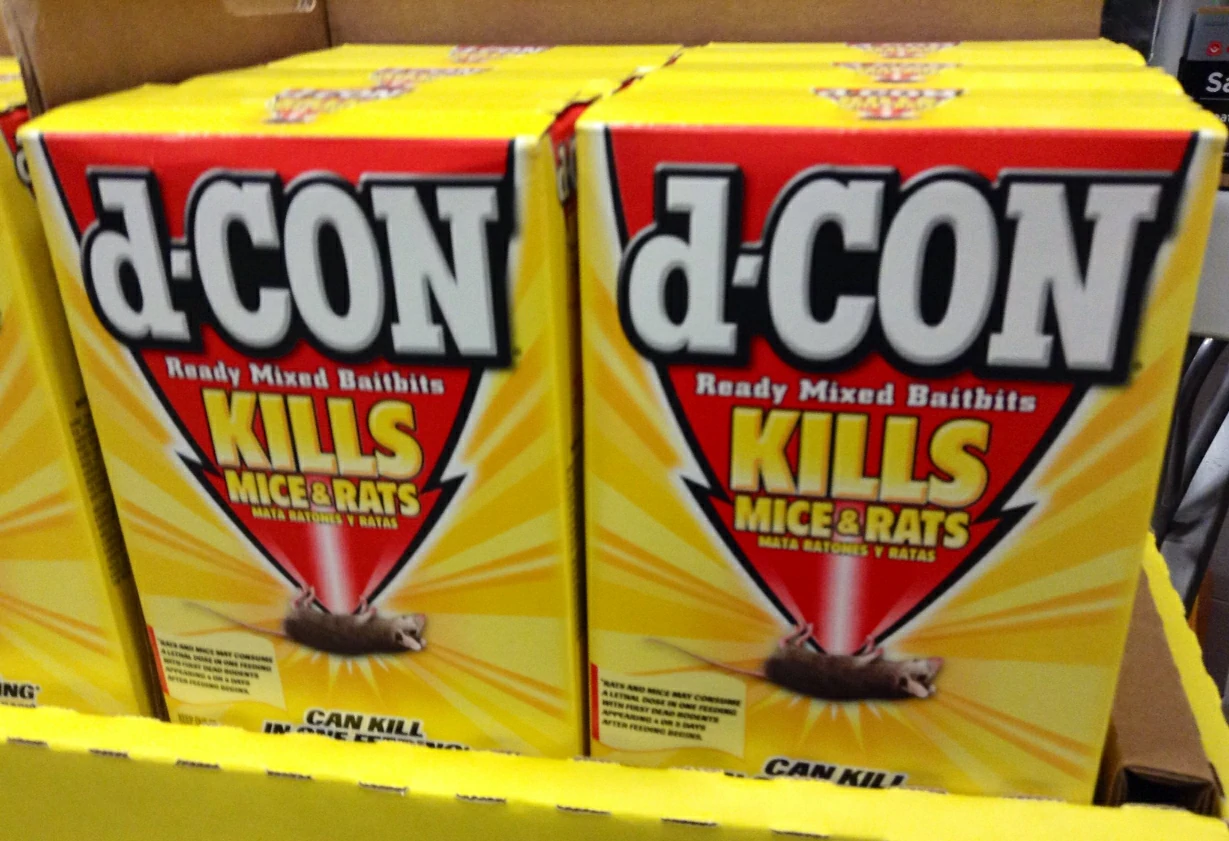
When you’re dealing with a rat problem, you want to make sure the poison you’re using is actually going to work.
Maybe you found an old box in your shed, or you’ve had the same container sitting around for a while. You might be wondering if that poison is still good or if it’s gone bad. Does rat poison go bad?
Yes, rat poison can go bad. The active ingredients break down over time, especially when exposed to moisture, heat, air, and light. The bait material can also become stale, moldy, or rancid, making it less attractive to rats.
When rat poison goes bad, it becomes less effective at killing rats or might not work at all. The breakdown happens gradually, but poor storage conditions can speed it up significantly.
Understanding how rat poison goes bad helps you avoid wasting time and money on a product that won’t solve your rat problem.
What Does “Going Bad” Actually Mean?
When we say rat poison goes bad, we’re talking about two main problems that can happen. Both of these issues make the poison less effective or completely useless.
First, there’s the breakdown of active ingredients. The chemicals that actually kill rats aren’t stable forever. They react with air, moisture, and other things in the environment.
These reactions change the chemical structure, and once that happens, the poison doesn’t work the same way anymore.
Second, there’s the deterioration of the bait material. Most rat poisons use food-based baits like grains, peanut butter, or seeds to attract rats.
These food materials can go stale, grow mold, or become rancid over time. When this happens, rats won’t want to eat the poison no matter how strong the active ingredient still is.
Both of these problems can happen at the same time. You might have poison where the active ingredient has broken down and the bait has gone rancid.
Or you might have one problem without the other. Either way, the poison isn’t going to work as well as it should.
Signs That Rat Poison Has Gone Bad
You can usually tell if rat poison has gone bad by looking at it and smelling it. These physical changes are clear indicators that the poison isn’t good anymore.
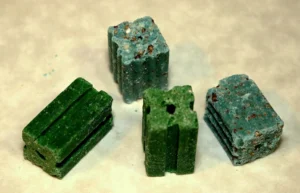
Color changes are one of the most obvious signs. Fresh rat poison has consistent, bright coloring. Most poisons are dyed green, blue, red, or another distinctive color.
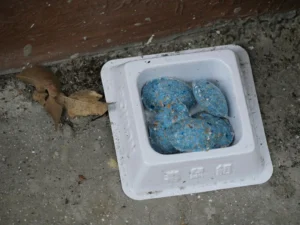
If the poison looks faded, has white patches, or the color is uneven, that’s a sign of chemical breakdown.
The texture can change too. Fresh poison blocks or pellets are firm and hold their shape well. When poison goes bad, the blocks might become crumbly and fall apart easily.
Sometimes they get soft or sticky if moisture has gotten into them. Loose meal baits might clump together instead of staying loose and free-flowing.
Smell is another big indicator. Each type of bait has a characteristic smell. Peanut butter bait smells like peanut butter, grain bait smells like grain.
If the smell has changed to something musty, sour, or just off, the poison has gone bad. You might also smell mold if moisture has been a problem.
Mold is a clear sign the poison is done. If you see any fuzzy growth, white spots that look like mold, or dark discoloration that could be mold, throw the poison away.
Mold means there’s been significant moisture exposure, and both the bait and active ingredients are probably broken down.
How Different Storage Conditions Affect Rat Poison
The way you store rat poison makes a huge difference in how quickly it goes bad. The same poison can last years in good conditions or just months in bad ones.
Heat is one of the biggest enemies of rat poison. High temperatures speed up all chemical reactions, including the ones that break down the active ingredients.
If you store poison in a hot garage or shed where temperatures regularly hit 90 degrees or more, it’ll go bad much faster than the expiration date suggests.
Moisture is probably the worst thing for rat poison. Water reacts with many of the chemicals used in poison formulas. Even high humidity can cause problems.
You don’t need to get the poison directly wet for moisture to ruin it. Just storing it in a damp basement can be enough.

When poison gets wet or absorbs moisture from humid air, several things happen. The active ingredients start breaking down faster.
The bait material can become moldy. The blocks or pellets might fall apart or get mushy. All of these changes make the poison less effective or completely useless.
Sunlight and bright light cause photodegradation. The UV rays in sunlight have enough energy to break chemical bonds in the poison’s molecules.
Even if the poison is in its original packaging, prolonged exposure to bright light can cause it to go bad faster.
Air exposure is a problem once you open the package. Oxygen in the air reacts with the poison’s active ingredients.
This oxidation process is gradual, but it happens continuously once you break the seal. The more often you open the package, the more air exposure the poison gets.
How Long Before Rat Poison Goes Bad?
The timeline for rat poison going bad depends on several factors. There’s no single answer that applies to every situation, but there are general guidelines.
Unopened poison that’s stored properly (cool, dry, dark place) will stay good until its expiration date. Most rat poisons have shelf lives of one to three years from the manufacturing date.
The manufacturer has tested the product to make sure it stays effective that long under proper storage.
Once you open the package, the clock speeds up. Even with good storage, opened rat poison will start losing effectiveness after six months to a year.
By the two-year mark, opened poison has usually degraded significantly, even if it hasn’t reached its expiration date.
Poor storage conditions change everything. Poison stored in a hot, humid place like a garage in summer might go bad in just a few months, whether it’s opened or not. If the poison gets directly wet, it can be ruined within days.
Different types of rat poison have different stability profiles too. Zinc phosphide products go bad the fastest, often within six months even with decent storage.
Anticoagulant poisons are more stable and can last closer to their full shelf life. Bromethalin-based poisons are somewhere in between.
The Bait Material Problem
Even if the active ingredient in rat poison is still good, the poison can fail because the bait has gone bad. This is actually a really common problem that people don’t think about.
Rats are picky eaters. They have excellent senses of smell and taste. If the bait material smells or tastes off to them, they simply won’t eat it.
It doesn’t matter how strong the active ingredient is if the rats refuse to touch the poison.
Grain-based baits can go rancid. The oils in grains break down over time, creating an off smell and taste. This happens faster in warm conditions. A grain bait that smells fine to you might smell terrible to a rat with its sensitive nose.
Peanut butter baits can also go rancid. Peanut butter contains oils that oxidize and break down. Fresh peanut butter smells appealing to rats.
Rancid peanut butter doesn’t. Even if you can barely smell the difference, rats definitely can.
Moisture causes bait to mold. You might not see obvious mold growth, but microscopic mold can still change the smell and taste of the bait. Rats avoid moldy food because eating it could make them sick.
Staleness is another issue. Even without going rancid or moldy, bait materials lose their fresh smell over time.
Think about how crackers get stale. They’re not spoiled, but they don’t taste as good. The same thing happens with rat bait.
Can You Tell If Just the Bait Is Bad?
Sometimes the active ingredient is still good but the bait material has gone bad. This is tricky because the poison looks like it should still work, but rats won’t eat it.
One way to check is to compare old bait to fresh bait if you have both. Put a small amount of each out and see which one rats prefer. If they ignore the old bait but eat the fresh bait right away, you know the problem is with the bait material, not the active ingredient.
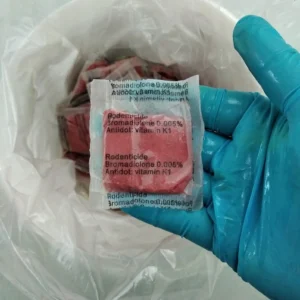
The smell test can help too. Fresh rat poison bait should smell like whatever food it’s made from. If it smells musty, sour, or just different from what you’d expect, the bait has probably gone bad. Trust your nose on this one.
Look at the appearance closely. Sometimes bait that’s gone bad will have a slightly different texture or sheen to it. The surface might look dull instead of fresh.
Grains might look dried out. These subtle changes indicate the bait is past its prime.
If you’ve had the poison sitting around for more than a year, especially if it’s been opened, assume the bait has degraded even if the active ingredient might still be okay. It’s better to buy fresh poison than to waste time with bait that rats won’t eat.
What Happens When You Use Bad Rat Poison?
Using rat poison that’s gone bad leads to several problems. Understanding these helps you see why it’s worth checking if your poison is still good.
The most obvious problem is that it might not work at all. If the active ingredients have broken down significantly, rats can eat the poison without getting a lethal dose.
You’ll waste time thinking you’re solving the problem when you’re really not.
Rats might eat degraded poison and only get slightly sick. They’ll feel bad for a few days but then recover.
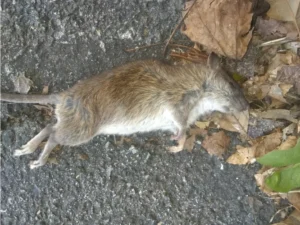
This is worse than if they just ignored the poison completely, because now you’ve taught them to avoid that type of bait. This bait shyness makes future poisoning attempts much harder.
Bad poison can also lead to a false sense of security. You put out the poison, check it, and see that rats have been eating it. You think you’re winning. But days turn into weeks, and you’re still seeing rats. Meanwhile, they’re continuing to breed and cause damage.
If the bait has gone bad but the active ingredient is still somewhat potent, you create another problem. Rats might nibble at the poison occasionally because they’re hungry, but they don’t like how it tastes or smells.
They get small doses of poison over and over without getting a lethal amount. This can lead to resistance in some cases.
Money gets wasted too. You paid for poison that doesn’t work. Then you have to turn around and buy fresh poison anyway.
You might as well have thrown the bad poison away and started with fresh product in the first place.
Proper Storage to Prevent Rat Poison From Going Bad
The best way to deal with rat poison going bad is to prevent it from happening. Proper storage makes a huge difference in how long poison stays effective.
Always keep rat poison in its original packaging until you’re ready to use it. The manufacturer designed this packaging to protect the poison from environmental factors.
The packaging blocks light, minimizes air exposure, and provides some moisture protection.
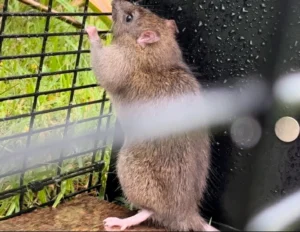
Store poison in a cool place. Room temperature or cooler is ideal. A closet inside your climate-controlled house is perfect. Avoid garages, sheds, basements, or attics where temperatures fluctuate a lot or get really hot.
Keep the poison dry. This is critical. Choose a storage location where humidity stays relatively low. If your basement tends to be damp, that’s not the right place. A dry closet or cabinet is much better.
Store in the dark. Light, especially sunlight, causes chemical breakdown. Keep poison in a cabinet or closet where it’s not exposed to light.
If you have to store it somewhere with light, keep it in its original box.
Seal opened packages tightly. If you’ve opened a package and have leftover poison, seal it as well as possible. Put the entire package inside a zip-top freezer bag or an airtight container. Squeeze out excess air before sealing.
Keep poison away from other chemicals. Some chemicals can react with rat poison through their fumes. Don’t store poison near cleaners, fertilizers, gasoline, or other reactive substances.
When to Throw Out Rat Poison
Knowing when to dispose of rat poison is important. You don’t want to use ineffective poison, but you also don’t want to waste product that’s still good.
Always throw out poison that’s past its expiration date. Even if it looks fine, the manufacturer can’t guarantee its effectiveness past that date. The difference between fresh and expired poison isn’t worth the risk of the expired poison not working.
If you see any mold on the poison, throw it out immediately. Mold means moisture has gotten in and the poison is compromised.
Don’t try to pick off the moldy parts and use the rest. The mold you see is just the visible part. There are microscopic mold spores throughout.

Toss poison that smells bad or rancid. If it smells off to you, it definitely smells bad to rats. They won’t eat it, so there’s no point keeping it.
Throw away poison that’s changed color significantly. Some fading is normal, but if the color is completely different or has large white patches, the active ingredients have broken down.
If the poison has gotten wet, don’t try to dry it out and use it. Moisture causes irreversible changes to both the active ingredients and the bait material. It’s ruined once it gets wet.
When you can’t remember when you bought or opened the poison, err on the side of caution. If it’s been stored for what feels like a really long time, just replace it with fresh product.
The cost of new poison is less than the cost of wasting time with ineffective old poison.
How to Dispose of Bad Rat Poison Safely
You can’t just throw rat poison in the regular trash, even if it’s gone bad. It’s still toxic enough to harm animals or children who might get into it. Proper disposal is important.
Check with your local solid waste or environmental services department. Most areas have hazardous household waste collection programs.
Rat poison qualifies as hazardous waste, so these programs will accept it.

Many communities have specific collection days or drop-off locations for hazardous waste. Some places have permanent facilities where you can bring hazardous materials any time during business hours.
Never pour rat poison down the drain, toilet, or into storm drains. The poison can contaminate water systems and harm wildlife. This applies even if the poison seems completely broken down or diluted.
Don’t burn rat poison. Burning creates toxic fumes that are dangerous to breathe. This is true for all types of rat poison, whether the active ingredient is still good or not.
If you can’t find a hazardous waste program in your area, seal the bad poison in its original container. Put that container inside a sealed plastic bag.
Then put that inside another sturdy container if possible. Label it clearly as rat poison. Contact your local waste management to ask about disposal options.
Conclusion
Does rat poison go bad? Yes, it definitely does. Both the active ingredients and the bait material can break down over time, making the poison less effective or completely useless.
Heat, moisture, light, and air exposure all contribute to rat poison going bad. Poor storage conditions can ruin poison in just a few months, while proper storage helps it last until its expiration date.
You can tell if poison has gone bad by looking for color changes, texture changes, bad smells, or mold growth. If the poison is past its expiration date or has been stored for a long time in poor conditions, it’s better to replace it than risk using ineffective product.
Proper storage in cool, dry, dark conditions helps prevent poison from going bad prematurely. But when in doubt, throw it out and buy fresh poison. The cost of new product is worth it compared to wasting time with poison that doesn’t work.

Hi, my name is Ezra Mushala, i have been interested animals all my life. I am the main author and editor here at snakeinformer.com.