

Rats are surprisingly good eaters, and when they find a food source they like, they’ll keep coming back until it’s gone. If you’re using poison blocks to control rats, you might wonder how much they actually consume before the poison takes effect.
Understanding this helps you know how much bait to put out and when to expect results. So how many poison blocks can a rat eat?
A single rat can eat anywhere from 1 to 4 poison blocks depending on the block size, the poison’s strength, and how hungry the rat is. With modern second-generation anticoagulants, most rats only need to eat part of one block to get a lethal dose, but they’ll often keep eating if the bait is available.
This means you might see rats consuming more poison than they actually need to die.
They don’t know the bait is poisoned, so they treat it like regular food and keep eating until they’re full or until the poison starts affecting them.
Why Rats Eat More Than One Block
Rats are constantly eating throughout the day and night. An adult Norway rat eats about 10% of its body weight daily, which is roughly 1 to 2 ounces of food.
When you put out poison blocks, rats don’t recognize them as dangerous. Most modern blocks are made to taste good to rats, using ingredients like grains, seeds, and fats that rats naturally like.

If a rat finds a bait station with multiple blocks, it might eat from several of them over the course of a few nights. This happens even though one block contains enough poison to kill it.
The poison doesn’t make rats feel sick right away. Anticoagulants take days to work, so rats keep eating normally until the internal bleeding becomes severe enough to affect them.
How Block Size Affects Consumption
Poison blocks come in different sizes, and this really matters when you’re trying to figure out consumption rates.
Standard blocks are usually 1 ounce (28 grams) each. A rat might eat half of one block in a single feeding, or it might nibble on several blocks over multiple visits.
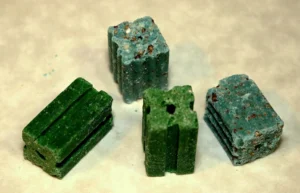
Mini blocks are smaller, around 0.5 ounces (14 grams). Rats can easily eat one or two of these in a single night, especially if they’re really hungry.
Large blocks can be 2 to 4 ounces. These are less common for rats and more often used for larger rodents. A rat might only eat a portion of a large block before getting full.
The actual amount a rat needs to eat to get a lethal dose is tiny compared to how much it can physically consume. This is why rats often eat way more poison than necessary.
Single-Feed vs. Multiple-Feed Poisons
The type of poison in the blocks determines whether rats need to eat once or multiple times to get a fatal dose.
Second-generation anticoagulants like bromadiolone and brodifacoum are single-feed poisons. A rat only needs to eat about 0.1 to 0.5 ounces of bait to get enough poison to die.
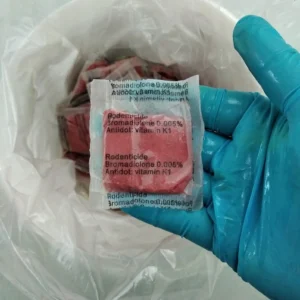
Even though they only need one feeding, rats will usually come back and eat more if the bait is still there. They don’t connect the bait with feeling sick because the symptoms are delayed.
First-generation anticoagulants like warfarin and chlorophacinone are multiple-feed poisons. Rats need to eat the bait over several days or weeks to build up enough poison in their system.
With multiple-feed poisons, rats might eat 1 to 3 blocks per day for 5 to 7 days before they accumulate a lethal dose. This means they consume a lot more total bait.
What Happens After a Rat Eats Poison?
Once a rat eats poison, the timeline of what happens next affects whether it keeps eating or stops.
In the first 24 to 48 hours, the rat feels completely normal. It continues its regular routine, which includes eating more bait if it’s available.
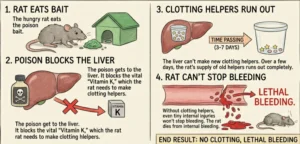
After 2 to 3 days, the poison starts affecting blood clotting. The rat might feel slightly weak or lethargic, but it’s usually still mobile and still eating.
By day 4 to 7, internal bleeding becomes severe. The rat gets weak, stops eating, and starts looking for a quiet place to die. This is when you stop seeing bait consumption from that particular rat.
So a single rat might visit bait stations and eat from blocks for 2 to 4 nights before the poison affects it enough to stop eating.
How Many Rats Are Actually Eating Your Bait?
When you see blocks disappearing, it’s not always just one rat eating a ton of poison. You might have multiple rats feeding from the same station.
Rats are social animals and often travel in groups. If you have a family group or colony, several rats might be hitting the same bait station every night.
This makes it really hard to estimate consumption per rat. You might think one rat ate 4 blocks, but it could’ve been 4 different rats eating one block each.
Checking your bait stations regularly helps you understand consumption patterns. If blocks are disappearing fast, you’ve probably got multiple rats or a heavy infestation.
Bait Station Placement and Consumption Rates
Where you put your bait stations affects how much poison rats eat and how many blocks they go through.
Rats prefer to eat in safe, hidden locations. If you place a bait station along a wall or in a corner where rats naturally travel, they’ll eat more because they feel secure.
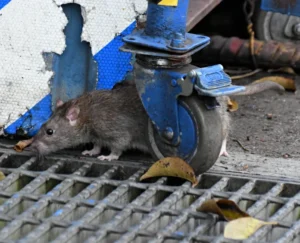
Stations placed in open areas get less activity. Rats are cautious and don’t like being exposed while they eat.
Multiple bait stations spread around an infested area usually work better than one station with lots of blocks. Rats are territorial, and different rats might prefer different feeding locations.
If you only put one or two blocks in a station, rats might eat them completely in one night. If you put 6 to 8 blocks, consumption is spread out over several nights.
Do Rats Share Blocks or Eat Separately?
Rats have a social hierarchy, and this can affect how they interact with poison blocks in a bait station.
Dominant rats eat first and eat more. They’ll push subordinate rats away from food sources, including bait stations.
In a colony, you might have one or two dominant rats that eat most of the poison first. The younger or weaker rats get less access initially.
This is actually helpful for pest control because it means the strongest, most reproductive rats get poisoned first. These are the ones causing the most damage and producing the most offspring.
Once the dominant rats start dying off, the subordinate rats have more access to the bait and start eating more.
This is why bait consumption sometimes increases a week or two into a poisoning program.
What If Rats Stop Eating the Blocks?
Sometimes you’ll notice that rats were eating the blocks, but then consumption suddenly stops even though you know rats are still around.
This can happen if the blocks get wet, moldy, or contaminated. Rats are picky eaters and won’t touch bait that smells off or has changed texture.

Competition from other food sources is another reason. If rats have access to garbage, compost, pet food, or bird seed, they might prefer those over the poison blocks.
Bait shyness is rare with modern anticoagulants, but it can happen if rats associate the bait with getting sick. This is more common with fast-acting poisons that make rats feel bad quickly.
Switching to a different bait formulation sometimes helps. If you’ve been using grain-based blocks, try switching to fish-flavored or nut-based blocks to renew interest.
How to Calculate How Much Bait You Need
Figuring out how many blocks to put out depends on the size of your rat problem and how many bait stations you’re using.
For light infestations (a few rats), start with 2 to 4 blocks per station. Check every few days and refill as needed.
For moderate infestations (signs of rats in multiple areas), use 4 to 6 blocks per station and place stations 15 to 30 feet apart.
For heavy infestations (lots of droppings, damage, and sightings), put 6 to 10 blocks per station and place stations every 10 to 15 feet.
Most rat control programs go through 1 to 3 pounds of bait blocks per week for a typical house or small building. Larger properties or severe infestations can use 10 to 20 pounds or more.
Monitoring Consumption to Track Progress
Keeping track of how many blocks disappear helps you know if your poisoning program is working.
In the first week, consumption is usually high. Rats find the bait and start eating it regularly. You might go through several blocks per station.

In week two, consumption often stays steady or increases as more rats in the colony find the bait stations.
By week three, you should see consumption dropping off. This means rats are dying and the population is declining.
If consumption stays high for more than 3 weeks, you either have a really large infestation, or new rats are moving in from outside.
Preventing Waste and Overfeeding
You don’t want to put out way more blocks than necessary because it’s wasteful and increases the risk of non-target animals finding the poison.
Start with a moderate amount of bait and add more based on actual consumption. It’s better to refill stations more often than to overload them.
Blocks that sit uneaten for more than 2 weeks should be replaced. They might have lost their attractiveness or gotten contaminated.
In bait stations, space blocks out so rats have to work a little to access them all. This slows consumption and makes the bait last longer.
Different Rats, Different Appetites
Not all rats eat the same amount. Age, size, health, and species all affect how much poison a rat consumes.
Adult Norway rats are bigger and eat more than roof rats. A large Norway rat might eat a full ounce block in one sitting, while a smaller roof rat might only eat half.

Pregnant or nursing female rats eat more than males or non-breeding females. They need extra calories to support their litters.
Young rats are smaller and eat less per feeding, but they feed more frequently. They might nibble on blocks multiple times per night.
Sick or weak rats eat less overall. If your rat population includes older or diseased individuals, consumption rates might be lower than expected.
Safety Concerns with Over-Consumption
When rats eat way more poison than they need, it increases the concentration of poison in their bodies. This can create problems for other animals.
If a cat, dog, or bird of prey eats a rat that consumed multiple blocks, the secondary poisoning risk is higher. The rat’s body contains more poison, which means more gets transferred.
This is why many experts recommend using just enough bait to control the population without flooding the area with poison.
Tamper-resistant bait stations help control how much bait is available at once. Rats can access it, but they can’t drag blocks out and hoard them elsewhere.
How Weather Affects Block Consumption
Temperature and humidity change how attractive poison blocks are to rats and how much they eat.
In cold weather, rats need more calories to stay warm. They eat more overall, which means they’ll consume more poison blocks if they’re available.

Hot weather can make blocks dry out and become less appealing. Rats might eat less because the bait is hard and doesn’t smell as strong.
Humidity makes blocks moldy or causes them to crumble. Rats usually won’t touch blocks that have visible mold or smell bad.
Keeping bait stations in protected areas helps maintain block quality and keeps consumption rates consistent regardless of weather.
When to Stop Putting Out Blocks
You’ll know it’s time to stop or reduce bait when consumption drops to near zero and you’re not seeing any signs of rat activity.
Check for fresh droppings, gnaw marks, and tracks. If you’re not seeing any new evidence for a week or more, the infestation is probably under control.
Some people keep bait stations active year-round with just one or two blocks as a preventive measure. This catches any new rats before they can establish a colony.
If you’re seeing consumption start up again after it had stopped, you’ve got new rats moving in. This is common in areas with high rat populations or lots of food sources.
Conclusion
A single rat can eat anywhere from 1 to 4 poison blocks depending on block size, hunger level, and poison type, but modern anticoagulants usually only require a rat to eat a portion of one block to get a lethal dose.
Rats keep eating because they don’t associate the bait with danger, and the delayed action of the poison means they feel fine for the first few days.
Monitoring consumption helps you understand how big your rat problem is and whether your control program is working. High consumption in the first week or two is normal, but it should drop off as rats die and the population declines.
Remember that multiple rats might be feeding from the same bait station, so what looks like one rat eating four blocks could actually be four rats eating one block each.
Proper station placement and regular monitoring give you the best results without wasting bait or increasing risks to non-target animals.

Hi, my name is Ezra Mushala, i have been interested animals all my life. I am the main author and editor here at snakeinformer.com.