
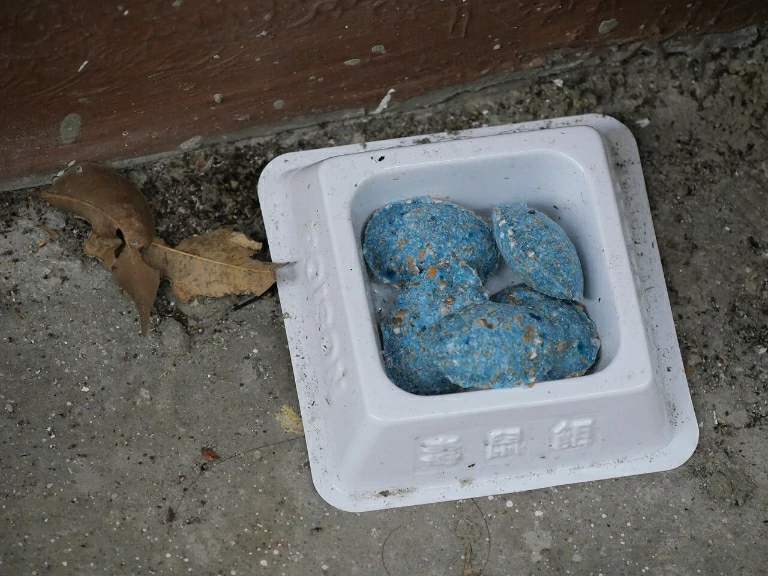
You’ve set out rat poison exactly like the instructions said. You placed it in areas where you know rats are active. But weeks have gone by, and the rats are still there.
You can still hear them in the walls, see their droppings, and maybe even spot them running around at night. So why is your rat poison not killing the rats?
Rat poison might not be killing the rats because they’ve developed resistance to the poison, they’re not eating enough of it to reach a lethal dose, they’re finding other food sources, the poison is old and has lost potency, or you’re dealing with a species that’s naturally less susceptible to that type of poison.
There are several reasons why rat poison fails, and understanding what’s going wrong is the first step to actually solving your rat problem.
Sometimes it’s not the poison that’s the issue. It’s how you’re using it or what you’re up against.
Rats Have Developed Resistance to Some Poisons
One of the biggest reasons rat poison doesn’t work is resistance. Rats in many areas have evolved to survive poisons that used to kill them easily.
This is especially true for first-generation anticoagulants like warfarin.

When poison is used repeatedly in an area over many years, the rats that happen to have genes that make them less sensitive to the poison survive and breed.
Over time, you end up with entire populations of rats that can eat the poison without dying.
This resistance is most common with older anticoagulant poisons, but it’s starting to show up with newer ones too in some areas.
If you’re using the same type of poison that’s been used in your neighborhood for years, there’s a good chance the local rats are resistant to it.
The Rat Population May Be Bigger Than You Think
One reason it can seem like rat poison isn’t working is that there may be more rats around than you realize.
Rats are very good at staying hidden, and you usually only see a small part of the population.
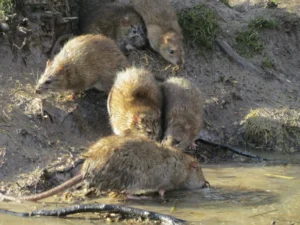
You might see one or two rats running around at night and assume that’s all of them. In reality, there could be other rats staying inside walls, under floors, in attics, or outside around the property.
This means seeing another rat after using poison doesn’t necessarily mean nothing has changed.
There may be fewer rats than before, but there are still enough left for you to notice them.
The Rats Aren’t Eating Enough Poison
Most rat poisons don’t kill instantly. They’re designed to work slowly, which means a rat needs to eat the poison multiple times over several days to consume a lethal dose.
If rats are only nibbling tiny amounts of your poison, they might not be getting enough to die. They might take a bite, feel fine, and then go eat something else.
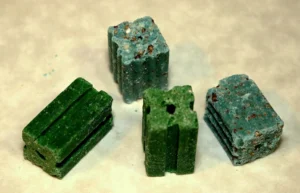
They’ll never reach the dose needed to kill them.
This happens a lot when rats have access to other, more appealing food sources.
f your garbage cans are full, pet food is left out, or there’s bird seed scattered around, rats will fill up on that instead of eating enough poison.
Neophobia Is Making Rats Avoid Your Bait
Rats are naturally suspicious of new things in their environment. This behavior is called neophobia, and it’s a survival instinct.
When you first put poison out, rats might avoid it completely just because it’s unfamiliar.
It can take several days or even a week before rats feel comfortable enough to try the bait. Some rats never do. They’ll stick to food sources they already know are safe.
This is why pest control professionals often use pre-baiting. They put out regular, non-poisoned food first to get rats used to feeding in that spot.
Once the rats are eating reliably, they swap in the poison.
You’re Using the Wrong Type of Poison for Your Rats
Not all rat poisons work equally well on all rodent species. Some poisons are more effective on Norway rats, while others work better on roof rats or mice.
If you’re dealing with a species that’s less susceptible to the type of poison you’re using, you might not see results.
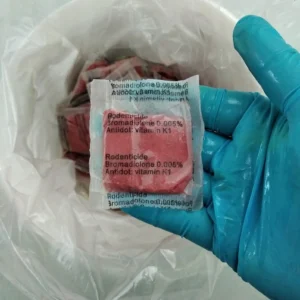
For example, some populations of roof rats have shown resistance to certain anticoagulants that still work fine on Norway rats.
You might also be dealing with mice instead of rats, or vice versa. Mice need smaller doses but they’re pickier eaters. Rats need larger doses but they’ll eat a wider variety of baits. Using mouse poison on rats often doesn’t work because the dose is too small.
The Poison Is Old and Has Lost Its Potency
Rat poison doesn’t last forever. Over time, the active ingredients break down, especially if the poison is exposed to heat, moisture, or sunlight.
Old poison might smell and look fine, but it’s not strong enough to kill anymore.

Most rat poisons have a shelf life of 2 to 3 years when stored properly. If you’re using poison you found in your garage from years ago, it might be expired and useless.
Even fresh poison loses effectiveness once you put it out.
Weather Can Change the Bait
Weather doesn’t just affect how long poison lasts. If it gets wet from rain or humidity, sits in extreme heat, or is exposed to UV light, it degrades faster.
A bait that was dry and appealing when it was new can become soft, crumbly, moldy, or dried out after being exposed to the elements.
After a few weeks outside, the poison might be too weak to work.
Rats Are Eating the Poison But Dying Where You Can’t See Them
Sometimes the poison is actually working, but you don’t realize it because the rats are dying in hidden locations. Rats that eat poison don’t always drop dead right next to the bait station.
They might crawl into wall voids, attics, crawl spaces, or burrows outside before they die. You won’t see the bodies, so it seems like the poison isn’t working.
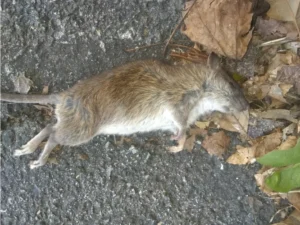
Meanwhile, the rat population is actually declining.
The only way to know for sure is to monitor the bait. If rats are eating the poison (you can tell because the bait blocks will have gnaw marks and chunks missing), then it’s working. If the bait sits untouched week after week, that’s when you know rats aren’t eating it.
New Rats Can Keep Appearing After Poisoning
Even if poison reduces the number of rats on your property, it doesn’t create an invisible barrier around your home. Other rats can move into an area when food, water, and shelter are available.
This is especially common in neighborhoods where several properties have the same rat problem.
Removing a few rats from one property doesn’t necessarily stop other rats from coming in from somewhere nearby.
That’s why seeing rats again doesn’t always mean the original poison failed. You may be dealing with a continuing source of rats rather than the exact same animals you saw before.
Other Animals Are Eating Your Rat Poison Instead of Rats
If you’re putting poison outside, there’s a chance that other animals are eating it instead of rats. Squirrels, chipmunks, raccoons, opossums, and even birds might be consuming the bait.
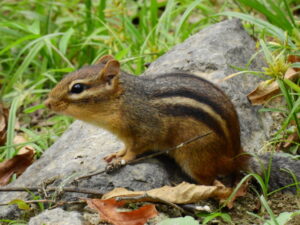
This doesn’t just waste your poison. It also puts non-target animals at risk and means the actual rats aren’t getting poisoned. You might see the bait disappearing and think it’s working, but it’s really being eaten by wildlife.
Using tamper-resistant bait stations helps with this problem. These stations have small entrances designed for rats and mice, making it harder for larger animals to access the poison inside.
You’re Not Using Enough Bait Stations
One or two bait stations aren’t enough if you have a serious rat infestation. Rats are territorial, and dominant rats might guard food sources, preventing younger or subordinate rats from eating.
You need multiple bait stations placed throughout the areas where rats are active. This increases the chances that every rat in the population will find and eat poison.
Experts recommend placing bait stations every 15 to 30 feet along walls and in areas with high rat activity. If you only have one station in your garage, you’re probably not reaching all the rats in and around your home.
The Bait Isn’t Fresh or Appealing Anymore
Rats are picky eaters, and they prefer fresh food. If your poison bait has been sitting out for weeks, it might’ve gotten stale, moldy, or dried out.
Rats won’t eat it if it doesn’t smell and taste good.
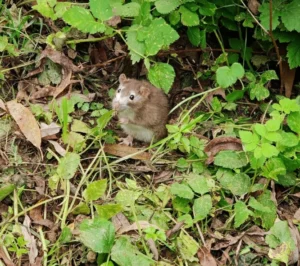
Check your bait regularly and replace it every few weeks, even if it hasn’t all been eaten. Fresh bait is more likely to attract rats and keep them coming back.
Some baits also lose their scent over time. Since rats rely heavily on smell to find food, a bait that no longer smells appealing won’t work.
You Haven’t Removed Competing Food Sources
This is one of the most common mistakes people make. You can put out the best rat poison in the world, but if rats have access to regular food sources, they’ll ignore the poison.
Rats will always choose familiar, safe food over something new. If your trash cans aren’t sealed, pet food is left out overnight, or you have fruit trees dropping food on the ground, rats will eat that instead.
You need to remove or secure all other food sources before rat poison will work effectively. Clean up food spills, store garbage in sealed containers, bring pet food indoors at night, and pick up fallen fruit.
Why Rat Poison Doesn’t Work and What to Do Instead
If you’ve tried poison and it’s not working, it might be time to switch strategies. Poison isn’t the only way to deal with rats, and in some cases, it’s not even the best way.
Snap traps and electronic traps kill rats instantly and let you confirm that you’re actually catching them. You’ll know right away if your efforts are working because you’ll see dead rats.
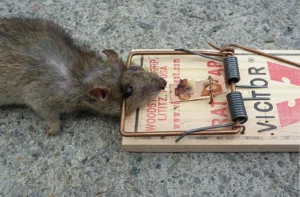
Exclusion is another highly effective method. This means sealing up all the holes, gaps, and entry points that rats are using to get into your home. Once they can’t get in anymore, your rat problem ends even if rats are still living outside.
Hiring a professional pest control company is also an option. They have access to stronger poisons, better equipment, and the experience to figure out why your current approach isn’t working.
How Long Should You Wait Before Deciding Poison Isn’t Working?
It’s normal for rat poison to take some time to work. Most anticoagulant poisons require rats to feed multiple times over 4 to 7 days before they consume a lethal dose. Then it takes another few days for the rats to die.
You should give poison at least 2 weeks before deciding it’s not working. Check the bait every few days to see if it’s being eaten. If it’s disappearing, the poison is probably working but the rats are dying out of sight.
If after 2 to 3 weeks the bait is completely untouched and you’re still seeing fresh rat activity (new droppings, gnaw marks, sounds in the walls), then it’s time to try a different approach.
Seeing Rats Doesn’t Always Mean the Poison Failed
Seeing a rat after putting out poison can be frustrating, but one sighting doesn’t tell you much by itself. The rat could have already eaten bait, could be a different rat, or could have entered the area from somewhere else.
The same applies to droppings. Old droppings can remain around long after a rat has left an area, while new rats can create fresh droppings after moving in.
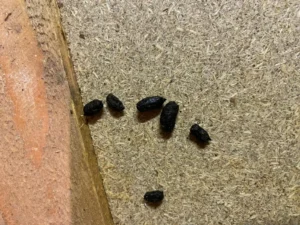
It’s better to look at the overall pattern. Are you seeing fresh droppings, new gnaw marks, new damage, and regular sightings over time? Those signs tell you much more than seeing one rat on one night.
What If the Rats Keep Coming Back?
If rats keep appearing after you’ve dealt with the original infestation, there may be something attracting them back to the property. Food, water, shelter, and easy access into buildings can keep the area attractive even after some rats have been removed.
This is why killing individual rats isn’t always enough. If the conditions that attracted them are still there, another rat can eventually take its place.
Look at the whole problem instead of focusing only on the poison. Find out where the rats are getting in, what they’re eating, where they’re finding water, and where they’re hiding.
Fixing those problems can make a much bigger difference over time than simply adding more poison.
Conclusion
Rat poison fails for a lot of reasons. Rats might be resistant to the poison, they might not be eating enough of it, they could be avoiding it because of neophobia, or the poison itself might be old and ineffective.
Sometimes the poison is working but rats are dying in hidden spots where you can’t see them.
Other times, competing food sources are keeping rats from eating the bait in the first place. If your poison isn’t working after a few weeks, don’t just keep putting out more.
Figure out what’s going wrong, remove other food sources, use fresh bait in multiple locations, or switch to a different method entirely. Poison can work, but only if you use it correctly and understand why rats might be avoiding or surviving it.

Hi, my name is Ezra Mushala, i have been interested animals all my life. I am the main author and editor here at snakeinformer.com.