
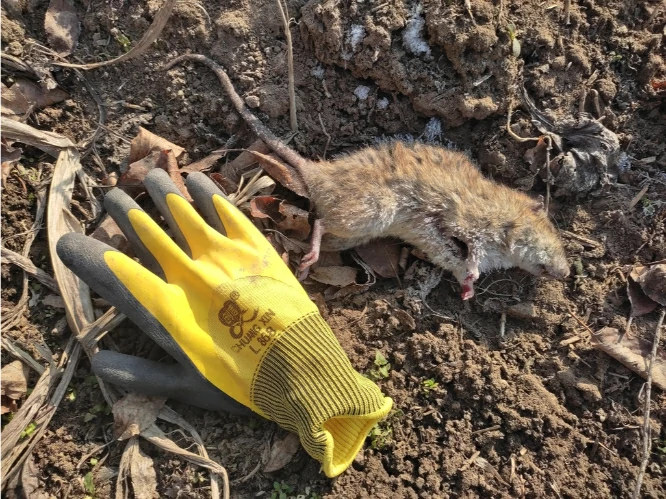
When you’re facing a rat infestation, you need something that works fast and effectively. The rats are destroying your property, leaving droppings everywhere, and potentially spreading diseases to your family.
You’ve probably seen dozens of different rat poisons at the hardware store, each one claiming to be the best. But what chemical kills rats?
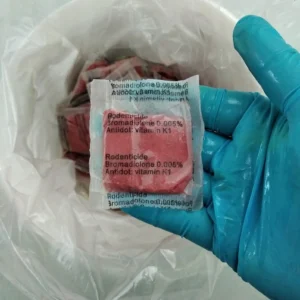
Several chemicals effectively kill rats, including anticoagulants (warfarin, bromadiolone, brodifacoum), neurotoxins (bromethalin), and other poisons like cholecalciferol and zinc phosphide. Anticoagulant rodenticides are the most commonly used because they’re effective and have an antidote (vitamin K1) if pets or children are accidentally poisoned.
Different rat poisons use different active ingredients, and each one kills rats through a different mechanism. Some prevent blood clotting, others attack the nervous system, and some cause organ failure.
Understanding how these chemicals work helps you choose the right product for your situation and use it safely around your family and pets.
How Anticoagulant Rat Poisons Work
Anticoagulant rodenticides are the most popular type of rat poison, and for good reason. These chemicals prevent blood from clotting properly, causing the rat to bleed internally until it dies.
The process takes several days, which is actually a benefit because rats don’t connect eating the poison with getting sick.
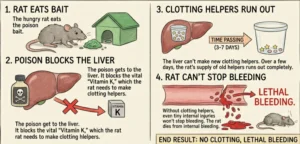
When a rat eats anticoagulant poison, the chemical blocks vitamin K production in the liver. Vitamin K is needed to make the proteins that help blood clot.
Without these proteins, even tiny blood vessels start leaking. The rat develops internal bleeding in its organs, muscles, and brain.
The rat doesn’t die immediately, which might seem like a downside. But this delayed effect means other rats don’t develop bait shyness.
If rats died right after eating the poison, the survivors would learn to avoid it. The multi-day delay breaks this connection, so rats keep eating the poison until they’ve consumed a lethal dose.
First-Generation vs. Second-Generation Anticoagulants
Not all anticoagulant poisons are created equal. First-generation anticoagulants like warfarin, chlorophacinone, and diphacinone require rats to eat the poison multiple times over several days to consume a lethal dose.
Rats need to keep coming back to the bait to get enough poison in their system.
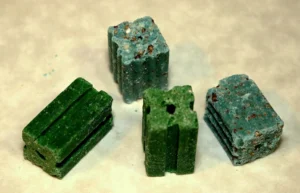
Second-generation anticoagulants like brodifacoum, bromadiolone, and difethialone are much more potent. A rat only needs to eat the poison once to consume a lethal dose, though death still takes several days.
These were developed because some rat populations became resistant to first-generation poisons.
The extra potency of second-generation anticoagulants makes them more dangerous to pets and wildlife.
If your dog eats a poisoned rat, the accumulated poison in that rat’s body can be enough to harm your pet.
This is called secondary poisoning, and it’s a serious concern with products containing brodifacoum or bromadiolone.
Common Rat Poison Chemicals and How They Work
Here’s a breakdown of the most common chemicals used in rat poisons:
| Chemical Name | Type | How It Works | Time to Death | Antidote Available |
|---|---|---|---|---|
| Warfarin | First-gen anticoagulant | Prevents blood clotting | 3-7 days | Yes (Vitamin K1) |
| Chlorophacinone | First-gen anticoagulant | Prevents blood clotting | 3-7 days | Yes (Vitamin K1) |
| Diphacinone | First-gen anticoagulant | Prevents blood clotting | 3-7 days | Yes (Vitamin K1) |
| Brodifacoum | Second-gen anticoagulant | Prevents blood clotting | 3-7 days | Yes (Vitamin K1) |
| Bromadiolone | Second-gen anticoagulant | Prevents blood clotting | 3-7 days | Yes (Vitamin K1) |
| Difethialone | Second-gen anticoagulant | Prevents blood clotting | 3-7 days | Yes (Vitamin K1) |
| Bromethalin | Neurotoxin | Causes brain swelling | 1-4 days | No |
| Cholecalciferol | Vitamin D3 | Causes kidney failure | 2-4 days | Partial |
| Zinc Phosphide | Acute poison | Releases toxic gas in stomach | 1-3 days | No |
This table shows you the main options and helps you understand what you’re working with when you buy rat poison.
Bromethalin: The Neurotoxin Rat Poison
Bromethalin works completely differently from anticoagulants. It’s a neurotoxin that attacks the central nervous system.
When a rat eats bromethalin, it interferes with the cells’ ability to produce energy. This causes fluid to build up in the brain and spinal cord.
The rat develops symptoms like muscle tremors, seizures, paralysis, and eventually dies from the pressure on its brain. Death can occur anywhere from one to four days after eating the poison, depending on how much the rat consumed.
One major drawback of bromethalin is that there’s no antidote. If your dog or cat eats this poison, your vet can only provide supportive care and hope your pet survives.
They might induce vomiting, give activated charcoal to absorb the poison, and provide IV fluids, but there’s no specific treatment that reverses the effects.
Cholecalciferol: Vitamin D3 Rat Poison
This might surprise you, but vitamin D3 (the same vitamin that’s good for humans in normal amounts) is toxic to rats in high doses.
Cholecalciferol rat poisons contain massive amounts of this vitamin, far beyond what any animal should consume.
When a rat eats cholecalciferol poison, it causes calcium levels in the blood to spike dramatically. This excess calcium gets deposited in the kidneys, heart, blood vessels, and other soft tissues. The rat develops kidney failure, heart problems, and eventually dies.
The process takes two to four days, and the rat often becomes lethargic and stops eating before death.
While there’s some treatment available if pets are poisoned (IV fluids, steroids, and drugs to lower calcium levels), it’s not as straightforward as the vitamin K1 treatment for anticoagulants.
Zinc Phosphide: The Fast-Acting Rat Poison
Zinc phosphide is what’s called an acute or single-dose poison. Unlike anticoagulants that require multiple feedings, zinc phosphide can kill a rat after just one meal.
When the zinc phosphide hits the acidic environment of the rat’s stomach, it releases phosphine gas.
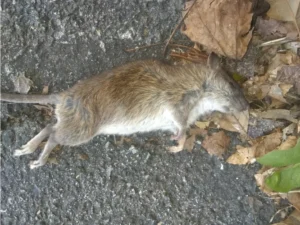
This gas is highly toxic and causes damage to the rat’s heart, lungs, liver, and kidneys. Rats typically die within one to three days, often faster than with anticoagulants.
Because it works quickly, there’s a higher risk of bait shyness if some rats survive or get sick without dying.
Zinc phosphide is more dangerous to use around pets because it can release toxic gas if they eat it. There’s no antidote, though activated charcoal and supportive care can help if treatment starts immediately.
The smell of the poison (it has a rotten fish odor) sometimes deters pets, but not always.
Why Location Matters When Choosing Rat Poison
Where you live can actually limit which rat poisons you’re allowed to use. California, for example, has banned consumer use of second-generation anticoagulants because of the risk to wildlife.
Predators like hawks, owls, and mountain lions were getting poisoned from eating rats that had consumed these products.
Some cities and states restrict where you can place rat poison. You might be required to use tamper-resistant bait stations that prevent children and pets from accessing the poison directly.
These regulations exist because of accidental poisonings and environmental damage.
Always check your local laws before buying rat poison. What’s available at the hardware store might not be legal for you to use, especially if you live in an area with protected wildlife or strict environmental regulations.
The Problem With Secondary Poisoning
Secondary poisoning happens when a predator eats a poisoned rat and gets sick or dies from the accumulated poison in the rat’s body.
This is a huge problem with second-generation anticoagulants because they’re so potent and stay in the rat’s system for weeks.
Your outdoor cat that catches a poisoned rat could end up at the vet with internal bleeding. Wild hawks and owls that help control rat populations naturally are dying from eating poisoned prey.

Even larger predators like coyotes and bobcats can be affected if they eat multiple poisoned rats.
This environmental impact is why some areas have moved away from allowing powerful second-generation anticoagulants for consumer use.
The poison doesn’t just kill rats, it travels up the food chain and harms animals that we actually want around.
How Do Rats Develop Resistance to Poisons?
Over time, some rat populations have developed resistance to certain poisons, especially first-generation anticoagulants like warfarin.
These resistant rats have genetic mutations that let them survive doses that would kill normal rats.
When you use warfarin in an area with resistant rats, you’ll kill some of them but the resistant ones survive and breed. Over time, the whole population becomes resistant and that poison stops working.
This is why second-generation anticoagulants were developed, but now resistance is starting to show up for those too.
If you’ve been using the same rat poison for months and still have rats, they might be resistant to that chemical. Switch to a different active ingredient with a different mechanism. Don’t just keep using more of the same poison that’s not working.
Combining Chemicals for Better Results
Some commercial rat poisons mix different active ingredients to overcome resistance and improve effectiveness.
You might find products that contain both a first-generation and second-generation anticoagulant, or an anticoagulant combined with another type of poison.
These combination products can work better in areas with resistant rat populations. Even if the rats are resistant to one ingredient, the other one might still kill them.
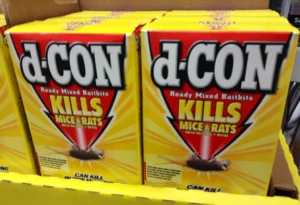
However, these products also tend to be more toxic to pets and wildlife.
Always read the label carefully to know exactly what chemicals you’re working with. Understanding the active ingredients helps you make informed decisions about safety and effectiveness.
How To Properly Use Rat Poison Chemicals
No matter which chemical you choose, proper use is critical for both effectiveness and safety. Always use tamper-resistant bait stations that prevent pets and children from accessing the poison directly.
These stations have openings just big enough for rats and mice but keep out larger animals and curious kids.
Place bait stations along walls and in areas where you’ve seen rat activity. Rats travel the same paths repeatedly, so putting poison along these routes increases the chances they’ll find and eat it.
Check stations every few days to see if the bait is being consumed and to refill as needed.
Wear gloves when handling rat poison. Some chemicals can be absorbed through your skin, and you don’t want to accidentally transfer poison to food or surfaces you’ll touch later.
Wash your hands thoroughly after working with any rodenticide.
Signs Your Pet Has Been Poisoned
Despite your best efforts, accidents can happen. Knowing the signs of rat poison exposure can save your pet’s life. Different chemicals cause different symptoms, so here’s what to watch for.
Anticoagulant poisoning symptoms include weakness, pale gums, difficulty breathing, coughing up blood, bloody nose, blood in urine or stool, and bruising.
These symptoms might not show up for several days after exposure, which is why immediate treatment is so important even if your pet seems fine.
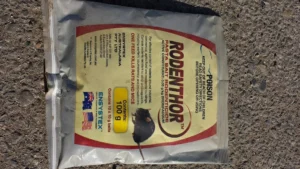
Bromethalin poisoning causes tremors, seizures, loss of coordination, paralysis (usually starting in the hind legs), and extreme sensitivity to touch or sound.
These symptoms can appear within hours to a few days after eating the poison.
Cholecalciferol poisoning makes pets extremely thirsty, causes increased urination, vomiting, loss of appetite, weakness, and eventually kidney failure.
Symptoms typically appear one to three days after exposure.
If you even suspect your pet ate rat poison, don’t wait for symptoms. Call your vet or an emergency animal hospital immediately.
Bring the poison package with you so they know exactly what chemical they’re dealing with.
Alternatives to Chemical Rat Poisons
If you’re uncomfortable using chemical poisons around your home, you do have other options.
Snap traps are highly effective when placed correctly and baited with peanut butter, dried fruit, or bacon.
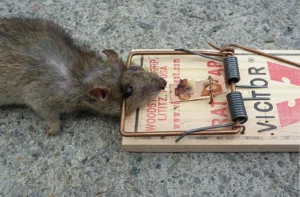
They kill instantly and don’t pose a poisoning risk to pets.
Electronic traps deliver a high-voltage shock that kills rats in seconds. They’re more expensive than snap traps but very effective and clean.
You just empty the chamber and reset the trap.
Live traps catch rats without killing them, though you then face the problem of what to do with a live rat.
Releasing rats far from your home just makes them someone else’s problem, and in many areas it’s actually illegal to release trapped rats.
Exclusion is the best long-term solution. Seal every crack, gap, and hole that rats use to enter your home. Remove food sources and water.
Make your property less attractive to rats and they’ll go somewhere else.
Environmental Impact of Rat Poison Chemicals
The chemicals we use to kill rats don’t just disappear after the rat dies. They persist in the environment and can contaminate soil and water.
Rain can wash poison from outdoor bait stations into storm drains and eventually into rivers and streams.
Decomposing rat carcasses with poison still in their bodies can contaminate the soil around them.
Other animals that scavenge these carcasses (beetles, flies, and larger scavengers) can also be affected by the poison and spread it further through the ecosystem.
This is why many environmental groups are pushing for stricter regulations on rodenticides, especially the more persistent second-generation anticoagulants. T
he goal is to control rats without causing widespread harm to other wildlife and the environment.
How Long Does Rat Poison Stay Effective?
Most rat poisons have a shelf life of one to three years when stored properly in a cool, dry place.
Once you open the package and expose the bait to air and moisture, it starts to degrade faster. Opened bait should be used within a few months for best results.
Weather affects outdoor bait quickly. Rain, humidity, and extreme temperatures can make the poison less effective or cause it to deteriorate.
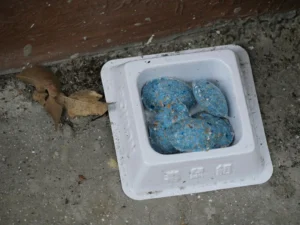
If you’re using bait stations outdoors, check them frequently and replace wet or moldy bait.
Some poisons also lose their attractiveness to rats over time as the flavor and scent compounds break down.
Fresh bait always works better than old bait, so don’t try to save money by using rat poison that’s been sitting in your garage for years.
Conclusion
Multiple chemicals can effectively kill rats, each working through different mechanisms. Anticoagulants like warfarin, brodifacoum, and bromadiolone prevent blood clotting and are the most commonly used because they have an antidote.
Neurotoxins like bromethalin attack the nervous system, while cholecalciferol causes kidney failure and zinc phosphide releases toxic gas.
Your choice of rat poison should depend on your specific situation, local regulations, and concerns about pets and wildlife.
Second-generation anticoagulants are more potent but pose greater environmental risks. First-generation anticoagulants are safer but require multiple feedings.
Non-anticoagulant poisons work differently but often lack effective antidotes.
Whatever chemical you choose, use it responsibly in tamper-resistant bait stations, follow all label directions, and consider the environmental impact.
And remember that poison is just one tool in rat control. Combining chemical methods with traps, exclusion, and habitat modification gives you the best chance of eliminating rats and keeping them from coming back.

Hi, my name is Ezra Mushala, i have been interested animals all my life. I am the main author and editor here at snakeinformer.com.