
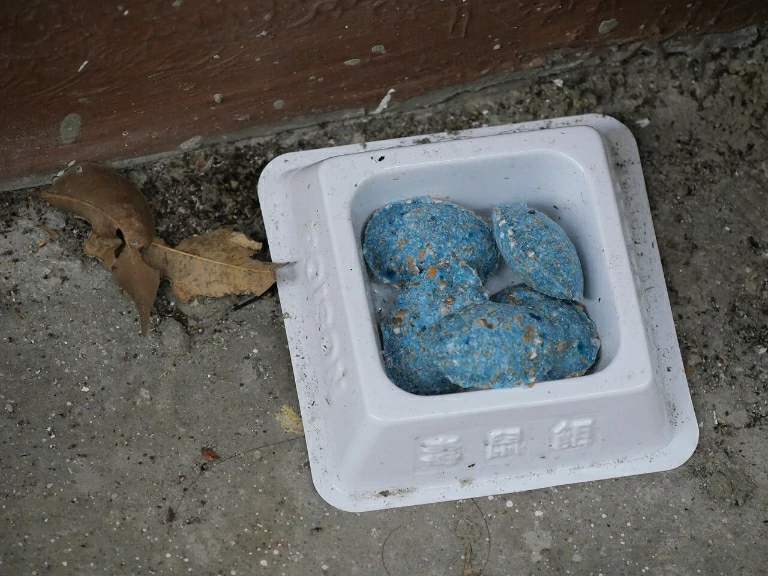
One concern people have when considering rat poison is whether it’ll actually draw more rats to their property. You might worry that putting out poison will attract rats you didn’t even know were around, making your problem worse instead of better.
Does rat poison attract rats?
Yes, rat poison is specifically designed to attract rats. The bait materials (like peanut butter, grains, and seeds) create smells that draw rats in so they’ll eat the poison. However, it attracts rats that are already nearby, not rats from far away.
The poison works by being more attractive than other food sources rats might find. It won’t bring in rats from miles away, but it will get the attention of rats that are already in your area looking for food.
How Rat Poison Attracts Rats
Understanding how rat poison attracts rats helps you use it more effectively and addresses concerns about drawing in more pests.
The bait material is the key attractant. Rat poison isn’t just pure poison. It’s mixed with food that rats like to eat. Peanut butter, grains, seeds, and other ingredients make the poison smell and taste good to rats.
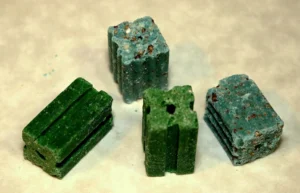
Rats find food primarily by smell. They have an excellent sense of smell and can detect food from several feet away. The bait in rat poison releases scent molecules that rats can pick up on as they’re searching for their next meal.
The poison is formulated to be more attractive than normal food. Manufacturers test different bait formulas to find what rats like best. They often add extra flavors or scents to make the poison irresistible to rats.
Fresh rat poison has a stronger smell than old poison. This is why fresh poison works better. The volatile compounds that create the attractive smell haven’t evaporated yet. As poison ages, it loses this smell and becomes less attractive.
The placement of poison determines how many rats will find it. If you put poison in areas where rats are actively traveling and looking for food, they’ll find it. If you put it somewhere rats never go, the smell won’t reach them.
Does It Attract Rats From Far Away?
This is the big concern many people have. Will putting out rat poison bring rats from the neighborhood into your home?
Rat poison doesn’t attract rats from miles away. The smell carries maybe 10 to 20 feet in still air, and less if there’s wind. This is far enough to draw rats that are already in or near your building, but not far enough to pull in rats from down the street.
Rats that are attracted to your poison were already nearby. They were probably already in your walls, attic, or yard looking for food. The poison just gives them an option that’s easier or more attractive than what they were finding before.

Think of it this way: if you have rats in your house, they’re there because something already attracted them. Maybe it’s food scraps, pet food, garbage, or shelter. The rat poison isn’t creating a rat problem. It’s addressing a rat problem that already exists.
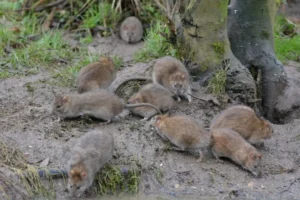
Rats have defined territories. A rat colony stays in a relatively small area, usually within 100 to 300 feet of their nest. They’re not wandering randomly across huge distances. If a rat finds your poison, it’s because it was already living in your area and searching for food.
The smell of bait doesn’t travel through walls well. If you put poison inside your house, rats outside won’t smell it and come in. Similarly, poison in your attic won’t attract rats from your neighbor’s house.
What Actually Attracts Rats to Your Property
To understand rat poison’s role in attraction, you need to know what brings rats to a property in the first place. It’s not the poison.
Food is the number one attractant. Rats need to eat every day. If your property has accessible food sources (garbage, pet food, compost, bird feeders, fruit trees), that’s what’s attracting rats. They were probably there long before you put out any poison.
Water attracts rats too. They need to drink regularly. Leaky pipes, pet water bowls, standing water, and even moisture from humidity can draw rats in. They’re looking for consistent water sources.
Shelter is the third major attractant. Rats need safe places to nest and hide from predators. Cluttered garages, woodpiles, dense vegetation, and gaps in your building’s structure all provide shelter. This is why rats move in.
The combination of food, water, and shelter is what creates a rat problem. If you have all three, you’re likely to have rats. The poison doesn’t create these conditions. It’s a tool to address the rats that these conditions have already attracted.
Even if you’ve never had rats before, they might be moving into your area naturally. Rat populations grow and expand into new territories. Construction, demolition, or changes to nearby properties can displace rats and send them looking for new homes.
Does Using Poison Make the Problem Worse?
Some people worry that using rat poison will somehow make their rat problem worse. Understanding how poison works shows why this isn’t usually true.
Poison doesn’t bring in new rats from outside your area. As we discussed, the smell doesn’t carry that far. You’re only attracting rats that were already nearby.
If more rats show up after you start using poison, it’s probably not because of the poison. It might be that you just became more aware of the rat problem.
Once you start actively looking for rats and monitoring bait stations, you notice signs you missed before.
Seasonal factors can make it seem like poison attracted more rats. Rats come inside more in fall and winter when it’s cold.
If you start using poison in fall and see more rats, the weather change is probably the real reason, not the poison.
Killing some rats can make remaining rats more active temporarily. When you kill part of a rat colony, the survivors might move around more as they adjust to the reduced competition.
This increased activity makes it seem like there are more rats, even though the population is actually declining.
The poison itself is part of the solution, not part of the problem. Yes, it attracts rats, but that’s the whole point.
You want them to find and eat the poison so they’ll die and your rat problem will be solved.
Comparing Poison to Other Attractants
Rat poison is actually less attractive to rats than many things you might have on your property without realizing it. Putting this in perspective helps you see that poison isn’t creating unusual attraction.
Pet food is highly attractive to rats. If you leave dog or cat food out, especially overnight, rats will find it. It smells stronger and is more nutritious than most rat poison baits.
Garbage is extremely attractive. The smell of garbage can carry much farther than rat poison. If your trash isn’t properly secured, it’s drawing in rats from a wider area than poison ever would.
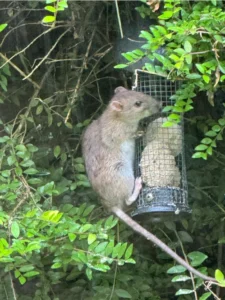
Bird feeders attract rats surprisingly well. Seed that falls to the ground or that rats can reach directly is like a buffet to them. This is often a bigger attractant than rat poison.
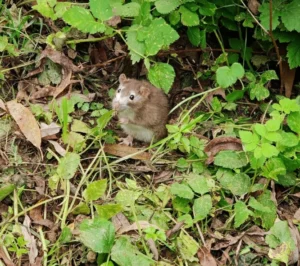
Fruit trees and vegetable gardens draw in rats. Fallen fruit on the ground and ripe vegetables are natural food sources that rats love. These smells are familiar and trusted, making them even more attractive than artificial bait.
Compost piles attract rats if not managed properly. The decomposing food smells strongly and provides both food and warmth.
This is a major attractant that many people don’t think about.
In this context, rat poison is actually a relatively controlled attractant. You’re putting it in specific locations in specific amounts.
It’s not scattered around your yard or left out 24/7 like some of these other attractants might be.
Using This To Your Advantage
Since rat poison does attract rats, you can use this to your advantage. Smart placement and strategy make the attraction work for you.
Put poison where you’ve seen rat activity. Droppings, gnaw marks, grease stains, and tracks tell you where rats are traveling. Place poison along these routes so rats will naturally encounter it while they’re already searching for food.
Use bait stations to control where rats feed. The stations contain the poison and make rats feel safe while eating.

This concentrates their feeding in specific locations you’ve chosen, rather than having rats find the poison randomly.
Eliminate competing food sources. If rats have access to garbage, pet food, and other easy meals, they might not be as interested in your poison. Remove these other food sources to make the poison the most attractive option.
Use enough poison to be effective but not excessive. You want rats to find the poison easily, but you don’t need to put out huge amounts.
A few well-placed bait stations are better than poison scattered everywhere.
Refresh poison regularly. As poison gets old and stale, it becomes less attractive. Check bait stations weekly and replace old poison with fresh product.
This maintains the attraction over time.
Consider timing. Rats are most active at night, especially a few hours after sunset. This is when they’re actively searching for food and are most likely to find and eat your poison.
What Makes Poison More or Less Attractive?
Not all rat poisons are equally attractive to rats. Understanding what affects attraction helps you choose and use poison more effectively.
Peanut butter-based baits are usually very attractive to rats. Rats love peanut butter. It’s high in fat and protein, and it has a strong smell they can detect easily. Poisons using peanut butter tend to be eaten quickly.
Grain-based baits are attractive but in a different way. Grains are more like the natural diet rats would eat in the wild. Some rats prefer this over sweeter baits.
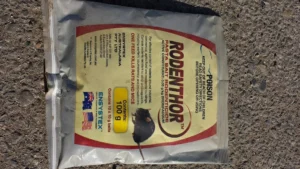
These baits work well but might be consumed more slowly.
Fresh poison is always more attractive than old poison. The oils and scent compounds in the bait break down over time. As this happens, the poison becomes less appealing to rats. Always use fresh poison for best results.
Poison that’s gotten wet or moldy is unattractive to rats. They have good instincts about avoiding food that’s gone bad. Moldy or damp poison won’t be eaten well, even if the active ingredient is still good.
Some rats develop bait shyness. If a rat eats poison and gets sick but doesn’t die, it might learn to avoid that type of bait in the future. This makes the poison less attractive to that specific rat.
The form of the poison matters too. Some rats prefer blocks, others prefer pellets or meal bait.
If one type isn’t being eaten, try switching to a different formulation. The active ingredient might be the same, but the physical form affects attraction.
Managing Attraction Concerns
If you’re worried about rat poison attracting rats, these strategies help you manage the attraction in a controlled way.
Start with small amounts. Put out just a few bait stations and see what happens. If rats are eating the poison, you know you have an active problem.
If nothing’s being eaten after a week, you might have fewer rats than you thought.
Use enclosed bait stations. These contain the smell better than leaving poison out in the open. The smell still reaches nearby rats, but it’s not spreading as widely.
Stations also protect the poison from weather and pets.
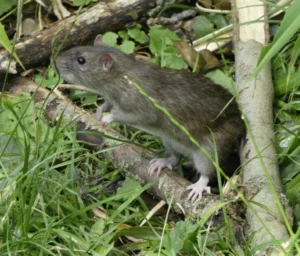
Place poison only inside or in very targeted outdoor locations. Don’t scatter poison all over your yard. Keep it close to your building where rats are actually living. This limits how far the attractive smell travels.
Address other attractants first. Before or while using poison, remove other food sources, secure garbage, and clean up. This reduces overall attraction to your property and makes the poison more effective by eliminating competition.
Monitor the situation. Keep track of how much poison is being eaten and where. This tells you where your rats are and whether the problem is getting better or worse.
Adjust your strategy based on what you observe.
Be patient. Poisoning takes time. Don’t panic if you see rats around your poison at first. That’s actually what you want. They need to find and eat the poison for it to work. Within a week or two, you should see reduced activity as rats die.
Alternative Control Methods
If you’re concerned about rat poison attracting rats, there are other control methods that don’t rely on attractive bait. These have different pros and cons.
Snap traps can be baited or unbaited. If you use bait, they attract rats the same way poison does. But you can also place traps in rat travel routes without bait. Rats will trigger the trap just by walking over it.
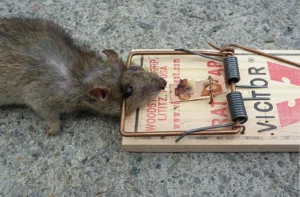
Electronic traps work similarly to snap traps. They typically need bait to attract rats into the chamber where they’ll be electrocuted. The bait attracts rats just like poison does, but you get instant results instead of waiting days.
Exclusion doesn’t attract rats. Sealing up holes and entry points keeps rats out without attracting them. This is actually the best long-term solution.
No poison or bait can bring in rats if they can’t physically get into your building.
Repellents work by making areas unattractive to rats. These use smells rats don’t like (peppermint, predator urine) to drive them away. This is the opposite of attraction, but repellents are often less effective than other methods.
Professional pest control can use multiple methods together. Exterminators might use poison strategically, set traps, perform exclusion work, and provide monitoring.
They manage attraction concerns as part of a comprehensive approach.
Conclusion
Does rat poison attract rats? Yes, it absolutely does, and that’s exactly how it’s supposed to work. The bait materials in rat poison create smells that draw rats in so they’ll eat the poison and die.
However, rat poison only attracts rats that are already in your immediate area. It doesn’t pull rats from far away.
The smell typically carries 10 to 20 feet, which is enough to reach rats in your building or close to it, but not enough to draw in rats from the broader neighborhood.
The attraction is part of the solution, not part of the problem. Rats were already attracted to your property by food, water, and shelter.
The poison gives them something to eat that will actually solve your rat problem instead of sustaining it.
Smart placement in bait stations, eliminating competing food sources, and using fresh poison helps you manage the attraction effectively. The goal is to make your poison the most attractive food option so rats eat it quickly and your problem gets solved.

Hi, my name is Ezra Mushala, i have been interested animals all my life. I am the main author and editor here at snakeinformer.com.