
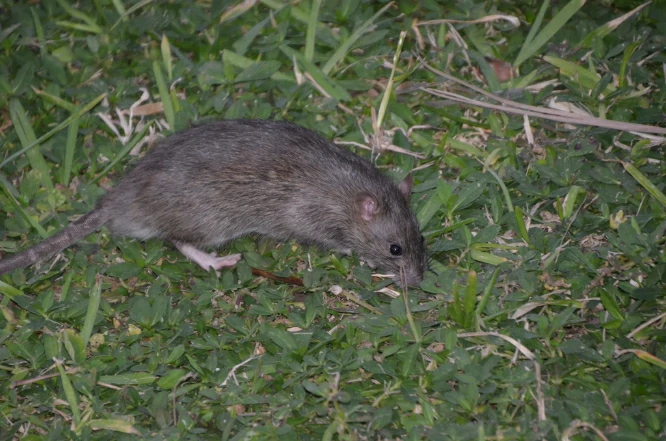
You’ve set out glue traps to deal with a rat problem, but now you’re wondering if they’ll actually hold a rat once one gets stuck. Rats are strong, determined animals, and glue traps don’t look that tough. Can a rat get out of a glue trap?
Yes, a rat can sometimes escape from a glue trap, especially if the trap is low-quality, old, or not sticky enough. Large, strong rats have been known to pull themselves free, though they’ll lose fur and possibly injure themselves in the process. Small glue traps designed for mice won’t reliably hold adult rats at all.
The effectiveness of glue traps on rats depends on the trap’s size, quality, and how long the rat has been stuck.
How Glue Traps Are Supposed to Work
Glue traps are basically boards or trays covered with extremely sticky adhesive. When an animal walks across it, they get stuck.
The idea is that once the rat’s feet are caught, they can’t generate enough force to pull free. The more they struggle, the more stuck they become.
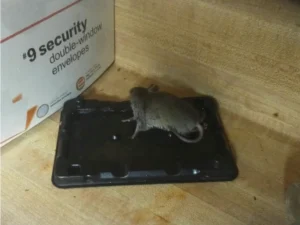
As the rat moves, more of their body contacts the glue. Eventually, their belly, legs, and sometimes face are all stuck to the board.
The adhesive is designed to be strong and remain sticky for weeks or even months. Environmental factors like dust, moisture, and temperature affect this.
In theory, a rat should get stuck and stay stuck until you dispose of the trap. In practice, it doesn’t always work out this way.
Rats are smart and strong. When they realize they’re stuck, they panic and use all their strength to escape. Sometimes that’s enough to break free.
Why Rats Can Escape Glue Traps
Several factors can allow a rat to pull free from a glue trap that should have held them.
The trap might be too small. A rat’s body is bigger than a mouse, and if only one paw touches the glue while the rest of the rat is off the trap, they can pull that paw free.
Low-quality adhesive doesn’t hold as well. Cheap glue traps use weaker adhesive that a strong rat can overcome with enough pulling.
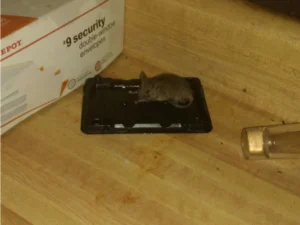
Old glue traps lose stickiness over time. If you’ve had a trap sitting out for months, dust and debris coat the adhesive and reduce its holding power.
Temperature affects the glue. In very cold conditions, the adhesive becomes harder and less sticky. In very hot conditions, it can become too liquid.
A rat that touches the glue with just the tip of their paw might pull free before getting more stuck. They need to make good contact for the trap to work.
Dry conditions can make the adhesive less effective. In extremely dry environments, the glue might not bond as well to the rat’s fur and skin.
What Happens When a Rat Tries to Escape?
When a rat realizes they’re stuck, their reaction is immediate and intense. They panic and fight hard to get free.
The rat will pull with all their strength. You might find the glue trap moved several feet from where you placed it because the rat dragged it while trying to escape.

As they struggle, they lose fur. The adhesive pulls out chunks of fur, leaving bare patches on the rat. This is painful for the animal.
Some rats chew off their own feet to escape. This sounds extreme, but animals in desperate situations will self-mutilate to survive.
If the rat manages to pull one foot free, they might be able to use that leverage to work their other feet loose, especially if the adhesive wasn’t very strong to begin with.
Blood and skin can end up on the trap from the rat’s struggles. The violence of their attempts to escape can cause injuries beyond just lost fur.
Size Matters: Mouse Traps vs. Rat Traps
Just like with snap traps, glue traps come in different sizes for different animals. Using the wrong size is a recipe for escape.
Mouse glue traps are small, usually about 4 by 6 inches or so. These won’t reliably hold an adult rat.
A big rat might step on a mouse trap with one paw while the rest of their body is off the trap. They can pull that paw free without getting more stuck.
Rat-sized glue traps are larger, often 10 by 12 inches or bigger. These provide enough surface area to catch multiple feet and part of the rat’s body.
Larger traps use more adhesive too, which increases the holding power. More glue means it’s harder for the rat to generate enough force to break free.
If you’re dealing with rats, don’t bother with mouse traps. Get traps specifically designed for rats, or you’ll just be wasting your money.
Some people put multiple mouse traps next to each other to create a larger sticky surface. This can work but is more expensive than just buying a rat-sized trap.
Quality Differences in Glue Traps
Not all glue traps are created equal. The quality of the adhesive makes a huge difference in whether rats escape or not.
Professional-grade traps used by pest control companies have stronger, more reliable adhesive than cheap consumer traps.

Brand matters. Well-known brands like Catchmaster and Tomcat invest in better adhesive formulations and quality control.
Dollar store and no-name glue traps often use inferior adhesive. They might work for mice but fail with the stronger, heavier rats.
Price is usually (but not always) an indicator of quality. Traps that cost $1 each are probably not as good as traps that cost $3 to $5.
Read reviews before buying. Other people’s experiences can tell you which brands hold rats and which let them escape.
The thickness of the adhesive layer matters too. Thicker glue creates more holding power than a thin coating.
Environmental Factors That Affect Trap Performance
Where you place a glue trap and what the conditions are like can determine whether it’ll hold a rat or not.
Dust and debris kill glue traps. If you put a trap in a dirty area, the adhesive quickly gets coated with dust and loses stickiness.
Moisture is a problem. In damp basements or humid areas, some adhesives don’t work as well. Water can interfere with the bonding.
Extreme cold makes adhesive hard and brittle. The glue won’t stick as well when it’s very cold.
Heat can make adhesive too runny. In very hot attics or garages during summer, the glue might become liquid and less effective.
Direct sunlight degrades some adhesives over time. UV light breaks down the chemical bonds in the glue.
Keep glue traps in climate-controlled areas when possible. Room temperature with moderate humidity gives the best performance.
If you must put traps in extreme conditions, check them more frequently. The adhesive might fail faster than expected.
What to Do If a Rat Escapes
If you find a glue trap that’s been moved or damaged but has no rat, an escape has likely occurred. Here’s what to do.
Replace that trap immediately. A damaged or partially used trap won’t be effective anymore.
Look around the area for signs of the rat. You might find blood, fur, or a trail showing where they went.
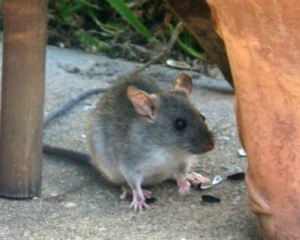
The escaped rat might be injured, which could make them easier to catch in a different type of trap. They’re also now wary of glue traps.
Consider switching to a different trapping method. A rat that’s escaped once has learned to avoid glue, so snap traps or live traps might work better.
Check your remaining glue traps to make sure they’re still sticky enough. If one failed, others might be getting old too.
Set up additional traps if you’re committed to using glue. An escaped rat might come back through the area, and having more coverage increases your chances.
Document what happened so you can avoid the same mistake. If the trap was too small or placed poorly, learn from it.
Partly Stuck Rats: A Disturbing Scenario
Sometimes a rat doesn’t fully escape but also isn’t completely stuck. This creates a terrible situation for both you and the animal.
A rat might be stuck by two or three feet but still have one free. They can drag the trap around and cause chaos.
You might find a rat dragging a glue trap across your floor or yard, desperately trying to find a way to get free.
These partly stuck rats can still bite if you try to handle them. Their free leg or head can reach you if you’re not careful.
The rat will be terrified and in pain. This is one of the reasons glue traps are controversial from a humane standpoint.
If you find a rat in this state, you have to decide what to do. Leaving them stuck is cruel, but releasing them means dealing with a live, desperate animal.
Most people in this situation either kill the rat humanely (which requires knowing how) or call animal control for help.
The Ethics of Glue Traps
Glue traps are one of the most controversial pest control methods. The ethical concerns are worth understanding.
Death from glue traps is slow. Rats can take hours or even days to die from exhaustion, dehydration, stress, or injuries sustained while struggling.
The panic and suffering of a trapped rat is intense. They’re conscious the whole time they’re stuck, which means prolonged distress.
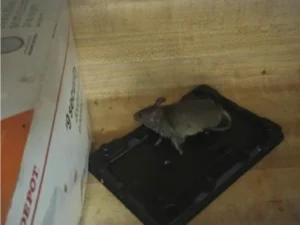
Many animal welfare organizations, including the Humane Society, strongly oppose glue traps because of the suffering they cause.
Some jurisdictions have banned or restricted glue trap use. Laws vary by location, so check what’s legal where you live.
If you use glue traps, there’s a moral obligation to check them frequently (at least daily) and humanely kill any caught rats quickly.
Leaving a rat stuck on a glue trap and ignoring it for days is widely considered cruel and might violate animal cruelty laws in some areas.
For people concerned about animal welfare, snap traps or live traps are considered more humane alternatives.
Alternatives to Glue Traps
If you’re worried about rats escaping or concerned about the ethics of glue traps, other options exist.
Snap traps designed for rats kill quickly when they work correctly. This is considered more humane than glue traps.
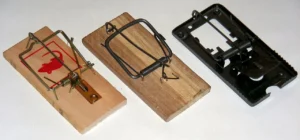
Electric traps deliver a lethal shock in seconds. They’re effective and humane but more expensive than other options.
Live traps catch rats without killing them. You’ll need to release them far from your home, which comes with its own challenges.
Professional pest control can be worth the cost. Experts have access to methods and products not available to consumers.
Rodenticides (rat poison) are an option but come with risks to pets, children, and non-target wildlife.
Exclusion and prevention are the best long-term solutions. Seal entry points, remove food sources, and make your home less attractive to rats.
Each method has pros and cons. Choose based on your situation, budget, and personal ethics.
Rat Behavior After Escaping a Glue Trap
A rat that escapes from a glue trap will remember the experience. This affects their future behavior.
They’ll be much more cautious around new objects. That natural neophobia (fear of new things) will be even stronger.
The escaped rat will likely avoid anything that looks or smells like a glue trap. This includes new traps you put out later.
They might avoid the entire area where the trap was. If you caught them in the kitchen, they might start using different paths through your home.
The experience won’t make them leave your home, though. They’ll just become harder to catch.
Other rats in the colony might learn from the escaped rat’s behavior. Rats communicate through scent, sound, and actions.
You might need to switch to a completely different trapping method to catch a glue trap-educated rat.
Preventing Escapes: Best Practices
If you’ve decided to use glue traps despite the concerns, here’s how to maximize effectiveness and minimize escapes.
Use large, high-quality traps designed specifically for rats. Don’t skimp on quality to save a dollar or two.
Place traps in high-traffic areas where rats definitely walk. Rats stick to established paths, so trap those routes.
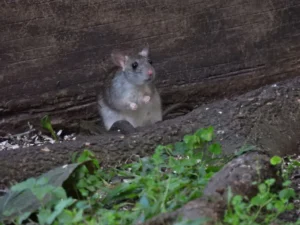
Put traps flush against walls. Rats travel along walls, and a trap positioned right will catch multiple feet at once.
Use multiple traps. More coverage means a rat is more likely to get fully stuck before they realize what’s happening.
Check traps at least daily, preferably more often. A rat that’s been stuck for hours has more time to work free than one you discover quickly.
Keep traps fresh. Replace them every few weeks even if they haven’t caught anything, as the adhesive degrades over time.
Consider putting bait on the trap. This encourages rats to walk directly onto the center rather than just catching an edge with one paw.
What Professional Pest Control Does Differently
Professional pest controllers have better success with glue traps because they know tricks that most homeowners don’t.
They use commercial-grade traps with superior adhesive. These aren’t available in most retail stores.
Professionals know exactly where to place traps based on rat behavior. They can read signs like droppings and grease marks to predict rat paths.
They check traps more frequently than most homeowners can or will. This reduces suffering and prevents escapes.
Pest controllers often use glue traps in combination with other methods. This multi-pronged approach is more effective than relying on one trap type.
They know how to handle stuck rats safely and dispose of them properly. This includes understanding local regulations.
Professional service costs money, but if you’re struggling with DIY methods, it might be worth it.
Legal and Disposal Issues
When you catch a rat in a glue trap, you have to dispose of it properly. There are legal and practical concerns.
In most places, you can’t just throw a live or dead rat in your regular trash. Check local regulations.
Some areas require sealed bags or specific trash bins for dead animals. Others allow regular trash disposal.
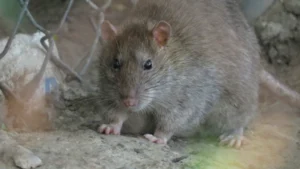
If the rat is still alive, you might have a legal obligation to kill it humanely before disposal. Throwing away a live rat is illegal in many jurisdictions.
Never release a stuck rat outside to “let nature take its course.” This is abandonment and might violate animal cruelty laws.
Proper disposal method: seal the trap with the dead rat in a plastic bag, then place in outdoor trash. Don’t leave it in your kitchen trash.
If you’re uncomfortable with any of this, call animal control. They can advise on or handle disposal for you.
Storage and Shelf Life of Glue Traps
How you store unused glue traps affects how well they’ll work when you need them.
Keep traps in their original packaging until use. The packaging protects the adhesive from dust and moisture.
Store in a cool, dry place. Heat and humidity degrade adhesive over time, even in sealed packages.
Most glue traps have a shelf life of 1 to 2 years if stored properly. Check the packaging for dates.
Don’t stack heavy items on top of stored traps. Pressure can cause the adhesive to spread or the trap to deform.
Once you open a trap package, use it within a few weeks. Exposure to air begins the degradation process.
If you buy in bulk to save money, make sure you’ll actually use all the traps before they expire. Old traps aren’t a bargain if they don’t work.
Conclusion
A rat can escape from a glue trap, especially if the trap is too small, low-quality, or old. Large, strong rats have successfully pulled themselves free despite losing fur and injuring themselves.
The effectiveness of glue traps depends on using the right size (at least 10 by 12 inches for rats), choosing high-quality adhesive, and placing traps in the right locations.
Environmental conditions like temperature, humidity, and dust all affect whether the adhesive holds a rat or lets them pull free.
Even when glue traps work as intended, they raise serious ethical concerns because they cause prolonged suffering before death.
If you choose to use glue traps, you must check them very frequently (at least daily) and be prepared to humanely kill any caught rats immediately.
Many people find that snap traps, electric traps, or professional pest control are more reliable and humane alternatives to glue traps for dealing with rats.

Hi, my name is Ezra Mushala, i have been interested animals all my life. I am the main author and editor here at snakeinformer.com.