
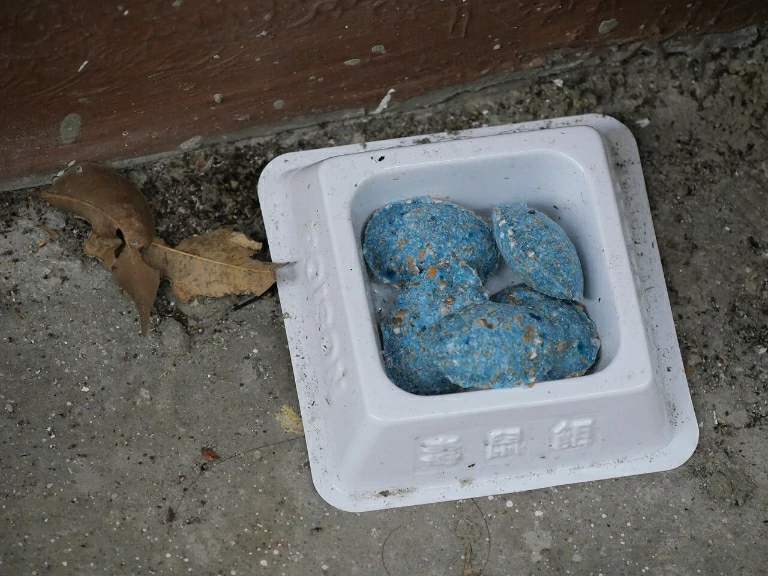
When most people think about poison, arsenic often comes to mind. It’s been used as a poison for centuries and appears in countless murder mysteries and historical accounts.
If you’re dealing with a rat problem or concerned about rat poison safety, you might wonder about its ingredients. Does rat poison have arsenic?
No, modern rat poisons don’t contain arsenic. While arsenic was used in rat poisons decades ago, it’s been banned for pest control in most countries since the 1980s. Today’s rat poisons use anticoagulants, bromethalin, or zinc phosphide instead.
The shift away from arsenic happened because it was too dangerous to people and pets, too easy to misuse, and had environmental problems.
Understanding what’s actually in modern rat poison helps you use it safely and know what to do in case of accidental poisoning.
Why Arsenic Was Used in Old Rat Poisons
Arsenic was a popular ingredient in rat poisons for a long time. Understanding why helps explain what changed and why we don’t use it anymore.
Arsenic is extremely toxic to mammals. It doesn’t take much to kill a rat, or a human for that matter. This made it effective as a rat poison.
Rats that ate arsenic-based bait would die relatively quickly.

It was cheap and easy to obtain. Arsenic compounds like arsenic trioxide were simple to produce and didn’t cost much. This made arsenic-based rat poison affordable for most people.
Arsenic was also used in other products, so it was widely available. It appeared in pesticides for agriculture, in medicines (believe it or not), and in various industrial processes.
Having it around for multiple purposes made it a convenient choice for rat poison too.
The poison was stable. Arsenic compounds don’t break down easily. A package of arsenic-based rat poison could sit on a shelf for years and still be just as deadly. This long shelf life was attractive to manufacturers and users.
But arsenic had serious problems that eventually led to it being banned from rat poisons and most other uses.
Why Arsenic Was Banned From Rat Poison
The problems with arsenic in rat poison became increasingly clear over time. Eventually, these issues led to bans in most countries.
Arsenic is extremely dangerous to humans. The amount needed to kill a rat isn’t that different from the amount that can seriously harm or kill a person.
This made accidental poisonings common. Children and pets were especially at risk.

The poison acts fast. While this might seem like a benefit for killing rats, it’s terrible for safety. If a child or pet ate arsenic-based rat poison, they could become seriously ill or die before getting medical help. There wasn’t much time to react.
Arsenic poisoning symptoms are severe and terrible. People who ingested arsenic experienced violent illness including vomiting, diarrhea, severe abdominal pain, and eventually organ failure. The suffering was intense.
There’s no good antidote for arsenic poisoning. Modern medicine can provide supportive care and try to remove arsenic from the body, but there’s no medication that specifically reverses arsenic poisoning. This made survival less likely even with medical treatment.
Arsenic accumulates in the environment. When rats ate arsenic poison and died, their bodies contained arsenic. Predators that ate those dead rats got poisoned too.
Arsenic also contaminated soil and water where poisoned rats died. This environmental accumulation became a serious problem.
The poison was easy to misuse. Because arsenic was so toxic to humans and had legitimate uses, it was unfortunately used in murders.
The availability of arsenic-containing rat poison made it a convenient murder weapon. This led to increased regulation and eventually bans.
What Modern Rat Poisons Use Instead
Today’s rat poisons use different active ingredients that are designed to be safer (though still dangerous if misused). Understanding these helps you know what you’re actually dealing with.
Anticoagulants are the most common active ingredients now. These chemicals stop blood from clotting properly. There are two generations of anticoagulants.
First-generation ones like warfarin require multiple feedings to kill a rat. Second-generation ones like brodifacoum and bromadiolone can kill with a single feeding.
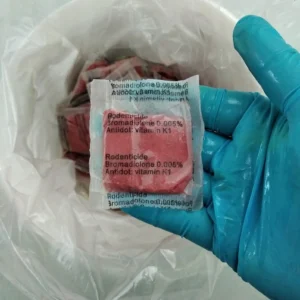
Anticoagulants work more slowly than arsenic did. It takes several days for a rat to die after eating anticoagulant poison. This slow action is actually safer for people and pets because there’s more time to get medical help if someone accidentally eats the poison.
Bromethalin is another modern rat poison ingredient. It attacks the nervous system and causes swelling in the brain. It works faster than anticoagulants but slower than arsenic. Rats usually die within a day or two.
Zinc phosphide is used in some rat poisons. When a rat eats it, the poison reacts with stomach acid to release toxic phosphine gas. This kills the rat fairly quickly, usually within hours.
Cholecalciferol (vitamin D3) is used in some newer rat poisons. In large doses, it causes calcium to build up in the blood to toxic levels.
This damages organs and kills the rat over several days.
These modern poisons are still dangerous and can kill people or pets if ingested. But they’re generally considered safer than arsenic was because they work more slowly (giving time for treatment) and because antidotes exist for some of them.
How to Identify What’s in Your Rat Poison
If you have rat poison and want to know what’s in it, there are ways to find out. This information is important for safety and knowing how to respond in emergencies.
Check the label. All rat poisons sold legally must list the active ingredients on the package. Look for a section that says “Active Ingredient” or “Active Ingredients.” The chemical name will be listed there with a percentage.
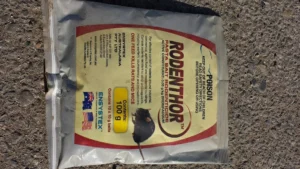
Common names you’ll see include brodifacoum, bromadiolone, difethialone, warfarin, chlorophacinone, diphacinone (all anticoagulants), bromethalin, zinc phosphide, or cholecalciferol. If you see arsenic listed, the poison is either very old or not legal.
The label will also have the EPA registration number. This is a number assigned by the Environmental Protection Agency that tracks which pesticides are approved for use. You can look up this number online to get more information about the product.
Material Safety Data Sheets (MSDS) or Safety Data Sheets (SDS) provide detailed information about the product. Many manufacturers make these available on their websites. You can search for the product name plus “MSDS” or “SDS” to find it.
If you can’t find the label or it’s too faded to read, don’t use the poison. Old poison without readable labels could be anything, and you need to know what you’re working with for safety reasons.
Contact the manufacturer if you need more information. There should be a phone number on the package. They can tell you exactly what’s in the product and provide safety information.
Why People Still Worry About Arsenic
Even though arsenic hasn’t been in rat poison for decades, people still worry about it. Understanding why helps address these concerns.
Arsenic has a reputation. It’s famous as a poison from history, movies, and murder mysteries. When people think “poison,” arsenic often comes to mind first. This cultural association makes people assume it might be in rat poison.
Some people have heard stories from grandparents or older relatives about arsenic-based rat poison. These stories stick in memory even though the products don’t exist anymore. The stories get passed down without the context that those poisons were banned long ago.
Old products might still exist in some places. If someone finds rat poison in an abandoned building or inherited house, it could potentially be old enough to contain arsenic. These rare cases keep the worry alive.
International variations cause confusion. While arsenic is banned in rat poisons in the US, Canada, Europe, and most developed countries, there might be places where it’s still used. People worry about whether products from other countries are safe.
General poison anxiety makes people worry about all the ingredients in rat poison. Even if they know it’s not arsenic, they wonder if the chemicals in modern rat poison are “just as bad.” This leads to continued questioning about what’s really in these products.
Health Risks of Modern Rat Poison
While modern rat poisons don’t contain arsenic, they’re still dangerous. Understanding the actual risks helps you use these products safely.
Anticoagulant poisoning causes internal bleeding. If a person or pet eats anticoagulant rat poison, they’ll start bleeding internally.
This might not be obvious at first, but it can become life-threatening. Symptoms include weakness, pale skin or gums, bleeding from the nose or mouth, blood in urine or stool, and bruising.
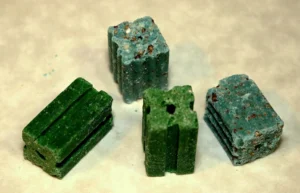
The good news about anticoagulant poisoning is that there’s an antidote. Vitamin K reverses the effects of anticoagulants. If someone gets to a hospital quickly, they can be treated effectively. This is a huge improvement over arsenic, which had no antidote.
Bromethalin poisoning affects the nervous system. Symptoms include muscle tremors, seizures, loss of coordination, and eventually paralysis.
There’s no specific antidote for bromethalin, but supportive care in a hospital can help. The key is getting treatment quickly.
Zinc phosphide poisoning happens fast because it releases toxic gas in the stomach. Symptoms include nausea, vomiting, stomach pain, and difficulty breathing. Treatment involves removing the poison from the stomach and providing supportive care. Again, speed is important.
All modern rat poisons are less immediately dangerous than arsenic was. They work more slowly, and medical treatment is more effective. But they’re still serious poisons that require immediate medical attention if ingested.
What to Do If You Find Old Rat Poison
If you find rat poison in an old building, inherited property, or even in your own storage that you’ve had for decades, you need to be careful. It could potentially contain arsenic or other banned ingredients.
Don’t use it. Regardless of what’s in it, rat poison that’s decades old isn’t going to work well anyway. The active ingredients have broken down, and it’s not safe to use.
Don’t open it if you can avoid it. Old rat poison might have degraded in ways that make it more dangerous to handle. If the package is sealed, leave it sealed.
Look for any identifying information. If you can see a label without opening the package, try to read the active ingredients, manufacturer name, and any dates. This information helps you figure out how old it is and what might be in it.
Contact your local hazardous waste disposal program. They can tell you how to safely dispose of old rat poison. Many areas have special collection days or drop-off sites for hazardous household chemicals.
Never throw old rat poison in regular trash. Even if it’s degraded, it’s still toxic enough to be dangerous to people or animals who might get into the trash.
If you’ve already opened or handled old rat poison, wash your hands thoroughly. If you develop any symptoms like nausea, vomiting, or feeling unwell, seek medical attention and tell them you may have been exposed to old rat poison that could contain arsenic.
How to Safely Use Modern Rat Poison
Understanding that modern rat poison doesn’t contain arsenic but is still dangerous helps you use it correctly. These safety steps apply to all rat poisons.
Always read the label completely before using any rat poison. The label tells you how to use it safely, where to place it, and what to do in case of accidental poisoning.
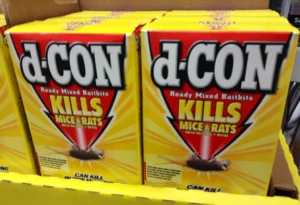
Keep rat poison in its original packaging. This ensures you always have access to the ingredient list and safety information. Don’t transfer it to unmarked containers.
Use bait stations whenever possible. These enclosed boxes let rats get to the poison while keeping children and pets out. They’re one of the best safety features you can use.
Place poison only in areas where children and pets can’t reach. Even with bait stations, put them in locations that are inaccessible to anyone except rats. Under appliances, in attics, or behind barriers work well.
Never place rat poison where it could contaminate food or food preparation areas. Even though modern rat poison doesn’t contain arsenic, it’s still toxic and shouldn’t be anywhere near anything people or pets eat.
Wear gloves when handling rat poison. You don’t want the chemicals on your skin, and you don’t want the oils from your hands on the bait (this can make rats less likely to eat it).
Wash your hands thoroughly after handling rat poison, even if you wore gloves. This is a basic safety step that prevents accidental ingestion.
Keep the product packaging and instructions somewhere safe. If there’s an emergency, you or medical professionals will need to know exactly what type of poison was involved.
Signs of Modern Rat Poison Poisoning
Knowing the symptoms of rat poison poisoning helps you respond quickly if someone accidentally ingests it. Remember, these are symptoms of modern poisons, not arsenic.
For anticoagulant poisons, symptoms might not appear for several days. This delayed onset is different from arsenic, which caused immediate illness.
Watch for unusual bruising, bleeding from the nose or gums, blood in urine or stool, weakness, pale skin, and shortness of breath.
Bromethalin poisoning shows neurological symptoms. Look for tremors, loss of balance, weakness in the limbs, seizures, and changes in behavior or awareness. These symptoms usually appear within hours to a few days after ingestion.
Zinc phosphide causes immediate symptoms because it releases gas in the stomach. Expect nausea, vomiting, stomach pain, and a smell like garlic or rotten fish on the breath. These symptoms appear within hours of eating the poison.
In all cases, call poison control immediately if you suspect someone has eaten rat poison. The number in the US is 1-800-222-1222. They can guide you based on the specific poison involved.
Go to the emergency room right away. Don’t wait to see if symptoms develop. Bring the rat poison package with you so doctors know exactly what was ingested.
For pets, contact your veterinarian or emergency animal hospital immediately. The symptoms are similar in animals, though they might not be able to communicate what they’re feeling as clearly as a human would.
Conclusion
Does rat poison have arsenic? No, modern rat poisons don’t contain arsenic. Arsenic-based rat poisons were banned decades ago because they were too dangerous to humans, pets, and the environment.
Today’s rat poisons use anticoagulants, bromethalin, zinc phosphide, or cholecalciferol as active ingredients.
While these are still dangerous and toxic, they’re generally considered safer than arsenic was because they work more slowly (allowing time for medical treatment) and because antidotes exist for some of them.
If you find old rat poison that could potentially contain arsenic, don’t use it. Contact your local hazardous waste disposal program for proper disposal instructions.
When using modern rat poison, always read the label, use bait stations, keep it away from children and pets, and know what to do in case of accidental poisoning.
The active ingredients in rat poison are clearly listed on every package. If you need to know what’s in a specific product, check the label under “Active Ingredients.”
This information is critical for both safe use and emergency response.

Hi, my name is Ezra Mushala, i have been interested animals all my life. I am the main author and editor here at snakeinformer.com.