
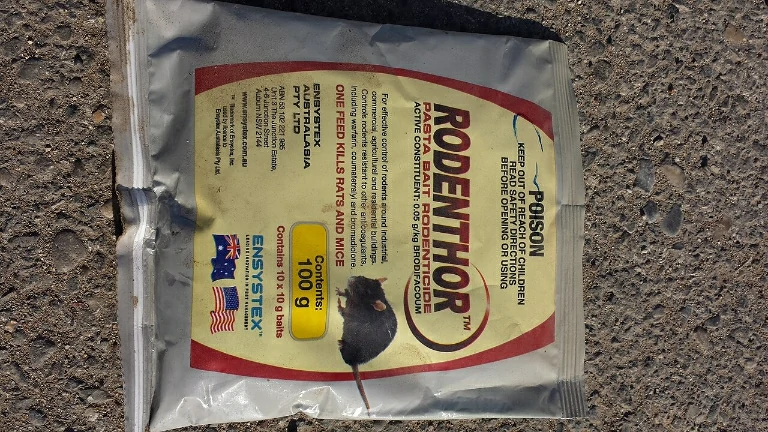
If you’re thinking about using rat poison in your home, you might be concerned about whether it’ll make your house smell bad. Or maybe you’re worried about being able to detect it if your kids or pets get into it.
The smell of rat poison is something a lot of people wonder about before they start using it. Does rat poison have a smell?
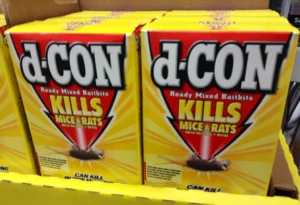
Most rat poisons do have a smell, but it usually comes from the bait material (like peanut butter or grains) rather than the active ingredient itself. The poison chemicals typically don’t have much odor, but the food used to attract rats does.
The smell you notice from rat poison isn’t usually strong enough to be bothersome in your home. It’s designed to attract rats without being obvious to humans.
However, understanding what rat poison smells like can help you identify it and keep your family safe.
What Fresh Rat Poison Smells Like
The smell of rat poison depends mainly on what type of bait is used. The active ingredient that actually kills the rats usually doesn’t smell like much of anything to humans.
Peanut butter-based rat poisons smell like peanut butter. This is one of the most common bait types because rats love peanut butter.
When you open a package of this type, you’ll get a pretty strong peanut butter smell. It’s not unpleasant, it just smells like the food it contains.
Grain-based poisons smell like grains or cereals. Some have a slightly sweet smell, kind of like oatmeal or wheat. Others might smell more savory.
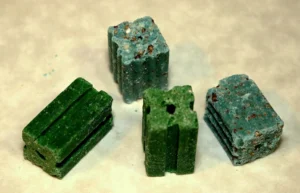
The smell is usually mild when the package is closed but becomes more noticeable when you open it.
Fish-flavored baits have a fishy smell. These are less common for rats (more often used for mice), but they do exist. The fish smell can be pretty strong and isn’t pleasant to most people.
Seed-based poisons smell earthy and nutty. If the bait uses sunflower seeds or other seeds, it’ll smell like those seeds. This is usually a mild, not unpleasant smell.
Some rat poisons have added attractants that create a sweet or fruity smell. Manufacturers add these to make the poison more appealing to rats.
These smells are usually subtle and not bothersome to humans.
Can You Smell the Poison Itself?
The actual toxic chemicals in rat poison usually don’t have much smell that humans can detect. The ingredients that kill rats (like anticoagulants, bromethalin, or zinc phosphide) are either odorless or have very faint chemical smells.
Anticoagulant poisons, which are the most common type, have no noticeable smell from the active ingredient. You’re only smelling the bait material.
These poisons use chemicals like bromadiolone or brodifacoum, which don’t give off odors that we can pick up on.
Bromethalin-based poisons also don’t have a distinct smell from the active ingredient. Again, any smell comes from the food bait that’s mixed with the poison.
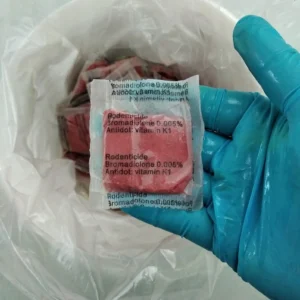
Zinc phosphide is an exception. This type of poison can have a slight garlicky or fishy smell, especially if it’s been exposed to moisture.
The smell isn’t strong enough to be obvious across a room, but if you get close to it, you might notice something. This smell gets stronger if the poison gets wet.
The dyes used to color rat poison don’t usually smell either. Most rat poisons are brightly colored (green, blue, red) to make them easy to identify, but these dyes are generally odorless.
How Strong Is the Smell?
The strength of the smell from rat poison varies depending on the product and how much of it you’re using. In most cases, the smell isn’t strong enough to be a problem in your home.
When the package is closed, you probably won’t smell anything. The packaging is designed to keep the smell contained. This is good for storage and also keeps the bait fresh longer.
When you open the package to put out poison, you’ll smell it then. The smell is strongest right when you first open the package.
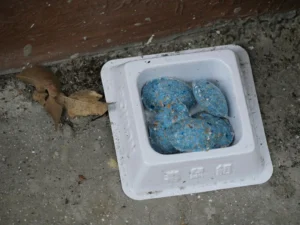
If you’re handling the poison to put it in bait stations or traps, you’ll notice the smell on your hands unless you’re wearing gloves.
Once you’ve placed the poison where rats will find it, the smell shouldn’t be noticeable unless you get really close.
If you put poison inside walls or in your attic, you won’t smell it from living areas of your house. If you put it under the sink or in a pantry, you might catch a whiff when you open that cabinet.
The smell from a small amount of poison (like one or two blocks) is much less than from a whole box. If you’re only putting out a little bit at a time, the smell is minimal.
Rats can smell the bait from much farther away than you can. Their sense of smell is way better than ours. What seems like a faint smell to us is a strong attractant to them.
Does Old or Expired Rat Poison Smell Different?
When rat poison goes bad or gets old, the smell changes. This is actually one way you can tell if your poison isn’t good anymore.
Fresh rat poison has a clean smell from whatever bait material it uses. Old poison often develops a musty or stale smell. This happens as the bait material breaks down over time. It’s similar to how crackers or cereal get a stale smell when they’re old.
If the poison has been exposed to moisture, it might smell moldy. Mold has a distinctive damp, earthy smell that’s not pleasant. If you smell mold from your rat poison, throw it away. It’s gone bad and won’t work anymore anyway.
Rancid smells can develop in poisons that use oils or fats in their bait. Peanut butter baits and some grain baits contain oils that can go rancid over time.
Rancid food has a sour, unpleasant smell. If your rat poison smells rancid, it’s past its prime.
Zinc phosphide poison that’s gotten damp will smell more strongly of garlic or rotten fish. This smell is from the poison reacting with moisture.
It’s a sign the poison is degrading and probably won’t be effective anymore.
Some old poison just smells “off” without any specific rancid or moldy notes. It’s hard to describe, but you’ll know it doesn’t smell right.
Trust your nose on this. If it smells wrong, don’t use it.
Will Rat Poison Make Your House Smell Bad?
One of the biggest concerns people have is whether using rat poison will make their home smell bad. The good news is that the poison itself usually won’t create odor problems in your living space.
The bait smell is generally not strong enough to be bothersome. Unless you’re putting out large quantities of poison in a small enclosed space, you probably won’t notice it during normal activities in your home.
The bigger smell problem with rat poison isn’t from the poison itself. It’s from dead rats. When rats die after eating poison, they can die in walls, attics, or other hard-to-reach places. As their bodies decompose, they create a terrible smell.
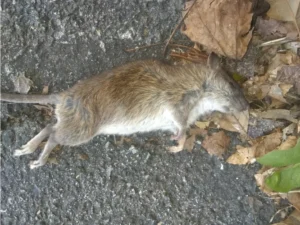
This dead rat smell is much worse than any smell from the poison itself. It’s a strong, putrid odor that can fill a room or even a whole house depending on where the rat died and how big it was.
The decomposition smell usually starts a few days after the rat dies and can last for a week or two depending on temperature and humidity.
In hot weather, it’s worse and doesn’t last as long (because decomposition happens faster). In cooler weather, the smell might be less intense but lasts longer.
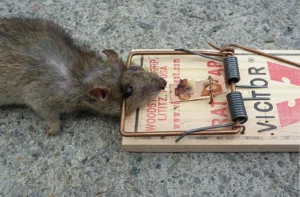
This is actually one of the biggest downsides to using poison instead of traps. With traps, you find and remove the rat right away. With poison, rats often die in places you can’t easily access, and you have to deal with the smell until the body fully decomposes.
Can Pets or Children Smell Rat Poison?
This is an important safety question. If your pets or children can smell rat poison, they might be attracted to it and try to eat it.
Dogs can definitely smell rat poison. Their sense of smell is thousands of times better than ours. If the poison uses a bait that smells like food (especially peanut butter), dogs will be very interested. This is why it’s critical to keep rat poison in places where dogs can’t reach it.
Cats can smell it too, though they’re usually less interested than dogs. Cats are carnivores and aren’t as attracted to grain and peanut butter smells. But some cats are curious about anything new in their environment and might investigate.
Small children are attracted to things that smell like food. If rat poison smells like peanut butter or something sweet, a young child might think it’s something to eat.
This is why rat poison is colored bright unnatural colors (to make it obvious it’s not real food) and why you should always keep it completely out of reach of children.
The smell alone won’t necessarily tell kids or pets that something is dangerous. The poison doesn’t smell “bad” in a warning sense. It smells like food, which is the whole point.
The danger is that this food smell attracts not just rats but also anyone else who smells it.
Rat Poison Smells vs. Other Rodent Control Products
If you’re comparing rat poison to other ways of controlling rats, smell is something to consider. Different methods have different odor profiles.
Snap traps and electronic traps don’t have any smell. They’re just pieces of metal and plastic. If you bait them, they’ll smell like whatever bait you use, but the traps themselves are odorless.
Glue traps might have a slight chemical smell from the adhesive, but it’s usually not noticeable. The smell isn’t strong enough to bother most people.
Live traps don’t smell either. Like snap traps, they only smell like whatever bait you put in them.
Rodent repellents often have strong smells. That’s how they work. Many use peppermint oil, which has a very strong minty smell.
Others use predator urine or other natural scents that rats avoid. These repellents can make areas of your home smell strongly, which some people find unpleasant.
Ultrasonic devices have no smell. They use sound frequencies that humans can’t hear to repel rats, so there’s no odor at all.
Compared to these other options, rat poison has a moderate smell. It’s more noticeable than traps but less intrusive than most repellents.
Does Rat Poison Smell Attract Rats?
This is a key question. The whole point of the smell is to attract rats to the poison so they’ll eat it. Understanding how this works helps you use poison more effectively.
Yes, the smell is specifically designed to attract rats. Rats find food largely by smell. A rat can smell food from several feet away, even through walls or floors.
The bait smell in rat poison is meant to draw rats in.
Different rats prefer different smells. Some rats are more attracted to peanut butter, others to grains or seeds. This is why there are different types of rat poison bait. If rats aren’t eating one type, you might have better luck with a different kind.
The smell needs to be strong enough for rats to detect it but not so strong that it’s obvious to humans. Manufacturers have found the right balance through testing. The poison smells good to rats without making your house smell bad.
Fresh poison smells more attractive to rats than old poison. As the bait ages and goes stale, it becomes less appealing. This is one reason why fresh rat poison works better than old poison that’s been sitting around.
Some poisons have extra attractants added to make the smell even more appealing to rats. These are chemicals that rats really like but that don’t necessarily smell like anything specific to us.
Safety Concerns Related to Smell
The smell of rat poison raises some safety issues you should be aware of. Being able to identify rat poison by smell can be important in emergencies.
If you smell rat poison on your child’s hands or breath, that’s a red flag they might have gotten into it. The food smell (peanut butter, grain, etc.) combined with being in an area where you’ve put out poison means you should call poison control right away.
If your dog’s breath smells like rat poison bait, check to see if any poison is missing. Dogs that eat rat poison often have the smell on their breath right afterward. This can help you identify poisoning early when treatment is most effective.
The lack of a strong chemical smell means you can’t rely on smell alone to identify rat poison. A child might think a green block that smells like peanut butter is some kind of candy or snack. This is why storage and placement are so critical.
If you can’t smell anything but find open packages of rat poison, assume someone could have eaten it. Young children especially might not tell you they ate something, so if there’s any chance of ingestion, call poison control.
The smell of rat poison on your hands after handling it is a reminder to wash thoroughly. Even though the poison doesn’t have a strong chemical smell, it’s still toxic. Wash your hands well before touching food or your face.
How to Minimize Smell Issues
If you’re concerned about smell when using rat poison, there are steps you can take to minimize any odor problems.
Use bait stations. These enclosed boxes contain the poison and help contain the smell. The rats can get in to eat the poison, but the smell doesn’t escape as much into your living space.
Put poison in areas with good ventilation. Attics, garages, and outdoor areas are better choices than small enclosed spaces like closets. Good air flow helps dissipate any smell.
Don’t use more poison than you need. Using excessive amounts won’t kill rats faster, but it will create more smell. Put out enough to deal with your rat problem, but don’t overdo it.
Choose poison types carefully. If smell is a concern, avoid fish-flavored baits and stick with grain-based options that have milder smells.
Replace poison regularly. Fresh poison smells less than old poison. Check your bait stations weekly and replace any poison that’s gotten old or damp.
Keep poison sealed when not in use. Store it in its original packaging in a sealed container. This keeps the smell contained and also keeps the poison fresh longer.
Conclusion
Does rat poison have a smell? Yes, most rat poisons do smell, but the odor comes from the bait material rather than the poison itself. The smell is usually food-based (peanut butter, grains, seeds) and is designed to attract rats.
The smell isn’t typically strong enough to be bothersome in your home unless you use large amounts or store it improperly. The active poison chemicals usually don’t have noticeable odors to humans.
The bigger smell concern with rat poison isn’t the poison itself but the dead rats that result from using it. Rats often die in walls or other inaccessible places, creating decomposition odors that can be much worse than any smell from the poison.
Understanding what rat poison smells like helps with both effective use and safety. The food-like smell that attracts rats can also attract pets and children, so proper storage and placement are critical.

Hi, my name is Ezra Mushala, i have been interested animals all my life. I am the main author and editor here at snakeinformer.com.