
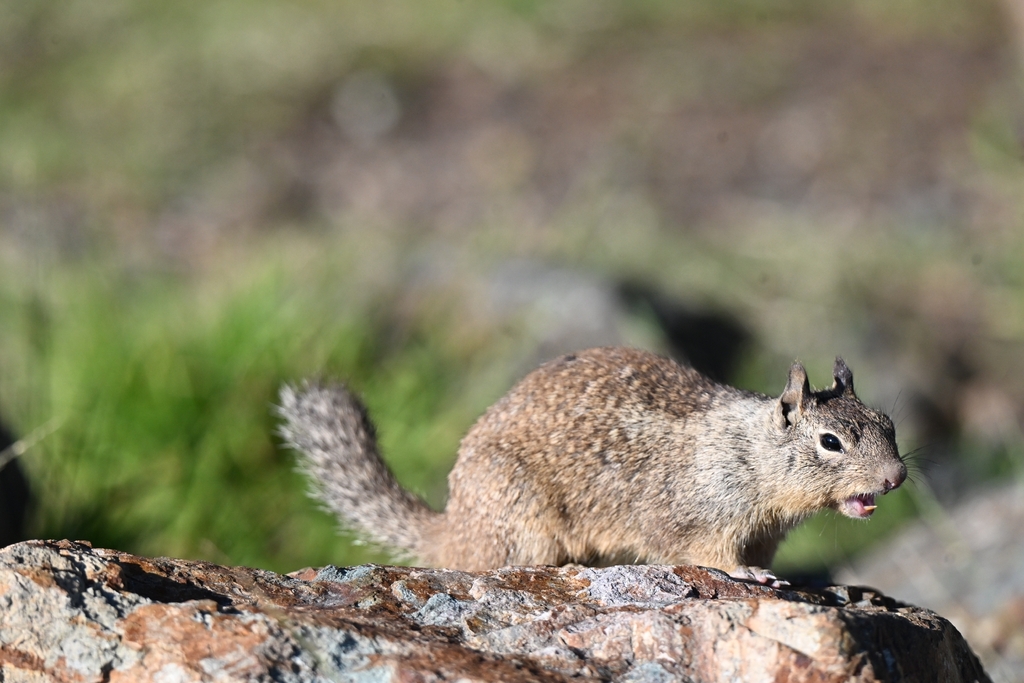
If you’re using electric rat traps outdoors or in areas where squirrels might get in, you’re probably worried about accidentally catching the wrong animal. Nobody wants to hurt a squirrel when they’re just trying to get rid of rats. So will an electric rat trap kill a squirrel?
Yes, an electric rat trap can kill a squirrel if the squirrel is small enough to fit inside the trap. The same high-voltage shock that kills rats (6,000 to 8,000 volts) will also kill a squirrel instantly. However, many adult squirrels are too large to enter rat traps, which provides some protection.
The real risk is with young squirrels or smaller species that can fit through the entrance.
Why Squirrels Might Enter Rat Traps
Squirrels are curious and always looking for food. If they smell bait inside an electric rat trap, they might try to get in.
Common rat baits like peanut butter, nuts, and seeds are also favorite foods of squirrels. To a squirrel, an electric rat trap looks like an easy meal.
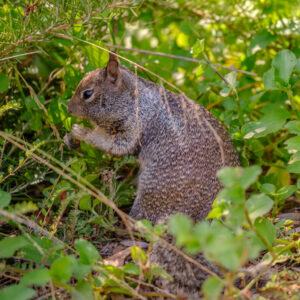
Squirrels will explore any opening they find, especially if it leads to something that smells good. They don’t know the trap is dangerous.
If you’ve placed your trap in an area where squirrels are active, there’s a real chance one might wander inside.
How Size Affects Whether a Squirrel Can Enter
Adult gray squirrels (the most common type in North America) are usually too big to fit into standard rat traps.
A rat trap entrance is typically 2 to 3 inches wide. An adult gray squirrel’s body is about 9 to 12 inches long, not counting the tail, and their head and shoulders are too wide to squeeze through a rat-sized opening.

However, young squirrels are much smaller. A juvenile squirrel might be able to fit through the entrance, especially if it’s determined to get to the food inside.
Red squirrels and flying squirrels are also smaller than gray squirrels. These species can sometimes fit into rat traps.
What Happens If a Squirrel Gets Inside
If a squirrel manages to enter an electric rat trap, it will be killed just like a rat.
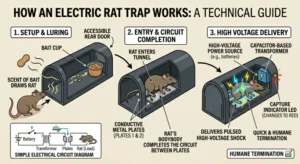
The trap can’t tell the difference between a rat and a squirrel. As soon as the squirrel steps on the metal plates and completes the circuit, it gets shocked.
Squirrels are roughly the same size as rats, maybe a bit bigger. The voltage that kills a rat will easily kill a squirrel.
The squirrel will die instantly, just like a rat would. There’s no suffering, but you’ve still killed an animal you didn’t intend to.
How to Prevent Catching Squirrels
If you want to use electric rat traps but don’t want to risk killing squirrels, there are ways to reduce the chances.
Use the Trap Indoors
The easiest solution is to only use electric traps inside your house where squirrels can’t get to them.
Squirrels almost never come inside homes unless there’s a major entry point like a hole in the roof. If you’re just dealing with rats indoors, you probably won’t catch any squirrels.
Place the Trap in Enclosed Spaces
If you need to use the trap in a garage, shed, or attic, put it in a spot where squirrels don’t go.
Squirrels tend to stay near windows, rafters, and other high places. Rats prefer to travel along the floor near walls.
By placing the trap at ground level in a corner, you make it more likely that rats will find it and less likely that squirrels will.
Block Access to the Trap
You can build a wooden or plastic box around the trap with a rat-sized hole in it. Make the hole just big enough for a rat but too small for a squirrel.
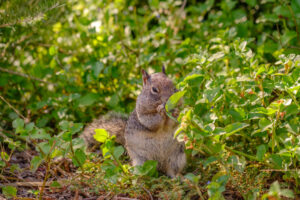
This creates a barrier that keeps larger animals out while still letting rats in.
Use Less Attractive Bait
Some baits appeal more to rats than to squirrels. Try using chocolate or bacon instead of nuts or peanut butter.
Squirrels love nuts and seeds, so if you avoid those, you might reduce the chances of attracting them.
Don’t Use Traps During Squirrel Nesting Season
Squirrels have babies in early spring and late summer. During these times, young squirrels are exploring and are more likely to accidentally get into traps.
If you can wait until late fall or winter to trap rats, there will be fewer young squirrels around.
What to Do If You Catch a Squirrel
If you open your electric trap and find a dead squirrel instead of a rat, don’t panic.
First, make sure it’s actually a squirrel and not a large rat. Sometimes rats can look surprisingly similar, especially if you’re not used to seeing them.
If it is a squirrel, dispose of the body the same way you would dispose of a rat. Put it in a plastic bag and throw it away, or bury it if local laws allow.
Clean the trap thoroughly before using it again. Squirrels can carry diseases just like rats.
Going forward, take steps to prevent catching more squirrels. Move the trap to a different location or add barriers to keep squirrels out.
Are You Allowed to Kill Squirrels?
Laws about killing squirrels vary depending on where you live. In some places, squirrels are protected and you can’t kill them except during hunting season.
In other areas, squirrels are considered pests and can be killed year-round if they’re causing problems.
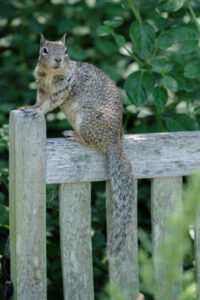
Even if it’s legal to kill squirrels in your area, accidentally killing one in a rat trap might still be an issue. Some laws require you to use species-specific traps.
Check your local wildlife regulations before using electric traps in areas where squirrels are present. You can usually find this information on your state’s fish and game department website.
How Electric Traps Compare to Other Methods for Squirrels
If you actually want to catch squirrels (not just avoid them), electric traps aren’t the best choice.
Live Traps
Live cage traps designed for squirrels are a better option if you need to remove squirrels from your property.
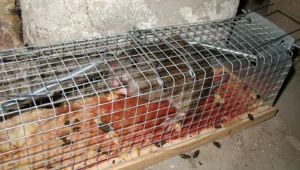
These traps catch squirrels alive so you can release them elsewhere. They’re also bigger and easier for squirrels to enter than rat traps.
Snap Traps
There are snap traps made specifically for squirrels. These are larger than rat snap traps and more likely to kill a squirrel instantly.
However, snap traps can still miss and only injure the animal, which is cruel.
Exclusion
The best way to deal with squirrels is to keep them out in the first place. Seal holes in your roof, trim tree branches away from your house, and secure garbage cans.
This prevents squirrels from getting into your home or property without killing them.
Can Squirrels Learn to Avoid the Trap?
Squirrels are smart. If one squirrel gets shocked and survives (which is unlikely but possible if the batteries are weak), it might learn to avoid the trap.
Squirrels also communicate with each other through sounds and scent. If one squirrel dies in a trap, other squirrels in the area might smell the dead body and avoid that spot.
This means that after catching one squirrel, you might not catch any more, even if they’re still around.
What About Ground Squirrels?
Ground squirrels are different from tree squirrels. They’re smaller and live in burrows instead of trees.
Ground squirrels are much more likely to enter rat traps because they’re closer in size to rats. They also travel along the ground where rat traps are usually placed.
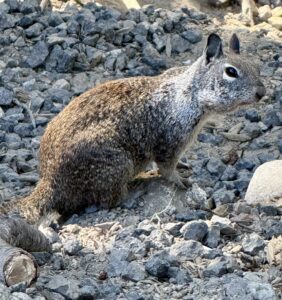
If you have ground squirrels in your area and you’re using electric rat traps outside, you’re very likely to catch them.
The same prevention methods apply. Use the trap indoors, block access with barriers, or switch to rat-specific bait.
How to Tell If You Have Squirrels or Rats
Before you start trapping, make sure you actually have rats and not squirrels. The signs are different.
Rat Signs
Rats leave droppings that are dark, pellet-shaped, and about 1/2 to 3/4 inch long. They have gnaw marks with large, rough tooth marks.
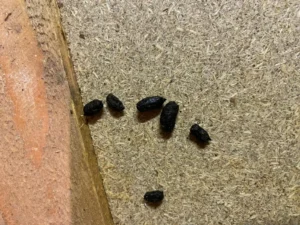
Rats are most active at night. If you hear scratching in your walls or attic after dark, it’s probably rats.
Rats also leave greasy rub marks along walls and baseboards from their oily fur.
Squirrel Signs
Squirrels leave larger droppings, about 1/2 inch long and rounder than rat droppings.
They’re active during the day. If you hear noise in your attic in the morning or afternoon, it’s more likely to be squirrels.
Squirrels also make a lot more noise than rats. You’ll hear running, jumping, and scratching sounds.
What If You Want to Trap Both?
Some people have both rats and squirrels in their attic or garage. In that case, you might be okay with catching either one.
If that’s your situation, an electric trap will work fine. Just be aware that you might end up with dead squirrels in addition to rats.
Make sure this is legal in your area before you start trapping. Again, check local wildlife laws.
Ethical Considerations
Even if it’s legal to kill squirrels, you should think about whether you actually want to.
Squirrels are native wildlife and play important roles in their environment. They plant trees by burying seeds, provide food for predators, and generally aren’t as destructive as rats.

Rats, on the other hand, are invasive pests that spread disease and cause serious damage to homes.
If you can avoid killing squirrels while still getting rid of rats, that’s usually the better choice.
Are There Traps That Target Only Rats?
Unfortunately, there’s no such thing as a trap that will only catch rats and never catch anything else.
Any trap that catches rats based on size could also catch similarly sized animals like young squirrels, chipmunks, or even small rabbits.
The best you can do is make the trap as inaccessible to non-target animals as possible through placement, barriers, and bait choice.
What About Other Animals?
Besides squirrels, other animals could potentially enter electric rat traps.
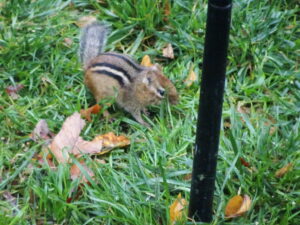
Chipmunks are small enough to fit easily. They’ll be killed just like a rat.
Small rabbits might be able to squeeze into larger rat traps, especially outdoor models.
Birds sometimes enter traps if they can reach the bait. They’ll also be killed by the shock.
Mice are too small to trigger most rat traps. They can walk in and out without touching both metal plates at once.
If you’re worried about catching non-target animals, the safest approach is to use traps indoors where wild animals can’t access them.
Do Commercial Traps Have Squirrel Protection?
Some commercial electric rat traps advertise features to prevent catching non-target animals, but these aren’t foolproof.
The main “protection” is just the size of the entrance. It’s designed for rats, which makes it harder for larger animals to get in.
But as we’ve discussed, smaller squirrels can still fit, and there’s no mechanism that actually identifies what kind of animal is entering.
Don’t rely on the trap to discriminate between rats and squirrels. You need to take your own precautions.
Conclusion
Yes, an electric rat trap will kill a squirrel if the squirrel is small enough to fit inside. The high-voltage shock that kills rats will kill squirrels just as quickly.
Adult gray squirrels are usually too large to enter standard rat traps, but young squirrels, red squirrels, and flying squirrels might fit. Ground squirrels are especially at risk.
To avoid catching squirrels, use electric traps indoors, place them in areas squirrels don’t frequent, build barriers around the trap, or choose bait that’s less attractive to squirrels. Check local laws to make sure accidentally killing squirrels won’t get you in trouble.
If you do catch a squirrel, dispose of it properly and take steps to prevent it from happening again.

Hi, my name is Ezra Mushala, i have been interested animals all my life. I am the main author and editor here at snakeinformer.com.