
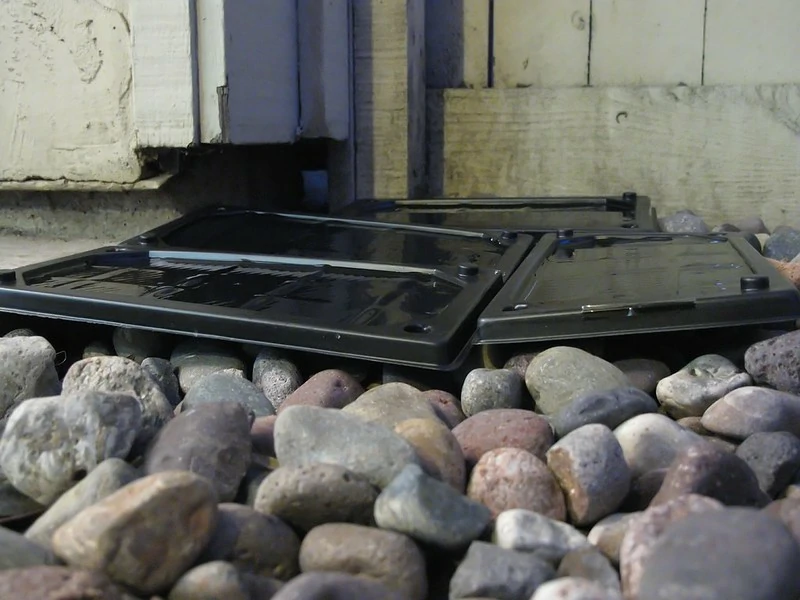
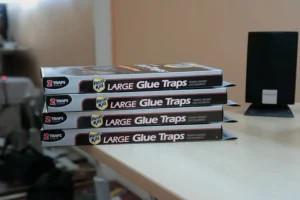
If you’ve ever handled a glue trap or accidentally stepped on one, you know how incredibly sticky they are. The adhesive is designed to hold rodents in place, which means it’s strong enough to stick to your skin and not let go.
Water and soap alone won’t remove it, and the more you try to pull it off, the more it seems to spread and stick to other parts of your body. It can be frustrating and even a bit scary if you’ve never dealt with it before. So how do you remove rat trap glue from your skin?
You can remove rat trap glue from skin using cooking oil, baby oil, or petroleum jelly. Apply the oil generously to the glue-covered area, massage it in for several minutes to break down the adhesive, then gently wipe away the loosened glue. Finish by washing with soap and water to remove oil residue.
The key is using an oil-based product to dissolve the petroleum-based adhesive. The oil breaks down the glue’s sticky bonds and makes it soft enough to wipe or rub off without damaging your skin.
You’ll need to be patient and work the oil into the glue thoroughly before trying to remove it.
Why Regular Soap and Water Don’t Work
Glue traps use a petroleum-based adhesive that’s specifically made to be water-resistant. This is why a rodent can’t escape even if they sweat or if moisture gets on the trap.
When you try to wash glue trap adhesive off with just water and regular soap, nothing happens. The water just beads up on the surface of the glue and rolls off.
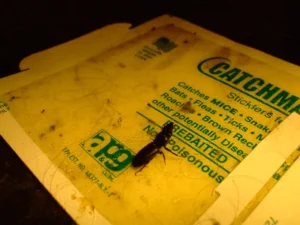
In some cases, trying to wash it with water actually makes things worse because you spread the glue around to other parts of your skin. The adhesive is designed on a chemical level to repel water, so water-based cleaning methods simply won’t work.
This is the same reason why you can’t clean oil off your hands with just water. You need something that can break down the oil itself, which is where dish soap comes in.
But even dish soap won’t work on glue trap adhesive until you’ve first broken down the glue with oil. You have to dissolve the adhesive’s structure before you can wash it away.
What You’ll Need to Remove the Glue
Before you start, gather everything you’ll need so you don’t have to walk around with glue on your hands looking for supplies.
You’ll need cooking oil (vegetable oil, olive oil, canola oil, or any other cooking oil you have), baby oil as an alternative, petroleum jelly (like Vaseline) for stubborn spots, paper towels or clean cloth, dish soap (Dawn works particularly well), and warm water.
All of these items are common household products, so you probably have them already. If you don’t have cooking oil, mineral oil or coconut oil will also work.
The important thing is that it’s an oil-based product. Butter or margarine can work in a pinch too, though they’re messier and less effective than liquid oils.
Don’t waste time trying other products or home remedies you find online unless they’re oil-based. Things like rubbing alcohol, vinegar, or hand sanitizer won’t work on this type of glue and will just frustrate you.
Step-by-Step: Removing Glue from Your Hands
Start by pouring a generous amount of cooking oil onto the glue-covered areas of your skin. Don’t be stingy with it because you need enough oil to really coat all the glue.
If the glue is on your hands, pour oil into your palm and rub your hands together as if you’re washing them. Work the oil into every part where there’s glue.
You’ll feel the texture of the glue starting to change after a minute or two. It will become softer and less aggressively sticky.
Keep massaging the oil into the glue for about 5 minutes. This gives the oil time to really break down the adhesive’s chemical bonds.
As you work the oil in, you’ll notice the glue starting to ball up or roll off your skin in sticky clumps. Help this process along by gently rubbing your hands together or using your fingers to roll the glue off.
Don’t pull hard or try to force it because you could irritate your skin. Just let the oil do the work and be patient.
Once most of the glue has come off, add more oil if needed and repeat the process for any remaining sticky spots. For really stubborn areas, petroleum jelly works even better because it’s thicker and stays in contact with the glue longer.
Washing Your Hands After Removing the Glue
Once you’ve removed all the glue, your hands will be covered in oil and whatever bits of glue residue are left. You need to wash this off thoroughly before you touch anything else.
This is where dish soap comes in. Put a generous amount of dish soap in your palm and add just a tiny bit of water.
Rub your hands together to create a lather. The dish soap is designed to cut through grease and oil, so it will break down the cooking oil you used to remove the glue.
Wash your hands thoroughly, making sure to scrub between your fingers, under your nails, and all over your palms and backs of your hands. Rinse with warm water.
You’ll probably need to wash twice or even three times to get all the oil off. Your hands should feel clean and not slippery when you’re done.
If they still feel oily after washing, repeat the process with more dish soap. Once your hands are completely clean, dry them with a clean towel.
Your skin might feel a bit dry after all this washing, so it’s a good idea to apply hand lotion once you’re done.
Removing Glue from Other Parts of Your Body
If you got glue trap adhesive on parts of your body other than your hands, the process is basically the same but requires a bit more care. For glue on your arms or legs, apply cooking oil to the area and massage it in just like you would on your hands.
For glue on your feet (which happens if you step on a trap), sit down so you can reach your feet comfortably and work the oil in with your hands. Let it sit for several minutes before trying to remove the glue.
If you have glue in areas with hair (like arms or legs), be extra gentle when removing it because the glue can get tangled in the hair. Work the oil in thoroughly and give it plenty of time to break down the adhesive before trying to pull anything off.
You might need to use more oil than you would on smooth skin because hair provides more surface area for the glue to stick to. For sensitive areas or anywhere with thin skin, use baby oil instead of cooking oil because it’s gentler.
After removing the glue, wash the area thoroughly with soap and water in the shower or bath. Make sure you get all the oil residue off because leftover oil can make you slippery and could stain your clothes.
What to Do If Glue Gets on Your Face
Getting glue trap adhesive on your face is more serious than getting it on your hands because the skin on your face is more sensitive and delicate. If you have glue on your face but not near your eyes, nose, or mouth, you can carefully use baby oil to remove it.
Apply a small amount of baby oil to a cotton ball or soft cloth and gently dab it onto the glue. Let it sit for a few minutes, then very carefully wipe the glue away.
Work slowly and don’t pull or rub hard. If you have glue very close to your eyes, in your eyes, up your nose, or in your mouth, do not try to remove it yourself.
These are extremely sensitive areas and you could cause serious damage if you’re not careful. Go to a doctor or emergency room right away and let a medical professional handle it.
They have the right tools and training to remove the glue safely without hurting you. Even if the glue is just on the edge of your eyelid or very close to your eye, it’s better to be safe and get professional help.
Your vision is too important to risk.
Dealing with Glue Stuck in Hair
If glue trap adhesive gets in your hair, you’re facing a trickier situation. The glue wraps around individual hairs and creates a matted, sticky mess that’s really hard to deal with.
Start by applying a lot of oil (baby oil or cooking oil both work) to the glue-covered hair. Massage it in thoroughly and let it sit for at least 10 minutes.
The oil needs time to penetrate all the way into the tangled mess. After letting it sit, gently try to work the glue out of your hair with your fingers.
Don’t pull or yank because that will just rip your hair out. Work slowly and add more oil as needed.
A wide-toothed comb can help, but only use it very gently. If the glue is really stuck and won’t come out even with lots of oil and time, you might need to cut that section of hair.
Use sharp scissors and cut as little as possible. If the glue is in a large section of hair or somewhere visible where you don’t want to cut it yourself, go to a hair salon.
Professional hairdressers have dealt with all kinds of sticky situations (including gum in hair, which is similar) and they can help remove it or trim it in a way that looks good.
Products That Don’t Work (and Might Make It Worse)
There are several things people sometimes suggest for removing sticky substances that you should not use on glue trap adhesive. Don’t use nail polish remover or acetone.
While these might break down the glue, they’re harsh chemicals that can damage and dry out your skin. They can also be absorbed through your skin and cause health problems if you use enough of them.
K. Latham CC BY-NC-SA 2.0
Don’t use rubbing alcohol or hand sanitizer. These won’t work on petroleum-based adhesives and they’ll just dry out your skin for no benefit.
Don’t use gasoline, paint thinner, turpentine, or any other harsh solvents. These are toxic and can cause chemical burns on your skin.
Don’t use ice or try to freeze the glue off. This doesn’t work and you’ll just end up with cold, uncomfortable skin that still has glue on it.
Stick with safe, household oils that are designed to contact skin. Cooking oil, baby oil, mineral oil, coconut oil, and petroleum jelly are all safe and effective.
How to Remove Glue That’s Been on Your Skin for a While
If you couldn’t remove the glue right away and it’s been sitting on your skin for hours or even a day, it might be harder to remove because it’s had time to really bond with your skin and collect dirt and debris. The process is still the same, but you’ll need to be more patient.
Apply oil generously and let it sit for longer (10 to 15 minutes instead of 5). You might need to repeat the oil application several times before the glue starts to break down.
The good news is that even old, dried glue will eventually come off with enough oil and time. Don’t try to force it off or scrape at it with anything sharp because you’ll damage your skin.
Just keep applying oil and gently working at it. Your skin naturally sheds dead cells, so even if you can’t get every tiny bit of glue off immediately, it will eventually come off on its own as your skin renews itself over the next few days.
If you have a small amount of stubborn residue left after you’ve removed the bulk of the glue, don’t stress about it. It will wear off naturally with normal washing and daily activities.
Checking Your Skin for Irritation or Damage
After you’ve successfully removed all the glue, check your skin carefully for any problems. Look for redness, swelling, cuts, or areas that look irritated.
Glue trap adhesive can sometimes pull off the top layer of skin when it’s removed, especially if you have sensitive skin or if you tried to pull the glue off before using oil. This can leave your skin looking pink or raw.
If you see any raw spots, clean them gently with warm water and apply an antibiotic ointment like Neosporin to prevent infection. Cover them with a bandage if they’re in an area that might get dirty or rubbed.
Watch these spots over the next few days for signs of infection like increased redness, swelling, warmth, or pus. If your skin becomes infected, you’ll need to see a doctor for antibiotics.
Most of the time, minor skin irritation from glue removal will heal on its own within a few days. If you notice a rash, hives, or any allergic reaction after handling glue trap adhesive, wash the area thoroughly and take an antihistamine like Benadryl.
Some people have reactions to the chemicals in the glue itself. If the reaction is severe or includes difficulty breathing, get emergency medical help immediately.
Preventing Glue from Getting on Your Skin in the First Place
The best way to deal with glue trap adhesive on your skin is to avoid getting it there at all. When setting up or checking glue traps, wear disposable gloves.
This protects your hands completely and if you do accidentally touch the sticky part, you can just throw the gloves away. Use the cardboard edges or frame of the trap to hold it, never touch the sticky surface directly.
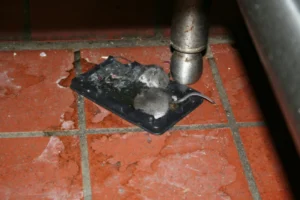
When disposing of a glue trap (whether it’s caught something or not), don’t grab it with your bare hands. Use a plastic bag turned inside out like a glove to pick it up, then turn the bag right-side out to seal the trap inside.
If you have kids in your home, keep glue traps completely out of their reach. Young children will touch anything, and they don’t understand that glue traps are dangerous.
The same goes for pets. If you have dogs, cats, or other animals that might investigate a glue trap, place the traps only in areas your pets can’t access.
Better yet, consider using different types of traps that don’t use sticky adhesive. Snap traps and electronic traps don’t have this problem at all.
When to Seek Medical Help
Most of the time, you can remove glue trap adhesive from your skin at home without any problems. But there are situations where you should get professional medical help.
If you have glue in your eyes, go to the emergency room or an urgent care center immediately. Don’t try to remove it yourself because you could damage your cornea or other sensitive parts of your eye.
If you have glue inside your nose or mouth and you swallowed any of it, seek medical attention. The glue could cause blockages or other internal problems.
If you have glue covering a large area of your body (more than just your hands or feet), or if the glue is on a baby or very young child, see a doctor. Young children have more sensitive skin and the chemicals in the glue might affect them differently than adults.
If you develop a severe allergic reaction (difficulty breathing, swelling of the face or throat, widespread rash), call 911 or go to the emergency room right away. If you tried to remove the glue yourself but you damaged your skin in the process and have large raw areas, deep cuts, or severe irritation, get medical care.
Don’t wait to see if it gets better on its own because skin infections can become serious quickly.
Conclusion
Removing rat trap glue from your skin isn’t complicated, but it does require the right approach. Use cooking oil, baby oil, or petroleum jelly to break down the adhesive, work it in thoroughly for several minutes, then gently remove the loosened glue.
Wash your hands or affected area with dish soap and warm water to remove all the oil residue. Check your skin for any damage or irritation and treat any raw spots with antibiotic ointment.
If you have glue in sensitive areas like your eyes, nose, or mouth, don’t try to handle it yourself. Get medical help right away.
Most importantly, be careful when handling glue traps in the future and consider whether they’re really the best option for your pest control needs.

Hi, my name is Ezra Mushala, i have been interested animals all my life. I am the main author and editor here at snakeinformer.com.