
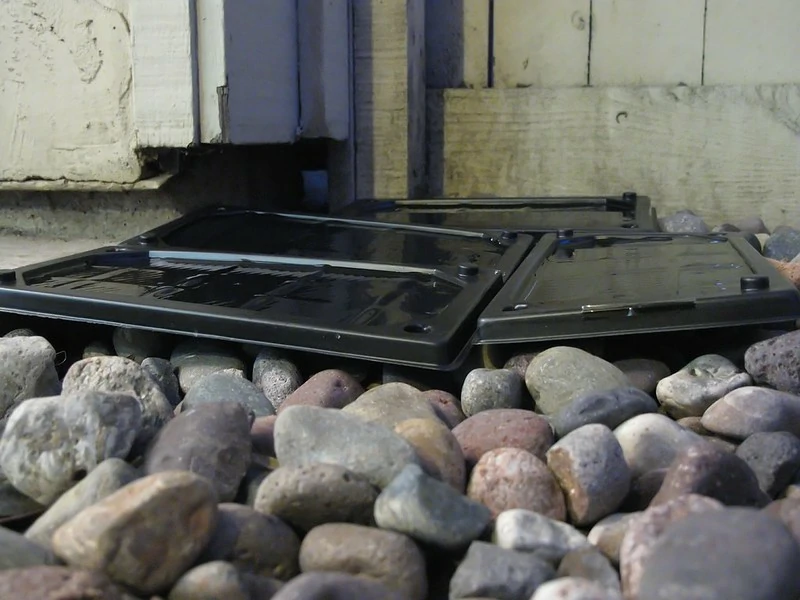
If you’ve ever wondered what makes glue traps so sticky that they can hold a struggling rat in place, you’re not alone. These traps are incredibly effective at catching rodents, but the glue seems almost impossibly strong.
Understanding what type of adhesive is used can help you use these traps more effectively and also know how to remove the glue if it gets on your skin or other surfaces. So what kind of glue is used on rat traps?
Rat traps use a synthetic adhesive made from polybutene or polyisobutylene, which are petroleum-based compounds. This glue stays sticky for months without drying out, can hold rodents weighing several ounces, and works in various temperatures. The adhesive is non-toxic but extremely difficult to remove without using oil or special solvents.
The glue used in these traps is specifically designed to be super sticky and to stay that way for a long time.
It’s not the same as regular household glue or adhesives you’d use for crafts or repairs.
The Main Ingredient in Glue Trap Adhesive
The sticky substance on most rat traps is made from polybutene, which is sometimes called polyisobutylene. This is a synthetic material made from petroleum products.
Polybutene is a thick, sticky liquid that looks sort of like honey but is way stickier.
Chemical companies make it by processing certain parts of crude oil through a series of steps. The end result is a substance that stays gooey and tacky basically forever.
This material was actually developed for other uses first. Industries use polybutene in things like caulk, sealants, and certain types of adhesive tapes.
Someone figured out it would work great for catching rodents because it doesn’t dry out and it stays super sticky even when exposed to air.
The polybutene used in rat traps is usually mixed with other ingredients to make it work even better. These extras help control how thick the glue is and how well it grabs onto fur and skin.
Why This Type of Glue Works So Well for Catching Rats
Regular glue would be terrible for rat traps because it would dry out in just a few days. The glue needs to stay sticky for weeks or even months while sitting on your floor waiting to catch a rat.
Polybutene-based adhesives don’t ever really dry. They stay in a liquid-ish state basically forever because they don’t contain water or solvents that evaporate. This means you can set a glue trap and it’ll still work just as well three months later.
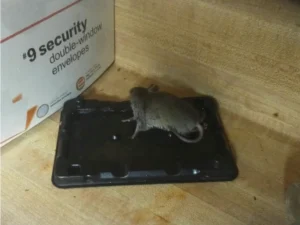
The glue is also really good at grabbing onto surfaces. When a rat steps on it, the adhesive immediately sticks to the fur and skin on its feet. As the rat struggles and tries to pull away, more of its body gets stuck to the trap.
Temperature doesn’t mess with polybutene much either. It stays sticky whether your house is cold in winter or hot in summer.
Some cheaper adhesives get too hard when it’s cold or too runny when it’s hot, but good quality rat trap glue keeps the same consistency.
The adhesive is also thick enough that rats can’t just lick it off or bite through it. When they try, the glue just sticks to their mouth and face too. This makes escape pretty much impossible once they’re caught.
How Strong Is Glue Trap Adhesive?
The holding power of glue trap adhesive is actually really impressive when you think about it. These traps can hold rats that weigh several ounces and are struggling with all their strength.
A typical rat weighs between 5 and 10 ounces. When it gets stuck on a trap, it’ll thrash around trying to escape. The glue has to be strong enough to keep the rat in place despite all that movement and force.
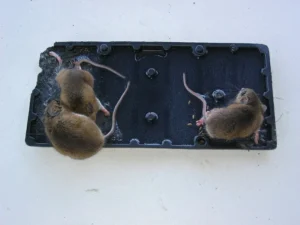
The adhesive strength comes from how it bonds to surfaces on a molecular level. The long chain molecules in polybutene wrap around fur and skin fibers, creating thousands of tiny contact points.
Breaking free would require breaking all these connections at once, which is basically impossible for a trapped animal.
Different brands use slightly different formulas, so some traps are stickier than others. Professional-grade traps usually have stronger adhesive than the cheap ones you might find at a dollar store.
The professional versions can even catch larger animals like squirrels or possums if they step on them.
Some glue traps are strong enough that you’ll have a hard time pulling them off surfaces if you set them down wrong.
If you accidentally put one on your floor without the protective paper underneath, you might end up with glue residue that’s really tough to remove.
Other Ingredients Mixed With the Main Adhesive
While polybutene is the main ingredient, rat trap manufacturers add other stuff to make the glue work even better.
Some traps include food-grade oils mixed into the adhesive. These oils serve two purposes. First, they help control the thickness of the glue
Second, they can actually attract rats because the smell is similar to certain foods.
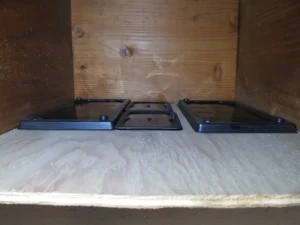
Manufacturers might add stabilizers to prevent the glue from breaking down over time. Even though polybutene naturally lasts a long time, these extra ingredients help it stay sticky for even longer periods.
Some brands include substances that resist moisture. This stops the glue from getting watery if humidity is high or if the trap gets splashed with water.
Water can weaken some adhesives, but the moisture-resistant additives keep the trap working even in damp basements.
You might also find attractants mixed right into the adhesive. These are scented compounds that smell like food to rats.
The rat comes to investigate the smell and ends up stepping on the trap before it realizes what’s happening.
All these extra ingredients are chosen carefully to make sure they don’t reduce the stickiness of the main adhesive. They’re usually used in small amounts, with polybutene making up the bulk of the formula.
Is the Glue on Rat Traps Toxic or Dangerous?
The good news is that the adhesive used on rat traps isn’t toxic. Polybutene is considered safe and is even used in some products humans use.
You can actually find polybutene in certain kinds of lip gloss and moisturizers. Obviously it’s a much more refined version, but the basic substance is the same. This tells you that the chemical itself won’t poison you if you touch it.
The glue won’t hurt you if you get it on your skin. It’s really annoying and hard to remove, but it’s not dangerous.
Some people worry about chemical burns or allergic reactions, but these are extremely rare with polybutene-based adhesives.
However, you should still avoid getting it in your mouth or eyes. While it’s not toxic, having something that sticky in your mouth or eyes would be really uncomfortable and hard to remove.
If you do get it in your eyes, you’ll need to flush them with water and probably see a doctor to help remove it safely.
The bigger concern with glue traps isn’t the glue itself, but the rat that might be stuck on it. Rats can carry diseases, so you need to be careful when handling a trap with a rat on it.
Always wear gloves and never touch the rat directly.
Some people are concerned about pets or small children touching the traps. While the glue won’t poison them, it’ll make a huge mess and be really distressing. A cat or dog that steps on a glue trap will panic and might hurt themselves trying to get free.
How to Remove Glue Trap Adhesive From Skin
If you get glue trap adhesive on your hands or skin, don’t panic. It’s super annoying but you can remove it with the right approach.
Don’t try to pull the glue off or peel it away. This will just hurt and might damage your skin. The adhesive is way too strong to remove by pulling, and you’ll end up with raw, irritated skin.
The trick is to use oil to break down the adhesive. Cooking oil, baby oil, mineral oil, or even peanut butter will work. Pour or rub a generous amount of oil onto the glued area and let it sit for a few minutes.
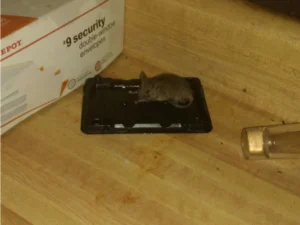
Gently massage the oil into the glue. You should feel the adhesive starting to loosen and become less sticky. Keep adding more oil and working it in until the glue starts to slide off your skin.
Once the glue is loosened, you can wipe it away with paper towels. It’ll still be messy and you might need to repeat the process a few times to get all of it off.
After you’ve removed most of the glue, wash your hands thoroughly with dish soap and warm water. Dish soap is good at cutting through oils, so it’ll remove both the oil and any remaining adhesive residue.
If you have glue stuck in your hair, the same oil method works. Saturate the hair with oil, work it through gently, and the glue should start to come out.
You might need to shampoo your hair several times afterward to get rid of all the oil.
Removing Glue Trap Adhesive From Other Surfaces
Getting glue trap adhesive on floors, furniture, or other surfaces is really frustrating, but it can be removed with patience.
For hard surfaces like tile or wood floors, start with cooking oil or WD-40. Spray or pour it on the glue and let it sit for 10 to 15 minutes. This gives the oil time to work into the adhesive and break it down.
Use a plastic scraper or an old credit card to gently scrape up the loosened glue. Don’t use metal tools because they might scratch your floor. Work slowly and add more oil as needed.
After you’ve scraped up most of the glue, clean the area with dish soap and hot water. You might need to scrub pretty hard to remove all the oily residue.
Some people use a mixture of baking soda and dish soap to create a paste that’s good at cutting through the remaining stickiness.
For carpet or fabric, the process is trickier. Apply oil to the glue and let it soak in, then try to blot it up with paper towels. You might need to repeat this many times.
After removing as much as possible, treat the area with a carpet cleaner or take the item to a professional cleaner.
Some commercial products are made specifically for removing adhesives. These can work faster than oil but make sure they’re safe for the surface you’re cleaning.
Test in a small hidden area first to make sure it doesn’t damage or discolor the material.
Comparing Different Brands of Glue Traps
Not all glue traps use the exact same formula, and you can definitely notice differences between brands.
Professional pest control companies usually use traps with stronger adhesive than what you’ll find in regular stores. These professional-grade traps cost more but they’re much better at holding larger or more aggressive rodents.
Cheaper glue traps from discount stores often use a thinner coating of adhesive or a slightly different formula. They might work fine for mice but can struggle to hold a full-grown rat. Some rats can actually pull free from these weaker traps if they’re strong enough.
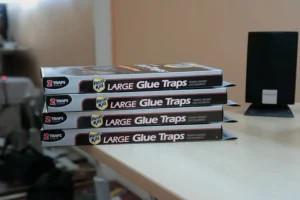
Some brands add scented attractants to their glue while others keep it unscented. The scented versions can be more effective at drawing rats to the trap, but they might also smell weird to humans.
The size of the trap matters too. Larger traps use more glue and have a bigger surface area. This gives you a better chance of catching the rat and makes it harder for them to avoid stepping on the sticky part.
Weather-resistant traps are designed for outdoor use and have adhesive that holds up better in rain, heat, and cold. Regular indoor traps might lose their stickiness if you try to use them outside, but the outdoor versions are formulated differently.
Environmental and Ethical Concerns About Glue Trap Adhesive
While the glue itself isn’t toxic, glue traps raise some environmental and ethical questions that are worth thinking about.
The adhesive is petroleum-based, which means it comes from oil. Some people prefer to avoid petroleum products because of environmental concerns. However, the amount of petroleum used in a single trap is pretty small compared to other products we use daily.
When you throw away a glue trap, the adhesive goes into a landfill where it’ll sit basically forever. Polybutene doesn’t break down naturally, so these traps don’t biodegrade. Some people find this wasteful, especially if you’re using lots of traps.
The bigger ethical concern is how glue traps work. Many people and animal welfare organizations consider glue traps to be inhumane because animals get stuck and can suffer for hours or even days.
The animal might injure itself trying to escape, or die slowly from stress, dehydration, or starvation.
Some places have actually banned or restricted glue traps because of these concerns. For example, certain cities don’t allow them to be used for mice or rats anymore. If you’re considering using glue traps, check your local laws first.
If you’re uncomfortable with the ethical issues but still need to catch rats, snap traps or electronic traps are considered more humane. These kill quickly instead of trapping the animal alive.
Live traps are another option if you want to catch and release the rat.
Alternatives to Traditional Glue-Based Rat Traps
If you want to avoid glue traps but still need to deal with rats, you have several other options available.
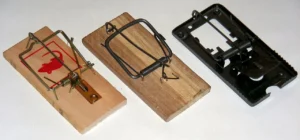
Snap traps are the classic alternative. These use a spring-loaded bar that kills the rat quickly when triggered. They’re more humane than glue traps because death is instant.
Modern snap traps are also easier and safer to set than the old-fashioned wooden ones.
Electronic traps deliver a high-voltage shock that kills rodents in seconds. These are very effective and humane, though they cost more than other options.
You just put bait inside, and when the rat enters, it triggers the shock.
Live traps catch rats without hurting them. These are box-style traps with a door that closes when the rat goes inside to get the bait.
You can then release the rat far from your home. The downside is you have to check them frequently and deal with releasing a live, possibly aggressive rat.
Bucket traps are a DIY option that works like a live trap. You set up a bucket with a spinning rod across the top and bait on the rod.
When the rat walks out to get the bait, the rod spins and the rat falls into the bucket. You can put water in the bucket if you want to kill the rat, or leave it dry for a live capture.
Some people use ultrasonic repellents instead of traps. These devices make high-pitched sounds that supposedly drive rats away.
The evidence for how well these work is mixed, and many rats seem to get used to the sound over time.
How Manufacturers Make and Apply the Adhesive
The process of making glue trap adhesive and putting it on traps involves several careful steps.
First, manufacturers produce or buy polybutene in bulk. This comes as a thick liquid that needs to be kept at the right temperature. If it gets too cold, it becomes harder to work with, and if it gets too hot, it might become too runny.
The polybutene gets mixed with any additional ingredients in large heated tanks. Workers need to stir the mixture thoroughly to make sure everything combines evenly.
Getting the formula just right is important because small changes can make the adhesive too thick or too thin.
Once the adhesive is mixed, it needs to be applied to the trap boards. Most manufacturers use automated systems that spread a measured amount of glue onto each trap. The machines can control how thick the layer of glue is and make sure it covers the right areas.
Some traps have the glue applied in patterns rather than covering the entire surface. This saves adhesive and can actually work better because rats are more likely to step on the sticky spots thinking the clear areas are safe.
After the glue is applied, the traps get covered with protective paper or plastic. This keeps the adhesive clean and prevents it from sticking to things during shipping and storage.
You peel off this covering when you’re ready to use the trap.
Quality control is important in this process. Manufacturers test batches of traps to make sure the adhesive is strong enough and stays sticky for the expected shelf life.
Traps that don’t meet standards get rejected before they’re packaged and sold.
Conclusion
The glue used on rat traps is a specially formulated adhesive made primarily from polybutene, a petroleum-based compound.
This substance stays incredibly sticky for months without drying out, making it perfect for catching rodents.
While the adhesive itself isn’t toxic, it’s extremely difficult to remove without oil-based products. Understanding what you’re dealing with helps you use these traps more safely and handle any messes that might happen.
The effectiveness of glue traps comes from this carefully designed adhesive, but it’s worth remembering that many people and organizations consider these traps inhumane.
If you choose to use them, know what you’re getting into and handle disposal properly.
Whether you decide to use glue traps or choose alternatives like snap traps or live traps, the most important thing is dealing with your rat problem effectively while being as humane as possible.

Hi, my name is Ezra Mushala, i have been interested animals all my life. I am the main author and editor here at snakeinformer.com.