
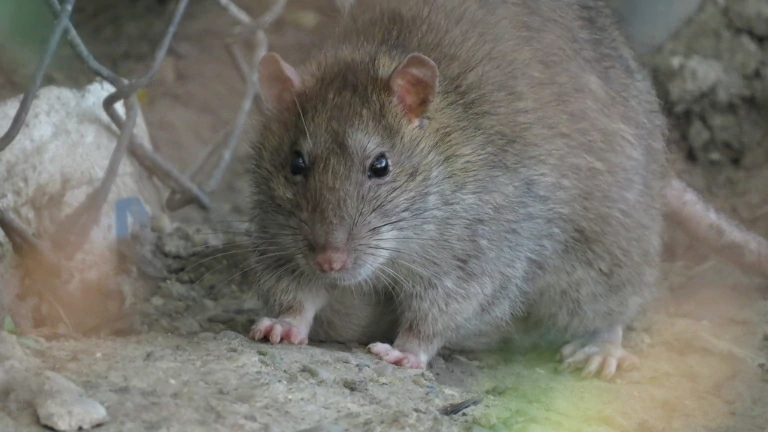
When you’re facing a rat problem, you’ll find different types of solutions at the store, including rat bait traps. These use poison to kill rats rather than catching them mechanically like snap traps. But do rat bait traps actually work for getting rid of rats?
Yes, rat bait traps work effectively when used correctly. They contain poison (rodenticide) that rats eat, which kills them within a few days. Bait traps can eliminate entire rat populations, but they require proper placement, regular monitoring, and careful safety precautions around pets and children.
The poison in these traps is specifically designed to be attractive to rats and to kill them after they eat enough of it. The traps work differently than mechanical traps, but they can be just as effective or even more so for large infestations.
How Rat Bait Traps Actually Work
Rat bait traps contain blocks, pellets, or soft bait that’s been mixed with poison. The poison is usually an anticoagulant, which means it prevents the rat’s blood from clotting properly.
Rats eat the poisoned bait because it’s been formulated to taste good to them. Manufacturers add flavors and ingredients that rats find irresistible, like grains, seeds, and fats.
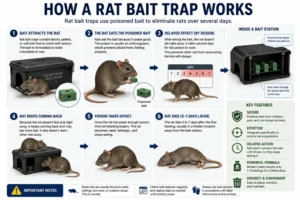
After eating the bait, the rat doesn’t die immediately. It takes several days for the poison to work. This is actually by design because if rats died right away, other rats would learn to avoid the bait.
The delayed death means rats don’t connect eating the bait with getting sick. They keep coming back for more, and they don’t warn other rats away from the food source.
Once the rat has eaten enough poison, internal bleeding starts to happen. The rat becomes weak, lethargic, and eventually dies. This usually happens 3 to 7 days after the first feeding.
Modern bait formulations are designed so rats only need to feed once or twice to get a lethal dose. Older poisons required rats to feed multiple times over several days.
Types of Rat Bait Traps Available
There are several different types of rat bait traps, and understanding the differences helps you choose the right one for your situation.
Bait stations are plastic or metal boxes with small entrance holes. You place poison blocks or bait inside, and rats enter the station to feed. The box protects the bait from weather and keeps pets and kids safe.
Disposable bait traps are pre-loaded with poison and designed to be thrown away after use. You don’t have to handle the poison directly, which makes them convenient but more expensive per use.

Refillable bait stations can be used over and over. You buy bait blocks or pellets separately and refill the station as needed. This is more economical for ongoing rat problems.
Place packs are sealed pouches of bait that rats gnaw through to eat the poison inside. These are often used in tight spaces like wall voids or attic insulation where traditional stations won’t fit.
Soft baits come in pouches or tubes and have a paste-like consistency. Rats find these very attractive, and they’re useful when rats are ignoring harder bait blocks.
Each type has its advantages depending on where you’re using it and how severe your rat problem is.
Are Rat Bait Traps Safe to Use?
Safety is a major concern with rat bait traps because the poison that kills rats can also harm pets, children, and wildlife. But when used correctly, they can be safe.
Always use bait stations or boxes, never put loose poison out where anything can access it. The station provides a barrier that rats can enter but larger animals can’t.
Keep bait stations locked and in areas where children and pets can’t reach them. Behind appliances, in crawl spaces, or in locked outdoor boxes are good options.

Read and follow all label instructions. The label tells you exactly how to use the product safely and legally. Ignoring the label can be dangerous and might even be illegal.
Watch for signs of poisoning in pets. Symptoms include lethargy, pale gums, difficulty breathing, or bleeding from the nose or mouth. If you suspect poisoning, contact your vet immediately.
Some rat poisons have antidotes. Keep the product label or take a picture of it so you can quickly provide information to a veterinarian or poison control center if needed.
Never handle bait with bare hands. Wear gloves when setting up or refilling bait stations to avoid direct contact with the poison.
How Effective Are Bait Traps Compared to Snap Traps?
Rat bait traps and snap traps both work, but they have different advantages and disadvantages.
Bait traps can eliminate more rats faster because multiple rats can feed from the same station. Snap traps catch one rat at a time and need to be reset after each catch.
You don’t have to see or handle dead rats with bait traps (usually). The rats go somewhere else to die, which can be good or bad depending on where they die.
Snap traps give you immediate feedback. You know right away when you’ve caught a rat. With bait traps, you might not realize they’re working until you see reduced rat activity or find dead rats.
Snap traps are considered more humane by many people because death is instant. Poison causes internal bleeding that takes days, which involves suffering.
Bait traps work 24/7 without any intervention. Snap traps need to be checked, reset, and rebaited regularly to remain effective.
For large infestations, bait traps are often more practical. For small problems or when you want to avoid poison, snap traps might be better.
The Problem with Dead Rats in Walls
One of the biggest concerns with rat bait traps is that rats often die in inaccessible places like inside walls, under floors, or in attics.
When a poisoned rat dies in your wall, it creates a terrible smell as it decomposes. This odor can last for weeks and is really hard to get rid of without removing the dead rat.
The smell is worst during warm weather because decomposition happens faster. In summer, a dead rat in your wall can make an entire room unusable.

Unfortunately, there’s no easy solution to this problem. You can try drilling small holes and using enzyme cleaners or odor neutralizers, but nothing works as well as actually removing the dead rat.
Some newer poison formulations claim to reduce odor or make rats seek water (leading them to die outside), but results are mixed. Many rats still die in walls regardless of what the label says.
If you’re using bait traps, be prepared for the possibility of dead rat odor. It’s one of the trade-offs of this method compared to traps that catch rats in specific locations.
How to Set Up Rat Bait Traps Correctly
Proper setup makes a huge difference in how well bait traps work. Here’s how to do it right.
Choose locations along walls where you see rat activity. Look for droppings, gnaw marks, greasy rub marks, or actual rat sightings. These signs tell you where rats are traveling.
Place bait stations about 15 to 30 feet apart along the routes where rats travel. This creates a network of feeding stations that rats will encounter as they move around.
Secure the bait inside the station according to the manufacturer’s instructions. Most stations have rods or clips that hold bait blocks in place so rats can’t drag them out.
Position the entrance holes of the station so they face the wall. Rats prefer to travel along edges, and they’ll naturally enter a station that’s aligned with their movement patterns.
Make sure the station is stable and won’t tip over or move around. Some stations can be staked or bolted down for extra security.
Check stations every few days at first to see if bait is being eaten. Once rats are actively feeding, you might need to refill more often.
How Long Does It Take for Bait Traps to Work?
Rat bait traps don’t produce instant results. Understanding the timeline helps set realistic expectations.
It can take several days for rats to start feeding on the bait. Rats are cautious and often avoid new objects (including bait stations) until they feel comfortable that they’re safe.
Once rats start feeding, it takes 3 to 7 days for the poison to kill them. This varies depending on how much they eat and which poison is used.
You should start seeing reduced rat activity (fewer droppings, less noise, no new damage) within a week or two after rats begin feeding.
For a complete infestation elimination, it might take 3 to 6 weeks. Larger infestations take longer because you need to kill more rats and because younger rats take time to start feeding.
Don’t give up too soon. It’s tempting to think the bait isn’t working if you don’t see dead rats immediately, but the process takes time.
Keep monitoring and refilling bait stations until no more bait is being eaten. This tells you that you’ve eliminated the rat population.
Why Rats Might Not Eat Your Bait
Sometimes you’ll set up bait traps and find that rats aren’t eating the bait at all. There are several reasons this might happen.
If rats have access to other food sources, they might not be interested in your bait. Remove or secure all other food (pet food, garbage, bird seed, etc.) to make your bait the most attractive option.
The bait might be old or stale. Bait loses its attractiveness over time, especially in hot or humid conditions. Replace bait every few weeks even if it hasn’t been eaten.
Some rats are naturally more cautious and take longer to try new food sources. This is called “bait shyness.” Give them time, and they’ll eventually start feeding.
The bait station might be in the wrong location. If it’s not along a rat runway or in an area where rats feel safe, they’ll avoid it. Try moving the station to a different location.
Certain rat populations have developed resistance to some poisons. If you’ve been using the same bait for a while without success, try switching to a different active ingredient.
Competition from dominant rats can keep younger or subordinate rats away from bait stations. Using multiple stations gives more rats access to the bait.
Are There Better Alternatives to Poison Bait?
Rat bait traps aren’t the only option, and they’re not always the best choice depending on your situation.
Snap traps avoid the poison issue entirely. They kill instantly, you know exactly where the rat is, and there’s no risk of secondary poisoning to pets or wildlife.
Electronic traps deliver a lethal electric shock and contain the dead rat in a chamber. They’re more expensive but very effective and humane.
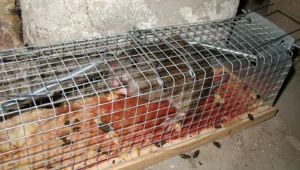
Live traps let you catch rats without killing them. You can then release them far from your home. This is the most humane option but requires more effort.
Prevention is always better than any trapping method. Seal holes, remove food sources, and eliminate shelter areas. A rat-proof home doesn’t need traps at all.
Professional pest control can use integrated approaches that combine multiple methods. This is often more effective than relying on bait alone.
The best choice depends on your specific situation, your comfort level with different methods, and whether you have pets or children to protect.
What Happens to Rats After They Eat Poison Bait?
Understanding what happens after a rat eats poison helps explain why bait traps work the way they do.
For the first day or two after eating poison, the rat shows no symptoms. It continues eating, drinking, and going about its normal activities.
Around day three or four, the rat starts to feel weak and lethargic. It moves more slowly and might spend more time resting than usual.
The rat becomes increasingly weak as internal bleeding continues. It starts to have trouble coordinating its movements and might stumble or fall.
Near the end, the rat seeks out a quiet, dark place to rest. This is often a nest area, but it could be anywhere the rat feels safe. This is when rats often die in walls or other hidden spots.
Death occurs from internal hemorrhaging. The rat essentially bleeds out internally, which is why it takes several days. The process isn’t instant like with a snap trap.
After death, decomposition begins immediately. In warm conditions, odor becomes noticeable within 24 to 48 hours.
Can Rat Bait Traps Poison Other Animals?
Secondary poisoning is a real concern with rat bait. This happens when another animal eats a poisoned rat or finds and eats the bait itself.
Pets, especially dogs and cats, can be poisoned if they eat bait or if they eat a poisoned rat. Dogs are more likely to eat bait directly, while cats might catch and eat poisoned rats.
Wildlife like hawks, owls, foxes, and coyotes can be poisoned from eating rats that have consumed poison. This is called secondary poisoning and is a growing environmental concern.

Using proper bait stations significantly reduces the risk of non-target poisoning. Animals that can’t fit through the small entrance holes can’t access the bait.
Some newer poisons are less likely to cause secondary poisoning, but no poison is completely safe. Always use the least toxic option that’s still effective.
If you live in an area with a lot of wildlife or if you have outdoor pets, consider using snap traps instead of poison to avoid these risks entirely.
The Controversy Around Rat Poison
Rat poison is controversial for several reasons, and it’s worth understanding these concerns before deciding to use it.
Animal welfare advocates point out that anticoagulant poisons cause suffering. Rats die slowly over several days, which many people consider inhumane.
Environmental groups are concerned about secondary poisoning of wildlife. Predatory birds and mammals are being harmed by eating poisoned rats, which affects entire ecosystems.
Some areas have banned or restricted certain types of rat poison because of these concerns. California, for example, has banned second-generation anticoagulants for most residential uses.
Pet poisoning is another major issue. Thousands of dogs and cats are treated for rat poison ingestion every year, and some don’t survive.
Resistance is becoming more common. Some rat populations have developed genetic resistance to certain poisons, making them less effective over time.
Despite these concerns, poison remains widely used because it’s effective for large infestations and doesn’t require constant monitoring like traps do.
How to Know If Bait Traps Are Working
It’s not always obvious whether your bait traps are actually eliminating rats. Here are signs to look for.
The most obvious sign is that bait is being eaten. Check your stations regularly, and if you find gnaw marks on bait blocks or if bait is disappearing, rats are feeding.
You should see a decrease in rat activity over time. Fewer droppings, less noise at night, and no new damage to food packages or structures indicate the population is declining.
Finding dead rats is proof that the poison is working, though you might not find all the rats that die (especially if they die in walls or other hidden areas).
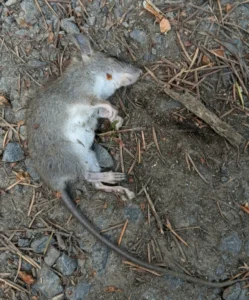
Fresh rat signs (droppings, gnaw marks) should stop appearing. If you’re still seeing brand new evidence of rats after several weeks of baiting, something isn’t working.
The amount of bait being eaten should decrease over time. As you eliminate more rats, fewer rats remain to eat the bait.
Eventually, bait stops being eaten altogether. When you check your stations and find that bait hasn’t been touched for a week or two, you’ve likely eliminated the rat population.
Maintaining Bait Stations Over Time
If you live in an area with ongoing rat pressure, you might need to maintain bait stations long-term. Here’s how to do that effectively.
Check stations at least monthly, even during quiet periods. This lets you catch new rat activity early before it becomes a major infestation.
Replace old bait even if it hasn’t been eaten. Bait degrades over time, especially in hot or humid conditions, and loses its attractiveness to rats.
Clean stations periodically. Remove old bait remnants, dead insects, and debris that might accumulate inside the station.
Rotate bait types occasionally. Some experts recommend switching active ingredients every so often to prevent resistance from developing in rat populations.
Keep records of when you check stations and what you find. This helps you identify patterns and know when rat activity increases or decreases.
Reposition stations if you notice changes in rat behavior or if new rat runways develop. Rats don’t always use the same paths year after year.
Conclusion
Rat bait traps do work effectively for eliminating rat infestations when used correctly. They can kill multiple rats from a single station and don’t require constant resetting like mechanical traps.
However, they come with significant drawbacks including the risk of pets or wildlife being poisoned, the possibility of rats dying in walls and creating odor problems, and ethical concerns about the suffering poison causes.
The decision to use bait traps should be made carefully, weighing the effectiveness against the risks and considering whether alternative methods might work better for your specific situation.
When you do use them, following safety guidelines and proper placement protocols is essential for both effectiveness and safety.

Hi, my name is Ezra Mushala, i have been interested animals all my life. I am the main author and editor here at snakeinformer.com.