
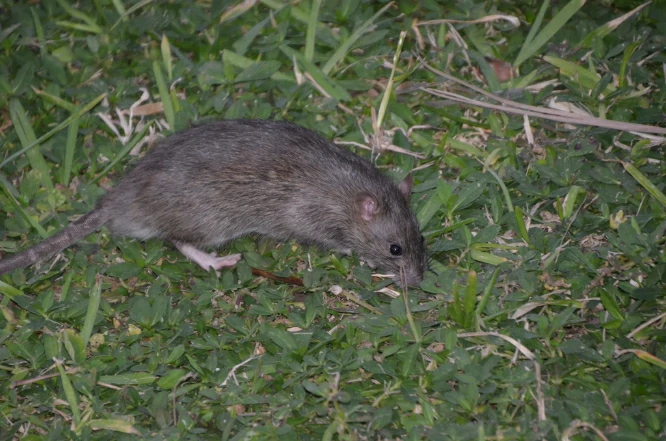
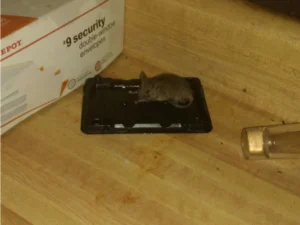
When you’re dealing with a rat problem, glue traps seem like an easy solution. You put them down, rats get stuck, and your problem is solved.
But if you have kids or pets in your home, you might start wondering about what’s actually in that sticky adhesive. The traps look harmless enough, but that doesn’t necessarily mean they’re safe to touch or accidentally ingest. So is rat trap glue poisonous?
Rat trap glue isn’t poisonous or toxic to humans and pets. The adhesive is made from non-toxic synthetic materials that won’t cause harm if touched or accidentally eaten in small amounts. However, the glue can cause serious problems if it gets in your eyes, on your skin, or in your pet’s fur.
The good news is that you don’t need to panic if someone touches a glue trap or if your dog steps on one. The glue itself won’t poison them.
But the bad news is that it’s incredibly sticky and difficult to remove, which can create other problems that you’ll need to deal with quickly.
What Rat Trap Glue Is Actually Made Of
Rat trap glue is specifically designed to be non-toxic because manufacturers know that pets and children might come into contact with it. The adhesive is usually made from synthetic rubber-based polymers or acrylic compounds.
These materials are similar to what you’d find in regular household glues or adhesives. They’re formulated to be extremely sticky so they can hold a rat in place, but they don’t contain poisons or harmful chemicals.
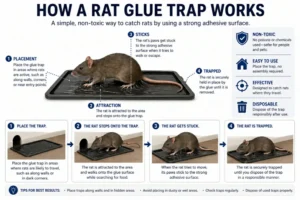
Most commercial glue traps use what’s called a pressure-sensitive adhesive. This type of glue stays sticky at room temperature and doesn’t need to dry or harden to work. It’s the same basic technology used in things like sticky notes or tape.
The ingredients are considered non-toxic by safety standards, which means they won’t cause poisoning if someone touches them or even swallows a small amount.
Still, that doesn’t mean the glue is safe to eat or that you should be careless with it.
Why People Worry About Rat Trap Glue Being Poisonous
The confusion about whether glue traps are poisonous makes sense when you think about other rat control products. Many rat poisons contain dangerous chemicals that can kill pets and harm humans.
When people see “rat trap” on the package, they sometimes assume it must contain poison. After all, that’s how a lot of rat control products work. But glue traps are completely different from poison baits.
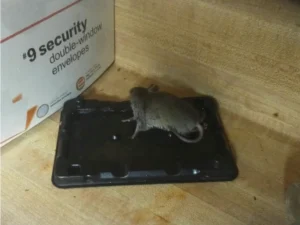
Another reason for concern is that the glue looks and feels unnatural. It’s unnaturally sticky, has a strong adhesive smell, and seems like it must be made of harsh chemicals. This makes people worry that it might be toxic.
Some glue traps also come with bait or attractants already on them. These might contain food-based lures or scents that could be confused with poison, but they’re typically just normal food items like peanut butter or grains.
What Happens If a Child Touches Rat Trap Glue?
Kids are naturally curious and might grab a glue trap before you can stop them. If this happens, you don’t need to rush to the emergency room.
The glue will stick to their skin immediately. It’ll feel weird and uncomfortable, but it won’t burn them or cause a toxic reaction. Your child might panic because they can’t get their hand free easily, but the glue itself isn’t going to hurt them.
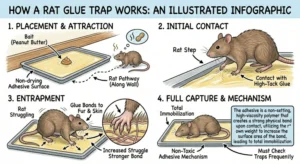
You’ll need to work on removing the glue from their skin, which we’ll talk about later. But from a poisoning standpoint, there’s no danger. The adhesive won’t absorb through the skin and cause any internal harm.
If a child somehow gets glue in their mouth or swallows a small amount, it still won’t poison them. It might taste bad and feel uncomfortable, but it’s not toxic. You should still call poison control or your doctor just to be safe and let them know what happened.
The bigger concern with children is actually the trapped rat if there’s one stuck on the trap. A live rat can bite, scratch, and potentially carry diseases. Keep kids away from any trap that has caught something.
Can Rat Trap Glue Hurt Your Pets?
Pets, especially dogs and cats, are much more likely to get into glue traps than children are. They might step on one, try to smell or lick it, or even attempt to eat it.
If your dog or cat gets glue on their paws or fur, it won’t poison them. The adhesive is non-toxic, so even if they lick it while trying to clean themselves, they won’t get sick from the glue itself.
But the glue can still cause serious problems. When it gets stuck in fur, it can mat and tangle, pulling on the skin and causing discomfort. If a large amount gets on their paws, they might have trouble walking.
Dogs sometimes try to bite or chew off the glue, which can lead to them swallowing pieces of the trap backing along with the adhesive. The plastic or cardboard backing could potentially cause a choking hazard or intestinal blockage, even though it’s not poisonous.
If your pet gets into a trap that has already caught a rat, that’s a different problem. The rat could bite your pet, or your pet might try to eat the trapped rat. This can lead to disease transmission or injury, separate from any glue concerns.
The Real Dangers of Glue Traps (That Aren’t Poison)
Even though the glue isn’t poisonous, these traps can still be dangerous in other ways. It’s important to understand what the actual risks are.
Getting glue in your eyes is extremely painful and can damage your vision. The adhesive is so sticky that it can glue your eyelids shut or stick to the surface of your eyeball. This requires immediate medical attention.
Skin irritation can happen with prolonged contact. While the glue isn’t toxic, some people have sensitive skin that gets red or itchy when covered with adhesive for a long time. Trying to rip it off can tear your skin.
Breathing problems can occur if someone tries to remove the glue with harsh chemicals in a poorly ventilated area. It’s not the glue itself that’s the problem, but the solvents people use to try to dissolve it.
Stress and panic in pets is a real issue. A cat or dog stuck to a glue trap will be terrified and might hurt themselves trying to escape. They can pull muscles, strain joints, or even break bones in extreme panic.
How to Know If a Glue Trap Contains Added Poison
Most standard glue traps don’t contain any poison at all. They work purely through the sticky adhesive. But some products combine glue with poison, so it’s worth knowing how to tell the difference.
Read the package carefully. If the trap contains rodenticide or any poison, it will be clearly labeled. The package will have warnings about toxicity and instructions for what to do if someone ingests it.
Look for signal words like “danger,” “warning,” or “caution” along with skull and crossbones symbols. These indicate that the product contains toxic substances. Regular glue traps usually just say “caution” because of the sticky adhesive, not because of poison.
Check the ingredients list. Pure glue traps will list things like “adhesive” or “pressure-sensitive polymer.” If you see chemical names for rodenticides (like brodifacoum, bromadiolone, or warfarin), then the trap contains poison.
When in doubt, contact the manufacturer. Most trap packages have a phone number or website where you can get more information about what’s in the product.
What to Do If Someone Ingests Glue Trap Adhesive
Even though rat trap glue isn’t poisonous, you should still take action if someone swallows it. The glue can cause other problems even if it’s not toxic.
Don’t panic. Remember that the glue is non-toxic, so this isn’t a life-threatening emergency in most cases. Stay calm so you can help the person effectively.

Don’t try to make them vomit. This is outdated advice that can actually make things worse. The glue is sticky and could cause problems coming back up.
Call poison control right away. In the US, the number is 1-800-222-1222. They can tell you exactly what to do based on how much was swallowed and the specific product involved.
Give them water to drink if poison control says it’s okay. This can help dilute the glue and make it easier to pass through the digestive system.
Watch for signs of choking or difficulty breathing. If the person can’t breathe properly, call 911 immediately. This would most likely be caused by the trap backing, not the glue itself.
Keep the trap package handy. Poison control and doctors will want to know exactly what product was involved. Having the package lets them see the specific ingredients.
Removing Glue Safely From Skin and Fur
When glue gets on skin or fur, removing it properly is important. Using the wrong method can make things worse or cause injury.
For human skin, use cooking oil or baby oil. Rub it gently onto the glued area and work it around the edges. The oil breaks down the adhesive and lets you slowly peel the glue away. This takes patience but works well.
Don’t try to rip the glue off. This will tear your skin and cause pain and bleeding. It won’t actually remove all the glue either.
For pet fur, the same oil method works. Rub vegetable oil or coconut oil into the fur and work it through the glued areas. You might need to let it sit for a few minutes before the glue starts to release.
Sometimes you’ll need to cut matted fur. If the glue is too tangled or covers a large area, carefully trim the fur with scissors. Be very careful not to cut the skin underneath.
Commercial products like Goo Gone can work, but be careful. These solvents are stronger and can irritate skin. Never use them near eyes or on pets unless the product specifically says it’s safe for that use.
Wash the area thoroughly after removing the glue. Use soap and water to get rid of any oil residue and remaining adhesive. This prevents skin irritation and keeps your pet from licking oil off their fur.
Safer Alternatives to Glue Traps
If you’re worried about the risks of glue traps, even non-poisonous ones, there are other options for dealing with rats.
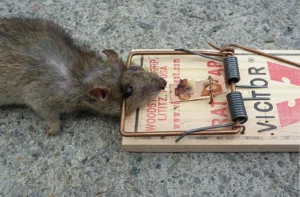
Snap traps are mechanical devices that kill rats instantly. They don’t use glue or poison, just a spring-loaded bar. They’re very effective and considered more humane than glue traps.
Live catch traps let you capture rats without killing them. You can then release them far from your home. These don’t involve any toxic substances and are the most humane option.
Electronic traps deliver a quick electric shock. They’re battery-powered and very effective. There’s no poison or glue involved, and they kill rats instantly so there’s no suffering.
Ultrasonic repellents claim to drive rats away with high-frequency sounds. These don’t trap or kill anything, so there’s zero risk to kids or pets. However, their effectiveness is debated.
Natural deterrents like peppermint oil might help keep rats away. These smell strong to rodents and can discourage them from entering certain areas. They’re completely non-toxic to everyone.
How to Use Glue Traps Safely Around Your Home
If you decide to use glue traps despite the concerns, you can take steps to make them safer for your family and pets.
Place traps in areas where kids and pets can’t reach them. Behind appliances, inside cabinets, or in the attic are good spots. Just make sure you can still check them regularly.
Use protective boxes or stations. You can buy special enclosures designed to hold glue traps. These have small openings that rats can enter but that keep larger animals and children out.
Tell everyone in your household where the traps are. Make sure older children know not to touch them and understand why they’re there.
Check traps daily. The sooner you find a trapped rat, the sooner you can dispose of it safely. This also means less time for someone to accidentally come across a trap with a struggling rat on it.
Dispose of traps properly. Once a trap has caught a rat, put it in a sealed plastic bag before throwing it in an outdoor garbage can. Don’t leave used traps where pets or wildlife can get to them.
Wear gloves when handling traps. This protects you from the glue and from any bacteria or diseases the trapped rat might carry. Wash your hands thoroughly after disposing of a trap.
Conclusion
Rat trap glue isn’t poisonous or toxic to humans or pets. The adhesive is made from non-toxic materials that won’t cause internal harm if touched or accidentally swallowed in small amounts.
This is actually one of the safer aspects of glue traps compared to poison baits that can be deadly.
However, just because the glue isn’t poisonous doesn’t mean it’s harmless. The extreme stickiness can cause problems if it gets on skin, in fur, or especially in eyes.
Pets can panic when stuck, and removing the glue can be difficult and time-consuming.
If you use glue traps in your home, place them carefully where children and pets can’t accidentally step on them. Know how to remove the glue safely using oil rather than trying to rip it off.
And always keep the poison control number handy just in case someone does ingest the adhesive, even though it’s not toxic.
For many people, the non-poisonous nature of glue traps makes them seem like a safer choice than rat poison.
But it’s worth considering all the pros and cons, including how humane the traps are and whether other options might work better for your specific situation.

Hi, my name is Ezra Mushala, i have been interested animals all my life. I am the main author and editor here at snakeinformer.com.