
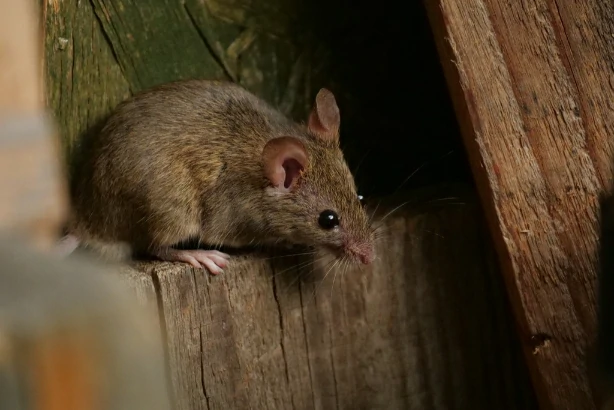
Stories about frozen mice coming back to life show up surprisingly often, especially from people who use frozen mice as reptile food or who’ve found mice in freezers.
These stories can be pretty unsettling if you’re not sure what’s actually possible. Understanding what happens to mice when they freeze can clear up this confusion. But can mice come back to life after being frozen?
No, mice can’t come back to life after being frozen solid. When a mouse freezes, ice crystals form inside its cells and destroy them permanently. This damage is fatal and irreversible. However, mice in severe hypothermia (very cold but not frozen) might look dead but can sometimes recover with careful warming.
The confusion comes from people mistaking hypothermic mice for frozen ones. A mouse that’s extremely cold but not actually frozen might revive.
But a mouse that’s been frozen solid, where ice has formed throughout its body tissues, is dead and can’t be brought back. The ice crystals rupture cell walls and damage organs beyond repair.
What Freezing Does to Mouse Cells
When a mouse’s body temperature drops below freezing (32°F or 0°C), the water inside its cells starts forming ice crystals. These crystals aren’t smooth or rounded, they’re jagged and sharp at a microscopic level.
As the ice crystals grow, they puncture cell membranes from the inside like tiny knives. Cell membranes are what keep cells intact and functioning.
Once they’re damaged, the cell’s contents leak out and the cell dies. This damage happens throughout the mouse’s entire body.
Every organ, every tissue, every system gets damaged by ice crystal formation. The brain is especially vulnerable because brain cells can’t regenerate like some other cell types.
Even if you could somehow restart a frozen mouse’s heart, the brain damage would be so severe that the mouse couldn’t survive. Freezing also disrupts all the chemical processes that keep cells alive.
Proteins get damaged, DNA can break, and the delicate balance of ions and molecules inside cells gets destroyed. These changes are permanent and can’t be undone just by warming the mouse back up.
Hypothermia vs. Freezing: What’s the Difference?
Understanding the difference between hypothermia and freezing is really important. Hypothermia happens when a mouse’s body temperature drops below normal but stays above freezing.
A normal mouse body temperature is around 97-100°F (36-38°C). When the temperature drops to 70-80°F (21-27°C), the mouse is in severe hypothermia.
At this stage, the mouse’s heart rate and breathing slow way down. It might appear completely lifeless and not respond to touch.
But ice hasn’t formed in its tissues yet. The cells are still intact, just functioning very slowly.
With careful, gradual warming, some mice can recover from severe hypothermia. This is what people are actually seeing when they think a “frozen” mouse came back to life.
True freezing is different. Once the body temperature hits 32°F (0°C) or below, ice starts forming.
This is the point of no return. A mouse that’s been frozen solid is rigid, ice-cold to the touch, and completely stiff.
There’s no flexibility in its body or limbs. If you see ice crystals in the mouse’s eyes or other tissues, it’s definitely frozen, not just hypothermic.
Why Some Mice Seem to Come Back to Life
Most stories about mice coming back to life after freezing are actually cases of severe hypothermia. Someone finds a mouse that’s extremely cold, not moving, and appears dead.
They might even put it in the freezer thinking it’s dead. But if the mouse wasn’t frozen yet (just very cold), it might still have a chance.
When the mouse starts to warm up (either naturally or because someone takes it out of the freezer), metabolic processes slowly restart. The heart begins beating again, breathing resumes, and the mouse gradually becomes responsive.
This can take 30 minutes to a few hours depending on how cold the mouse was. To someone watching, it really does look like the mouse came back from death.
Another source of confusion is muscle twitching in dead mice. When frozen mice thaw, their muscles can contract involuntarily.
This is just an automatic response from the muscles and doesn’t mean the mouse is alive. It’s similar to how a chicken can flop around after its head is cut off, it’s just nerves firing, not actual life.
Frozen feeder mice (used for reptile food) sometimes twitch when thawing, and people misinterpret this as signs of life.
Can Cryopreservation Bring a Frozen Mouse Back to Life?
Some people wonder if mice could be frozen and revived using advanced scientific techniques. Cryopreservation (freezing biological material for later use) does work for some things, but not for whole mammals like mice.
Scientists can successfully freeze and thaw individual cells like sperm, eggs, and embryos. They use special chemicals called cryoprotectants that prevent large ice crystals from forming.
They also freeze and thaw the samples very carefully at controlled rates. Even with all these precautions, cryopreservation only works for very small samples.
The larger the organism, the harder it is to freeze and revive without damage. Small organisms like certain insects and frogs have natural antifreeze proteins that let them survive freezing.
Wood frogs, for example, can survive having up to 70% of their body water freeze. But they have special adaptations that mice don’t have.
Mice are mammals with no natural freeze tolerance. There’s no current technology that can freeze and revive an entire mouse.
Even if you used cryoprotectants and careful freezing techniques, the ice damage to a mouse-sized animal would be too severe to reverse.
How Cold Can Mice Actually Survive?
Mice can tolerate cold temperatures better than you might think, but there are clear limits. The comfortable temperature range for mice is 65-75°F (18-24°C).
They can survive in temperatures down to about 40°F (4°C) if they have food, water, and shelter. Below 40°F, mice start experiencing stress.
Their metabolism speeds up to generate body heat, which means they need more food. They become less active and spend more time huddled in their nests trying to stay warm.
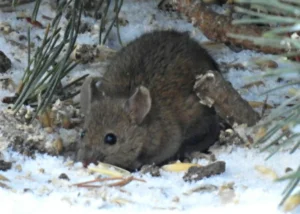
At temperatures around 32°F (0°C), mice in the wild face serious survival challenges. Without proper shelter and insulation, they’ll develop hypothermia within hours.
But as long as they stay above freezing and have a good nest, some mice can survive even very cold temperatures. Once temperatures drop below freezing, unprotected mice will die from hypothermia and eventually freeze solid.
The smaller the mouse, the faster this happens because small animals lose body heat more quickly than large ones. Baby mice are especially vulnerable to cold and can’t survive low temperatures at all.
How Wild Mice Survive the Winter
Wild mice deal with winter by finding shelter, not by freezing and reviving. In cities, mice survive cold weather by living in sewers, basements, walls of buildings, and other heated or insulated spaces.
They move indoors when temperatures drop. Rural mice burrow underground where the soil provides insulation and temperatures stay more stable.
They also nest in hay bales, wood piles, compost heaps, and any structure that offers protection from wind and cold. Mice prepare for winter by eating more in fall to build fat reserves.
They also grow thicker fur coats. In their nests, multiple mice will huddle together to share body heat.
This social thermoregulation helps them maintain body temperature more efficiently. But if a mouse gets caught outside in extreme cold without shelter, it’ll die from hypothermia.
It won’t freeze solid and then somehow revive when spring comes. Dead mice stay dead.
Why Frozen Feeder Mice Sometimes Twitch
For people who keep snakes or other reptiles, frozen mice are a common food source. These mice are humanely euthanized before freezing, not frozen alive.
When you thaw a frozen feeder mouse, you might notice twitching, leg movements, or other motion. This freaks some people out, but it doesn’t mean the mouse is alive.
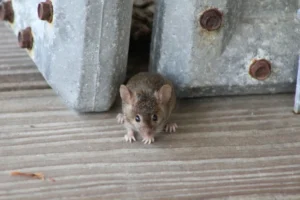
These are just involuntary muscle contractions. As frozen muscle tissue thaws, it can contract automatically.
The electrical signals stored in the muscle fibers discharge randomly, causing movement. This is a purely mechanical process and doesn’t involve any consciousness or life.
It’s similar to how fresh meat can twitch in the grocery store. The animal is definitely dead, the muscles are just reacting to temperature changes or electrical stimulation.
If you’re ever unsure whether a feeder mouse was properly euthanized before freezing, look at its position. A humanely euthanized mouse should look peaceful and relaxed.
A mouse frozen alive would show signs of struggle or distress in its body position and expression. This is a serious welfare issue that should be reported to the supplier.
Can Mice Enter Torpor When They Get Cold?
Some people confuse mouse hypothermia with torpor, which is a state of reduced metabolic activity some animals enter to conserve energy. Small mammals like some hamsters and bats can enter torpor during cold periods or food scarcity.
Their body temperature drops, heart rate slows, and they appear dead. But torpor is a controlled physiological state.
The animal can wake itself up when needed. Mice don’t enter true torpor like some other small mammals.
When a mouse gets cold, it’s not voluntarily lowering its metabolism to conserve energy. It’s experiencing involuntary hypothermia, which is dangerous and can be fatal.
A mouse in severe hypothermia can’t just “wake up” on its own. It needs external heat to raise its body temperature back to normal.
And if the mouse has crossed the line into actual freezing, no amount of external heat will bring it back.
How to Tell If a Mouse Is Dead or Hypothermic
If you find a very cold mouse and aren’t sure if it’s dead or just hypothermic, there are ways to check. First, look at the body temperature and stiffness.
A hypothermic but living mouse will feel cold but not ice-cold. Its body will have some flexibility even though it’s not moving.
A frozen dead mouse will be rigid and ice-cold, with no flexibility at all. Check very carefully for breathing.
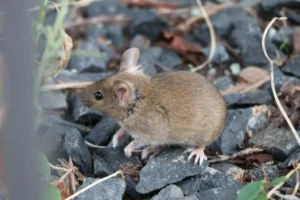
Hypothermic mice breathe very slowly, maybe only a few breaths per minute. You might need to watch the chest for a full minute to see movement.
Place a small mirror or piece of glass near the mouse’s nose to see if it fogs up from breathing. Feel for a heartbeat by gently placing your finger on the mouse’s chest.
A hypothermic mouse will have a very slow, faint heartbeat that’s hard to detect but is there. If you’re not sure, try warming the mouse slowly.
Place it on a heating pad set to low (or use warm water bottles wrapped in towels). A hypothermic mouse should show signs of recovery within 30-60 minutes if it’s alive.
How to Prevent Mice From Freezing
For people with pet mice, preventing accidental freezing is important. Never keep mice in unheated spaces like garages, sheds, or outdoor buildings in winter.
Indoor temperatures below 60°F (15°C) can stress mice. Below 40°F (4°C) is dangerous.
Provide plenty of bedding material so mice can burrow and create insulated nests. Multiple mice housed together can share body heat. Make sure water bottles don’t freeze, this is a common problem in cold spaces.
Use insulated water bottle covers or check frequently to make sure water is still liquid. If you’re transporting mice in cold weather, keep them in insulated carriers.
Never leave them in cold cars for extended periods. For mice being used as reptile food, euthanasia should always happen before freezing.
Freezing live mice causes extreme suffering as they slowly die from hypothermia and freezing. This is inhumane and potentially illegal in many areas.
Conclusion
Mice can’t come back to life after being frozen solid. Once ice crystals form in their tissues and cells, the damage is permanent and fatal.
The stories about frozen mice reviving are almost always cases of severe hypothermia, not true freezing. A mouse that’s very cold but not frozen might recover with careful warming.
But a mouse that’s been frozen solid is dead and will stay dead. The confusion between hypothermia and freezing causes most of the myths about mice coming back to life.
Understanding the difference is important. If you find an extremely cold mouse, warming it might help if it’s just hypothermic. But if it’s frozen solid with ice crystals formed throughout its body, there’s no revival possible with current science or any foreseeable future technology.

Hi, my name is Ezra Mushala, i have been interested animals all my life. I am the main author and editor here at snakeinformer.com.