

If you’ve noticed rats in your home, you might be hoping they’ll just leave on their own and never return. Some people also wonder if rats come and go seasonally or if they temporarily leave and then come back.
Understanding rat behavior patterns can help you know what to expect and how to handle an infestation properly. But do rats leave and come back?
Rats rarely leave on their own once they’ve established a home in your house. If they do leave temporarily (like if scared away or running out of food), they’ll almost always come back because they remember where resources are located. Rats are creatures of habit and will keep returning to places where they’ve found food, water, and shelter before.
Once rats move into your home, they consider it their territory. They’ve invested time and energy learning the layout, finding food sources, and building nests.
They won’t abandon this investment unless you force them out by removing resources and sealing entry points. Even then, they’ll often keep trying to get back in for weeks or months.
Why Rats Rarely Leave on Their Own
Rats are driven by survival instincts. Once they find a location that meets their needs for food, water, and shelter, they have no reason to leave.
Your home is ideal rat habitat. It’s warm, protected from weather and predators, and full of potential food sources.

From a rat’s perspective, why would they leave this paradise to struggle in the harsh outside world? Rats also invest significant effort in establishing territory.
They mark their routes with urine and pheromones. They memorize the locations of food, water, and safe hiding spots.
They dig or gnaw routes between different areas. A rat won’t abandon all this work unless forced to.
Additionally, if female rats have established nests with babies, they definitely won’t leave voluntarily. Mother rats are extremely devoted to their young and will stay to protect and care for them even in dangerous conditions.
Why Rats May Disappear and Then Return
Sometimes rats might seem to disappear for a while, and you might think they’ve left for good. But they’re usually just being more cautious or have temporarily shifted to a different part of your home.
Rats are most active at night and very good at hiding during the day. You might not see them for several days even though they’re still living in your walls or attic.
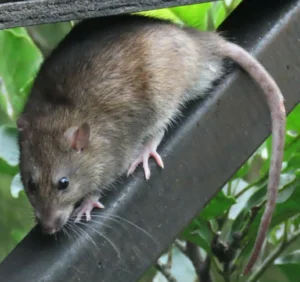
If you’ve made a lot of noise or activity in the area where rats were active, they might avoid that specific spot for a few days while still staying in your home. They’ll use different routes or feed in different locations until they feel safe again.
Rats also have territories that can include multiple buildings or structures. A rat might spend a few days focused on your garage or shed, then shift back to your main house.
This can make it seem like they left and came back when really they’ve been on your property the whole time. Cold weather, storms, or other environmental stresses can cause rats to temporarily hunker down in their nests and reduce activity.
During these quiet periods, you might think they’re gone. But as soon as conditions improve or they get hungry enough, they’ll be back to their normal patterns.
How Rat Activity Changes With the Seasons
Rat infestations do follow some seasonal patterns, but this doesn’t mean rats leave and come back with the seasons. Instead, rat behavior changes throughout the year.
In fall and winter, rats actively seek indoor shelter as outdoor conditions become harsh. This is when most people first notice rat problems.
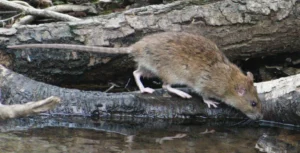
The rats might have been around outside all summer, but they weren’t coming inside because outdoor conditions were comfortable. Once cold weather hits, they move indoors and stay there.
In spring and summer, some rats might venture outside more often if there’s abundant food available (like in gardens or compost piles). But they typically maintain their indoor nest sites and just expand their territory to include outdoor areas.
They’re not leaving and coming back, they’re simply using a larger range that includes both indoor and outdoor spaces. Young rats born in spring might disperse to find their own territories.
This can temporarily reduce the rat population in your home. But without exclusion work to seal entry points, new rats will move in to replace them, or the same young rats will return when conditions change.
What Makes Rats Leave Your Home?
Rats won’t leave just because you want them to. You have to actively make your home unsuitable for them.
This means removing all food sources by storing food in sealed containers, cleaning up crumbs and spills immediately, taking garbage out regularly, and not leaving pet food accessible.
You need to eliminate water sources by fixing leaky pipes, draining standing water, and removing pet water bowls at night.
Remove nesting materials and potential nest sites by clearing clutter, especially stored cardboard boxes, old fabric, paper piles, and other soft materials rats use for nests. Create disturbances that make rats uncomfortable.
This could include making noise in areas where they nest, using bright lights in dark spaces they prefer, or introducing the scent of predators (though this has limited effectiveness).
But here’s the thing: even if you do all this perfectly, rats will often just move to a different part of your home rather than leave entirely.
The only guaranteed way to make rats leave is to combine resource removal with active trapping or exclusion. Catch and remove the rats that are already inside while sealing all entry points so they can’t come back.
Why Scared Rats Often Come Back
If something scares rats away (like a sudden loud noise, seeing a cat, or encountering a person), they’ll hide temporarily but they’ll come back. Rats have excellent memories.
They remember where food is located, and hunger will eventually override their caution. A rat might avoid a specific area where it was scared for a few hours or even a day or two.

But if that area has food, the rat will eventually return, usually during the quietest hours of the night when it feels safer. Rats are also adaptable and learn quickly.
If they encounter the same scare tactic repeatedly and realize it doesn’t actually hurt them, they’ll start ignoring it. For example, rats quickly adapt to ultrasonic repellents, loud noises, or flashing lights.
After a few exposures, they learn these things are harmless and go about their business. Predator scents like cat urine might make rats cautious initially, but if the actual predator isn’t present, rats will eventually venture out anyway when hungry enough.
The temporary fear response doesn’t change the fact that your home still offers everything they need for survival.
Food Is One of the Biggest Reasons Rats Stay
Food is the single biggest factor in whether rats stay or leave. Rats need to eat multiple times per day to maintain their energy.
A house with abundant food sources will keep rats coming back no matter what else you do. Even small amounts of food are enough.
Crumbs under your stove, a few pieces of dog food in a bowl, spilled birdseed in the garage, or improperly stored pantry items all provide sufficient calories for rats. People often underestimate how little food rats actually need.
A rat only eats about half an ounce to an ounce of food per day. That’s roughly two tablespoons.
The crumbs from a single sandwich or a handful of spilled cereal can feed a rat for a day. If you’re seeing rats repeatedly in the same area, there’s almost certainly a food source nearby.
They might be getting into packaging you think is secure (rats can chew through cardboard, thin plastic, and even some wooden containers). Or they might be eating things you don’t consider food, like soap, candles, or pet treats stored in accessible locations.
Until you completely eliminate these food sources, rats will keep coming back.
How Nesting Sites Keep Rats Coming Back
Rats are territorial animals. Once they establish a nest site and claim an area as their territory, they’ll defend it from other rats and return to it persistently.
Male rats mark their territory with urine to signal to other males that the area is occupied. Female rats with babies are especially committed to their nest sites.

They won’t abandon their young, even if conditions become somewhat difficult. Rats build nests in hidden, protected locations.
Common spots include inside wall voids, in attic insulation, under piles of stored items in basements or garages, behind appliances, or in crawl spaces. These nests represent a significant investment of time and effort for the rat.
They’ve gathered soft materials like shredded paper, fabric, or insulation to create a warm, comfortable space. Abandoning an established nest means losing this investment and having to start over somewhere else.
This is why rats are so persistent about staying in or returning to homes where they’ve nested.
How a Small Rat Problem Can Turn Into an Infestation
Understanding the cycle of how rat infestations develop helps explain why rats keep coming back. It usually starts with one or two rats finding their way into your home, attracted by food smells or seeking shelter.
These initial rats explore your home, find food and water, and decide to stay. They establish travel routes along walls and under furniture where they feel safe.
They mark these routes with urine, creating scent trails. If the rats are a male and female, or if a pregnant female enters, breeding begins.
Rats can have five to ten litters per year with five to six babies each. The population grows quickly.
Young rats born in your home know it as their only territory and will stay there as adults. As the population grows, rats might expand to other parts of your house or even to neighbor’s homes, but the core population remains in your home.
Even if you catch some rats, others continue breeding and new ones are born faster than you can trap them. This cycle continues indefinitely unless you break it through comprehensive exclusion and removal efforts.
Why Sealing Entry Points Is the Only Permanent Solution
You can’t rely on rats leaving on their own. The only way to permanently solve a rat problem is exclusion, which means sealing every possible entry point.
Rats can squeeze through openings as small as a quarter for young rats and a half-dollar for adults. You need to inspect your entire home’s exterior looking for gaps, cracks, and holes.
Common entry points include:
- gaps around pipes and utility lines where they enter the house,
- cracks in the foundation or walls,
- spaces under doors or around garage doors,
- openings where different building materials meet,
- damaged or missing vent screens, and gaps in roof soffits or where the roof meets walls.
Seal these openings with materials rats can’t chew through like steel wool, hardware cloth (metal mesh), sheet metal, or concrete.
Don’t use expanding foam, caulk, or wood alone because rats can chew through these. Once your home is sealed, any rats currently inside can be trapped and removed, and new rats can’t get in.
This breaks the cycle. But if you don’t seal entry points, you’ll catch one rat only to have another one come in through the same opening the next week.
Trapping vs Waiting for Rats to Leave: What’s Better?
Some people hope that if they just make conditions uncomfortable enough, rats will leave on their own without the need for trapping. This almost never works in practice.
Rats are incredibly persistent and can tolerate a lot of discomfort if food is available. Even if you use repellents, bright lights, loud noises, or predator scents, hungry rats will push through these irritations to reach food.
Active trapping is necessary to remove rats that are already established in your home. Snap traps are the most effective and humane option.
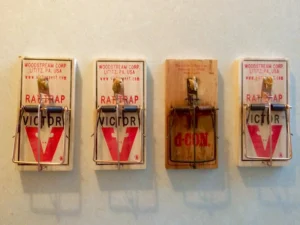
Place them along walls where you’ve seen rat activity, baited with peanut butter, dried fruit, or nuts. Check traps daily and reset them.
You’ll likely need to trap for several weeks to catch all the rats in a breeding population.
Live traps are an option if you prefer not to kill rats, but then you face the challenge of releasing them far enough away that they won’t return (at least 2-3 miles) and dealing with the ethical and legal issues of relocation.
Poison is another option but has serious drawbacks. Poisoned rats often die in inaccessible locations like inside walls, creating terrible smells and attracting other pests.
What Happens If You Ignore a Rat Infestation?
If you ignore a rat problem hoping the rats will eventually leave on their own, the infestation will get progressively worse. The rat population will grow exponentially as breeding continues.
More rats mean more damage to your home’s structure, wiring, and insulation. The health risks increase as more rat droppings and urine accumulate, potentially spreading diseases.
The smell gets worse as urine and droppings build up in hidden areas. Rats will become bolder, appearing during daytime hours and in more visible parts of your home.
They might start causing more obvious damage like chewing through food packaging in your pantry, leaving visible gnaw marks on baseboards and furniture, or making loud noises in walls and ceilings.
Eventually, the rat population in your home will reach a carrying capacity limit based on available resources.
But this limit could be dozens or even hundreds of rats before resources become scarce enough to naturally reduce the population. Waiting for this natural reduction isn’t a viable strategy.
How to Tell If Rats Are Living in Your Home
If you’re trying to figure out if rats are actively living in your home or just occasionally visiting, there are signs to look for. Consistent fresh droppings in the same locations indicate rats are regularly using those areas.
Rat droppings are dark when fresh and fade to gray as they age. Multiple feeding sites with gnawed food packages suggest rats are living nearby rather than just passing through.
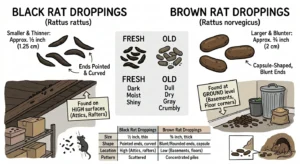
Nesting materials like shredded paper or fabric in hidden spots prove rats have established residence. Well-worn travel paths with smudge marks along walls show regular, repeated use.
Sounds in walls or ceilings at the same times each night indicate rats have established routines in your home. If you’re only seeing occasional signs without these patterns, you might be catching rats early before they’ve fully moved in.
This is the best time to take action with exclusion work to prevent them from establishing residence.
How to Stop Rats From Coming Back
Once rats have been in your home, they’ll keep trying to come back even after you’ve removed them. This is because they remember your home as a good resource location.
Their scent trails and pheromone markers also persist, attracting other rats. To break this cycle, you need to combine multiple strategies.
Seal all entry points to physically prevent return. Clean thoroughly with enzymatic cleaners that break down the scent markers rats left behind.
Maintain strict food sanitation so there’s nothing to attract returning rats or new ones. Fix moisture problems to eliminate water sources.
Remove clutter and potential nesting sites. Monitor regularly for new signs of activity so you can catch and address any new incursions immediately before rats re-establish themselves.
This comprehensive approach is the only way to truly solve a rat problem rather than just managing it temporarily.
Conclusion
Rats don’t leave on their own once they’ve established territory in your home. They might temporarily retreat or reduce activity in response to disturbances, but they almost always come back because they remember where resources are located.
Your home provides everything rats need for survival, and they’re highly motivated to stay in or return to places where they’ve successfully found food and shelter before. The idea of waiting for rats to leave on their own is unrealistic.
They’re territorial, persistent, and excellent at remembering locations. If you have rats, active removal combined with exclusion is necessary.
Seal all entry points, remove food and water sources, trap rats that are currently inside, and maintain vigilance to catch any new attempts at entry. Only by addressing all these factors can you stop the cycle of rats coming and going from your home.

Hi, my name is Ezra Mushala, i have been interested animals all my life. I am the main author and editor here at snakeinformer.com.