

Every year, especially when the weather turns cold, homeowners find themselves dealing with unwanted mouse visitors. These small rodents seem to appear out of nowhere, scurrying across floors and leaving droppings in cabinets.
Understanding what attracts mice to your home can help you prevent infestations before they start. But why do mice come inside?
Mice come inside looking for three basic things: food, water, and shelter. Your home provides warmth, protection from predators, and easy access to food sources. When outdoor conditions get harsh (especially in fall and winter), mice actively seek indoor spaces where they can survive and reproduce safely.
It’s not random chance when mice end up in your house. They’re actually following specific survival instincts that draw them to human homes.
Once they find a way inside and discover that your home meets their needs, they’ll settle in and start breeding. This is why a small mouse problem can quickly become a serious infestation if you don’t act fast.
Food Is the Biggest Attraction
Mice need to eat constantly to fuel their fast metabolism. A single mouse will eat 15 to 20 times per day, consuming small amounts of food throughout the day and night.
Your home is basically a giant buffet from a mouse’s perspective. Even if you think you’re keeping things clean, there are dozens of food sources that attract mice.

Crumbs on counters or floors, spills in pantries, pet food left in bowls, birdseed in garages, and food stored in thin cardboard or plastic packaging all attract hungry mice. They have an excellent sense of smell and can detect food from quite far away.
Mice aren’t picky eaters either. They’ll eat grains, seeds, fruits, meat, chocolate, peanut butter, and even things you wouldn’t consider food like soap, glue, or cardboard.
If they can get calories from it, they’ll try to eat it. This is why sealing food in thick plastic, glass, or metal containers is so important for mouse prevention.
Even small amounts of accessible food can sustain a mouse family for weeks.
Water Sources Keep Them Coming Back
Like all animals, mice need water to survive. But they don’t need much, only about an ounce of water per day.
This tiny amount means they can get moisture from many sources you might not think about. Leaky pipes under sinks, condensation on pipes, pet water bowls, and even moisture in fruits or vegetables can provide enough water for mice.
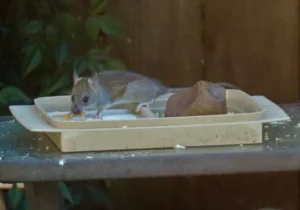
In some cases, mice can actually get all the water they need from their food if it has high moisture content. But having a reliable water source nearby makes your home even more attractive to them.
This is why kitchens and bathrooms are common areas for mouse activity. These rooms naturally have more water sources than other parts of your home.
A dripping faucet or a sweating pipe might seem like a minor issue to you, but to a mouse, it’s a dependable water source. Fixing these moisture problems doesn’t just prevent water damage, it also makes your home less appealing to mice.
Shelter and Warmth Drive Seasonal Invasions
While mice can enter homes year-round, most homeowners notice increased mouse activity in fall and winter. This isn’t a coincidence.
As outdoor temperatures drop, mice start looking for warm places to spend the cold months. Your heated home is much more comfortable than a cold burrow or nest outside.
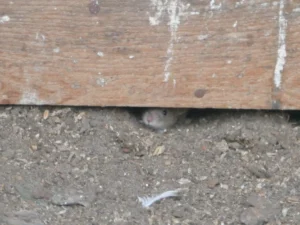
Mice can’t regulate their body temperature as well as larger animals, so they’re very sensitive to cold weather. When temperatures drop below freezing, outdoor mice face serious survival challenges.
Their natural food sources become scarce, water freezes, and the cold can actually kill them if they can’t find shelter. Your warm home solves all these problems at once.
Inside your walls, attic, or basement, mice find protection from cold temperatures, rain, snow, and wind. These spaces also protect them from outdoor predators like owls, hawks, snakes, and cats.
From a mouse’s perspective, your home is the perfect safe haven. It’s warm, dry, protected, and full of food.
Small Entry Points Make It Easy
You might wonder how mice even get inside in the first place. The answer is simpler than you’d think: they can squeeze through incredibly small openings.
A mouse can fit through any hole that its head can pass through. Since their skulls are slightly flexible and their bodies are very compressible, this means they can squeeze through gaps as small as a dime (about 1/4 inch).
Common entry points include gaps around pipes and utility lines, cracks in foundations, spaces around doors and windows, vents without proper screens, and openings where different building materials meet. Many homes have dozens of these small entry points without the homeowner realizing it.
Mice are also excellent climbers. They can scale rough surfaces like brick, wood siding, and stucco.
This means entry points on upper levels of your home are just as vulnerable as ground-level openings. A gap in your roof line or a torn attic vent screen is an open invitation for mice.
Once one mouse finds an entry point and discovers food inside, it’ll leave scent trails that other mice can follow. This is how you can go from one mouse to many in a short time.
Your Home Provides Perfect Nesting Sites
Beyond food, water, and warmth, mice need safe places to build nests and raise their young. Your home has plenty of ideal nesting locations.
Mice prefer quiet, hidden spots where they won’t be disturbed. Spaces inside walls, attic insulation, stored boxes in basements or garages, behind appliances, and in cluttered storage areas all make perfect nest sites.
Female mice are especially motivated to find good nesting spots when they’re pregnant. A single female can have five to ten litters per year, with each litter containing five to six babies.
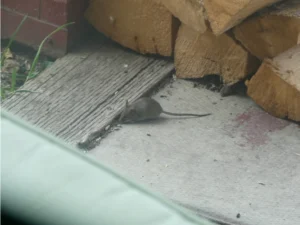
She needs a safe, warm spot to raise each litter, and your home provides exactly that. This is why mouse infestations can explode so quickly.
One pregnant female entering your home in fall can turn into a colony of 60 or more mice by spring. Each generation born in your home will be familiar with it and continue living there unless you force them out.
Human Homes Have Changed Mouse Behavior
It’s worth noting that house mice (Mus musculus) have actually evolved alongside humans for thousands of years. These aren’t wild forest animals that accidentally wander into homes.
House mice are specifically adapted to live in and around human structures. They’ve been doing it since humans first started storing grain and building permanent settlements.
This long history means house mice are actually more comfortable around human activity than truly wild mice would be. They’ve learned to navigate around people, avoid obvious threats, and take advantage of the resources we provide.
Some researchers think house mice might not even survive well in truly wild environments anymore. They’re so specialized for living with humans that our homes are now their natural habitat.
This is why you can’t just expect mice to prefer staying outside. For house mice, your home isn’t just an option, it’s actually their preferred living space.
Clutter and Poor Maintenance Increase Risk
While any home can get mice, certain conditions make infestations more likely. Homes with a lot of clutter provide more hiding spots and potential nesting sites.
Stacks of boxes, piles of papers, unused furniture, and general disorder create perfect mouse habitats. Mice feel safer when they can move around without being exposed in open spaces.

Poor maintenance also increases your risk. Unsealed cracks, broken vents, gaps around pipes, torn window screens, and doors that don’t seal properly all create entry points.
If you have moisture problems like leaky pipes, standing water, or poor drainage around your foundation, you’re making your home even more attractive. Overgrown vegetation touching your house gives mice cover as they approach and hides potential entry points.
Firewood stacked against your house, pet food stored in garages, and outdoor garbage bins near your home all attract mice to your property. Once they’re close to your house, they’ll start looking for ways inside.
Neighbors and Nearby Infestations Spread
If your neighbors have mice, you’re at higher risk even if your home is clean and well-maintained. Mice can travel between houses through shared walls in townhouses or apartments.
They can also move across yards, using trees, fences, and other structures as pathways. When neighbors use poison or traps, they might actually push mice into your home as the rodents flee the danger.
This is especially common in dense neighborhoods or apartment buildings. One unit’s mouse problem can quickly become everyone’s problem if the mice start spreading through the building looking for safer spaces.
New construction or demolition in your area can also drive mice into your home. When their outdoor habitats get disturbed, mice scatter looking for new places to live.
Your home might be the closest safe option. Natural factors like floods, wildfires, or severe weather can also displace outdoor mouse populations and push them toward human structures.
Mice Follow Scent Trails From Previous Infestations
Here’s something many people don’t realize: if you’ve had mice before, you’re more likely to get them again. Mice leave pheromone trails and scent markers wherever they go.
These chemical signals can last for months or even years after the mice are gone. New mice can detect these old trails and will follow them.
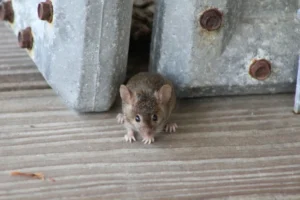
If previous mice found food, water, and nesting sites in your home, the scent markers they left will guide new mice to those same spots. This is why homes that have had mouse problems often struggle with recurring infestations.
You can clean surfaces, but these scent markers can be in hard-to-reach places like inside walls or under insulation. The only way to truly break the cycle is to seal all entry points so new mice can’t follow the old trails inside.
You should also deep clean areas where mice were active, using enzymatic cleaners that can break down the pheromones better than regular cleaners.
Urban vs Rural Mouse Pressures
You might think mouse problems are just a rural or country issue, but urban homes actually face significant mouse pressure too. Cities have huge mouse populations that live in sewers, subway systems, alleys, and commercial buildings.
Urban mice are often even bolder than rural mice because they’re more accustomed to human activity. They’ve learned to navigate busy streets, ignore normal household noises, and find food in urban environments.
Rural homes face different pressures. They’re often surrounded by fields, forests, or farms where outdoor mouse populations live.
When crops get harvested in fall, field mice lose their food sources and shelter. Many of them migrate toward nearby houses looking for alternative resources.
Farm buildings, outbuildings, and homes with livestock or stored grain are especially attractive. But even rural homes without these features still face seasonal invasions as mice seek winter shelter.
The Role of Bird Feeders and Pet Food
Many well-meaning homeowners accidentally attract mice with bird feeders and outdoor pet feeding stations. Birdseed is actually one of mice’s favorite foods.
They’ll climb feeders at night, eat seed that falls on the ground, and even nest in nearby areas to stay close to this reliable food source. If you have bird feeders, you’re creating a mouse attractant right outside your home.

Once mice are feeding in your yard, it’s only a matter of time before they find their way inside. The same goes for feeding pets outside.
Leaving dog or cat food in bowls on porches, patios, or garages gives mice an easy food source. They’ll come to eat the pet food, then start exploring the area for ways into your house.
If you feed pets outside, only put out as much food as they’ll eat in one sitting, then bring the bowls back inside. Store pet food in sealed metal or thick plastic containers, never in the original bag.
What Mice Are Really Looking For
When you strip away all the details, mice come inside for the same reasons any animal seeks shelter: survival and reproduction. Your home offers everything they need to not just survive, but thrive.
Consistent food sources, reliable water, protection from weather and predators, and safe nesting sites are all the resources mice need. If your home provides these things and has openings they can use to get inside, mice will move in.
They’re not trying to annoy you or cause problems. They’re just following their survival instincts.
But understanding these instincts is actually helpful because it shows you exactly what to do to keep them out. Remove or secure food sources, fix moisture problems, seal entry points, and eliminate nesting sites.
When your home no longer meets their survival needs or they can’t get inside, mice will look elsewhere.
Prevention Starts With Understanding
Knowing why mice come inside is the first step in preventing infestations. You can’t just hope they’ll stay outside or assume your home isn’t at risk.
Every home has something that could attract mice, whether it’s food crumbs, a leaky pipe, or a gap around a utility line. The difference between homes that get mice and homes that don’t often comes down to how many attractants are present and how easy it is to get inside.
Regular home maintenance, good sanitation practices, proper food storage, and sealing entry points are all important. These aren’t one-time tasks either.
You need to check for new gaps and cracks regularly, especially as your house settles and materials expand and contract with temperature changes. Stay vigilant in fall when mouse pressure is highest, and address any signs of mice immediately before a small problem becomes a big infestation.
Conclusion
Mice come inside because your home offers everything they need to survive: food, water, shelter, and safety. They’re not randomly wandering in, they’re actively seeking these resources, especially when outdoor conditions get harsh.
Your home’s warmth, abundance of food sources, and hidden nesting sites make it incredibly attractive to mice. Combined with the many small entry points that most homes have, it’s actually easier for mice to get inside than you might think.
The good news is that understanding what attracts mice gives you a clear path to prevention. Seal entry points, store food properly, fix moisture problems, reduce clutter, and maintain your home regularly.
When you remove the things that attract mice and block their access, they’ll have no reason to come inside. And if they can’t get in, they can’t become your problem.

Hi, my name is Ezra Mushala, i have been interested animals all my life. I am the main author and editor here at snakeinformer.com.