
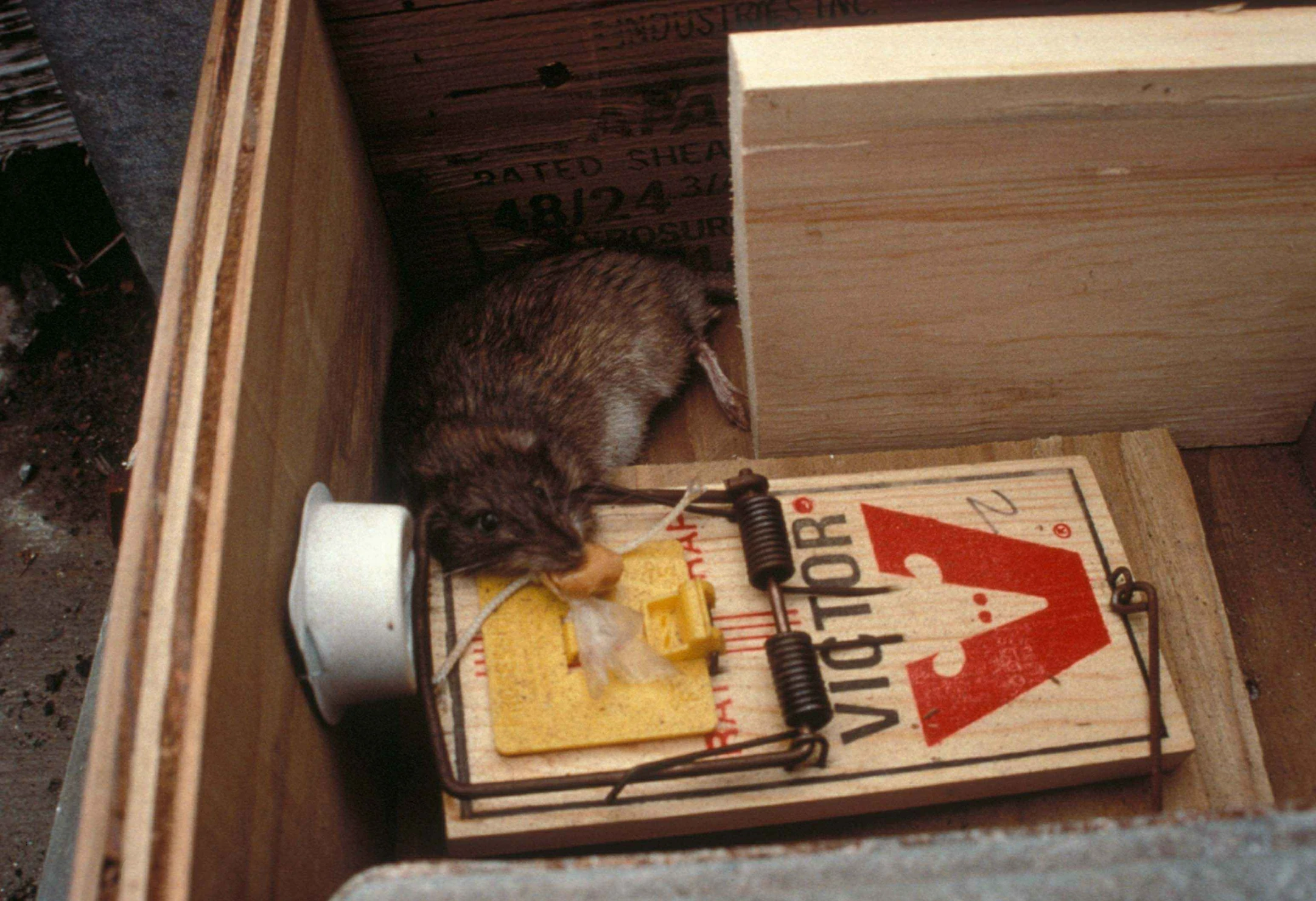
Snap traps are one of the most common tools people use when they’re trying to get rid of rats. They’re cheap, widely available, and they’ve been around for over a century. But just because they’re popular doesn’t mean they always work perfectly.
If you’ve been using snap traps and finding them sprung with no rat inside, you’re probably wondering what’s going on. Can a rat actually escape a snap trap?
Yes, a rat can escape a snap trap if it doesn’t get caught in a fatal spot, if the trap’s spring isn’t strong enough, or if the rat is only partially caught. When a snap trap hits a rat’s leg, tail, or back instead of its head or neck, the rat can often pull itself free and escape.
Snap traps are designed to kill instantly by breaking the rat’s neck or crushing its skull. But when things don’t go according to plan, rats can and do escape. Understanding why this happens can help you use snap traps more effectively.
How Snap Traps Are Supposed to Work
A snap trap has a spring-loaded metal bar that’s held back by a trigger mechanism. When a rat steps on the trigger plate or pulls at the bait, the bar releases and snaps down with a lot of force.
If everything works right, the bar hits the rat on the head or neck and kills it instantly.
The whole idea is that the trap delivers enough force in the right spot to kill before the rat has time to react.
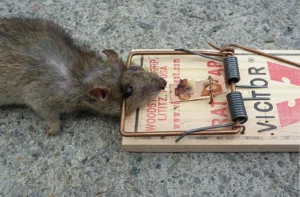
A good trap with a strong spring can hit with incredible power, enough to break bones and cause instant death.
But for this to work, several things need to happen perfectly. The rat needs to be in exactly the right position when the trap springs.
The bar needs to hit the rat in a vital area. And the spring needs to be strong enough to do real damage.
When any of these things don’t go right, the rat might survive the initial snap and have a chance to escape.
Why Rats Get Caught in Non-Fatal Positions
Rats don’t just walk straight up to a trap and stick their head in the perfect killing zone. They’re cautious animals that approach new objects carefully.
A rat might be reaching for bait from the side, or it might be trying to grab the food and pull it off the trap without fully stepping on the trigger.
When a rat approaches from an angle, the metal bar might hit its back or side instead of its head. This can hurt the rat and maybe break some ribs, but it’s not going to kill it instantly.
A rat that’s hit in the body can often twist away before the bar pins it down completely.
Tails and legs are even worse spots for the trap to catch. A rat’s tail is strong but not vital to its survival. If the snap trap catches just the tail, the rat can either pull hard enough to free itself, or in extreme cases, it might actually break its own tail off to escape.
The same thing happens with legs. If the bar catches a leg, the rat might break or dislocate the limb while thrashing around, but it can still potentially pull free. Rats can survive with broken legs, and their survival instinct is incredibly strong.
Weak or Worn-Out Springs Reduce Killing Power
Not all snap traps are created equal. Cheap traps from discount stores often have weak springs that don’t deliver enough force to kill a rat reliably. The bar might hit the rat, but without enough power to actually do fatal damage.
Over time, even good traps can wear out. If you’ve been using the same snap trap for months or years, the spring loses some of its tension.
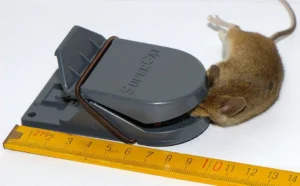
The metal can get bent or rusty, which affects how well the mechanism works. A trap that worked great when it was new might be much less effective after a dozen uses.
You can actually test this yourself (carefully). Set the trap and watch how fast and hard the bar snaps down. If it seems slow or weak, it’s probably time to replace that trap. A good rat snap trap should snap down so fast that you barely see it move.
Temperature can also affect spring tension. In very cold environments, metal becomes more brittle and springs can lose some of their power.
This is worth keeping in mind if you’re setting traps in an unheated garage or basement during winter.
Rats Are Stronger Than You’d Think
People really underestimate how strong rats are for their size. An adult rat can push or pull with surprising force, and when it’s fighting for its life, that strength gets amplified by adrenaline and panic.
If a snap trap catches a rat in a way that doesn’t immediately knock it out or kill it, the rat will thrash around violently trying to escape.
This thrashing can sometimes dislodge the trap bar enough for the rat to squeeze out.
Rats also have flexible skeletons. Their ribs and spine can compress quite a bit, which allows them to squeeze through surprisingly small spaces.
If the trap bar isn’t pinning the rat down with constant pressure, the rat might be able to contort its body enough to slip free.
Young rats are especially flexible and can sometimes escape traps that would easily hold an adult. Their bones are still developing and haven’t fully hardened, which gives them even more flexibility.
The Trap’s Position and Placement Matters
If a snap trap isn’t sitting on a flat, stable surface, it won’t work as well. When the trap is on uneven ground or a wobbly surface, the rat’s movement can shift the trap just enough to change where the bar hits.
A trap that tips or slides when the rat steps on it might miss the killing zone entirely. The bar could swing wide and hit the rat with a glancing blow instead of a direct hit. This gives the rat a better chance of escaping.
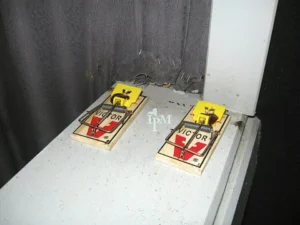
The same thing happens if the trap is too close to a wall or other objects. The rat might be able to use the wall for leverage to push against the trap bar, or the wall might prevent the bar from closing all the way.
You want to position snap traps so they’re stable and the killing bar has a clear path to snap down without hitting anything else.
There should be a few inches of clearance on all sides if possible.
Bait Placement Affects Where the Rat Gets Caught
Where you put the bait on the trap really matters. If you put a big chunk of bait on top of the trigger plate, the rat might be able to nibble at it from the side without stepping on the trigger. When the trap finally springs, the rat’s head isn’t in the killing zone.
The best approach is to use a small amount of sticky bait like peanut butter and place it directly on the trigger itself, or even slightly behind it.
This forces the rat to step fully onto the trigger and reach in with its head to get the food.
When the rat’s head is reaching past the trigger toward the back of the trap, that’s when the snap will catch it in the neck or head area. This is the position you want for a quick, humane kill.
Some people make the mistake of putting way too much bait on the trap, thinking it will be more attractive. But all this does is give the rat more food to work with and more ways to approach the trap from bad angles.
What Happens to a Rat That Escapes?
A rat that escapes from a snap trap doesn’t just walk away and forget about it. The experience teaches the rat that snap traps are dangerous. From that point on, the rat will be extremely cautious around anything that looks or smells like a trap.
This is called becoming trap-shy, and it’s a real problem. A trap-shy rat might avoid all snap traps in your home, even ones in completely different locations.
The rat has learned what to look for and will stay away.

Even if the rat was seriously injured in the escape, it can still survive. Rats are tough animals that can live with broken bones, missing tails, and other injuries that would kill less hardy creatures.
An injured rat is still a rat that’s eating your food and leaving droppings in your home.
Escaped rats can also spread the word to other rats through scent marking and sounds. Other rats might start avoiding your traps even if they haven’t personally had a bad experience with them.
Signs That a Rat Escaped Your Snap Trap
The most obvious sign is finding a sprung trap with no rat in it. But you need to look for other clues to know if it was an escape versus the rat just stealing the bait without getting caught.
Blood on the trap or on the floor nearby is a clear sign that a rat was hit but got away. You might also see blood drops leading away from the trap, showing the path the injured rat took when it escaped.
Fur stuck in the trap mechanism is another telltale sign. When the bar snaps down on a rat, it often catches some fur. If you see fur but no rat, an escape happened.
Sometimes you’ll find pieces of skin or even small bits of flesh on the trap. This sounds gross, but it happens when a rat tears itself free from a trap that caught its skin or tail. The rat sacrifices a bit of itself to get away.
If you’re seeing these signs repeatedly from the same trap location, you’ve got a smart rat that’s figured out how to approach the trap from an angle that minimizes its risk. You’ll need to change your strategy.
Using Better Snap Traps Reduces Escapes
Not all snap traps are the same quality. If you’re serious about catching rats, invest in professional-grade traps. These cost more than the cheap plastic ones from the dollar store, but they’re much more effective.
Heavy-duty metal traps with strong springs and sensitive triggers work better than lightweight plastic models.
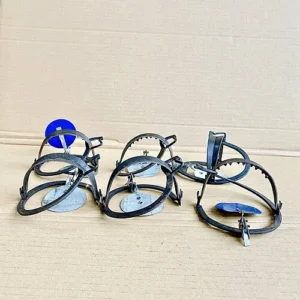
The metal construction means they won’t warp or wear out as quickly, and the stronger spring delivers more killing power.
Look for traps specifically labeled as rat traps, not mouse traps. Rat traps are bigger and have stronger springs. Mouse traps won’t reliably kill rats because the spring isn’t powerful enough for a larger animal.
Some modern snap traps have improved designs that make escapes less likely. These might have bars that close from multiple angles or trigger mechanisms that are more sensitive and consistent.
Setting Multiple Traps Increases Success
Don’t rely on just one or two snap traps if you know you have rats. Set out several traps in different locations along the rats’ runways. The more traps you have working, the better your chances of catching something before it has a chance to become trap-shy.
When you use multiple traps, even if a rat escapes from one, it might encounter another one before it learns to avoid all traps completely.
This rapid deployment strategy works better than slowly adding traps over time.
Just make sure all your traps are the same quality. There’s no point in setting out ten traps if half of them are cheap and unreliable. Better to have six good traps than twelve mixed-quality ones.
Check all your traps daily so you know which ones are working and which ones might need to be adjusted or replaced.
Combining Snap Traps With Other Methods
If rats are escaping your snap traps regularly, it might be time to add other types of traps to your strategy. Electronic traps deliver a quick electric shock that kills instantly and doesn’t require the precise positioning that snap traps need.
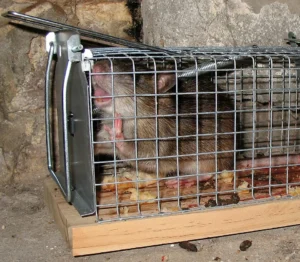
You could also use live traps to catch rats you can’t seem to kill with snap traps. Once the rat is in a live trap, you can dispose of it however you think is best.
Some people use glue traps in combination with snap traps, though glue traps have their own problems with escapes and are considered inhumane by many people.
The point is that relying only on snap traps might not be enough if you’re dealing with smart, cautious rats. A mixed approach gives you better coverage and more chances to catch rats before they wise up to all your methods.
Proper Disposal Prevents Learning Opportunities
When you do successfully catch a rat in a snap trap, you need to dispose of it quickly and properly. Don’t leave the dead rat in the trap for other rats to see and smell. This teaches them that the trap is dangerous.
Remove the rat, reset the trap with fresh bait, and put it back in position. The faster you do this, the less information other rats have about the danger.
Wear gloves when handling dead rats and the traps they’re in. Rats can carry diseases that you don’t want to expose yourself to. Put the dead rat in a sealed plastic bag before throwing it in your outdoor trash.
Some people bury dead rats or release them far from home, but these methods aren’t recommended. Just double-bag them and put them in your regular trash for pickup.
When Escapes Mean Your Approach Isn’t Working
If you’ve had multiple rats escape from your snap traps, it’s time to completely rethink your approach. Maybe snap traps aren’t the right tool for your particular situation.
Consider switching to a different trap type entirely, or call in a professional pest control service. Pros have access to better equipment and know techniques that regular homeowners don’t.

Sometimes a rat problem is too big or the rats are too smart for DIY methods to work well. There’s no shame in getting expert help, especially if your current methods are just training the rats to avoid your traps.
The longer you struggle with escaping rats, the harder they become to catch. Every escape is a learning experience for the rat, making it more cautious and trap-shy.
Conclusion
Snap traps can be very effective when used correctly, but they’re not foolproof. Rats can and do escape from them, especially if the trap catches them in a non-fatal spot or if the trap isn’t strong enough to hold them.
To reduce escapes, use high-quality traps with strong springs, place them on stable surfaces, and use small amounts of sticky bait to position the rat correctly. Check your traps frequently so injured rats don’t have time to work themselves free.
If you’re having consistent problems with rats escaping your snap traps, don’t just keep doing the same thing and hoping for different results.
Change your bait, try different trap positions, use more traps, or switch to a different type of trap entirely. The key is to adapt faster than the rats can learn.

Hi, my name is Ezra Mushala, i have been interested animals all my life. I am the main author and editor here at snakeinformer.com.