
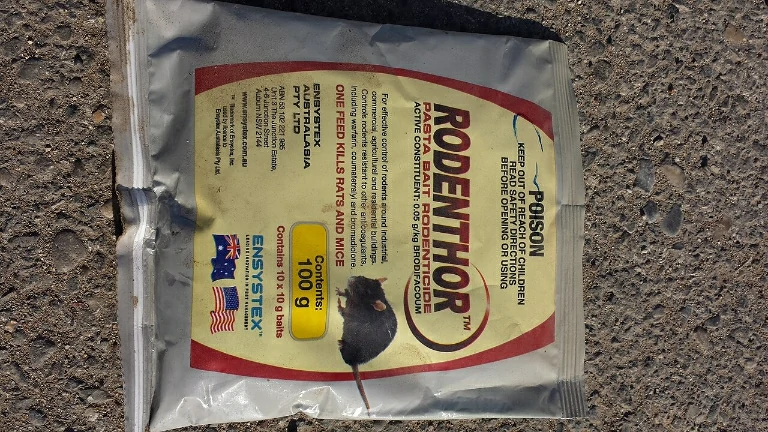
Rat poison is something a lot of people keep around without thinking twice about it. It sits in a garage, a shed, or tucked behind the fridge, doing its job quietly until you need to refill it or move it out of the way.
That’s usually the moment your hand actually touches the stuff. So what happens if you get rat poison on your skin?
In most cases, getting rat poison on your skin isn’t an emergency. A small amount of contact for a short time is usually just fine once you wash it off. The real risk comes from repeated contact, leaving it on your skin a long time, or getting it on broken skin. That’s when it has a better chance of getting into your body.
Most household rat poison is designed to be eaten by rodents, not absorbed through skin. Your skin actually does a decent job of keeping most of it out.
Still, there are a few situations where skin contact becomes more of a concern, and it’s worth knowing what those are.
This isn’t the kind of topic where a quick, surface level answer is actually useful. What matters is the type of poison, how much contact you had, how long it sat on your skin, and whether your skin was broken at the time.
Once you understand those pieces, the picture becomes a lot clearer, and a lot less scary.
What Rat Poison Actually Is
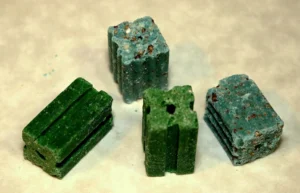
Most rat poison sold in stores in the US, Canada, the UK, and Australia falls into a category called anticoagulants. These work by stopping blood from clotting properly.
In a rodent, this leads to internal bleeding over several days, which is what eventually kills it.
There are two main types you’ll see on labels. First generation anticoagulants, like warfarin, are weaker and need to be eaten several times to work.
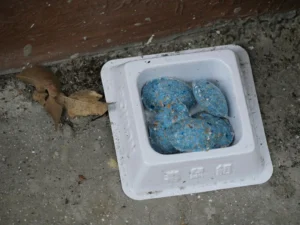
Second generation anticoagulants, like brodifacoum, bromadiolone, difenacoum, and difethialone, are much stronger and can be dangerous after a single dose.
Second generation products are the ones you’ll most commonly find in stores today, since they work faster on rodents that have built up resistance to older formulas.
There are also non-anticoagulant rat poisons, like bromethalin and zinc phosphide, which work differently and are considered more dangerous overall. These are less common in typical household products but still show up in some professional-grade options.
Rat poison used to look very different. Back in the early 1900s, products often relied on arsenic, and other harsh chemicals like strychnine or zinc phosphide were common too.
Those older formulas were harder to control and caused a lot more accidental poisonings in kids and pets. That’s part of why regulations tightened up so much over the last several decades.
Today’s anticoagulant baits are a direct response to that history. They’re designed to be effective against rodents while being harder for a person to accidentally poison themselves with through simple, brief contact.
How Much of a Risk Does a Little Contact Actually Pose?
It helps to think about this as a mix of dose and time, the same way you would with almost anything that could be harmful.
A brief touch, where the poison is on your skin for a few seconds before you wash it off, exposes your body to a tiny amount.
Your skin’s outer layer, called the stratum corneum, acts like a wax coating that slows most chemicals down significantly before they can reach your bloodstream.
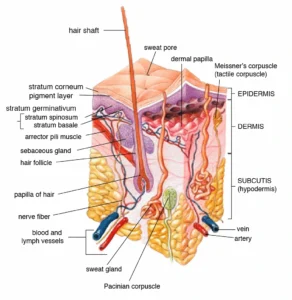
Leaving poison on your skin for an extended period, like hours instead of seconds, gives it far more time to work through that barrier.
This is why the difference between touching bait and handling it for a while (say, while refilling several stations around a property) matters so much.
Concentration also plays a role. Consumer bait blocks and pellets typically contain a very small percentage of active ingredient, often less than half a percent by weight.
Diluted concentrations like this are part of why household products carry lower risk than concentrated professional formulas.
Can Rat Poison Be Absorbed Through the Skin?
Yes, rat poison can be absorbed through the skin, but it’s not the easiest way for it to get into your body. Swallowing it is a much bigger risk than touching it.
Your skin acts as a barrier. It’s made up of layers that are pretty good at blocking chemicals from getting into your bloodstream, especially when the contact is brief.
That said, some absorption can still happen, especially with second generation anticoagulants. The EPA has noted that brodifacoum labels specifically warn against skin contact, since it can be absorbed if left in place.
The amount that actually makes it into your bloodstream through healthy, unbroken skin tends to be small. It’s a slow process, and it usually takes a decent amount of time in contact with the poison for it to matter.
This changes if your skin has a cut, scrape, or rash where the poison lands. Broken skin doesn’t have that same protective barrier, so the poison has a much easier path inside.
Certain areas of the body absorb chemicals faster than others, too. The skin on your palms is thicker and more resistant, while thinner skin, like on your wrists, the back of your hands, or your face, tends to let more through.
This is part of why label warnings so often call out avoiding contact with your eyes specifically. The skin around them is especially thin and sensitive.
What Happens If You Touch Rat Poison With Bare Hands?
If you’re wondering whether it’s safe to touch rat poison, or what actually happens if you handle it with bare hands, here’s the honest answer. A quick touch, followed by washing your hands, is unlikely to cause any real harm.
Can you safely touch rat poison? For most people, brief and occasional contact followed by proper handwashing carries low risk.
It’s not something you want to make a habit of, but a single accidental touch isn’t cause for panic.
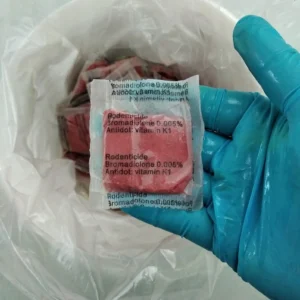
The bigger concern is what happens after you touch it. If you rub your eyes, eat food, or touch your mouth before washing your hands, that gives the poison a much easier way into your body than through your skin alone.
Some people also notice mild skin irritation after handling rat poison bait. This can look like redness, a bit of itching, or a slight rash where the product touched the skin.
This kind of irritation is more of an allergic-type reaction to the inactive ingredients in the bait (like dyes, wax, or grain fillers) than a sign of poisoning. Still, if it happens, it’s worth washing the area thoroughly and keeping an eye on it.
Wearing gloves anytime you handle rat poison is the simplest way to avoid all of this. It removes the guesswork completely.
There’s a real difference between touching a sealed bait station and handling loose bait blocks or pellets directly. Sealed stations are built so the poison stays contained, and you’re really only touching the outside of a plastic housing.
Loose bait, on the other hand, puts the actual poison right on your skin, which is a bigger deal.
If you’ve handled a dead rodent that had eaten poison, that’s also a different situation from touching the bait itself. The rodent’s body can carry residue on its fur.
In rare cases, secondary exposure from handling a poisoned animal is possible too. Gloves matter just as much here as they do with the bait itself.
Signs of Rat Poison Exposure Through Skin Contact
Skin exposure alone, without swallowing anything, rarely causes serious symptoms in a healthy adult. Still, it helps to know what to watch for.
Local skin irritation is the most common effect. This might show up as redness, itching, or minor swelling right where the contact happened.
If enough of the poison is absorbed, which is uncommon from skin contact alone, anticoagulant rodenticides can eventually affect how your blood clots.
According to the National Pesticide Information Center, this can show up as unusual bruising, bleeding gums, or nosebleeds that don’t have an obvious cause.
These symptoms typically take time to show up since the poison has to build up in your system first. They’re much more associated with eating rat poison, or with repeated, ongoing skin contact, than with one quick touch.
If you develop any of these signs after handling rat poison, even if it’s been a few days, it’s worth calling Poison Control or your doctor and mentioning the exposure.
Timing matters a lot here. Anticoagulant rodenticides work by blocking vitamin K, which your body needs to produce clotting factors.
Since your body already has a reserve of these clotting factors circulating, it takes time, sometimes several days, for that reserve to run low enough to actually cause a problem.
This delay is exactly why doctors and poison control ask about exposures going back a week or more when someone shows up with unexplained bruising or bleeding.
If you’ve had any kind of meaningful contact with rat poison recently, that timeline is worth mentioning even if it doesn’t feel connected anymore.
What to Do If Rat Poison Gets on Your Skin
The steps here are simple, and they come straight from EPA and poison control guidance for pesticide exposure in general.
Take off any clothing that has poison on it. Contaminated clothing can keep the poison in contact with your skin even after you think you’ve cleaned up.
Wash the affected skin thoroughly with soap and running water. A few minutes of washing is usually enough for typical household contact.
Avoid using any strong scrubbing, since irritated or broken skin can absorb more, not less.
If the poison got into your eyes, rinse them gently with clean water for several minutes.
If you have questions about what you were exposed to, Poison Control (1-800-222-1222 in the US) is available around the clock and can walk you through next steps based on the specific product.
The number is free to call, and you don’t need a full-blown emergency to use it. They’re used to answering questions about situations exactly like this one.
In Canada, poison control centers operate provincially, so it’s worth keeping your local number handy or searching for it once so you have it if you ever need it.
In the UK, you can call 111 for advice on suspected pesticide exposure. In Australia, the Poisons Information Centre can be reached at 13 11 26 nationwide.
You don’t need to have obvious symptoms to make that call. Poison control lines exist specifically for situations like this, where you just want to know if what happened is worth worrying about.
That’s genuinely part of their job, and calling doesn’t mean you’re overreacting.
Who Should Be More Careful Around Rat Poison
Some people face a higher risk from rat poison exposure than others, even from something as small as skin contact.
Young children have thinner skin and a much smaller body size, so the same amount of exposure affects them more than it would an adult. They’re also more likely to touch their face or put their hands in their mouth without thinking about it.
Pregnant women are generally advised to avoid handling rat poison directly. Some studies have linked certain rodenticides to reproductive effects in animal studies, even though direct evidence in humans is limited.
People with cuts, scrapes, or skin conditions like eczema on their hands should be extra careful, since broken or compromised skin absorbs more than healthy skin does.
Anyone already taking blood thinning medication should also be cautious, since anticoagulant rat poison works on the same clotting pathway as many prescription blood thinners.
Combining the two, even at a low level, could add up more than expected.
People with liver conditions also deserve a mention here. Your liver plays a big role in processing vitamin K and clotting factors.
If your liver is already under strain, there’s less of a safety buffer if any rodenticide does make its way into your system.
Older adults tend to have thinner, more fragile skin as well, which can mean somewhat easier absorption compared to younger, healthier skin. This isn’t usually a major factor on its own, but it’s worth being a bit more careful if you fall into this group.
Rat Poison and Pets
Dogs and cats face a different kind of risk than humans do, mostly because they’re more likely to actually eat the bait rather than just brush against it.
Still, skin and paw contact matters for pets too. A dog that walks through spilled bait, then licks its paws afterward, is essentially giving itself an oral dose without ever directly eating the poison itself.

If you suspect your pet has come into contact with rat poison in any way, contact your veterinarian or an animal poison control hotline right away.
Time matters more with anticoagulant poisoning in pets than people often realize, since treatment is much more effective before symptoms start.
There’s also a risk that doesn’t get talked about enough, secondary poisoning. This happens when a pet or wild animal eats a rodent that has already been poisoned.
The rodent’s body can still carry a meaningful amount of the toxin in its tissue, especially with second generation anticoagulants, which stick around in the body a lot longer than older formulas.
Cats that hunt outdoors and dogs that scavenge are both at some risk of this, on top of the more direct risk of eating spilled bait.
Keeping outdoor bait stations secured and checking your yard for dead rodents regularly can help lower this risk.
How to Avoid Skin Contact With Rat Poison in the First Place
A few simple habits make skin contact with rat poison far less likely to happen at all.
Wear disposable gloves anytime you’re setting bait, refilling a station, or cleaning up around an area where poison has been used. This one habit removes most of the risk before it starts.
Use bait stations instead of loose pellets or blocks wherever possible. These enclosed containers are built specifically to keep the poison contained and reduce accidental contact for both people and pets.
Wash your hands thoroughly after any contact, even if you were wearing gloves. It only takes a few extra seconds and closes the loop on any accidental exposure you might not have noticed.
Store rat poison in its original, labeled container, somewhere out of reach of kids and pets. Never move it into an unmarked container, since that removes the safety information you’d need in an emergency.
Read the product label before you use it. Different active ingredients carry slightly different risks and first aid instructions, and the label is the fastest, most reliable place to find that information.
If you’re hiring a pest control company instead of handling it yourself, ask what active ingredient they’re using and where they plan to place it.
This isn’t being difficult, it’s a completely normal question, and any legitimate pest control professional will be happy to answer it.
Conclusion
Getting rat poison on your skin isn’t something to panic over, but it’s also not something to shrug off completely. A brief touch, followed by a proper handwashing, carries low risk for most healthy adults.
The real concerns come from repeated exposure, broken skin, young children, pets, or anyone already on blood thinning medication.
The safest approach is also the simplest one. Wear gloves when handling it, wash your hands afterward, and store it somewhere secure.
If you ever do get a meaningful amount on your skin, wash the area well, and watch for any unusual symptoms over the next few days.
Don’t hesitate to call Poison Control if anything feels off. That call is free, quick, and exactly what the service is there for.

Hi, my name is Ezra Mushala, i have been interested animals all my life. I am the main author and editor here at snakeinformer.com.