

You walk out to your car in the morning and find droppings on the seats, or you smell something strange inside even though all the doors and windows are closed.
It seems impossible that mice could get into a locked car, but these persistent rodents are experts at finding their way into small spaces. Can mice get into a locked car?
Yes, mice can get into a locked car through gaps around doors and windows, ventilation systems, holes in the undercarriage, and openings where wires and pipes enter the cabin. Locking your doors doesn’t stop mice because they don’t need you to open the door to get inside.
Cars have dozens of small openings that are necessary for ventilation, drainage, and mechanical function. These same openings provide entry points for mice, especially if your car is parked in an area where mice are active.
How Mice Get Into Cars
The gaps around your car doors aren’t perfectly sealed. Even when locked, there are small spaces between the door and frame where the weather stripping creates a seal, but mice can squeeze through these if the stripping is worn or damaged.
Ventilation systems in cars need to pull in fresh air from outside. The intake vents (usually at the base of the windshield or in the front of the car) can let mice in if they don’t have proper screening or if that screening gets damaged.

The cabin air filter housing is another entry point. Mice can access this area from under the hood and sometimes chew through the filter or find gaps to enter the passenger compartment.
Under your car, there are numerous holes and openings where wires, hoses, and mechanical components pass through the firewall (the barrier between your engine and cabin). These aren’t always sealed perfectly.
Older cars especially have rust holes or deteriorated seals that create new entry points. Any hole in your car’s floor or body panels is an invitation to mice.
The spaces around your pedals (brake, clutch, accelerator) connect to the engine compartment. Mice can use these pathways to get from under your car into the cabin.
Why Cars Are Attractive to Mice
Cars provide shelter from weather and predators. The enclosed space feels safe to mice, especially during cold nights or rainy weather.
If you’ve left food in your car (even just crumbs from snacks or fast food), mice will smell it and investigate. They have an incredibly strong sense of smell.
Cars that are parked in the same spot regularly become familiar territory to mice. They learn the location has shelter and will return to it.
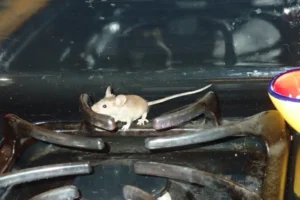
The engine compartment stays warm for a while after you’ve driven your car. This warmth attracts mice, especially in cold weather, and they’ll climb up into the engine bay.
If your car is parked near areas where mice live (garages with stored items, yards with overgrown vegetation, near garbage bins), you’re at higher risk.
Cars that aren’t driven frequently are more attractive because mice have more undisturbed time to explore and potentially nest without the car suddenly starting up and scaring them away.
Signs That Mice Are Getting Into Your Car
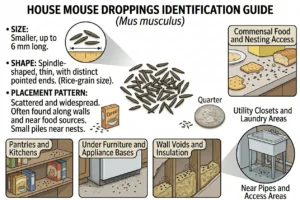
Mouse droppings are the most obvious sign. These look like small, dark pellets and you’ll find them on seats, floor mats, the dashboard, or in the glove box.
Chewed upholstery, seat cushions, or headliners show that mice have been there. They’ll tear apart fabric and foam to create nesting material.
A strong, musty smell (like ammonia) indicates mouse urine. This odor is particularly noticeable when you first get in the car or when you turn on the heater or AC.
Finding nesting material (shredded paper, fabric, insulation) tucked under seats, in the glove box, or in door pockets means mice are not just visiting but actually living in your car.
Chewed wiring is a serious problem. You might notice electrical issues (lights not working, check engine light on, car not starting) that are caused by mice chewing through wires.
Strange noises when you start your car or turn on the blower could indicate mice in the ventilation system or engine compartment.
Acorns, seeds, or other food items stored in unusual places (like in your air filter housing or engine compartment) show that mice are using your car as a pantry.
Why the Engine Compartment Attracts Mice
Mice love engine compartments because they’re warm, enclosed, and have lots of hiding spots around the engine, hoses, and wiring.
They’ll climb up from underneath your car to get into the engine bay. The wheels and suspension provide a climbing structure they can easily navigate.
Engine compartment wiring is especially vulnerable to chewing. Mice will gnaw on wire insulation, which can cause serious electrical problems or even engine fires.
Hoses and belts can also be damaged by chewing. A chewed coolant hose or serpentine belt can leave you stranded or cause expensive engine damage.
Mice will build nests on top of your engine, in the air filter housing, or in other warm spots. These nests are fire hazards and can cause overheating if they block cooling systems.
The cabin air filter (usually accessible from the engine compartment) is a favorite nesting spot. Mice will either build in the filter housing or chew through the filter to access the car’s interior.
Can Mice Get Into Your Car Through the Vents?
Your car’s fresh air intake (where outside air enters the ventilation system) is usually at the base of the windshield. This area often has screens, but they can get damaged or clogged with leaves.
If the screen is damaged or missing, mice can crawl right into your ventilation system. From there, they can access the entire duct network and eventually your cabin.

The blower motor area is another access point. Mice can get into this space from the engine compartment side and then move into the ventilation ducts.
If you turn on your heater or AC and smell something terrible or hear strange noises, there might be a dead mouse in your ventilation system.
Nests in your ventilation ducts block airflow and reduce the efficiency of your heating and cooling. You might notice weak air coming from your vents.
How Damaged Door Seals Let Mice Inside
The rubber weather stripping around your doors deteriorates over time from sun exposure, temperature changes, and general wear.
When weather stripping gets brittle, cracks, or pulls away from the door, it creates gaps that mice can squeeze through. Even a small gap is enough.
Check your weather stripping by looking at it closely for cracks or gaps. You can also try the paper test: close a piece of paper in the door and try to pull it out. If it slides out easily, your seal isn’t tight.
Sunroofs and convertible tops have seals that can also deteriorate and create entry points. These are often overlooked but need regular inspection too.
Replacing worn weather stripping is relatively inexpensive and can prevent not just mice but also water leaks and road noise.
What to Do If Mice Get Into Your Car
Don’t drive the car until you’ve checked for nesting material and chewed wiring. A nest in the engine compartment or damaged wires can cause fires or mechanical failure.
Open all doors and let the car air out. Remove any visible droppings, nesting material, or food items while wearing gloves.
Set snap traps inside your car overnight if you suspect mice are still getting in. Place them on the floor near doors or under seats (where they won’t roll around if you need to move the car).

Check your engine compartment carefully. Look for nests, chewed wires or hoses, and signs of mice activity. Use a flashlight to see into tight spaces.
Inspect your cabin air filter. If there’s a nest or droppings, replace the filter and clean the housing thoroughly.
If you find chewed wiring, have a mechanic inspect and repair it before driving. Damaged wiring can cause all sorts of problems from minor electrical issues to complete breakdowns.
How to Clean Your Car After a Mouse Infestation
Wear gloves and a mask when cleaning mouse droppings. The dust can carry diseases, so you don’t want to breathe it in.
Spray droppings with a disinfectant solution (one part bleach to ten parts water) before wiping them up. This kills bacteria and keeps dust from becoming airborne.
Vacuum thoroughly using a shop vac or powerful vacuum cleaner. Get into all the cracks and crevices where droppings might be hiding.
Shampoo your upholstery and carpets. Mouse urine soaks into fabric and the smell is hard to remove without proper cleaning.
Wipe down all hard surfaces (dashboard, door panels, console) with disinfectant. Don’t forget areas you don’t touch often, like under seats and in storage compartments.
Replace your cabin air filter even if it doesn’t look damaged. If mice were in the ventilation system, the filter is contaminated.
Consider using an odor eliminator specifically designed for pet or animal smells. Regular air fresheners just mask the odor temporarily.
How to Keep Mice Out of Your Car
Park in a garage if possible. This provides an extra barrier between your car and outdoor mice populations.
If you must park outside, choose a location away from vegetation, wood piles, and garbage areas where mice tend to live.
Don’t leave food in your car, ever. Even small crumbs or an empty fast food bag with grease can attract mice.

Clean your car regularly, including vacuuming under seats and in door pockets where crumbs accumulate.
Inspect your weather stripping regularly and replace it when it shows signs of wear. Good seals keep mice out and improve your car’s energy efficiency.
Use dryer sheets or peppermint oil-soaked cotton balls placed around your car (engine compartment and cabin). Many people swear by these as mouse deterrents, though they’re not guaranteed to work.
Install wire mesh screens over any accessible openings in your engine compartment or undercarriage. Hardware stores sell metal
Why Cars That Sit Unused Attract Mice
If you’re storing a car for the winter or not driving it regularly, mice have more time to move in undisturbed.
Start the car and let it run for a few minutes every week if possible. The noise and vibration will discourage mice from nesting.
If the car will sit for months, consider using mouse deterrents like electronic repellent devices or natural deterrents like peppermint oil.
Disconnect the battery if the car will sit for a long time. This prevents battery drain and removes one attractant (the slight warmth from electrical systems).
Cover the exhaust pipe and air intake with steel wool or mesh to prevent mice from entering through these openings. Just remember to remove these before starting the car.
Check the car regularly even if you’re not driving it. Weekly inspections let you catch mouse problems before they become serious infestations.
When Should You Call a Professional?
If you have a serious mouse problem or extensive damage, professional pest control can help. They can identify all the entry points and seal them properly.

Auto detailers who specialize in odor removal can clean your car more thoroughly than you can at home. This is especially helpful if mice have been living in the car for a while.
Mechanics can inspect and repair any damage to wiring, hoses, or other components. This is important because DIY repairs on critical car systems can be dangerous.
Some pest control companies offer car-specific treatments. They’ll place traps, seal entry points, and monitor the situation to make sure mice don’t come back.
Does Car Insurance Cover Mouse Damage?
Most standard car insurance policies don’t cover damage caused by rodents. This is considered wear and tear or maintenance, not a covered event.
However, if mice cause a fire by chewing wiring and your comprehensive coverage is in effect, the fire damage might be covered.
Check your specific policy or call your insurance agent to understand what’s covered. Some policies have specific exclusions for animal damage.
The cost of repairs for chewed wiring can run into thousands of dollars depending on what’s damaged. This makes prevention much
Locking Your Car Doors Doesn’t Keep Mice Out
Locking your car doors is important for preventing theft, but it does absolutely nothing to keep mice out.
Mice don’t need you to open the door. They’re looking for the same small gaps and openings that let air, water, and wires pass through the car’s structure.
The confusion comes from thinking mice need a large opening like an open door or window. In reality, they need a space only 6 millimeters wide.
Even brand new cars aren’t mouse-proof. They’re designed with necessary openings for mechanical and ventilation purposes, and mice can exploit these.
The best protection is addressing the actual entry points (weather stripping, undercarriage holes, ventilation intakes) rather than focusing on whether doors are locked.
Conclusion
Mice can definitely get into locked cars through gaps around doors, ventilation systems, holes in the undercarriage, and various other small openings. Locking your doors doesn’t prevent mice because they don’t use doors to enter.
The key to keeping mice out is eliminating entry points by replacing worn weather stripping, screening ventilation intakes, and sealing holes in the undercarriage. Keeping your car clean and free of food is also critical.
If mice do get into your car, act quickly to remove them, clean thoroughly, and inspect for damage to wiring or other components. The longer mice live in your car, the more damage they’ll cause and the harder they’ll be to get rid of.
Regular inspections and maintenance of your car’s seals and entry points will help prevent mice problems before they start, saving you money and the hassle of dealing with an infestation.

Hi, my name is Ezra Mushala, i have been interested animals all my life. I am the main author and editor here at snakeinformer.com.