
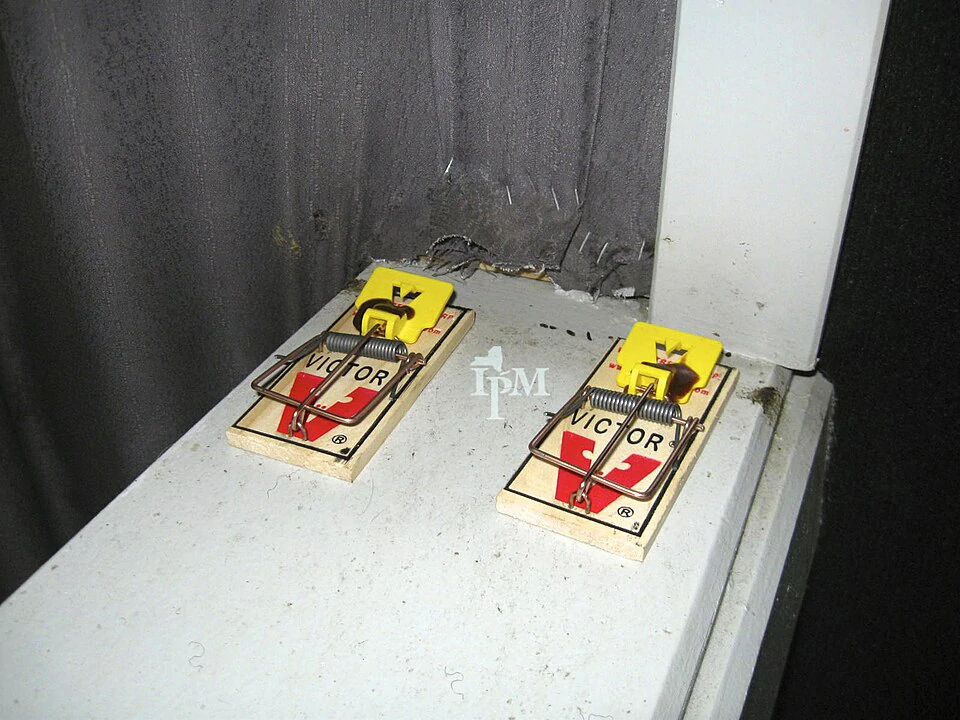
Walk down the pest control aisle and you’ll see mouse traps in every shape and size. Some say “reusable” on the package, some say “disposable,” and a lot of them don’t say anything at all.
That can be confusing when you’re standing there trying to pick one. So, are mouse traps one time use?
It depends on the type. Snap traps, electronic traps, and live catch traps are made to be reused. Glue traps and some enclosed “toss it” traps are single use, so they go in the trash after one catch.
That means you don’t have to throw away every trap after you catch a mouse. A good snap trap can last for many catches, while a glue board is done the moment it works.
Below, you’ll see which traps you can reuse and how many times, plus how to clean one safely. You’ll also learn when a trap is worn out, and why the type you pick can save you money in the long run.
What Does “One Time Use” Really Mean for a Mouse Trap?
A one time use trap is one you throw away after it catches a mouse, while a reusable trap is one you clean and set again, over and over.
Most of the traps on the shelf fall into one of those two groups, and the package usually gives you a clue. Words like “disposable,” “toss,” or “single use” mean you’re not supposed to reuse it.
The trouble is that a few traps blur the line. A wooden snap trap is built to be reused, but plenty of people toss one after a catch because it feels gross.
However, some traps are sold as disposable and could technically be cleaned, though they’re not designed to hold up to that.
So when you read a label, think about how the trap works, since that will tell you more than the marketing wording will.
Snap Traps Can Be Reused Again and Again
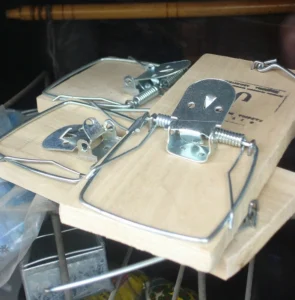
Snap traps are the classic mouse trap, with a bar on a spring that snaps shut when a mouse steps on the trigger. Because the parts are simple, they’re made to be used over and over.
Snap traps are built to be used again and again, and they’re also considered some of the safest and most affordable traps for mice. That’s one reason pest pros still use them every day
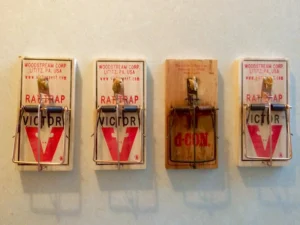
To reuse one, you just take out the mouse, clean the trap, add fresh bait, and set it again. It only takes a minute or two once you’ve done it a few times.
Wooden snap traps are the cheapest, but they soak up moisture and smells. Plastic ones cost a bit more, though they’re much easier to wipe down.
One more thing to know is that size matters, since a mouse trap won’t catch a rat.
A Good Snap Trap Can Last Many Catches
There’s no magic number for how many times you can reuse a snap trap, since it depends on how well it’s made and how you take care of it.
A sturdy plastic trap can last for a lot of catches if you clean it well each time. A cheap wooden one may wear out sooner, since the wood can warp and the staple that holds the spring can loosen.
Before every reuse, give the trap a quick check. The spring should feel strong, the bar should move freely, and the trigger shouldn’t be bent or loose.
You can test the snap safely by setting it, then tapping the trigger with a pencil. If it snaps hard and fast, you’re good, and if it feels slow or weak, it’s time for a new one.
A weak trap is a real problem, since a mouse that isn’t killed right away suffers and may learn to avoid traps afterward.
Are Electronic Mouse Traps Reusable Too?
Yes, and they’re built for it. An electronic trap is a small box or tunnel that a mouse walks into, and it gives a quick shock that kills the animal in seconds.
Most run on batteries, and many have a light that tells you when something’s been caught. You can then empty the trap without touching the mouse, and set it again.
They cost more than snap traps, but since they last a long time, many people see them as worth it. They’re also popular for kitchens and pantries because there’s less to see and touch.
Follow the maker’s cleaning directions, since you don’t want water or cleaner getting into the electronics. Most models have a removable chamber that you can wipe or rinse, while the base should only be wiped.
Don’t mix up electronic traps with plug in electronic repellers, because those high frequency devices aren’t effective against mice.
Live Catch Traps Are Made for Repeated Use
Live catch traps (some are called multi catch traps) let mice walk in through a one way door and stay there alive. They’re meant to be used again and again, and some can hold several mice at once.
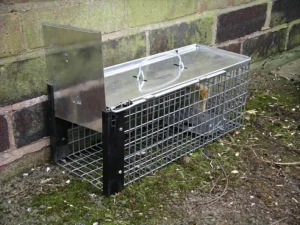
The big catch is that you have to check them often, since a mouse can’t live long without food and water and a trapped animal gets stressed fast.
Then you have to decide what to do with it. Letting mice go outside often isn’t as kind as it sounds, since many struggle to survive in an unfamiliar spot.
A mouse released too close to your home may come right back.
Some places also have rules about releasing pests, so check before you do. If you’re not comfortable with it, a snap or electronic trap may be a better fit.
When you reuse a live trap, wash it well. Mouse urine and scent can stay behind and put off new mice, and it’s also a germ risk for you.
Glue Traps Are Single Use by Design
Glue traps are the clearest case of single use. Once a mouse is stuck, the board and the animal go straight into the trash, and there’s no way to clean and reuse it.
Even if nothing gets caught, the glue picks up dust, hair, and dirt, and it slowly loses its stickiness. That’s why a board that’s been sitting around for months often doesn’t work.
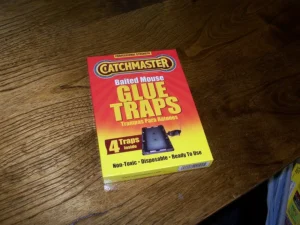
They’re also the most debated type of trap, since the animal can struggle for hours or days. That’s why England, Ireland, and several Australian states have banned them, and some cities in the US are looking at limits.
If you’re thinking about a glue board, check the rules where you live first, and ask yourself whether you’re comfortable with how it works.
For this topic, the key point is simple: a glue trap is a one time tool, and you’ll go through a lot of them in a bad infestation.
Which Mouse Traps Are Made To Be Thrown Out After One Catch?
Besides glue boards, there’s another group worth knowing about. Some traps catch the mouse inside and kill it, and then you throw away the whole trap.
These are enclosed traps, and they’re usually plastic. The mouse goes in, the trap does its job, and you dispose of the entire thing without ever touching the animal.
That’s a big plus if you’re squeamish, since you don’t have to see it, touch it, or clean anything.
The downside is the cost over time. If you’ve got a big problem, buying a new trap for every mouse adds up much faster than cleaning a snap trap.
If you pick one of these, check the package to be sure it’s meant to be single use. Some enclosed traps look similar but are made to be reset.
Is It Safe To Reuse a Trap After It Caught a Mouse?
It can be, as long as you clean it well and take a few precautions. Mice can carry germs, so you don’t want to handle a used trap carelessly.
Mice can carry hantavirus (a virus that spreads through mouse droppings and urine, and can cause a serious lung illness) as well as salmonella. That’s why you shouldn’t touch mice with bare hands, and why you should wash your hands well after handling traps.
So always wear gloves when you pick up a trap, and disposable ones work fine since you can toss them when you’re done.
The CDC also says not to sweep or vacuum mouse droppings, since that can put germs into the air. Wet the area with disinfectant first, then wipe it up with paper towels.
If you’re not comfortable cleaning a trap, there’s no shame in throwing it out. A cheap trap isn’t worth getting sick over.
Clean a Used Trap in a Few Simple Steps
First, put on gloves. If your trap has a no touch release, flip the bar so the mouse drops into a plastic bag, and if it doesn’t, lift it carefully with the gloves on.
Seal the bag, put it inside a second one, and throw it in an outdoor bin with a lid. Don’t bring the bag back into the house.
Next, spray the trap with disinfectant and let it sit for a few minutes. A mix of about 1 part bleach to 9 parts water is a common choice, but never mix bleach with other cleaners, since that can make dangerous fumes.
Scrub off any blood, fur, and old bait using a disposable brush or sponge, then rinse it with water. Let the trap dry completely, because moisture can make the metal rust.
Finally, take off your gloves, throw them away, and wash your hands with soap and water. Then your trap is ready for fresh bait.
Fresh Bait Matters Every Time You Reset a Trap
Even if you’ve cleaned the trap perfectly, old bait won’t do the job. Food is a big part of how well a snap trap works, so use a new dab each time.
A tiny dab of peanut butter, about the size of a pea, is the classic choice. It’s sticky, it smells strong, and mice have to work at it, which helps set off the trigger.
Don’t use too much, because a big blob can let a mouse lick it off without setting the trap. Put it right on the trigger plate, and press it in lightly.
Other foods work too, like a bit of chocolate, a small piece of bacon, or some oats. And nesting materials like cotton or string can also get a mouse’s attention.
If a trap sits untouched for a few nights, change the bait or move the trap. Mice follow walls, so a spot closer to their path may work better.
Will Mice Avoid a Trap That Already Caught One?
It’s a common worry, and the answer isn’t totally clear. Some pest pros say mice can be put off by the smell of a dead mouse, and others say it makes little difference.
University of California research on rats says human scent isn’t known to affect trapping, so a bit of handling probably isn’t a big deal. But cleaning removes germs and old bait, and that’s reason enough to do it.
If you keep catching mice in the same spot, that spot is working, so leave the trap there. If you stop catching them, try moving it a short distance along the wall.
It also helps to rotate traps. Use a clean trap with fresh bait in a busy spot, and let a used one dry out while you use another.
The goal isn’t to fool mice with tricks but to keep the trap clean, strong, and in the right place.
When Should You Replace a Mouse Trap Instead of Reusing It?
Replace it when it’s rusty, weak, or broken. A trap that doesn’t snap fast can hurt a mouse without killing it, and that’s unfair to the animal.
Here are the signs that it’s time to toss a trap. The spring feels loose, the bar sticks, the trigger is bent, the wood is cracked, or the staple that holds the spring has come loose.
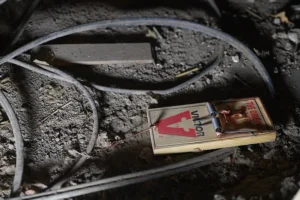
Also replace it if you can’t get it clean, since a new one is cheap and worth it if it still smells bad or has stains you can’t remove.
A snap trap costs very little, so you don’t need to squeeze every last use out of it. Replacing one now and then is much better than dealing with a trap that fails.
Electronic traps last longer, but they wear out too. If it stops working, the light doesn’t come on, or the battery cover is loose, check the instructions or replace it.
Reusing Traps Saves Money and Cuts Waste
Reusable traps are cheaper over time. A pack of snap traps costs a few dollars and can last for many catches, while a glue board or enclosed trap has to be replaced each time.
That adds up fast if you have lots of mice. A bad problem can mean ten or twenty catches, and that’s ten or twenty single use traps in the bin.
There’s also the waste, since single use traps mean more plastic and cardboard in the landfill, which more people are starting to think about.
However, reusing takes a little work, since you have to clean the trap, wear gloves, and handle things you’d rather not touch.
So it’s a trade off between time and money. If you hate the cleanup, a single use trap may be worth the extra cost for you.
How Many Traps Do You Need To Catch Mice?
More than you’d think. Pest pros say to use multiple traps, since a single trap often isn’t enough and mice may avoid something new at first.
A common guide is to place traps about every 6 to 10 feet along walls where you see droppings. If activity is heavy, put them closer together.
Set traps against walls, behind objects, and in dark corners, with the trigger end facing the wall. Mice like to run along edges, so that’s where they’re most likely to step on one.
Check traps every day, and reset or replace them right away. If you don’t catch anything in a few days, move them to a new spot.
Mice are most active at night, so set your traps in the evening. Also keep them away from kids and pets, ideally inside a covered box or behind heavy furniture.
Traps Alone Won’t Fix a Mouse Problem
Traps only deal with the mice that are already inside, so if you don’t stop new ones from getting in, you’ll keep catching them forever.
Mice can squeeze through gaps as small as a quarter of an inch, which is about the width of a pencil. Seal cracks and holes with steel wool or wire screen, since mice can’t chew through those easily.
Keep food in sealed containers, put pet food away at night, and use bins with tight lids. Clear clutter in garages, sheds, and basements, since mice love hiding in piles of boxes.
Trim back plants that climb up your walls too, because house mice are excellent climbers, and a tidy yard makes your home a lot less appealing.
And skip those plug in ultrasonic repellers, since high frequency devices aren’t effective and aren’t worth your money.
Conclusion
Whether a mouse trap is one time use depends on the type. Snap traps, electronic traps, and live catch traps are made to be reused, while glue boards and enclosed “toss it” traps are single use.
A good snap trap can last for many catches if you clean it well and check the spring each time. Always wear gloves, use fresh bait, and replace it if it’s rusty, weak, or broken.
Reusing traps saves money and cuts waste, but it takes a bit more work. If you’d rather not handle a dead mouse, an enclosed single use trap or an electronic trap may suit you better.
Whichever you pick, remember that traps are only half the answer. Seal the gaps, store your food well, and check your traps every day.
Do that, and you’ll solve the problem faster, and you won’t need to buy nearly as many traps.

Hi, my name is Ezra Mushala, i have been interested animals all my life. I am the main author and editor here at snakeinformer.com.