
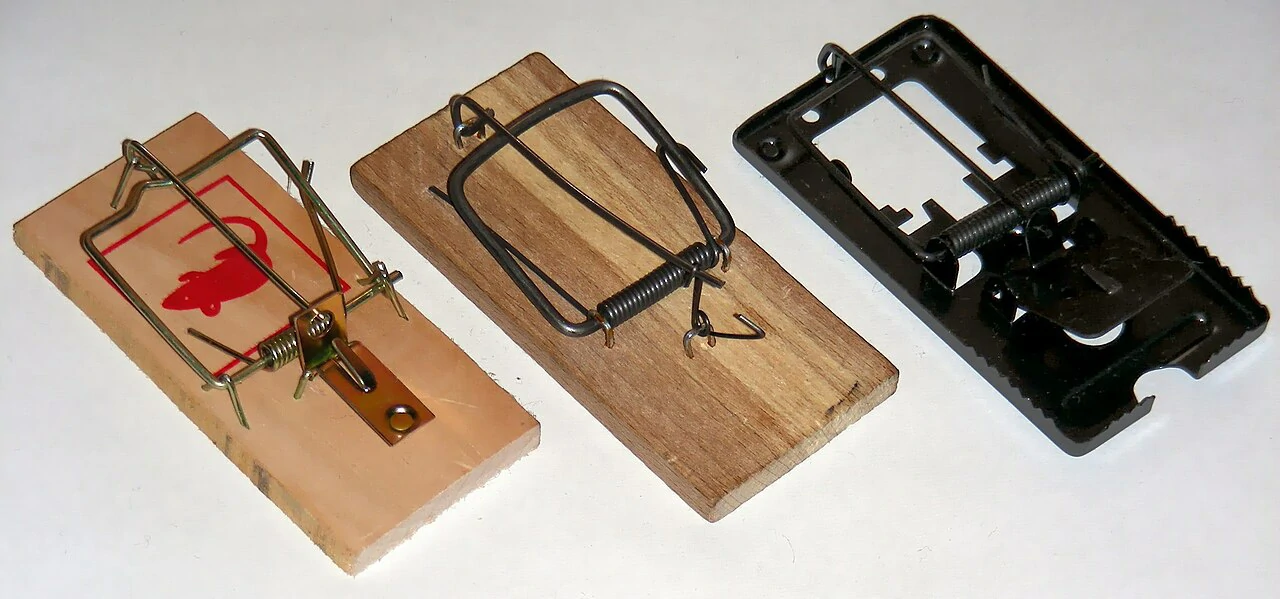
Walk down the pest aisle and you’ll see a wall of mouse traps, and Tomcat is one of the first names you’ll spot. So, are Tomcat mouse traps any good?
Yes, Tomcat mouse traps are generally good. The Press ‘N Set snap trap is easy to use and works well when baited and placed along a wall. The glue traps catch mice too, but they’re much less humane.
That’s the short version, but the answer depends on which Tomcat trap you buy. Below, you’ll see how each one holds up, what buyers like and don’t like, and how to get the best results.
Which Tomcat Mouse Traps You’ll Find in Stores
Tomcat sells several kinds of mouse control products, but the ones most people ask about are the snap traps and the glue traps, and knowing the difference helps. They work in very different ways.
The Press ‘N Set is the best known snap trap. It’s a plastic, spring loaded trap (the kind that snaps shut when a mouse steps on the trigger) that you set with a single press.
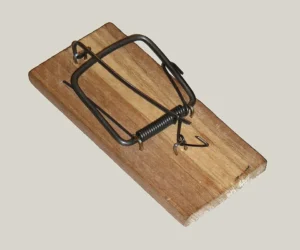
A grab tab lets you throw it away without touching the mouse. There’s also a plain Tomcat Mouse Snap Trap, sold in 2 packs, that’s built for no-touch disposal too.
Then there are the Tomcat glue traps and glue boards, which don’t kill the mouse at all. They’re pre-scented, they use no pesticides, and they hold a mouse in place until it dies.
Tomcat makes bigger traps for rats as well (like the Secure-Kill Rat Trap). That matters, because you can’t catch a rat with a mouse trap, so you’ll want to match the size of the trap to the pest.
How Does the Tomcat Press ‘N Set Trap Work?
The trap has a bait well, which is a small cup near the trigger where you put your bait. Tomcat says to use a dab of peanut butter or Tomcat Attractant Gel about the size of a pencil eraser.
To set it, you press down until it clicks into place, and you can do it with one hand, then you put it where you’ve seen mouse activity.
When a mouse steps on the trigger, the spring snaps the trap shut in a flash. Tomcat backs the trap with a kill guarantee, so check the package for the details.
The instructions say you can use it indoors or outdoors, and that you should point it toward the wall in spots like kitchens, utility rooms, and garages. Anywhere you’ve seen droppings or heard scratching is a good place to start.
What Buyers Like About Tomcat Press ‘N Set Traps
Many buyers say the biggest plus is how easy it is to set. Older wooden traps (the kind with a metal bar and a fussy trigger) can take practice, but this one sets with a push.
Buyers also like that it feels safer to handle. One reviewer wrote that they no longer dread setting traps, because the trigger sits back from the edge, and Tomcat says the design lowers the risk of pinched fingers.
The grab tab is another favorite, since you can pick up the trap and drop it in the trash without ever touching the mouse.
Plenty of reviewers say they caught a mouse the first night or two (especially when they used Tomcat’s attractant gel). That makes sense, since good bait and good placement matter most.
Some people even empty the trap and reuse it. Tomcat sells it as a disposable trap, though, so that choice is up to you.
Where Tomcat Mouse Traps Fall Short
No trap is perfect, and the Press ‘N Set has a few weak spots. Because it’s made of plastic, it may not last as long as an old metal or wooden trap that can keep working for years.
Some buyers report traps that didn’t spring right (or went off too easily), which is annoying when you’ve baited them carefully. Ratings are mixed too, with one retailer page showing about 3.9 out of 5 stars.
A snap trap also isn’t guaranteed to kill instantly. If a mouse is hit in the wrong spot or the trap is weak, the animal can end up hurt but alive, which is hard on you and on the mouse.
These traps are also too small for rats, so don’t expect a mouse trap to handle one.
Finally, they can cost a bit more per trap than a basic wooden or metal snap trap, so if you need a dozen, the price can add up.
Do Tomcat Mouse Traps Kill Mice Quickly and Humanely?
A good snap trap is one of the quicker ways to end a mouse’s life, because the spring strikes in a split second. That’s why many vets and humane groups prefer snap traps over glue traps.
However, a snap trap only works well when the mouse hits the trigger squarely, and a weak, dirty, or badly placed trap can injure a mouse without killing it.
That’s why you should check your traps daily and set each one flat against a wall where a mouse runs straight into it.
If you find a mouse that’s still alive, don’t leave it there. Call a vet or animal shelter for help, since they can end its suffering quickly.
Are Tomcat Mouse Traps Better Than Glue Traps?
For most people, yes, because a snap trap kills fast and a glue trap doesn’t kill at all. A mouse stuck on glue can suffer for hours or even days before it dies.
Tomcat’s glue traps do have some perks. They’re pre-scented, so you don’t add bait, and they’re cheap, at roughly a dollar a trap in a 4 pack.
However, they catch more than mice, including birds, lizards, and snakes, and many vets and animal welfare groups oppose them. Some places have banned them, like Wales, Scotland, and a few California cities (West Hollywood, Ojai, and Culver City).
The CDC’s hantavirus advice also points toward snap traps and away from glue and live traps, since a scared, stuck mouse can spread urine and droppings around.
If you want a trap that gets the job done quickly, the Press ‘N Set is the better pick. If you’re thinking about glue, read up on the laws where you live first.
How Do Tomcat Mouse Traps Compare to Other Snap Traps?
Plenty of other brands make snap traps, and some people still swear by the old fashioned kind, like a classic metal pedal trap or a wooden trap with a spring bar.
Those older traps are sturdy and can last for years, but they take practice to set and they love to snap on careless fingers.
The Tomcat Press ‘N Set trades some of that toughness for convenience. You press it to set it, you toss it when you’re done, and you never have to touch the mouse.
Electronic traps are another option. They run on batteries, kill with a quick shock, and keep the mouse inside a closed box, which many people find less messy and easier to dispose of.
Live traps catch mice without killing them, though you have to check them often and follow local rules about releasing wildlife.
Which one is best depends on what you value. If you want cheap and easy, Tomcat does the job, and if you want a trap that lasts for years, an old fashioned metal one may suit you better.
How to Bait a Tomcat Mouse Trap So It Works
Peanut butter is the classic choice, and Tomcat’s attractant gel is made for these traps too. Whichever you pick, use only a small dab, about the size of a pencil eraser.
A big glob lets a mouse lick the bait off without setting off the trigger, so less really is more when it comes to bait.
Mice also like chocolate, nuts, and seeds (even a tiny smear of chocolate hazelnut spread), so you can switch baits if one doesn’t work. Skip the cheese, since peanut butter or chocolate usually does a better job.
Try pre-baiting, which means putting baited traps out without setting them for a day or two. Mice get used to the new objects and take the bait without worry, and then you set the traps.
If anyone in your home has a peanut allergy, be careful with peanut butter and try chocolate or Tomcat’s gel instead. A little caution goes a long way here.
Where Should You Put Tomcat Mouse Traps?
Mice run along walls, so that’s where your traps belong, in quiet spots behind objects, in dark corners, and anywhere you’ve found droppings or heard scratching at night.
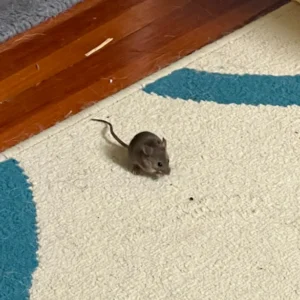
Tomcat suggests kitchens, utility rooms, garages, and the area near appliances and inside cabinets. If you have a lot of mice, space the traps about 5 to 10 feet apart.
Use several traps and not just one or two, because mice rarely come alone. A single trap covers a tiny patch of floor, and a mouse that never crosses it will never get caught.
Think like a mouse for a minute. A mouse wants a protected path with something solid beside it, so the gap between the fridge and the wall, or the dark space behind the stove, is a favorite.
If a trap hasn’t caught anything in 2 to 3 days, move it to a new spot where you’ve seen activity. Mice can be wary of new objects, so a slow start isn’t unusual.
What to Do If Your Tomcat Mouse Traps Aren’t Catching Anything
It’s frustrating to set a trap, wait a few days, and find nothing but a clean bait well. Before you blame the trap, run through a few simple fixes, because the problem is usually the setup.
First, check where you put it. If the trap isn’t touching a wall, or it’s in a room where you never saw droppings, a mouse may never come close to it.
Next, look at the bait. Too much bait lets a mouse lick it clean, and stale bait loses its appeal, so use a fresh dab every time.
Think about food competition too. If a mouse can reach crumbs, pet food, or open bags of snacks, your trap is competing with an easier meal, so clean up and lock food away.
Mice can also be shy of new objects, so give a new trap a couple of days. Then move it if you still see no activity.
Vibrations can set a trap off early, so keep traps away from spots that shake, like the side of a washing machine or a garage door (think anywhere the floor rattles).
If you’ve tried all of this and still catch nothing for a week or two, you may be dealing with a bigger problem. Call a pest control pro, since the mice might be nesting somewhere you can’t see.
Are Tomcat Mouse Traps Safe Around Kids and Pets?
Tomcat describes the Press ‘N Set as a non-toxic, mechanical trap that kills with a spring and not with chemicals, which is a plus if you worry about poison around your family.
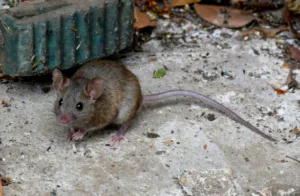
However, a snap trap can still hurt a small paw or a curious finger. Tomcat says the design lowers the risk of pinched fingers, but it doesn’t remove the risk.
Place traps where kids and pets can’t reach them (like inside cabinets, behind heavy appliances, or under furniture). Outdoors, birds and other wildlife can get caught too, so use covered spots.
Peanut butter can also be a problem for people with allergies, so keep that in mind if kids share the space.
How to Dispose of a Tomcat Mouse Trap Safely
Rodents can carry germs like hantavirus and salmonella, so don’t touch a trapped mouse with bare hands, and wear gloves, grab the tab, and drop the whole trap into a sealed bag.
Then toss the bag in your outdoor trash and wash your hands well with soap and water. Some cities have rules about throwing out animal carcasses, so it’s smart to check your local rules.
Never sweep or vacuum up droppings, because that can kick germs into the air where you’ll breathe them in.
To clean the spot, put on gloves and spray it with a disinfectant (or a mix of 1 part bleach to 9 parts water, which the CDC suggests).
Let it soak for about 5 minutes, then wipe it up with paper towels and toss them in the trash.
What Else You Need Besides a Good Trap
Even the best trap only catches the mice that are already inside, and if you don’t close the gaps, new ones will keep finding their way in.
Seal every crack and hole bigger than about a quarter inch (roughly the width of a pencil), since mice squeeze through tiny spaces. Steel wool and caulk work well for small gaps.
Store food in hard containers, wipe up crumbs, and clear clutter where mice like to nest. Trim plants growing against your house too, since mice climb well.
Keep trapping until you stop catching mice, then leave a few traps out for another week or two. For a big infestation, call a pest control pro.
Conclusion
Tomcat mouse traps are generally good, especially the Press ‘N Set snap trap. It’s easy to set, easy to dispose of, and it works well when you bait it lightly and place it along a wall.
It has a few downsides, like plastic parts that may not last and the occasional trap that doesn’t spring right. However, those are small trade-offs for an easy, no-touch trap.
Tomcat’s glue traps catch mice too, but they’re less humane, and they’re banned or limited in a growing number of places.
For the best results, use several traps, check them daily, and seal up your home so new mice can’t get in. A good trap helps, but a mouse-proof house is what fixes the problem.

Hi, my name is Ezra Mushala, i have been interested animals all my life. I am the main author and editor here at snakeinformer.com.