
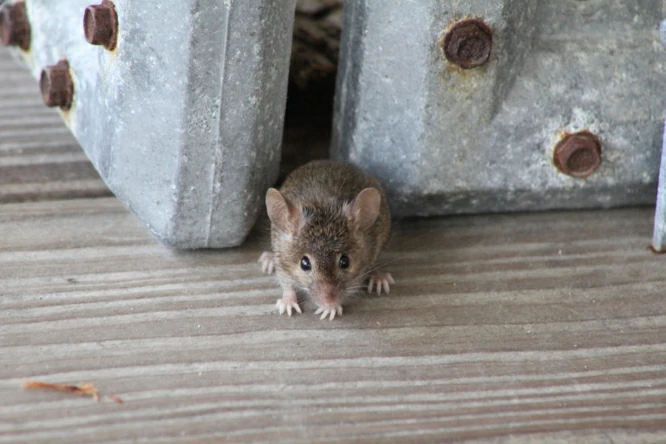
If you’ve got mice running around your home, you’ve probably stood in the pest control aisle staring at snap traps, glue boards, and electronic traps, trying to figure out which one actually works. Glue traps get recommended a lot because they’re cheap and simple.
But are glue traps really the best choice for getting rid of mice, or is that reputation overrated?
No, glue traps aren’t the best option for mice. They’re cheap and easy to use, but snap traps and electronic traps are generally faster, more reliable, and considered more humane by most pest control experts. Glue traps work best as a backup or monitoring tool, not a main solution.
That doesn’t mean glue traps are useless. They have a specific place in pest control, especially for tight spots other traps can’t reach. But calling them the “best” option overall isn’t really accurate once you compare them side by side with the alternatives.
How Glue Traps Actually Work
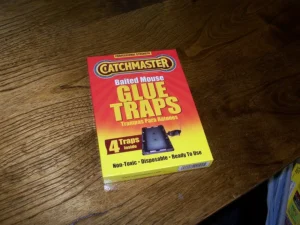
A glue trap, sometimes called a glue board or sticky trap, is a flat surface coated in a strong, non-drying adhesive. Some are open trays, and others come as an enclosed box with a small opening.
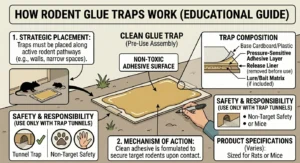
A mouse walks across the sticky surface and gets stuck. The adhesive is strong enough that struggling only makes the mouse more stuck, not less.
Unlike a snap trap, a glue trap doesn’t kill the mouse right away. It just holds it there until it dies from exhaustion, dehydration, or starvation, which can take anywhere from several hours to a few days.
This is really the core issue that comes up again and again when people compare glue traps to other options.
How Glue Traps Compare to Snap Traps
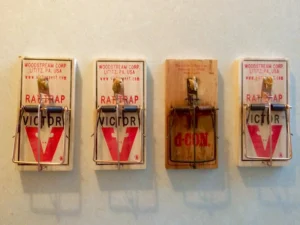
Snap traps are the classic spring-loaded trap most people grew up seeing. A mouse triggers the mechanism, and the trap closes fast, usually killing the mouse instantly.
In terms of speed, snap traps win by a wide margin. There’s no prolonged suffering, and you’re not left dealing with a mouse that’s still alive when you check the trap.
Snap traps are also considered more sanitary in a sense, since the mouse doesn’t urinate or defecate repeatedly while trying to escape, something that does happen with glue traps.
The tradeoff is that snap traps can only catch one mouse at a time and need to be reset after each catch. Placement also matters more, since the trap needs to be positioned exactly right for the mechanism to work.
For most home infestations, snap traps are generally viewed as the better all-around option, mainly because they’re fast, reliable, and don’t leave you with a suffering animal to deal with.
How Glue Traps Compare to Electronic Traps
Electronic traps use sensors to detect when a mouse enters, then deliver a quick, high-voltage shock. Most models are built to kill within seconds.
These traps are often described as the most humane option available, since the mouse doesn’t experience the drawn-out process that comes with a glue trap. They’re also free of any mess in most cases, since the mouse stays inside a sealed chamber.
The downside is cost. Electronic traps are significantly more expensive than either snap traps or glue traps, and they need batteries to keep working.
They’re also not ideal for very tight or awkward spaces. The trap itself needs enough room for its housing and sensors, something a thin glue board doesn’t require.
If cost isn’t a major concern, electronic traps are usually considered the strongest combination of speed and humane treatment, better than both snap traps and glue traps on that specific measure.
Where Glue Traps Actually Do Better Than the Alternatives
Glue traps aren’t without their strengths, and there are a few situations where they genuinely make more sense than the alternatives.
Tight, narrow spaces are where glue traps shine. A thin glue board can slide into gaps behind appliances, along baseboards, or inside wall cavities where a snap trap or electronic trap simply won’t fit.
They’re also useful as a monitoring tool rather than a primary method of control. Pest control professionals often use glue traps to figure out where mice are actually moving through a space.
The trap itself doubles as evidence of activity, even if nothing gets caught.
Cost is another factor. Glue traps are usually the cheapest option by a wide margin. That matters if you’re dealing with a large area and need several traps at once.
They also don’t involve a spring mechanism or electrical components. Some people prefer that if they’re setting traps in a home with curious pets or young kids nearby, since there’s less risk of an accidental injury from the trap itself.
Do Glue Traps Actually Solve a Mouse Problem?
This is really the more important question, separate from which trap type feels the most humane.
A glue trap, like any trap, only deals with individual mice that happen to walk across it. It does nothing about why mice showed up in the first place.
That could be an easy food source, a gap in the wall, or clutter that gives them cover.
Mice reproduce quickly. A female mouse can have several litters a year, with each litter containing anywhere from three to fourteen pups. This means a small mouse problem can turn into a serious one in a matter of weeks if the real cause isn’t addressed.
Most pest control experts agree that trapping alone, regardless of which type of trap, is only part of the solution. Sealing entry points, removing food sources, and cleaning up clutter matter just as much, if not more, than the type of trap being used.
Can Mice Learn to Avoid Glue Traps?
This is a common question, and the answer is a little more complicated than a simple yes or no.
Mice are actually considered neophilic, meaning they tend to be curious about new objects rather than afraid of them. This is different from rats, which are neophobic and often avoid anything unfamiliar in their environment for days before interacting with it.
Because of this, mice will often investigate a new trap fairly quickly rather than avoiding it. This is part of why mice tend to get caught faster than rats when a new trap is introduced.

That said, mice can develop what’s called learned avoidance. If a mouse has a bad experience with a trap and survives, or if it smells or sees another mouse that got caught, it may start avoiding that specific object or area going forward.
This happens with glue traps too. A mouse that narrowly escapes one, which does happen if it only gets a foot stuck briefly, may become noticeably more cautious around similar traps afterward.
Because of this, pest control professionals often recommend rotating trap types and locations if you’re not catching anything after a week or two.
Is a Bigger Mouse Population a Problem for Glue Traps Specifically?
Yes, and this is one of the more practical downsides that doesn’t get talked about as much.
Glue traps tend to work best when the mouse population is relatively small. In a serious infestation, a single glue trap can only catch one or two mice before it’s completely covered in dust, hair, and debris and loses its stickiness.
Snap traps have a similar limitation, since each one only catches a single mouse before needing to be reset. Electronic traps are somewhat better in this regard, since some models can reset themselves automatically after each kill.
For a larger infestation, most professionals recommend using several traps at once, spaced two to three feet apart in areas with the most activity, regardless of which type you choose. Relying on just one or two glue traps in a serious infestation usually isn’t enough.
What Does Cleanup and Disposal Actually Look Like?
This part rarely gets mentioned when people compare trap types, but it’s worth knowing before you decide.
With a snap trap, once the mouse is caught, you’re dealing with a dead mouse that needs to be removed and the trap reset. It’s quick, if a little unpleasant.
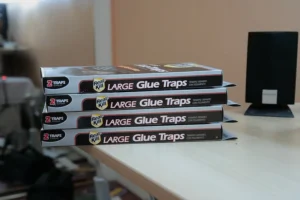
With a glue trap, the process is different. Since the mouse is often still alive when you check the trap, you’re faced with a decision most people aren’t prepared for. Do you euthanize it yourself, or dispose of the trap as is?
Most glue trap packaging simply tells you to throw the trap away, which usually means the mouse is still alive when it goes in the garbage.
A lot of people find this part of the process the most uncomfortable, even more so than the trapping itself.
Electronic traps tend to be the easiest to deal with here. The mouse is killed inside the sealed chamber, so you can usually just open it, dispose of the mouse, and reset the trap without much direct contact.
Does Cold Weather Affect How Well Glue Traps Work?
Yes, and this is a real limitation that snap traps and electronic traps simply don’t have.
Glue trap adhesive works best in a fairly specific temperature range, generally somewhere between 50 and 95 degrees Fahrenheit. Outside of that range, the glue itself starts to behave differently.
In cold conditions, standard glue traps can stiffen and lose their tackiness. A mouse can walk right across a trap that’s been sitting in a cold garage or basement all winter without getting stuck at all. The adhesive simply isn’t sticky enough anymore.
This is a real enough problem that manufacturers sell specialized cold-weather glue traps, built with an adhesive formula that stays effective down to around 0 degrees Fahrenheit. These are specifically marketed for unheated garages, barns, and basements.
Heat causes a different issue. High temperatures can soften the glue too much, which affects how well it holds an animal in place once it does make contact.
Dust and debris are another factor. A glue trap left out for a few months in a dusty area, like an attic or crawl space, gradually loses its stickiness as particles settle on the adhesive surface.
Snap traps and electronic traps don’t have this same weakness, since their mechanisms don’t depend on an adhesive staying at a specific tackiness.
This is worth factoring in if you’re placing traps somewhere with big temperature swings, like a garage or an unheated part of your home.
Are Glue Traps Safe to Use Around Pets and Kids?
This is worth thinking about, since it’s a common reason people lean toward or away from glue traps in the first place.
Glue traps don’t involve any spring mechanism, electrical current, or poison. There’s no risk of a pinched finger or an electric shock the way there is with other trap types.
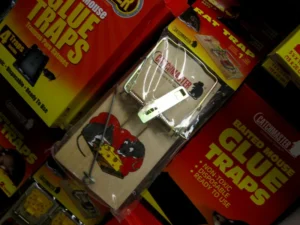
That said, a curious cat, dog, or small child can still get stuck to the adhesive if they come into contact with it. Removing a pet’s fur or a child’s skin from that same adhesive is a difficult and unpleasant process.
Snap traps carry a different kind of risk. The mechanism itself is designed to snap shut with real force, which can injure a small pet or a child’s finger if triggered accidentally.
Electronic traps are generally considered the safest option around pets and kids. Most models require the mouse to fully enter an enclosed chamber before the shock is triggered. That lowers the odds it accidentally goes off near a pet or child.
If you have pets or young children at home, placement matters no matter which trap you choose, but electronic traps tend to carry the lowest overall risk.
What Do Most Pest Control Professionals Actually Recommend?
Professional exterminators tend to view all trap types as tools with specific uses, rather than picking one as universally best.
Snap traps are usually the go-to recommendation for most home infestations. They’re affordable, effective, and give you a quick result you can check on daily.
Electronic traps get recommended when cost isn’t a major concern and the priority is a fast, clean kill with minimal mess.
Glue traps tend to get recommended specifically for monitoring purposes, tight spaces, or as a temporary measure while a bigger extermination plan gets put into place.
Live-catch traps come up too, mainly for people who don’t want to kill the mouse at all.
What Should You Actually Use for Your Mouse Problem?
The right choice really depends on your specific situation, not a single universal answer.
If you’re dealing with a small, early-stage mouse problem and want something affordable and effective, snap traps are usually your best bet.
If cost isn’t a big concern and you want the fastest, most humane result with the least mess, electronic traps are generally considered the strongest choice.
A glue trap can still serve a specific purpose too. It’s useful for figuring out where mice are actually moving through your home, or for fitting into a gap too thin for anything else.
Whatever you choose, pairing it with exclusion work matters more than which specific trap type you go with. That means sealing gaps and removing food sources.
What About Cost Over Time?
Price is often the first thing people compare, but the upfront cost only tells part of the story.
Glue traps are the cheapest option per unit, often just a dollar or two each. But since they can only catch a mouse or two before needing replacement, the cost adds up fast during a real infestation.
Snap traps cost a bit more per unit but can be reused indefinitely, as long as you’re comfortable resetting and cleaning them after each catch.
Electronic traps have the highest upfront cost, sometimes twenty to forty dollars per unit. Many models are reusable for years and only need occasional battery changes.
Looked at over the course of a full infestation rather than a single purchase, snap traps and electronic traps often end up cheaper in the long run.
Conclusion
Glue traps aren’t the best overall option for dealing with mice, even though they’re cheap, easy to find, and simple to use.
Snap traps tend to work faster and more reliably for most home situations. Electronic traps offer a cleaner, more humane result if cost isn’t a concern.
Where glue traps do make sense is in tight spaces other traps can’t reach, and as a monitoring tool to figure out where mice are actually active in your home.
The bigger point worth remembering is that no single trap, glue boards included, actually solves a mouse problem on its own. Sealing up entry points, removing food sources, and cleaning up clutter matter just as much as whatever trap you end up choosing.
If you’re deciding what to use, think about your specific situation. How bad is the problem, are pets or kids around, and how quickly do you want results? That matters more than assuming one type of trap is automatically better than the rest.

Hi, my name is Ezra Mushala, i have been interested animals all my life. I am the main author and editor here at snakeinformer.com.