
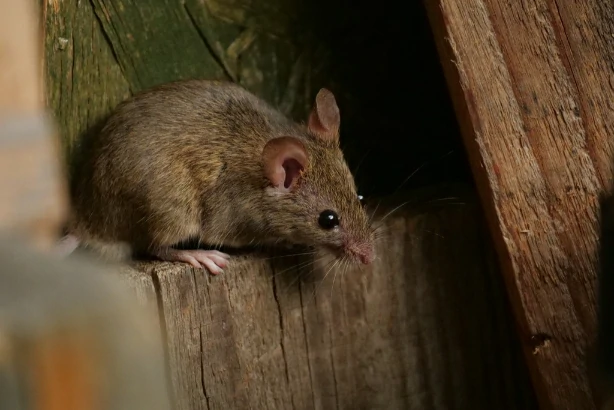
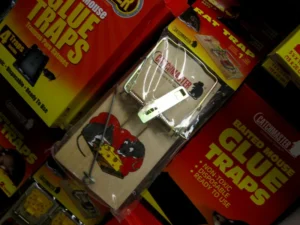
Glue traps, also called glue boards or sticky traps, are one of the most common tools people reach for when a mouse shows up in the house.
A sticky board goes down along a wall, and any mouse that walks across it gets stuck in place.
They’re cheap, easy to find, and don’t require setting up anything complicated.
But there’s a question that comes up more and more as people learn how these traps actually work: are glue traps inhumane for mice?
Yes, veterinary and animal welfare organizations widely consider glue traps inhumane for mice. Trapped mice don’t die quickly, and they can remain stuck and alive for 24 hours or longer. Many suffer torn skin, broken limbs, and extreme stress before they die.
That’s a hard thing to picture, but it’s exactly why groups like the British Veterinary Association, the RSPCA, and the American Veterinary Medical Association have all spoken out against glue traps specifically.
Let’s look at what actually happens to a mouse on a glue trap, and why the science backs up the concern.
What Actually Happens to a Mouse Stuck on a Glue Trap
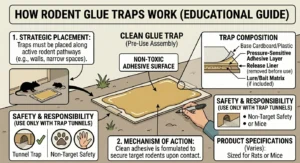
Understanding why glue traps raise so much concern starts with understanding exactly what happens once a mouse gets stuck.
A mouse’s feet get caught first, since that’s what touches the glue surface.
From there, almost every mouse instinctively tries to pull free, and that struggle is where most of the real damage happens.
As the mouse fights to escape, more of its body tends to make contact with the glue.
Fur gets pulled out, skin can tear, and in some documented cases, mice have chewed at their own limbs trying to get loose.
The RSPCA has described this pattern directly. A mouse’s feet get stuck first, but escape attempts often lead to other body parts becoming stuck too.
That can result in bone fractures and torn skin.
This isn’t a quick process either. Depending on how often the trap is checked, a mouse can remain stuck and alive anywhere from several hours to multiple days.
Eventually, most mice that aren’t found and removed die from exhaustion, dehydration, or starvation.
In some cases, a mouse’s nose or mouth ends up stuck to the glue as it struggles, leading to death by suffocation instead.
How Long Does It Actually Take a Mouse to Die on a Glue Trap?
There’s no single, fixed answer here, and that’s actually part of the problem welfare researchers point to.
The exact time depends on factors like the mouse’s age, health, and how much of its body ends up stuck.
Some mice die within several hours, particularly if they’re already young, old, or unwell.
Others have been documented surviving, still stuck and struggling, for two or three full days before dying or being discovered.
This variability is part of why the RSPCA and similar organizations describe glue traps as offering no guarantee of a quick outcome.
That’s very different from a properly set snap trap, which is designed to kill within seconds if it works correctly.

The unpredictability itself is treated as a welfare problem. There’s no way to know in advance whether a given mouse will suffer for two hours or two days.
The person setting the trap has essentially no control over that outcome once it’s placed.
What Veterinary and Welfare Organizations Actually Say
This isn’t just a matter of personal opinion.
Several major veterinary and animal welfare organizations have formally weighed in on glue traps, and their conclusions are strikingly consistent.
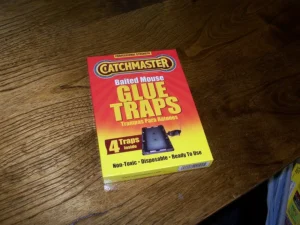
The British Veterinary Association issued a policy statement concluding that the welfare problems caused by glue traps make them inherently inhumane.
That’s a strong, formal position from an organization representing practicing veterinarians.
The RSPCA has taken a similarly direct stance.
Their own review of glue trap use found that the welfare impact on trapped animals was prolonged, often for hours, and considered extreme.
The American Veterinary Medical Association has raised the same concern from a different angle.
They point to the prolonged suffering that happens before death as the core problem with glue traps as a pest control method.
Individual veterinarians have echoed this too. A Winnipeg-based vet, speaking to CBC News, described glue traps as a cruel and outdated approach to rodent control.
He added that an animal’s efforts to free itself typically just cause it to become more stuck, not less.
When multiple independent professional bodies, not just advocacy groups, reach the same conclusion, that’s a meaningful signal that this isn’t just a matter of squeamishness.
Do Mice Actually Feel Pain and Fear the Way We Assume?
Some people wonder whether concern over mouse suffering is more about human discomfort than actual animal experience.
The science on this is worth looking at directly, since it’s more settled than most people realize.
Researchers at McGill University, led by pain scientist Jeffrey Mogil, developed something called the mouse grimace scale, a tool that identifies specific facial changes mice show when they’re in pain.
These include tightened eyes, bulging cheeks, and changed ear and whisker position.
This isn’t a subjective guess.
It’s a measurable, physical response that researchers can observe and score consistently, similar to how pain is assessed in human infants who can’t verbally describe what they’re feeling.
Mogil’s research went further too. His team found that mice show measurable signs of empathy.
A mouse’s own pain sensitivity actually changes depending on whether it can see or smell another mouse in distress nearby.
Separate research out of Stanford University found something similar.
Healthy mice living near a mouse in pain were found to be significantly more sensitive to pain themselves afterward.
Researchers described this as mice essentially sharing each other’s pain and relief.
So the scientific consensus doesn’t leave much room for doubt here.
Mice have the neurological and behavioral markers of experiencing real pain, real fear, and real stress, not just a mechanical response to being physically stuck.
Glue Traps Don’t Just Affect Mice
Part of what makes the inhumane label stick so firmly to glue traps is that mice are far from the only animals affected by them.
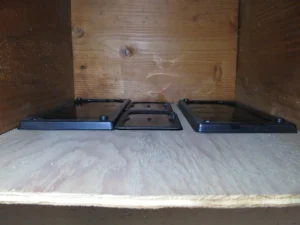
Glue traps can’t tell the difference between a mouse and any other small animal that happens to walk or land on the surface.
Birds, lizards, snakes, bats, and even household pets like cats and small dogs have all been documented getting caught.
The RSPCA has noted that when non-target animals get caught, freeing them safely is both difficult and painful.
The animal is likely to sustain injuries in the process regardless of how carefully someone tries to help.
This indiscriminate quality is a big part of why legal bans on glue traps tend to focus on protecting more than just rodents.
Places like England, Wales, Scotland, Ireland, and New Zealand all extend their welfare concern to anything unlucky enough to touch the trap.
What’s Supposed to Happen When You Find a Mouse Stuck on a Glue Trap?
This is a part most people never think about until they’re actually facing it, and it’s an uncomfortable detail worth knowing.
Glue trap packaging generally instructs people to simply throw the entire trap away, mouse and all, once it’s caught something.
That means disposing of a living, conscious animal in the trash, left to die slowly over the following hours or days.
Animal welfare organizations are direct about why this matters legally, not just ethically.
In several places, deliberately allowing an animal to suffer unnecessarily, including a trapped mouse, can violate animal cruelty laws.
The RSPCA’s own guidance states that a humane death isn’t really possible with a glue trap.
The device just isn’t designed to kill quickly or painlessly in the first place.
If a person wants to end a trapped mouse’s suffering properly, they generally have two options.
They can try to free it, which is difficult and often causes further injury, or use a method called blunt trauma, carried out quickly and correctly to minimize suffering.
Most people using a glue trap at home are never told this, and most aren’t prepared or willing to do it.
That gap between what’s supposed to happen and what actually happens is a big part of why welfare groups consider glue traps so troubling.
Are Any Glue Traps Considered More Humane Than Others?
Some manufacturers have tried to address these concerns directly, with mixed results worth understanding.
A small number of patented glue trap designs include a calming substance mixed into the bait, meant to reduce stress and struggling once a rodent is caught.
The idea is to reduce the tearing and injury that normally comes from a mouse fighting to escape.
Multi-catch traps are enclosed boxes containing glue boards inside.
These are sometimes marketed as a step up too, since they keep the animal contained and out of sight rather than exposed on an open board.
Neither of these design changes fixes the core issue though.
The mouse is still stuck, still alive, and still likely to experience real distress until someone finds and deals with the trap.
Why This Debate Has Led to So Many Legal Bans
The inhumane argument isn’t just a talking point that stayed inside animal welfare circles.
It’s the primary reason lawmakers in multiple countries have actually moved to restrict or ban glue traps altogether.
England’s Glue Traps (Offences) Act 2022 leaned directly on this welfare argument, naming the suffering caused to rodents as a central reason for restricting public use.
Wales and Scotland followed with their own bans built on similar reasoning.
New Zealand banned public purchase and use of glue traps back in 2015.
Ireland’s ban actually goes back to 1976, and both are grounded in the same core concern about unnecessary animal suffering.
Even in places without a formal ban, there’s a real legal risk tied to the suffering angle specifically.
In one notable UK case, a person was convicted under the Animal Welfare Act for causing unnecessary suffering after drowning a trapped squirrel.
That case set a real legal precedent, showing how seriously courts can treat this kind of neglect.
Is There a Counterargument for Using Glue Traps?
It’s worth being fair here, since not everyone who uses a glue trap is doing so carelessly.
Some people turn to them specifically because they seem less violent than a snap trap, with no blood or visible injury at the moment of capture.
Others use them because they’re cheap and simple.
That appeal grows in situations where a bigger infestation makes other methods feel impractical, like a warehouse or food storage facility trying to track activity across a large space.
Pest control professionals sometimes argue that a properly managed glue trap program can limit unnecessary suffering compared to leaving an infestation unchecked entirely.
That only holds if traps are checked frequently and paired with a quick, humane method for dealing with anything caught.
That argument has some logic to it, but it depends heavily on execution.
Most glue traps sold to the general public aren’t checked frequently, and most people have no training in how to humanely end a trapped animal’s life.
So even where the argument for controlled, professional use has some merit, it doesn’t really apply to how glue traps are typically bought and used by everyday homeowners.
What the Stress Response Actually Looks Like in a Trapped Mouse
Beyond pain specifically, researchers have also studied what happens to a mouse’s stress hormones during a prolonged period of being trapped and unable to move.
Mice under sustained physical restraint show elevated levels of corticosterone, the primary stress hormone in rodents, similar to cortisol in humans.
This isn’t a brief spike either. It stays elevated for as long as the stressful situation continues.
Prolonged elevated stress hormones are linked to a cascade of physical effects beyond just the emotional experience of fear.
These include increased heart rate, elevated body temperature, and in extended cases, immune system suppression.
In other words, a mouse stuck on a glue trap for many hours isn’t just physically injured from struggling.
Its entire body is running in a sustained state of physiological stress the whole time, which is part of why welfare researchers describe the experience as so severe.
What Should You Use Instead of Glue Traps?
If the welfare concerns here give you pause, there are alternatives that don’t carry the same ethical weight.
For a lot of people, understanding what’s actually involved is exactly what gives them that pause in the first place.
- Snap traps kill quickly, which most veterinary and welfare groups consider far more humane than a slow death on a glue board.
- Humane live-capture traps catch a mouse unharmed, letting you release it away from your home.
- Sealing entry points stops mice from getting inside in the first place, which avoids the need for a trap at all.
- Removing food sources makes your home less appealing, reducing how often you need to deal with mice to begin with.
- Calling a licensed pest control professional ensures any lethal method used is applied correctly and quickly.
Snap traps in particular have become the go-to humane recommendation from groups that oppose glue traps.
A properly set snap trap delivers a fast death, which stands in sharp contrast to the days of suffering a glue trap can cause.
Whichever method you choose, checking traps regularly matters too. Even a humane method loses some of its advantage if a trap sits unchecked for days.
A quick daily walk-through of wherever you’ve placed traps is worth building into your routine.
Conclusion
The evidence here points pretty clearly in one direction.
Veterinary bodies, animal welfare organizations, and a growing list of governments have all reached the same conclusion.
Glue traps cause real, prolonged suffering, and mice have the biological and behavioral markers of experiencing that suffering fully.
A mouse stuck on a glue trap isn’t having a quick, painless end.
It’s often facing hours or days of fear, injury, and exhaustion, with no guarantee that whoever finds it will know what to do next.
If you’re dealing with a mouse problem, there are alternatives that solve the same issue without the same level of suffering attached.
Snap traps, live-capture traps, and basic prevention steps all get the job done.
Given how much scientific and professional consensus exists on this issue, it’s worth thinking carefully before reaching for a glue trap as your first solution.

Hi, my name is Ezra Mushala, i have been interested animals all my life. I am the main author and editor here at snakeinformer.com.