
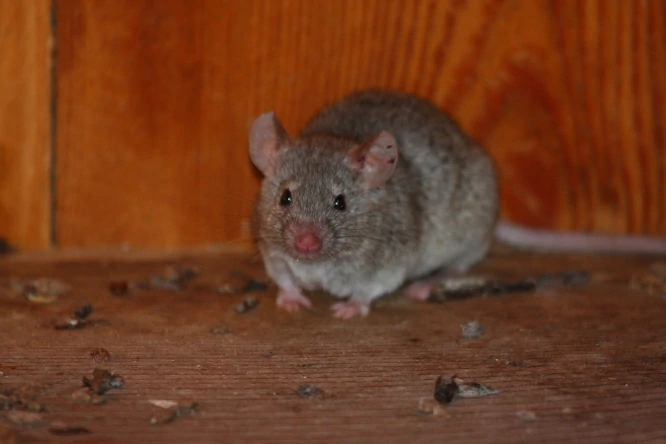
If you have radiator heating in your home, you might worry that these metal fixtures could provide mice with a way to get inside. Radiators have pipes that connect through walls and floors, and where there are pipes, there are often gaps.
If you’ve noticed signs of mice near your radiators, you’re probably wondering if these heating units are the problem. So can mice get in through radiators?
Yes, mice can get into your house through gaps around radiator pipes. While mice can’t get through the radiator itself or the sealed pipes, they can squeeze through openings where radiator pipes pass through walls, floors, or baseboards. These gaps are often larger than necessary and provide easy entry points for mice.
The radiator unit itself isn’t the problem. It’s the spaces around the pipes that create pathways for mice to enter your home from wall cavities or between floors.
Why Radiator Pipe Openings Are Vulnerable
Radiator pipes need to pass through walls and floors to connect to your heating system, and this creates potential entry points.
The holes cut for radiator pipes are usually larger than the pipes themselves. This is done to make installation easier and allow for some movement as the pipes expand and contract with heat.

These gaps often aren’t sealed properly after installation. Many older radiator systems were installed decades ago when pest prevention wasn’t as much of a concern.
Radiator pipes typically have two connections (supply and return), which means two potential openings for each radiator. More pipes mean more gaps.
The gaps are often hidden behind the radiator itself, so you don’t notice them until you have a mouse problem. This makes them easy to overlook during home inspections.
In older homes with radiator heat, wall cavities and floor spaces between joists often connect throughout the house. Mice can travel through these spaces and use radiator pipe gaps to enter your living areas.
How Mice Use Radiator Pipes to Enter Your Home
Mice don’t just randomly show up near radiators. They use specific aspects of these heating systems to their advantage.
Mice travel through wall cavities and between floors, and radiator pipes create openings from these hidden spaces into your rooms. A mouse in your wall can simply follow a pipe and come out through the gap around it.
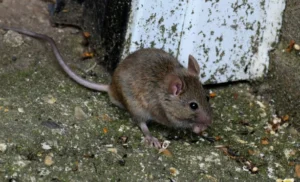
The warmth from radiators attracts mice, especially in winter. They can feel the heat, and it tells them there’s a warm place to nest nearby.
Radiator pipes themselves provide highways through walls. Mice can follow along pipes, using them as guides to navigate through your home’s structure.
The space behind radiators is often undisturbed. You rarely move or clean behind radiators, which makes this area feel safe to mice for nesting or as a pathway.
Old radiator systems sometimes have additional pipes or fittings that create even more gaps. Shut-off valves, bleeder valves, and pipe connections all potentially have openings around them.
Signs Mice Are Using Radiator Gaps
If mice are entering through your radiator pipe openings, there are specific signs you can look for.
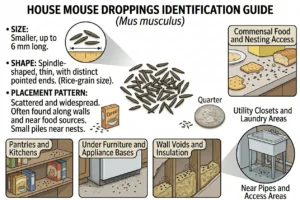
Mouse droppings near or behind radiators are the most obvious clue. These look like small, dark pellets about the size of a rice grain. Check the floor behind and around radiators.
Scratching sounds coming from inside walls near radiators indicate mice traveling along pipes or through wall cavities in that area.
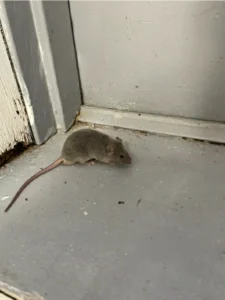
Seeing a mouse appear from behind or near a radiator means it’s probably using the pipe gaps to enter that room.
Grease marks or dark smudges on walls or floors near radiator pipes show where mice repeatedly travel. Their oily fur leaves marks on surfaces they brush against.
A musty or ammonia-like smell near radiators could indicate mouse urine. Mice often mark their pathways with urine, and if they’re using radiator gaps, the smell will be concentrated there.
Nesting material (shredded paper, fabric, or insulation) found behind or under radiators suggests mice are living in that area and using the nearby pipe gaps for access.
Which Types of Radiator Systems Are Most Vulnerable to Mice?
The type of radiator system you have affects how vulnerable you are to mice using pipe gaps.
Steam radiators have separate supply and return pipes, and the connections tend to be older with larger gaps. These systems are common in older buildings and often have more potential entry points.
Hot water radiators (hydronic systems) also have supply and return pipes, but newer installations might be better sealed. Still, many hot water systems have gaps around pipes.
Baseboard hot water radiators run along walls near the floor. The pipes feeding these often come through the floor or wall, creating gaps similar to traditional radiators.
Cast iron radiators in older homes are heavy and rarely moved. The areas around and behind them might not have been inspected or sealed in decades.
Panel radiators (more common in newer construction) might have slightly better sealing, but gaps around pipes are still common if the installation wasn’t done with pest prevention in mind.
How to Find Gaps Around Your Radiators
Before you can fix the problem, you need to locate all the gaps where mice might be getting through.
Move furniture and look behind each radiator if possible. You need to see where the pipes enter the floor or wall. This might require a flashlight.
Check both where pipes come up through the floor and where they enter the radiator itself. There can be gaps at multiple points in the connection.
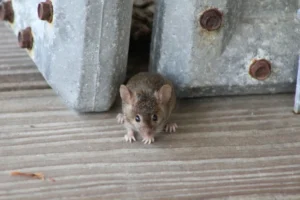
Look at baseboards near radiators. Sometimes there are holes in baseboards where pipes pass through, and these can have gaps around them.
Feel for air movement near pipe openings. If there’s a draft or you can feel air coming from around a pipe, that’s a gap large enough for mice.
Use a bright flashlight to look into gaps. You might see mouse droppings, nesting material, or other signs that mice are using these openings.
Check every radiator in your house. Just because one radiator’s pipes are sealed doesn’t mean they all are. Be thorough.
How to Seal Gaps Around Radiator Pipes
Once you’ve found the gaps, you need to seal them properly to keep mice out.
First, clean the area thoroughly. Remove any mouse droppings, nesting material, or debris around the pipes. Wear gloves and a mask when cleaning mouse contamination.
For small gaps (less than 1/4 inch), use high-quality caulk. Apply caulk around the pipe where it meets the floor or wall. Make sure you fill the entire gap.
For larger gaps, stuff steel wool into the opening first, then cover it with caulk or expanding foam. Mice can’t chew through steel wool, so this creates a barrier they can’t get past.
Expanding foam works well for irregular gaps, but use it with steel wool. Fill the gap about halfway with steel wool, then spray foam over and around it.
For very large openings, you might need to use a combination of materials. Steel wool, foam, and then cover the whole thing with a patch of sheet metal or hardware cloth held in place with screws.
Don’t seal so tightly that you prevent the pipes from expanding and contracting with temperature changes. Leave a tiny bit of flexibility, but make sure the gap is too small for mice (less than 6-7mm).
If the gap is inside a baseboard, you might need to remove the baseboard piece, seal the gap properly, then reinstall the baseboard.
Which Materials Work Best for Sealing Radiator Pipe Gaps?
Choosing the right materials is important for creating a lasting barrier against mice.
Steel wool (coarse grade 3 or 4) is essential. Mice can’t chew through it, and it fills irregular gaps well. Always use steel wool as part of your sealing strategy.

Expanding foam combined with steel wool creates a strong barrier. The foam holds everything in place and fills the space completely.
Caulk (silicone or acrylic) works for smaller gaps. Choose high-quality exterior-grade caulk that won’t crack or shrink over time.
Cement or mortar is best for large gaps or in areas where you need maximum strength. Mix it according to package directions and pack it around pipes.
Hardware cloth (metal mesh with 1/4 inch or smaller openings) can be shaped to fit around pipes and creates a barrier mice can’t penetrate.
Copper mesh is another option. It’s similar to steel wool but doesn’t rust, which can be better in damp environments.
What Materials Should You Avoid When Sealing Gaps?
Some materials might seem like they’d work but actually don’t stop mice effectively.
Don’t use just expanding foam alone. Mice can chew through spray foam easily. It needs to be combined with steel wool or mesh to actually work.
Don’t use regular duct tape or electrical tape. Mice chew right through these. They’re not barriers at all.
Don’t use cloth, paper, or soft materials. These give mice nesting material and don’t stop them from getting through.
Don’t use fiberglass insulation by itself. Mice can push through it and they’ll even use it for nesting.
Don’t use plastic or rubber plugs without steel wool. Mice can chew through soft plastics and rubber.
What to Do If Mice Are Already Using Radiator Pipe Gaps
If mice are already using your radiator pipe gaps, sealing alone might not be enough at first.
Before you seal all the gaps, make sure there aren’t mice trapped in your walls. Set traps in the areas where you’ve seen activity and give it a few days to catch any mice that are currently present.

Don’t seal gaps while mice are actively using them, or you might trap mice inside your walls where they’ll die and create terrible odors.
After you’ve confirmed no mice are using that pathway (no new droppings, no sounds, no sightings for several days), then seal the gaps.
If you keep seeing signs of mice even after sealing, you’ve probably missed some gaps. Check again carefully, and remember that mice only need an opening about the size of a dime.
Consider calling professional pest control if the infestation is large or if you keep having problems after sealing gaps yourself.
How to Prevent Future Mouse Problems Around Radiators
Once you’ve sealed radiator pipe gaps, take additional steps to keep mice out.
Inspect all radiator pipes annually, especially before winter when mice are most motivated to get inside. Check that your sealing materials are still in good condition.
Keep areas around radiators clean and uncluttered. Don’t store things behind radiators where you can’t easily see what’s happening.
Monitor for new signs of mice regularly. Check for droppings, smells, or sounds near radiators every few weeks.
Maintain good overall pest prevention in your home. Seal other entry points, store food properly, and eliminate mouse attractants.
Consider installing radiator covers that make it easier to see and access the area around radiator pipes. This helps you spot problems early.
If you have old radiators and plan to update your heating system, ask the installer to seal all pipe penetrations properly as part of the installation.
When Should You Call a Professional?
Some radiator pipe gap situations are better handled by professionals.
If your radiator system is very old and has extensive gaps around multiple radiators, a professional can assess the whole system and create a comprehensive sealing plan.
When radiator pipes are in hard-to-reach places or require removing the radiator itself to access gaps, hire someone with experience.
If you have a serious mouse infestation in your walls and aren’t sure which radiator pipes they’re using, pest control professionals can identify active pathways.
Plumbers or heating technicians can help if you’re concerned about damaging your heating system while sealing gaps. They understand how radiators work and can seal gaps without causing problems.
If you’ve tried sealing gaps yourself but mice keep getting through, professionals might spot entry points or problems you’re missing.
What Other Entry Points Should You Check for Mice?
If mice are in your walls and using radiator pipes, they’re probably using other openings too.
Check all plumbing penetrations in your house. Kitchen and bathroom pipes, washing machine connections, and utility sinks all create similar gaps.
Inspect gaps around electrical outlets and switches. These connect to wall cavities where mice might be traveling.
Look at gaps under doors and around windows. Ground-level entry points let mice into your walls in the first place.
Check your basement and foundation for cracks or gaps. This is often where mice first enter your house before traveling up through walls.
Examine any other utilities that pass through walls or floors (cable lines, phone lines, HVAC ducts). Each one potentially has gaps around it.
Conclusion
Mice can definitely get into your house through gaps around radiator pipes. While the radiator itself and the sealed pipes aren’t the problem, the openings where pipes pass through floors, walls, or baseboards often have spaces that mice can squeeze through.
These gaps are especially common in older homes with radiator heating systems that were installed before pest prevention was a priority. The openings are often hidden behind the radiator units, making them easy to overlook.
Sealing radiator pipe gaps requires a combination of steel wool and caulk or expanding foam. The steel wool prevents mice from chewing through, while the caulk or foam holds everything in place and fills the space.
Check every radiator in your house and seal all the gaps you find. This is part of a comprehensive approach to keeping mice out that should also include sealing other entry points, removing food sources, and maintaining good sanitation.
If you take the time to seal these gaps properly, you can eliminate one of the major pathways mice use to get from your walls into your living space.

Hi, my name is Ezra Mushala, i have been interested animals all my life. I am the main author and editor here at snakeinformer.com.