
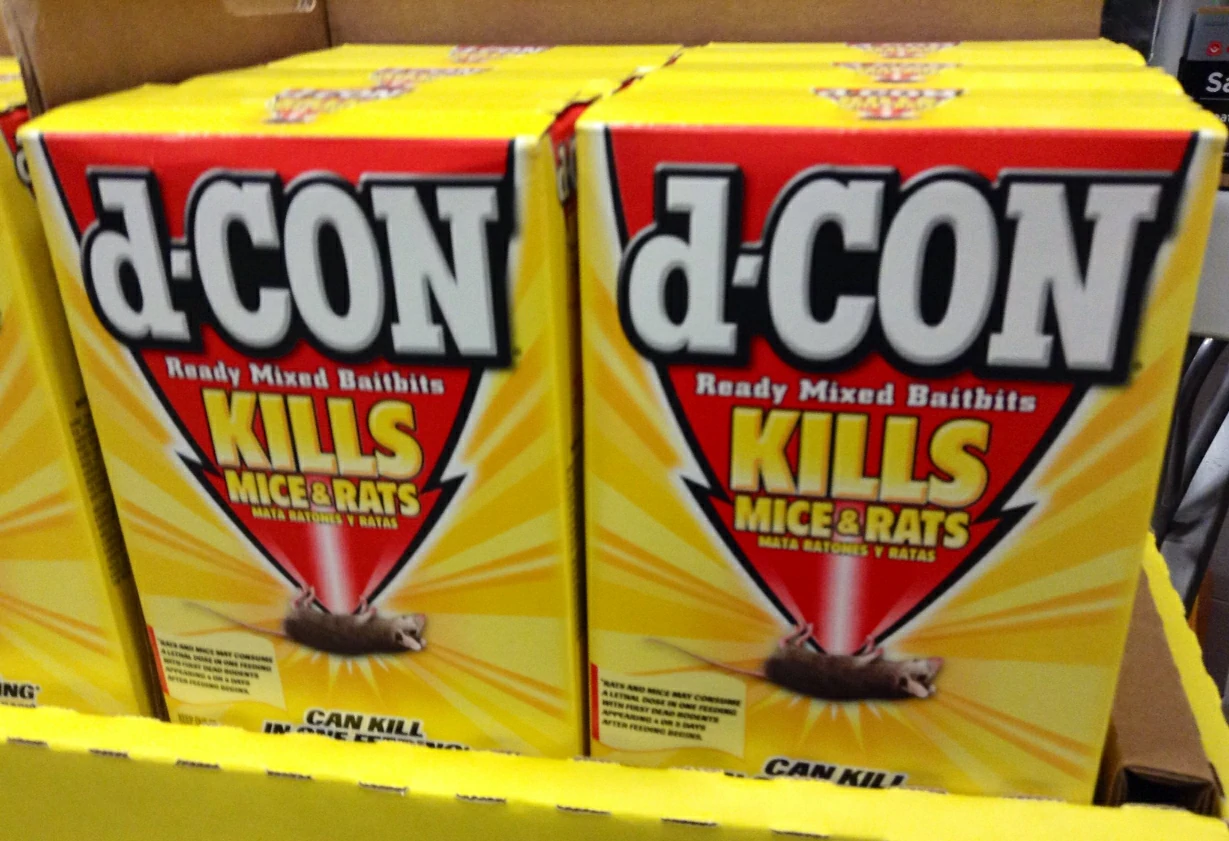
Setting a trap or refilling a bait station usually isn’t something people think through carefully. You grab the bag, you do the job, and only afterward does it occur to you that your bare fingers were right on the bait the whole time.
So what actually happens if you touch rat poison with bare hands? It’s a fair question, and one worth answering properly rather than with a simple yes or no.
In most cases, touching rat poison with your bare hands and then washing up right after causes no real harm. The bigger risk isn’t the touch itself, it’s what happens if that residue makes it from your hands to your mouth, eyes, or food before you wash. Can you safely touch rat poison? For a quick, occasional touch followed by proper handwashing, yes, generally.
That answer comes with some real nuance, though, and it depends on things like which product you’re using, how long the contact lasted, and whether your skin was already broken.
Understanding those details is what actually tells you whether you need to worry or just wash your hands and move on.
Why a Quick Touch Usually Isn’t a Big Deal
Most household rat poison contains a very small percentage of active ingredient, often less than half a percent by weight. The rest is grain, wax, flavoring, and dye.
Your skin also does real work here. Its outer layer, called the stratum corneum, acts as a barrier that slows most chemicals down before they can reach your bloodstream in any meaningful amount.
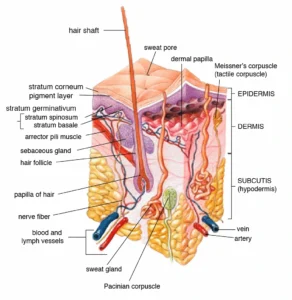
A brief touch, lasting a few seconds before you wash your hands, simply doesn’t give the chemical much time to move through that barrier. This is different from prolonged contact, where the poison sits against your skin for an extended period.
Put those two things together, low concentration and short contact time, and you get why a single accidental touch is generally low risk for most healthy adults.
It also helps to compare this to other everyday chemical exposures people don’t think twice about.
Touching a cleaning wipe, spraying weed killer, or handling laundry detergent pods all involve brief skin contact with something that would genuinely hurt you in larger doses.
Rat poison fits into that same general category, something to respect and handle sensibly, not something that turns dangerous the instant your skin touches it.
What Actually Happens on a Chemical Level
Rat poison sold for home use is almost always an anticoagulant, meaning it works by interfering with your body’s ability to clot blood.
When it touches your skin, a small amount can pass through the outer layer over time. This applies especially to second generation anticoagulants like brodifacoum or bromadiolone, which research has shown can be absorbed through skin to some degree.
This doesn’t happen instantly. Studies on similar compounds found that most absorption occurs over several hours, not seconds, which is exactly why washing promptly matters so much.
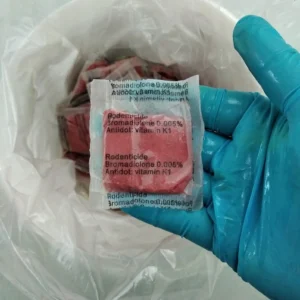
If nothing gets absorbed in a meaningful amount, and for most brief contact it doesn’t, your body simply has nothing to respond to. No poison gets into your bloodstream, so there’s nothing for it to act on.
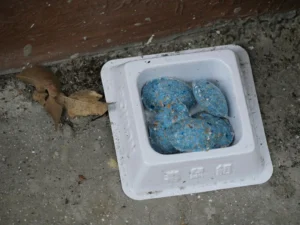
There’s also a difference worth noting between touching the bait itself and touching the outside of a sealed bait station.
A tamper-resistant station is specifically built to keep the actual bait contained, so handling the outside of one is really just touching plastic, not the poison itself.
Can You Safely Touch Rat Poison?
Yes, for the vast majority of situations. If you touch a bait block, a pellet, or the outside of a bait station and wash your hands afterward, you’re very unlikely to experience any negative effects.
This is different from making a habit of handling it without protection.
Pest control labels, including for common consumer products, specifically instruct users to wear waterproof gloves and to wash hands thoroughly after handling.
That tells you regulators consider repeated bare-hand contact worth avoiding, even if a single touch isn’t an emergency.
The honest answer sits in the middle. It’s not something to panic over if it happens once by accident, but it’s also not something you should treat as completely without risk if you’re doing it regularly.
Think of it the way you’d think about touching cleaning chemicals or gasoline. A brief, accidental touch isn’t a crisis, but you wouldn’t want to make bare-hand contact your normal way of working with it.
There’s also a practical reason beyond your own safety to avoid touching bait with bare hands.
Rodents are surprisingly sensitive to smell, and some pest control guidance notes that human scent left on bait can make rodents more cautious about approaching it. That works against the whole point of setting it out in the first place.
What to Do Immediately After Touching Rat Poison
The steps here are simple, and they mirror the first aid guidance printed on most rodenticide labels.
Wash your hands thoroughly with soap and water. A couple minutes under running water is enough for typical, brief contact with a household product.
Avoid touching your face, eyes, or mouth until you’ve washed up. This is genuinely the step that matters most, since your hands are how residue would actually get into your body.
If you were wearing gloves, wash the outside of them before taking them off. Product labels for professional-strength baits specifically call this out.
If you have any cuts, scrapes, or broken skin on your hands, pay extra attention to washing those areas well. Broken skin doesn’t have the same protective barrier that intact skin does.
If a meaningful amount of poison got onto your clothing, it’s worth changing out of it rather than continuing to wear it for the rest of the day. Contaminated fabric can keep residue in contact with your skin far longer than a quick touch would.
Signs You Should Actually Be Concerned
Skin contact alone rarely causes noticeable symptoms in a healthy adult. Still, it’s worth knowing what would actually be a red flag.
Mild skin irritation, like redness or itching right where the product touched your skin, can happen. It’s usually more of a reaction to inactive ingredients like dye or wax than a sign of poisoning.
More serious symptoms would relate to your blood’s ability to clot, since that’s how anticoagulant rat poison actually works in the body. This includes things like unexplained bruising, bleeding gums, or a nosebleed that shows up without any clear cause.
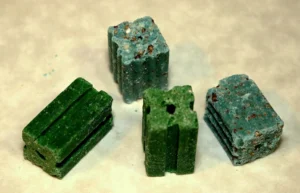
These symptoms, if they happen at all, take time to develop, often several days, since your body has a reserve of clotting factors that has to run low before you’d notice anything.
If you notice any of these signs after a known exposure, even if it’s been a few days, it’s worth calling Poison Control and mentioning what happened.
It’s worth remembering that these symptoms are far more strongly associated with swallowing rat poison than with skin contact alone.
If you only touched it briefly and washed your hands, the odds of any of this happening are genuinely low. This section exists so you know what to watch for, not because it’s a likely outcome.
Does It Matter Which Kind of Rat Poison You Touched?
Yes, to some degree. Not every rodenticide carries quite the same profile of risk from skin contact.
First generation anticoagulants, like warfarin, are the older, weaker formulas. They generally require repeated exposure to cause a real problem, whether that’s through skin contact or ingestion.
Second generation anticoagulants, like brodifacoum, bromadiolone, difenacoum, and difethialone, are stronger and stick around in the body much longer. These are the active ingredients in most bait sold today, since they work faster against rodents that have grown resistant to older formulas.
Non-anticoagulant rodenticides, like bromethalin or zinc phosphide, work completely differently and are considered more dangerous overall, though they’re less common in typical household bait stations. These are more likely to show up in professional-grade or agricultural products.
If you’re not sure which type you handled, checking the active ingredient listed on the product label is the fastest way to know. Different active ingredients also come with different first aid instructions, so it’s genuinely useful information to have.
Older rat poison found in an attic, shed, or basement deserves a bit of extra caution too.
Formulas from decades past sometimes used ingredients that are no longer legal for consumer sale, and the packaging on an old container may be too faded or damaged to read clearly.
If you come across something like this, it’s safer to treat it as more hazardous than a current store-bought product, and to handle it with gloves regardless of what it looks like.
What If You Touched a Dead Rodent Instead of the Bait Itself?
This comes up more than people expect, especially if you’re the one disposing of a rat or mouse that’s already been caught or poisoned.
A rodent that’s eaten anticoagulant bait can carry residue on its fur and in its tissue. Handling the carcass with bare hands is a different kind of exposure than touching the bait itself, though the same basic principle applies.

The National Pesticide Information Center specifically recommends using gloves when disposing of dead rodents. This helps you avoid secondary exposure and reduces the risk of other issues, like the bacteria rodents can carry.
If you’ve handled a dead rodent with your bare hands, washing thoroughly afterward is just as important as it would be after touching the bait directly.
Should You Wear Gloves Every Time?
Practically speaking, yes, it’s the simplest habit that removes almost all of the guesswork here.
Waterproof or chemical-resistant gloves, like nitrile, create a real barrier between your skin and the product. This matters most if you’re handling bait regularly, refilling multiple stations, or working with a stronger, professional-grade formula.
For a single quick task, like moving a sealed bait station or picking up a fallen block to reposition it, the risk from brief bare-hand contact is genuinely low. Still, gloves cost almost nothing and remove the question entirely, which makes them worth keeping on hand.
If you have kids in the house, it’s worth setting the expectation early that they should never touch rat poison at all, gloves or not. Their smaller body size and thinner skin mean the same exposure counts for more in a child than it would in an adult.
Teenagers helping around the house with pest control tasks deserve the same expectation. It’s easy to assume an older kid understands the risk the way an adult would, but the habit of wearing gloves is worth reinforcing regardless of age until it becomes automatic.
What About Pets That Touch Rat Poison?
Dogs and cats interact with rat poison differently than people do, mostly because they’re more likely to actually chew on or eat it rather than just brush against it.
Still, paw contact matters. A dog that walks through spilled bait and then licks its paws is essentially giving itself a dose without ever directly eating the poison from the source.
If you suspect a pet has had any contact with rat poison, whether through touch, licking, or eating it directly, contacting your veterinarian or an animal poison control hotline promptly matters.

Early treatment is far more effective than waiting for symptoms to show up.
Wiping down a pet’s paws after they’ve been in an area where bait has been used is a reasonable extra step if you know poison is present nearby.
Birds of prey and other wildlife face a related but different risk, called secondary poisoning, where an animal eats a rodent that has already consumed bait.
This isn’t something a homeowner touching rat poison needs to worry about personally. Still, it’s part of why keeping bait stations secured outdoors and cleaning up any dead rodents you find matters for the wider environment around your home, not just your own household.
Conclusion
Touching rat poison with bare hands, on its own, usually isn’t something to be alarmed about. A quick, accidental touch followed by thorough handwashing carries low risk for most healthy adults.
Can you safely touch rat poison in that kind of situation? Generally, yes.
The real risk comes from what happens next, rubbing your eyes, eating without washing your hands, prolonged or repeated contact, or handling it with broken skin.
Those are the situations where a simple touch turns into something worth paying closer attention to.
Wearing gloves when you can, washing your hands promptly when you can’t, and knowing the signs of a real exposure covers almost everything you need.
If you’re ever unsure whether something you touched is a problem, Poison Control is available around the clock and would rather field an unnecessary call than have you guess wrong.

Hi, my name is Ezra Mushala, i have been interested animals all my life. I am the main author and editor here at snakeinformer.com.