
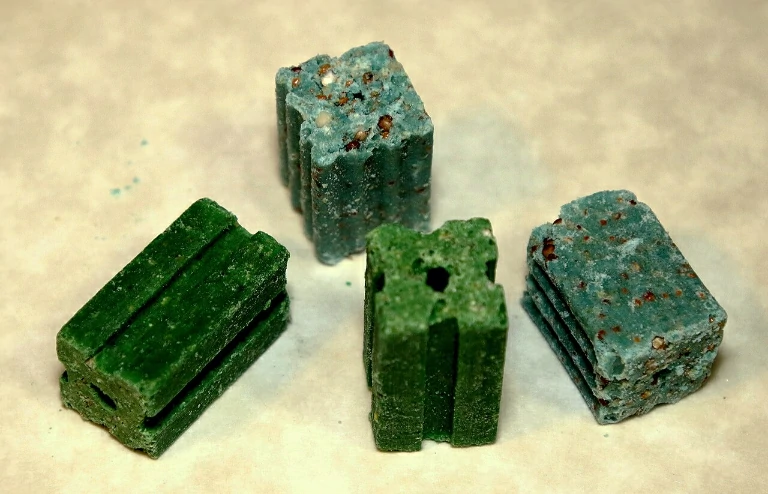
Crows are incredibly smart birds, and when they decide your property is a good place to hang out, they can be tough to get rid of.
Some people dealing with both rats and crows wonder if the rat poison they’re using might also take care of their crow problem. But will rat poison kill crows?
Yes, rat poison will kill crows if they eat it. Crows are omnivores that will eat almost anything, including poison blocks and poisoned rats. The anticoagulants in rat poison affect crows the same way they affect other birds and mammals, causing internal bleeding and death within several days.
However, using rat poison to kill crows is not only illegal in most places but also incredibly dangerous to other wildlife and pets.
Crows play an important role in the ecosystem, and poisoning them creates problems that go way beyond your immediate crow issue.
Why Crows Might Eat Rat Poison
Crows are opportunistic feeders. They’ll investigate anything that might be food, including rat poison blocks sitting in your yard or garden.
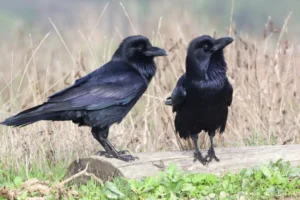
Unlike rats, which are naturally suspicious of new food sources, crows are bold and curious. If they see something interesting, they’ll check it out and often try eating it.
Crows are also scavengers. Even if they don’t eat poison blocks directly, they’ll eat dead rats that have been poisoned. This is actually the most common way crows get poisoned by rodenticides.
How Rat Poison Affects Crows
Modern rat poisons contain anticoagulants like brodifacoum or bromadiolone. These chemicals prevent blood from clotting properly.
When a crow eats rat poison (either directly or by eating a poisoned rat), the poison builds up in its system over several days. The crow doesn’t die immediately.
After a few days, the crow starts bleeding internally. This causes weakness, difficulty flying, and eventually death. The whole process usually takes 3 to 7 days.
Crows Eating Poisoned Rats
The bigger problem isn’t crows eating poison blocks directly. It’s crows eating rats that have already been poisoned.
Crows are excellent at finding dead animals. When a rat dies from poison, a crow will often find it and eat it before you even know the rat is there.
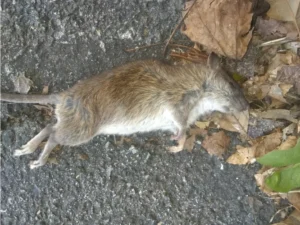
The poison in the dead rat’s body is still active. When the crow eats the rat, it’s essentially eating a concentrated dose of rat poison.
Why Crows Are So Vulnerable to Secondary Poisoning
Crows are particularly at risk for secondary poisoning because of how they eat. They don’t just nibble at a dead rat, they consume large portions of it.
A single poisoned rat can contain enough anticoagulant to kill multiple crows. If a group of crows finds a dead rat, several birds might be poisoned at once.
Crows also feed their young. If an adult crow eats a poisoned rat and then feeds pieces of it to baby crows, the babies will die. Crow chicks are even more sensitive to poison than adults.
The Intelligence Factor
Here’s something interesting about crows and poison. Crows are among the smartest birds on the planet, and they can learn from experience.
If a crow eats rat poison and gets sick but doesn’t die, it will remember that experience. It might even warn other crows in its group about the danger.
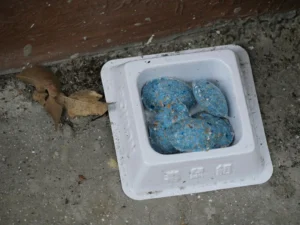
However, this learned behavior only helps if the crow survives the first poisoning. With modern rat poisons being so potent, most crows don’t get a second chance.
Legal Issues with Poisoning Crows
In the United States, crows are protected under the Migratory Bird Treaty Act. This makes it illegal to kill them without a permit, even if they’re being a nuisance.
Some states allow limited crow hunting during specific seasons, but poison is never an approved method. Using rat poison to intentionally kill crows can result in serious fines.
Even if you’re using rat poison for rats and crows are accidentally killed, you could still face legal problems if authorities determine you didn’t take proper precautions.
The Ecological Importance of Crows
Before you even think about using poison on crows, you should know that they’re actually beneficial to have around in many ways.
Crows eat huge amounts of insects, including many garden pests. They also clean up carrion (dead animals) that would otherwise rot and attract flies and disease.
Crows even eat ticks. Studies show that areas with healthy crow populations have fewer ticks, which means less Lyme disease risk for humans.
What Happens When You Poison Crows?
If rat poison kills crows in your area, the consequences ripple outward in ways you might not expect.
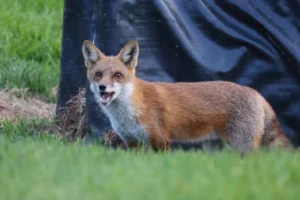
First, other animals will eat the dead crows. Hawks, owls, foxes, and even domestic cats and dogs will scavenge crow carcasses. All of these animals can be poisoned too.
Second, you’re removing a natural pest controller from your property. Those crows were eating insects and small rodents. Without them, you might actually end up with more pest problems.
Third, crows have long memories and complex social structures. If crows in your area learn that your property is dangerous, they might avoid it, which sounds good until you realize they’re no longer there to eat pests.
Signs of Poisoned Crows
If you use rat poison and start seeing crows acting strangely, they’ve likely been poisoned. Poisoned crows often sit on the ground and don’t fly away when approached.
You might see blood around the crow’s beak or eyes. The crow might also have blood in its droppings or be coughing up blood.
Poisoned crows become very lethargic. They’ll sit in one spot for hours, looking weak and uncoordinated. Eventually, they won’t be able to stand at all.
Better Ways to Deal with Problem Crows
If crows are causing problems on your property, there are much better solutions than poison.
Remove food sources. If you’re feeding pets outside, bring the food bowls in when pets are done eating. Secure your trash cans with tight-fitting lids.
Use visual deterrents. Hang reflective tape or old CDs in areas where crows gather. The light and movement will make them uncomfortable.
Make noise. Crows don’t like loud, unpredictable sounds. Motion-activated noise makers can help keep them away from specific areas.
The Problem with “Accidental” Crow Poisoning
Some people claim they’re not trying to poison crows, but they use rat poison anyway and crows just happen to eat it. This argument doesn’t hold up legally or ethically.
If you know that putting out rat poison will likely result in crow deaths (and now you do), then those deaths aren’t really accidental anymore.
Courts and wildlife agencies are increasingly taking this view. If you use methods that predictably harm protected wildlife, you can be held responsible.
Using Rat Poison Safely Around Crows
If you absolutely must use rat poison, there are ways to reduce (but not eliminate) the risk to crows.
Use tamper-resistant bait stations that crows can’t open. These are heavy-duty boxes with small openings that only rodents can enter.
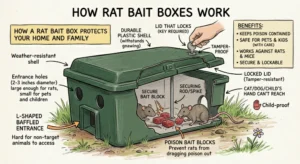
Place bait stations inside buildings like sheds or garages rather than outside. Crows are less likely to encounter the poison if it’s not in open areas.
Check stations daily and remove dead rats immediately. Don’t let poisoned rat carcasses lie around where crows can find and eat them.
What to Do If You Poison Crows Accidentally
If you find dead or dying crows on your property and you’ve been using rat poison, remove all the poison immediately.
Contact a wildlife rehabilitator about any sick crows. They can provide vitamin K treatment, which is the antidote for anticoagulant poisoning.
Report the incident to your state wildlife agency. They need to track these poisoning events to understand the scope of the problem and develop better regulations.
The Bigger Picture on Rat Poison and Wildlife
Rat poison isn’t just killing crows. It’s killing hawks, owls, foxes, bobcats, and even mountain lions in some areas.
Studies across North America show that the vast majority of wild predators have rat poison in their systems. This is causing population declines in species we depend on for natural pest control.
When you use rat poison, you’re not just dealing with your local rat problem. You’re contributing to a much larger environmental issue.
Conclusion
Rat poison will definitely kill crows, both when they eat poison blocks directly and when they eat poisoned rats. The anticoagulants work just as well on crows as they do on rodents.
But poisoning crows is illegal, harmful to the ecosystem, and creates secondary poisoning risks for many other animals. Crows are protected by federal law and play important roles in pest control.
If you’re dealing with both rats and crows, use poison-free methods like snap traps for rats and deterrents for crows. This keeps you legal and protects the wildlife that actually helps keep your property pest-free.

Hi, my name is Ezra Mushala, i have been interested animals all my life. I am the main author and editor here at snakeinformer.com.