
If you’re using rat poison in your home or workplace, you might wonder about breathing it in. Maybe you’ve seen dust coming off poison pellets, or you’re worried about poison particles floating in the air. Can rat poison actually become airborne and get into your lungs?
Most rat poisons don’t become airborne under normal use. The pellets, blocks, and baits are designed to stay solid. However, some types can create dust when handled, and a few rat poisons (like zinc phosphide) release toxic gas. But typical anticoagulant poisons won’t float through the air.
The way rat poison is made usually keeps it from becoming a breathing hazard. But there are some situations where you need to be careful about inhaling poison or toxic fumes.
How Rat Poison Is Designed to Stay Solid
Rat poison manufacturers design their products to stay in one place. They don’t want poison spreading around or becoming airborne because that would be dangerous and ineffective.
Most modern rat poisons come as solid blocks, pellets, or paste baits. These are made with binding agents that hold everything together. The poison is mixed into grains, wax, or other solid materials.
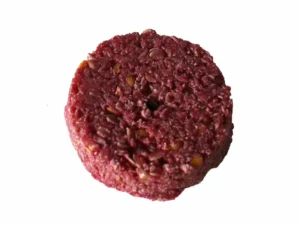
Bait blocks are pressed and formed under high pressure. This creates a hard, dense product that doesn’t crumble easily. You’d have to really work at it to break these blocks into powder.
Pellet baits are extruded, which means they’re pushed through a machine that forms them into small, uniform pieces. These pellets are solid all the way through and don’t create dust under normal handling.
Paste baits have a thick, sticky consistency. They’re designed to stick to surfaces and stay where you put them. They definitely won’t become airborne.
The active ingredient (the actual poison chemical) is mixed throughout the bait material. It’s not sitting on the surface where it could easily rub off or float away.
When rats eat the poison, they’re eating the whole bait, including all the binding materials. The poison doesn’t separate out and become airborne during this process.
This solid design is intentional. Manufacturers want the poison to stay exactly where you put it, both for effectiveness and for safety.
When Dust Might Form from Rat Poison
Even though rat poison is designed to stay solid, dust can form in certain situations. This is more about the bait material than the active poison itself.
Old poison that’s been sitting for years might dry out and become crumbly. As it ages, the binding agents can break down. When you handle old, dry poison, it might produce some dust.
If you drop a box of rat poison pellets, they might break apart a bit. Especially on a hard surface like concrete, some pellets could shatter and create dust.
Crushing or grinding rat poison would definitely create dust. But there’s no reason anyone should be doing this. If you’re breaking up poison on purpose, you’re using it wrong.
Sweeping up spilled poison with a broom can kick up dust. The sweeping motion sends small particles into the air. This is one reason you should pick up spills carefully instead of sweeping.
Some cheaper or older formulations might be dustier than modern products. Quality control has improved over the years, so newer poison products generally produce less dust.
The dust you see is usually the bait material (grains, wax, filler) rather than pure poison. But that bait material does contain poison, so you still don’t want to breathe it.
Even when dust forms, the amount of actual poison in the air is usually very small. Most of what you’d breathe in is the carrier material, not concentrated poison.
Zinc Phosphide: The Rat Poison That Produces Gas
Zinc phosphide is different from anticoagulant rat poisons. It doesn’t thin blood. Instead, it reacts with moisture and stomach acid to create a toxic gas called phosphine.
When a rat eats zinc phosphide bait, the poison reacts with acid and water in the rat’s stomach. This chemical reaction produces phosphine gas, which is what actually kills the rat.
Phosphine is extremely toxic. It affects the nervous system, heart, lungs, and other organs. Rats die within hours of eating zinc phosphide poison.
The concerning thing about zinc phosphide is that it can produce phosphine gas even outside an animal’s stomach. If the poison gets wet or is exposed to high humidity, it can release gas.
This gas is heavier than air, so it tends to sink and accumulate in low areas. If you’ve placed zinc phosphide poison in a crawlspace or basement, gas could build up there.
The gas has a distinctive smell, often described as smelling like garlic, fish, or decaying cabbage. If you smell this near zinc phosphide bait, it means gas is being released.
Breathing phosphine gas is dangerous. Even small amounts can cause headaches, dizziness, nausea, and breathing problems. Larger exposures can be fatal.
Zinc phosphide isn’t used as much as anticoagulant poisons, partly because of this gas issue. It’s still available, but you’re more likely to encounter anticoagulant poisons in stores.
If you’re using zinc phosphide, place it in well-ventilated areas. Never use it in enclosed spaces where gas could build up. Always follow label directions carefully.
Can You Breathe in Anticoagulant Rat Poison?
Anticoagulant poisons like brodifacoum, bromadiolone, and warfarin don’t create gas or easily become airborne. But that doesn’t mean you can’t inhale them at all.
If you create dust by handling old, dry poison, you could breathe in small particles. These particles would contain tiny amounts of anticoagulant along with the bait material.
The amount you’d inhale from normal handling is very small. You’d have to breathe in a lot of dust to get a significant dose of poison.
Anticoagulants are designed to work when eaten, not when breathed in. Your lungs can absorb some chemicals, but they’re not as efficient as your digestive system for absorbing poison.
Still, breathing poison dust isn’t safe. Even small amounts getting into your lungs can cause irritation. And if you breathe it regularly over time, the poison could build up in your body.
People who work with rat poison professionally (pest control workers, warehouse staff) are at higher risk. They handle poison more often and might be exposed to dust repeatedly.
Professional pest control workers are supposed to wear masks when handling poison in situations that might create dust. This protects them from breathing in any particles.
For homeowners using poison occasionally, the risk of breathing in harmful amounts is very low. But it’s still smart to be careful and avoid creating dust when you handle it.
How to Handle Rat Poison Safely
Proper handling keeps you from being exposed to poison dust or fumes. Following basic safety rules makes using rat poison much safer.
Always read the product label before using any rat poison. The label tells you specific safety precautions for that particular product.
Wear gloves when handling rat poison. Disposable nitrile or latex gloves work fine. This keeps poison off your hands and prevents you from accidentally getting it on food or in your mouth.
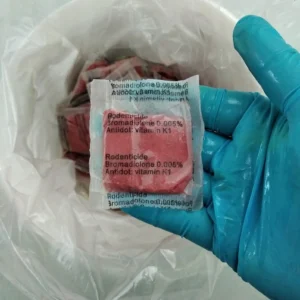
If you’re handling old, crumbly poison that might create dust, wear a dust mask. A simple N95 mask is fine for occasional use. This keeps you from breathing in any particles.
Handle poison gently. Don’t drop boxes or throw pellets around. Careful handling prevents dust from forming in the first place.
Use bait stations whenever possible. These are locked boxes that hold the poison. You can place poison inside without touching it much, and the enclosed design prevents dust.
Don’t eat, drink, or smoke while handling rat poison. You don’t want to transfer poison from your hands to your mouth.
Wash your hands thoroughly after handling rat poison. Use soap and warm water, scrubbing for at least 20 seconds. This removes any poison residue from your skin.
Keep rat poison in its original container with the label. Never transfer it to food containers or unlabeled boxes. You need to know what the product is and have access to safety information.
Store poison in a cool, dry place. This prevents it from breaking down and becoming dusty. A locked cabinet away from heat sources is ideal.
Ventilation When Using Rat Poison Indoors
If you’re placing rat poison inside buildings, good ventilation helps prevent any buildup of fumes or dust. This is especially important for zinc phosphide products.
Open windows and doors when placing poison. This creates airflow that carries away any dust you might create during handling.
Don’t use zinc phosphide poison in poorly ventilated areas. Crawlspaces, small closets, and sealed rooms are risky. If gas builds up, it could reach dangerous levels.
Anticoagulant poisons don’t require special ventilation since they don’t produce gas. But fresh air is still a good idea when you’re working with any pesticide.
If you must place poison in an enclosed area, don’t seal it completely. Leave some air gaps so any dust or fumes can escape. Obviously the gaps should be small enough that rats can’t escape.
After placing poison, leave the area for a while. Don’t hang around breathing air in a space where you just scattered poison. Give any dust time to settle.
If you’re treating a large area, like an entire attic or basement, consider using a fan to improve air circulation. This keeps air moving and prevents any accumulation of dust or fumes.
For buildings with poor ventilation, traps might be a better choice than poison. You won’t have to worry about air quality if you’re not using toxic chemicals.
Protecting Pets and Kids from Airborne Poison
Even though rat poison rarely becomes truly airborne, you still need to protect kids and pets from exposure when you’re using it.
Keep kids and pets out of the area while you’re placing poison. If you’re putting bait in a garage or basement, close the door and keep everyone out until you’re done.
Let dust settle before allowing access. If you did create any dust (like by spilling poison), wait 30 minutes to an hour before letting kids or pets into that area.
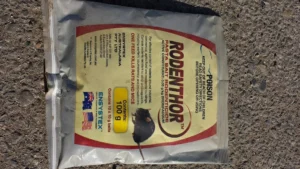
Clean up spills immediately. Use a damp paper towel to pick up poison carefully. Don’t sweep it, as sweeping spreads dust around.
If you spilled a lot of poison, consider using a vacuum with a HEPA filter to clean it up. Regular vacuums might blow dust back into the air. Dispose of the vacuum bag immediately after.
Don’t place poison in areas where kids play or pets spend time. Even if the poison doesn’t become airborne, they could touch it and then put their hands or paws in their mouths.
Bait stations are essential if you have kids or pets. The poison stays locked inside where nobody can touch it. This eliminates any chance of dust exposure.
Teach kids never to touch anything labeled as poison or pesticide. Even older kids who can read should know to leave these products completely alone.
Professional Pest Control and Airborne Poison
Professional pest control workers handle rat poison more often than homeowners. They have stricter safety requirements to protect themselves.
OSHA (Occupational Safety and Health Administration) has regulations about pesticide handling. Professional applicators must follow these rules.
Pest control workers often wear protective equipment. Gloves are standard. Masks or respirators might be required depending on the product and application method.
In commercial settings like warehouses or grain storage facilities, large amounts of poison might be used. Workers in these settings need more protection than someone using a box of poison at home.
Professional-grade rat poisons sometimes come in formulations not available to consumers. These might include concentrated products that need to be diluted or mixed. These could create more dust or fumes.
Fumigation is different from rat poison. Fumigation uses gas to kill pests and is only done by specially licensed professionals. The building is sealed and filled with toxic gas, then ventilated before people can enter.
Fumigation is much more dangerous than rat poison and requires extensive training and safety equipment. Regular rat poison (even zinc phosphide) doesn’t come close to the risks of fumigation.
If you hire a pest control company, ask about their safety practices. Reputable companies will explain what products they use and what precautions they take.
Conclusion
Most rat poisons don’t become airborne under normal use. Anticoagulant poisons are designed as solid pellets or blocks that stay where you put them.
Dust can form if you handle old, dry poison roughly, but the amount of poison in that dust is usually very small. The risk of breathing in harmful amounts is low for homeowners using poison occasionally.
Zinc phosphide is the exception. This type of rat poison can release toxic phosphine gas when it gets wet. If you use zinc phosphide, make sure you have good ventilation and never use it in enclosed spaces.
For safe handling, wear gloves, avoid creating dust, and wash your hands after touching rat poison. Use bait stations to keep poison contained and reduce any chance of exposure.
If you’re worried about air quality or fumes, consider using traps instead of poison. Traps work well and don’t involve any chemicals that could get into the air you breathe.

Hi, my name is Ezra Mushala, i have been interested animals all my life. I am the main author and editor here at snakeinformer.com.