
You left rat poison in what you thought was a safe spot, but somehow your dog got into it. Maybe you found torn-up bait blocks, or maybe you saw blue or green residue around your dog’s mouth.
Now you’re panicking and trying to figure out what happened. Why did my dog eat rat poison?
Dogs eat rat poison because it’s designed to smell and taste like food. Manufacturers add scents like peanut butter, fish oil, or grains to attract rodents, but these same smells also attract dogs. Dogs aren’t picky eaters and will eat things that smell remotely like food, even if it’s toxic.
Your dog didn’t eat poison because something’s wrong with them. They ate it because it smelled good and they’re a dog. Now you need to act fast.
Rat Poison Is Designed to Smell Like Food
Rat poison manufacturers go out of their way to make their products smell appealing.
They add scents like peanut butter, vanilla, chocolate, fish oil, molasses, and grain-based smells. The goal is to make rats want to eat the poison.
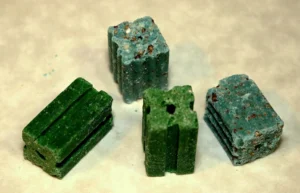
But dogs have incredibly sensitive noses, and they’re attracted to the exact same smells. A block of rat poison that smells like peanut butter is basically dog crack.
Your dog can smell it from across the room or even through a closed bait station.
Dogs also aren’t great at distinguishing between food and non-food based on smell alone. If it smells good, they’ll eat it. That’s just how dogs are wired.
Dogs Are Scavengers by Nature
Dogs evolved as scavengers. Their ancestors survived by eating whatever they could find, including things that were rotting, stale, or not particularly fresh.
This means modern dogs will eat almost anything that vaguely resembles food.
Your dog doesn’t think, “This is rat poison, I shouldn’t eat it.” They think, “This smells like food, I’m eating it.” They don’t have the cognitive ability to recognize danger from unfamiliar foods the way rats do.
Rats have a survival instinct called neophobia that makes them suspicious of new foods. Dogs don’t. If it’s accessible and smells interesting, a dog will eat it.
The Bright Colors Don’t Stop Dogs
Rat poison is usually bright blue, green, or red to warn humans that it’s toxic. These colors are supposed to make the poison visually obvious so people don’t mistake it for food.
But dogs don’t see color the same way humans do. They have limited color vision and can’t distinguish between red and green very well.
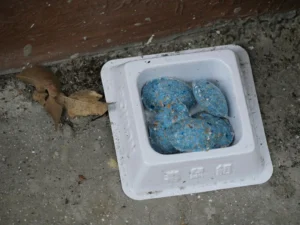
Blue and green rat poison doesn’t look “weird” or “unnatural” to a dog. It just looks like food.
The color might actually make the poison more interesting to some dogs because it’s visually different from their normal surroundings.
Dogs Don’t Taste Bitter the Way Humans Do
Some rat poisons have bittering agents added to make them taste bad to humans and pets. The idea is that a dog will take one bite, taste how awful it is, and spit it out.
This doesn’t always work. Dogs have fewer taste buds than humans and aren’t as sensitive to bitter flavors.
A bittering agent that would make you immediately spit something out might not bother a dog at all.
Some dogs will eat the entire block of poison even if it tastes bad, especially if they’re really hungry or highly food-motivated.
Your Dog Was Hungry or Bored
A dog that’s well-fed and stimulated is less likely to go searching for random things to eat. A dog that’s hungry, bored, or anxious is much more likely to get into trouble.
If your dog hasn’t been fed recently, they’re going to be more interested in anything that smells like food, including rat poison.
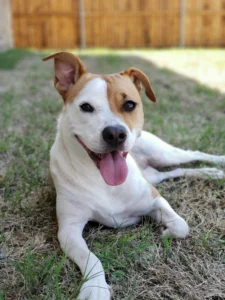
Boredom is another major factor. Dogs left alone for long periods will chew on and eat things they normally wouldn’t just because they have nothing else to do.
Anxiety can also drive dogs to eat strange things. Some dogs cope with stress by eating, even if what they’re eating isn’t food.
Your Dog May Have Found It When You Weren’t Watching
A lot of rodenticide exposures happen when nobody actually sees the dog eat the bait.
You might simply notice that a block is missing, find pieces of bait on the floor, or discover that a package has been chewed open.
This can make it difficult to know exactly when the exposure happened or how much your dog swallowed. Don’t assume the exposure was minor just because you didn’t see your dog eat very much.
In some cases, the first clue is a change in the amount of bait rather than a change in the dog’s behavior.
That’s why it’s important to take missing bait seriously, even when your dog still looks completely normal.
The Poison Wasn’t Secured Properly
Even if you thought the rat poison was in a safe spot, dogs are determined and clever when food is involved.
They’ll knock over boxes, pull things off shelves, chew through bags, and break into supposedly “dog-proof” bait stations.
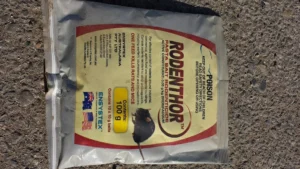
If the poison was just sitting on the floor or on a low shelf, your dog could reach it easily. Even if it was in a bait station, some dogs can figure out how to break into them or tip them over and shake the poison out.
Young dogs and puppies are especially prone to this because they explore the world with their mouths. They’ll chew on anything, including things that are toxic.
Some Breeds Are More Food-Motivated Than Others
Certain dog breeds are notorious for eating anything and everything. Labrador Retrievers, Beagles, Basset Hounds, Golden Retrievers, and many terrier breeds are extremely food-motivated and will eat things they shouldn’t.
These breeds have been bred to have strong appetites and high food drive, which makes them great working dogs but also makes them more likely to get into rat poison.
If you have one of these breeds, you have to be extra careful about where you place poison and how you store it.
Your Dog Found Poisoned Rat or Bait Outside
Your dog might not have eaten poison directly from a bait station. They might’ve found a dead or dying rat that had eaten poison, or they might’ve found bait that was scattered outside by someone else.
Dogs will eat dead animals they find, and if that animal recently consumed rat poison, the poison is still in its system.
This is called secondary poisoning, and it’s a real risk, especially with anticoagulant poisons.
If you live in an area where neighbors use rat poison outside, or if you have a pest control service that places bait around your property, your dog could find that bait and eat it.
What to Do If Your Dog Ate Rat Poison
If you know or even suspect your dog ate rat poison, this is an emergency. Don’t wait for symptoms. Call your vet or an emergency animal hospital immediately.
If possible, bring the poison packaging with you. The vet needs to know what type of poison your dog ate (anticoagulant, cholecalciferol, bromethalin, etc.) and how much they might’ve consumed.
The vet will likely induce vomiting if the poison was eaten within the last hour or two. They’ll also give activated charcoal to absorb any poison still in the digestive system.
Blood tests will be done to check clotting factors (for anticoagulant poisons) or calcium levels (for cholecalciferol poisons). Treatment depends on the type of poison.
For anticoagulant poisoning, the treatment is vitamin K1, which reverses the effects of the poison. Your dog might need to take vitamin K for several weeks.
For cholecalciferol or bromethalin poisoning, there’s no antidote. Treatment is supportive and focuses on preventing organ damage.
What Information Should You Give the Vet?
The more information you can give the vet, the easier it is for them to work out what happened.
Tell them what product your dog may have eaten, when you think the exposure happened, and whether any bait is missing.
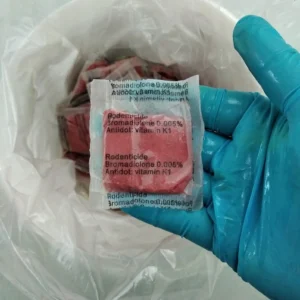
Bring the original package or take a clear picture of the label if you can do so safely.
The active ingredient is especially important because the color and appearance of the bait cannot reliably identify the poison.
Also tell the vet your dog’s approximate size and whether they have shown any unusual behavior or symptoms.
Even if you’re unsure about some of the details, give the vet everything you know rather than trying to work out the exact amount yourself.
How to Prevent Your Dog from Eating Rat Poison Again
The best way to protect your dog is to never use rat poison where they can access it. If you have to use poison, put it in tamper-resistant bait stations and place those stations where your dog absolutely cannot reach them.
Better yet, use alternatives to poison. Snap traps, electronic traps, and exclusion methods (sealing entry points) work without the risk of poisoning your dog.
If you have to use poison, place it in areas your dog never goes. High shelves, locked sheds, or fenced-off areas work. Never leave poison on the floor or anywhere a dog could reach.
Also, talk to your neighbors. If they’re using rat poison in their yards and your dog has access to those areas, ask them to use tamper-resistant bait stations or switch to non-poison methods.
Signs Your Dog Ate Rat Poison
Symptoms vary depending on the type of poison, but common signs include:
For anticoagulant poisons: weakness, pale gums, coughing up blood, blood in urine or stool, bruising, difficulty breathing, collapse. Symptoms might not show up for 2 to 5 days.

For cholecalciferol poisons: excessive thirst, excessive urination, vomiting, loss of appetite, weakness, bad breath, seizures. Symptoms usually appear within 12 to 36 hours.
For bromethalin poisons: tremors, seizures, loss of coordination, paralysis, hyperexcitability. Symptoms can appear within hours.
If you see any of these signs and your dog had access to rat poison, get to a vet immediately.
A Dog Can Look Fine After Eating Rat Poison
One of the most dangerous things about rat poison is that serious poisoning isn’t always obvious right away. A dog can eat bait and continue acting completely normal while the poison is already affecting the body.
Anticoagulant poisoning is a good example. Problems with blood clotting generally develop over the following days rather than immediately after the bait is swallowed.
Other poisons can produce signs sooner, while some effects can take a day or more to become obvious.
So don’t use your dog’s current behavior as a test for whether the exposure was serious
A dog that is playing, eating, and acting normally can still need immediate veterinary attention after a known or suspected exposure.
Why This Keeps Happening to Dogs
Thousands of dogs are poisoned by rat poison every year. It’s one of the most common pet poisoning emergencies. The reason it keeps happening is simple: rat poison is everywhere, and dogs are dogs.
People underestimate how attractive rat poison smells to dogs. They also overestimate how secure their bait stations are and how careful their dogs will be.
The only way to truly prevent this is to not use poison at all, or to use it in ways and places where dogs absolutely cannot access it.
Why You Shouldn’t Try to Figure It Out at Home
Trying to work out whether your dog ate enough poison to become sick can give you false reassurance.
The type of active ingredient, the amount consumed, the dog’s size, and the time since exposure all matter.
Even if only part of a bait block is missing, you may not know how much your dog actually swallowed.
The safest approach is to treat a suspected exposure seriously and let a veterinarian determine the risk based on the product and your dog’s circumstances.
The good news is that many poisoning cases can be managed successfully when treatment starts early. The important thing is not to wait until your dog becomes visibly sick before getting professional help.
Conclusion
Your dog ate rat poison because it smelled like food, and dogs will eat anything that smells good. Rat poison is designed to attract rodents with scents like peanut butter and grains, but those same scents attract dogs.
Dogs don’t have the instincts rats do to avoid unfamiliar foods, and they can’t recognize poison as dangerous. If your dog ate rat poison, you need to get to a vet immediately.
Don’t wait for symptoms. Treatment is most effective when it starts right away. To prevent this from happening again, never use rat poison where your dog can reach it, or better yet, switch to non-poison methods like traps.
This happens to thousands of dogs every year, and the only way to protect your dog is to be extremely careful about where and how you use poison.
Sources:
Anticoagulant Rodenticide Poisoning in Animals: https://www.msdvetmanual.com/toxicology/rodenticide-poisoning/anticoagulant-rodenticide-poisoning-in-animals
Anticoagulant Rodenticide Scientific Review Final Report: https://www.mass.gov/doc/anticoagulant-rodenticides-scientific-review-final-report/download (PDF)
Rodenticide Poisoning:https://www.merckvetmanual.com/special-pet-topics/poisoning/rodenticide-poisoning
Rat Poison Toxicity in Dogs: An Emergency Guide. https://www.gsvs.org/staten-island-ny/blog/rat-poison-toxicity-dogs-emergency-guide/
Anticoagulant Rodenticide Poisoning in Dogs: https://vcahospitals.com/know-your-pet/rodenticide-warfarin-poisoning-in-dogs

Hi, my name is Ezra Mushala, i have been interested animals all my life. I am the main author and editor here at snakeinformer.com.