
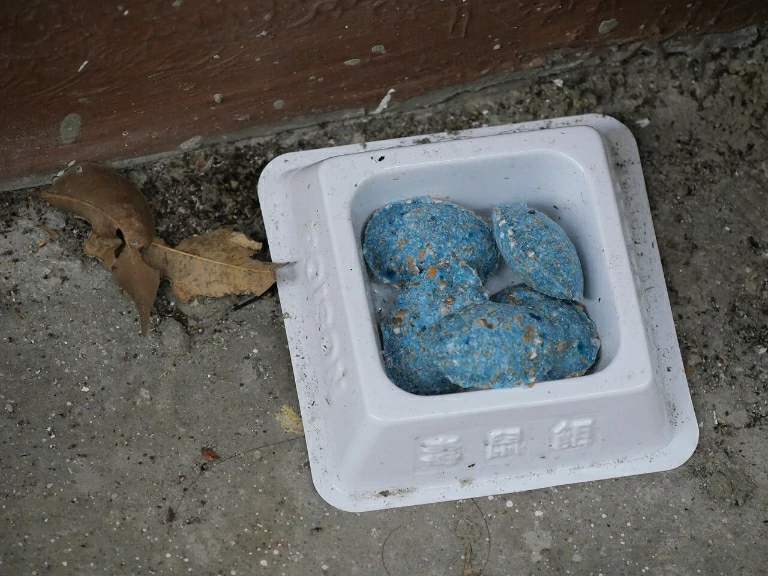
If you’ve looked at the ingredient list on a box of rat poison, you might’ve seen cholecalciferol listed as an active ingredient. It sounds like a complicated chemical, but it’s actually something your body needs to stay healthy.
Cholecalciferol is just the scientific name for vitamin D3. So why is cholecalciferol in rat poison if it’s something humans take as a supplement?
Cholecalciferol is in rat poison because it kills rats when they consume high doses. While small amounts of vitamin D3 are healthy for humans, rats can’t handle large quantities. It causes calcium levels in their blood to spike dangerously high, leading to kidney failure, heart problems, and death.
This makes cholecalciferol an effective poison for rats while being less immediately dangerous to pets and humans in small accidental exposures.
It’s become a popular alternative to traditional blood-thinning poisons.
How Cholecalciferol Works as a Poison
When a rat eats poison containing cholecalciferol, the vitamin D3 gets absorbed into its bloodstream.
Vitamin D3 helps the body absorb calcium from food, which is normally a good thing. But in toxic doses, it causes way too much calcium to flood the bloodstream.
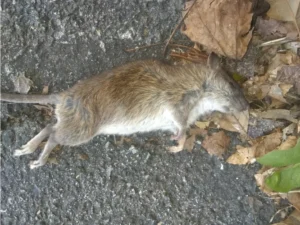
This condition is called hypercalcemia, and it’s deadly for rats. The excess calcium starts building up in their kidneys, heart, blood vessels, and other organs.
This leads to kidney failure, calcification of soft tissues, and heart problems.
Rats usually die within 2 to 4 days after eating a lethal dose of cholecalciferol. It’s not as fast as some other poisons, but it’s very effective once the damage starts.
Why the Effects Take Time to Appear
Cholecalciferol poisoning does not usually produce dramatic symptoms immediately after the bait is eaten.
The body first has to absorb the vitamin D3 and convert it into active forms before calcium regulation becomes severely disrupted.
That delay can make the poisoning difficult to recognize at first. A rat may continue behaving normally even though the process that will eventually cause organ damage has already begun.
The timing can also vary depending on how much bait was consumed and how quickly it was absorbed.
A larger exposure can produce more severe effects, while smaller exposures may take longer to cause obvious illness.
Why Did Manufacturers Switched to Cholecalciferol?
For decades, most rat poisons used anticoagulants (chemicals that stop blood from clotting). These worked well, but rats in many areas developed resistance to them.
You’d put out poison, and the rats would eat it without dying.
Cholecalciferol offered a solution. Rats couldn’t develop resistance to it the same way because it works through a completely different mechanism.
It doesn’t stop blood clotting. It messes up calcium regulation instead.
Another reason for the switch is that cholecalciferol poisons are considered slightly safer for non-target animals.
If a dog eats a small amount, it’s serious but often treatable. With anticoagulants, even a small amount can cause life-threatening bleeding.
Is Cholecalciferol Really Safer for Pets?
“Safer” is a relative term here. Cholecalciferol rat poison is still extremely dangerous to dogs and cats. It’s just that if a pet eats a small amount, there’s a slightly better chance of survival with quick treatment compared to some anticoagulant poisons.
The problem is, cholecalciferol poisoning is harder to treat once it starts. There’s no antidote like there is for anticoagulant poisons (which can be treated with vitamin K).
Once the calcium levels spike and organs start failing, treatment becomes complicated and expensive.
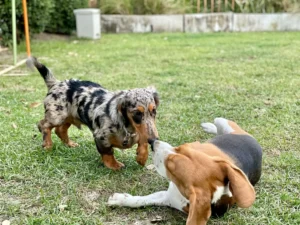
Dogs seem to be especially vulnerable to cholecalciferol poisoning. Even a relatively small amount can cause serious problems. Cats are also at risk, though they’re less likely to eat rat poison in the first place.
What Makes Cholecalciferol Deadly to Rats But Not Humans?
The difference is in the dose. Humans take vitamin D3 supplements in amounts measured in micrograms or small milligrams.
A typical supplement might contain 1,000 to 5,000 IU (international units) of vitamin D3.
Rat poison contains cholecalciferol in concentrations that are hundreds or thousands of times higher.
A single block of rat poison might contain enough cholecalciferol to equal months or years worth of human vitamin D supplements.
If a human accidentally ingested a small piece of rat poison, they’d consume way more vitamin D3 than their body can handle safely.
But it would still take a lot more to kill an adult human than it takes to kill a rat, simply because humans are much larger.
How Much Cholecalciferol Is Lethal to Rats?
The lethal dose of cholecalciferol for rats is around 10 to 20 milligrams per kilogram of body weight. Since an average rat weighs about 200 to 500 grams, it doesn’t take much poison to reach a lethal dose.
Most cholecalciferol rat poisons are formulated so that a rat only needs to eat a small amount over a few days to consume enough to die.
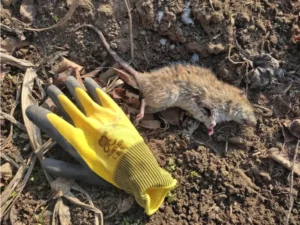
The poison is designed to be palatable so rats will keep coming back for more.
Rats don’t die immediately after eating cholecalciferol. They’ll continue to eat the bait for several days before symptoms start to show. By then, they’ve usually consumed more than enough to be fatal.
Signs a Rat Has Been Poisoned with Cholecalciferol
You won’t see immediate effects when a rat eats cholecalciferol poison. For the first day or two, the rat will seem normal. It’ll continue eating, drinking, and moving around.
After about 24 to 48 hours, the rat will start to show signs of illness. It might become lethargic, stop eating, and drink more water than usual (because the kidneys are failing and the body is trying to flush out excess calcium).
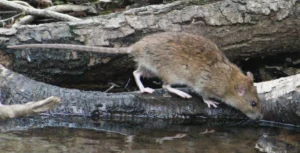
Eventually, the rat will become weak, have trouble breathing, and die. You might find dead rats in hidden areas of your home or outside near where you placed the poison.
Why Cholecalciferol Doesn’t Cause Secondary Poisoning as Easily
One advantage of cholecalciferol over some other rat poisons is that it’s less likely to cause secondary poisoning. This is when a predator (like a hawk, owl, or cat) eats a poisoned rat and gets sick from the poison in the rat’s body.
Cholecalciferol breaks down more quickly in a rat’s system compared to anticoagulants, which can persist for weeks.
By the time a predator eats a rat that died from cholecalciferol poisoning, much of the poison has already been metabolized.
This doesn’t mean there’s zero risk. A dog or cat that eats a freshly poisoned rat can still get sick. But the risk is lower than with long-lasting anticoagulants.
What to Do If Your Pet Eats Cholecalciferol Rat Poison
If you even suspect your dog or cat ate rat poison containing cholecalciferol, you need to get them to a vet immediately. Don’t wait for symptoms to appear.
By the time symptoms show up, serious organ damage might already be happening.
Bring the poison packaging with you if possible. The vet needs to know exactly what your pet ingested and how much.

Treatment will likely involve making your pet vomit (if it’s been less than an hour or two), giving activated charcoal to absorb the poison, and starting IV fluids.
Blood tests will be done to check calcium levels. If they’re elevated, your pet might need medications to bring calcium down and protect the kidneys. Treatment can take several days or even weeks.
Can Humans Be Poisoned by Cholecalciferol Rat Poison?
Yes, humans can absolutely be poisoned by cholecalciferol rat poison. Children are at the highest risk because they’re smaller and might accidentally eat poison that looks like food pellets or candy.
If a child eats rat poison containing cholecalciferol, call poison control immediately and get to an emergency room.
Treatment will involve preventing further absorption of the poison and monitoring calcium levels closely.
Adults can also be poisoned, though it’s less common. You’d have to ingest a significant amount to cause serious harm, but even small amounts can cause problems over time if exposure is repeated.
How Cholecalciferol Compares to Other Rat Poisons
Cholecalciferol is just one of several active ingredients used in modern rat poisons. Anticoagulants like bromadiolone, brodifacoum, and warfarin are still widely used. Each type has pros and cons.
Anticoagulants work by causing internal bleeding. They’re effective and there’s an antidote (vitamin K1). But many rat populations have developed resistance to them.
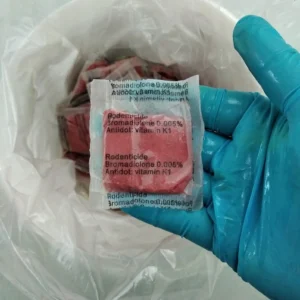
Cholecalciferol doesn’t have the resistance problem, and it’s less persistent in the environment. But it’s harder to treat in pets, and it can take longer to kill rats.
Some newer rat poisons combine cholecalciferol with anticoagulants to get the benefits of both. These combination poisons are highly effective but also extremely dangerous to non-target animals.
Why Some People Prefer Cholecalciferol-Free Rat Poison
Because cholecalciferol is so hard to treat in pets, some people specifically look for rat poisons that don’t contain it.
They prefer anticoagulant-based poisons because there’s an antidote available.
If you have pets at home, using bait stations is critical no matter what type of poison you choose. But if you’re extra concerned about accidental poisoning, you might want to stick with anticoagulant-based poisons and keep vitamin K1 on hand just in case.
Some people avoid poison altogether and use snap traps, electronic traps, or live traps instead. These methods eliminate the poisoning risk entirely.
How Long Does Cholecalciferol Stay Active in Poison Bait?
Cholecalciferol is a fairly stable compound, so it stays active in rat poison for a long time when stored properly. Most commercial rat poisons have a shelf life of 2 to 3 years if kept in a cool, dry place.
Once you place the poison out in your home or yard, it’ll remain effective for several weeks or even months, depending on environmental conditions.
Heat, moisture, and UV light can break down the cholecalciferol over time.
If the poison gets wet or sits in direct sunlight, it’ll lose potency faster. Check your bait regularly and replace it if it looks degraded or if rats aren’t eating it anymore.
Does Old Cholecalciferol Rat Poison Stop Working?
Not necessarily. Rat poison can become less effective as it gets old or is exposed to poor storage conditions, but that doesn’t mean it becomes harmless.
Heat, moisture, sunlight, and air can all affect the bait over time. The block may become hard, soft, crumbly, discolored, or otherwise different from when it was new.
Even if the bait looks old or rats aren’t interested in it anymore, you should still treat it as poisonous. Never assume that old rat poison is safe to touch or handle just because it doesn’t look fresh.
Cholecalciferol Poisoning Can Be Difficult to Recognize
One of the biggest problems with cholecalciferol poisoning is the delay between exposure and obvious illness.
An animal or person can look completely normal during the early stages, even while vitamin D3 is beginning to disrupt normal calcium regulation.
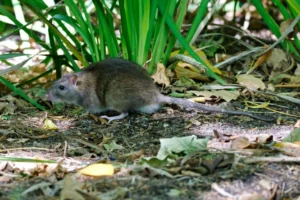
The symptoms that appear later are also not unique to cholecalciferol poisoning. Increased thirst, weakness, loss of appetite, vomiting, and changes in urination can have many different causes.
You can’t reliably identify the poison involved just by looking at the symptoms.
That is why the product label is so important after an accidental exposure.
Knowing that the bait contains cholecalciferol gives a veterinarian or medical professional a much clearer idea of what to monitor and how to treat the poisoning.
Conclusion
Cholecalciferol is in rat poison because it’s deadly to rats in high doses, even though it’s a vitamin humans need in small amounts.
The massive quantities in rat poison cause fatal calcium buildup in rats’ organs, leading to kidney failure and death. It’s become popular because rats can’t develop resistance to it like they did with older anticoagulant poisons.
But don’t be fooled by the fact that it’s “just vitamin D.” In the concentrations found in rat poison, cholecalciferol is extremely dangerous to pets and humans too.
If you use it, handle it with extreme care and always keep it out of reach of anyone who might accidentally ingest it.

Hi, my name is Ezra Mushala, i have been interested animals all my life. I am the main author and editor here at snakeinformer.com.