
When you’re dealing with a rat problem, you want results fast. You put out poison and start waiting, wondering when you’ll stop seeing signs of rats and when it’s safe to declare victory.
The Big Cheese is a popular brand of rat poison in the UK, and if you’re using it, you’re probably wondering how long until it actually kills the rats. How long does the Big Cheese rat poison take to work?
The Big Cheese rat poison typically takes 3-7 days to kill rats after they start eating the bait. Most Big Cheese products contain difenacoum, a second-generation anticoagulant that prevents blood clotting. Rats need to eat the poison multiple times over several days, and death occurs from internal bleeding 3-7 days after they’ve consumed enough for a lethal dose.
The timeline isn’t instant, and that’s actually by design. Rat poisons that work too quickly can create bait shyness, where surviving rats learn to avoid the poison.
The delayed action of anticoagulants like difenacoum ensures rats keep eating the bait until they’ve consumed a lethal amount, making the poison more effective at eliminating entire rat populations.
What’s in The Big Cheese Rat Poison?
The Big Cheese makes several rat control products, but their most common rat poisons contain difenacoum as the active ingredient.
Difenacoum is a second-generation anticoagulant rodenticide that’s more potent than older first-generation anticoagulants like warfarin.
The concentration of difenacoum in Big Cheese products is typically 0.005%, which is standard for consumer rodenticide products.
This seems like a tiny amount, but difenacoum is extremely potent and this concentration is enough to be lethal to rats when they eat the bait repeatedly.
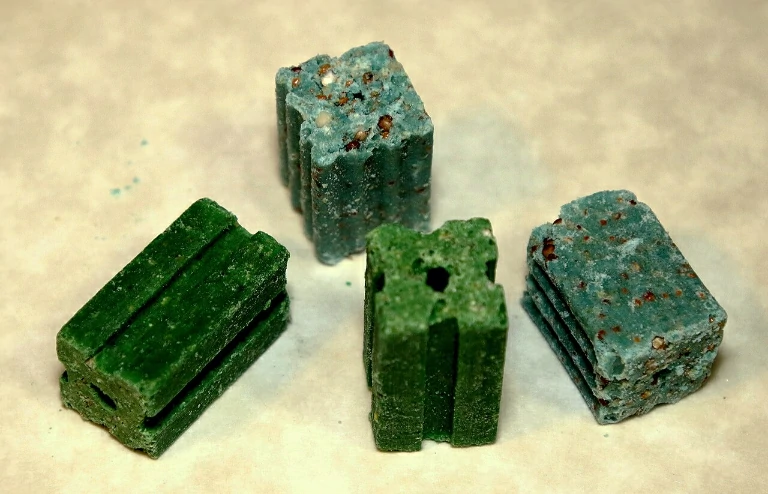
The poison comes in different forms including bait blocks, pasta sachets, and grain sachets. The different forms appeal to rats with different food preferences, and some work better in wet environments (blocks) while others work better in dry areas (grain).
The bait also contains food-based materials that make it attractive to rats. These might include grains, proteins, and flavor enhancers that encourage rats to eat the poison instead of other available food sources.
How Difenacoum Works to Kill Rats
Difenacoum prevents blood from clotting by blocking vitamin K epoxide reductase, an enzyme the body needs to recycle vitamin K. Without this enzyme, the rat can’t make the clotting factors needed to stop bleeding.
When a rat first eats difenacoum bait, nothing happens immediately. The rat’s body has existing stores of vitamin K and clotting factors that keep working for a while. The rat feels fine and continues its normal activities.
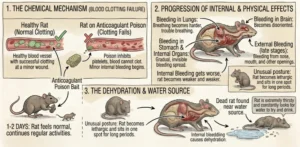
Over the next few days, as the rat keeps eating the bait, the vitamin K stores get depleted and existing clotting factors break down. Once these reserves are exhausted, the rat starts developing bleeding problems.
Tiny blood vessels throughout the rat’s body start leaking. Blood seeps into organs, muscles, body cavities, and eventually the brain. The rat becomes progressively weaker as internal bleeding continues.
Death usually occurs 3-7 days after the rat has consumed enough poison for a lethal dose. The exact timing depends on how much and how often the rat ate the bait, the rat’s size and health, and individual variation in sensitivity to the poison.
Why Rats Need Multiple Feedings
Unlike some acute poisons that kill after a single feeding, difenacoum requires rats to eat the bait multiple times over several days to accumulate a lethal dose. This is both a feature and a limitation of the product.
The requirement for multiple feedings means you need to keep fresh bait available for at least a week, probably two weeks. If rats eat all the bait in a few days and you don’t refill it, some rats might not consume enough to be killed.
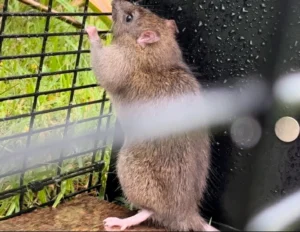
Rats are neophobic (afraid of new things) and often only take small amounts of new food at first. If the Big Cheese bait is new to them, they might nibble a little bit on day one, then come back for more on subsequent nights once they’re comfortable.
This gradual feeding pattern works well with difenacoum’s mechanism. The rat eats a little bit each night, accumulating poison in its system over several days. By the time symptoms appear, the rat has already consumed far more than a lethal dose.
Timeline From First Feeding to Death
Here’s the typical timeline when rats start eating The Big Cheese rat poison:
Day 1-2: Rat discovers the bait and starts eating small amounts. No symptoms appear. The rat feels completely normal and continues its regular activities.
Day 3-5: Rat continues eating the bait nightly. Vitamin K stores are being depleted but the rat still has no obvious symptoms. It might eat the bait less enthusiastically as stores decline, but it usually continues feeding.
Day 5-7: The rat has consumed a lethal dose. Internal bleeding starts but might not be obvious yet. The rat begins to slow down, becomes less active, might stop eating.
Day 7-10: Bleeding becomes severe. The rat is visibly weak, lethargic, and might be found in the open during daytime (unusual for rats). Death typically occurs during this period.
Day 10-14: Any rats that didn’t consume enough poison earlier might now reach lethal levels if they continued feeding. Secondary wave of deaths occurs.
This timeline assumes the rat started eating the bait on day 1. If the rat avoided the bait for the first week due to neophobia, add that time to the overall timeline.
What Factors Affect How Long It Takes?
Rat size matters. Larger rats need to consume more poison to reach a lethal dose, so they might take longer to die than smaller rats. An adult Norway rat (which can weigh over a pound) takes longer than a small roof rat or house mouse.
How much other food is available affects bait consumption. If rats have easy access to garbage, pet food, or other food sources, they might only nibble at the poison bait. This slows the accumulation of poison and extends the time to death.
Bait palatability influences how much rats eat. If the Big Cheese bait isn’t appealing to your particular rats (maybe they prefer different flavors or textures), they won’t eat enough of it quickly. Switching bait formulations sometimes helps.
Environmental factors like temperature and humidity can affect bait quality. Bait that gets wet or moldy becomes unpalatable. Bait exposed to extreme heat might degrade. Keep bait fresh and protected in bait stations.
Individual variation exists between rats. Some rats are more sensitive to difenacoum and die faster. Others might be slightly resistant (though difenacoum resistance is less common than warfarin resistance).
This variation means you’ll see deaths spread over several days, not all at once.
How to Tell If the Poison Is Working
The most obvious sign is that bait is being consumed. Check your bait stations every few days. If chunks are missing from blocks or sachets are being eaten, rats are feeding on the poison.
Bait consumption should decrease over time as rats die. In week one, you might need to refill bait frequently. By week two or three, consumption should drop significantly.
By week three or four, bait might sit untouched, indicating the rat population is eliminated or greatly reduced.
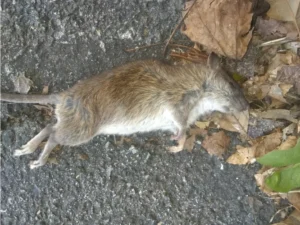
You might find dead rats, though often you won’t. Rats typically die in their nests or burrows, which might be inside your walls, under your house, or outside in places you can’t see. Finding dead rats in the open is actually less common than you’d think.
Other signs that poison is working include decreased rat activity. You’ll hear less scratching in walls, see fewer droppings appearing, notice less gnaw damage, and generally observe fewer signs of active rats.
Don’t expect instant results. If you’re still seeing heavy rat activity in the first week, that’s normal. The poison takes time to work. Give it at least two weeks before deciding it’s not working.
What If Rats Aren’t Dying After Two Weeks?
If you’ve had bait available for two weeks, rats are eating it, but you’re still seeing heavy rat activity, several things might be going wrong.
The rats might be resistant to difenacoum. While less common than warfarin resistance, difenacoum resistance does exist in some rat populations, particularly in areas where anticoagulants have been used heavily for many years.
You might not have enough bait stations or they might be in the wrong locations. Rats follow established runways along walls and edges.
If bait stations aren’t positioned along these routes, rats might not find them or might not visit them frequently enough.
There might be so many rats that even though you’re killing some, new rats are moving in from surrounding areas to replace the dead ones. This happens when you have a very large infestation or when your property has conditions that attract rats.
Competing food sources might be the problem. If rats have access to abundant garbage, pet food, bird seed, or other food, they might only occasionally snack on the poison bait. They don’t consume enough to reach lethal doses.
The bait might have degraded due to weather, moisture, or age. Old or damaged bait loses palatability and effectiveness. Check that bait is fresh and replace any that looks wet, moldy, or deteriorated.
Using Bait Stations With The Big Cheese
The Big Cheese products should always be used in tamper-resistant bait stations, especially outdoors or anywhere pets and children might access them. Bait stations protect the poison from weather and prevent non-target animals from eating it.
Place bait stations along walls where you’ve seen rat activity. Look for droppings, gnaw marks, greasy rub marks on walls, or actual rat sightings to identify high-traffic areas.
Space stations 15-30 feet apart in areas with heavy rat activity, and 30-50 feet apart in areas with lighter activity. The goal is to make sure rats encounter a station during their normal nightly movements.
Secure bait inside the station using the provided rods or securing mechanisms. This prevents rats from dragging bait out and spreading it around your property.
Check stations every 3-5 days to see if bait is being consumed and to refill as needed. Keep fresh bait available continuously until all rat activity stops.
Safety Precautions When Using The Big Cheese
Always wear gloves when handling rat poison. Difenacoum can be absorbed through skin, and you don’t want to risk exposure or accidentally transfer poison to food or surfaces you’ll touch later.
Keep the product in its original packaging with labels intact. You need to know what active ingredient you’re using in case of accidental exposure to people or pets.
Store unused bait in a locked cabinet or high shelf out of reach of children and pets. Never transfer poison to unmarked containers.
If you have pets, make absolutely sure they cannot access bait stations. Even “tamper-resistant” stations can sometimes be defeated by determined dogs. Place stations in areas your pets don’t access, or use additional barriers like fencing.
If a pet or child does eat the poison, call your vet or doctor immediately. For difenacoum poisoning, the antidote is vitamin K1, but it must be administered by medical professionals. Bring the product package with you so they know exactly what was consumed.
When to Stop Using the Poison
Continue providing fresh bait until all rat activity stops. This usually takes 2-4 weeks, though severe infestations might take longer.
The signal that you’re done is when bait sits untouched for at least a week. If rats aren’t eating the bait anymore and you’re seeing no signs of rats (no droppings, no sounds, no gnaw marks), you’ve likely eliminated the population.
At that point, you can remove the bait stations or leave them in place as monitoring stations with no bait or minimal bait. If rats return in the future, you’ll notice bait being consumed again and can restart treatment immediately.
Don’t stop too early. Some people remove bait as soon as they stop seeing rats, but there might still be a few rats that haven’t consumed enough poison yet. Leaving bait available for an extra week after you think the rats are gone ensures complete elimination.
Dispose of unused bait properly according to local regulations. Don’t just throw it in the trash where animals could get into it. Many areas have hazardous waste collection for pesticides.
Alternatives If The Big Cheese Isn’t Working
If The Big Cheese doesn’t solve your rat problem after 3-4 weeks of proper use, consider switching to a different active ingredient. Resistance might be an issue, or your rats might simply not find the Big Cheese formulation palatable.
Try a non-anticoagulant poison like bromethalin (if available in your area). This works through a completely different mechanism and resistant rats will still be vulnerable to it.
Combine poison with traps. Use snap traps or electronic traps along with bait stations to catch rats multiple ways. This speeds up elimination and works even if some rats avoid the poison.
Focus on exclusion and habitat modification. Seal entry points to prevent new rats from replacing dead ones. Remove food sources and water that attract rats. Make your property less appealing to rats.
Call a professional pest control company. They have access to stronger products, more experience with placement and monitoring, and can identify why your DIY efforts aren’t working.
Conclusion
The Big Cheese rat poison takes 3-7 days to kill rats after they start eating the bait, with most deaths occurring 5-10 days after the first feeding.
The active ingredient difenacoum is a second-generation anticoagulant that requires multiple feedings over several days to accumulate a lethal dose.
Expect to keep fresh bait available for 2-4 weeks total. Rats need time to discover the bait, overcome their fear of it, and eat enough to be killed. Deaths occur gradually over a week or more, not all at once.
If the poison isn’t working after 3-4 weeks of proper use, consider switching products, adding traps, or calling a professional. And remember that poison alone doesn’t solve rat problems permanently.
Combine poison with exclusion and habitat modification to eliminate current rats and prevent new ones from taking their place.

Hi, my name is Ezra Mushala, i have been interested animals all my life. I am the main author and editor here at snakeinformer.com.