
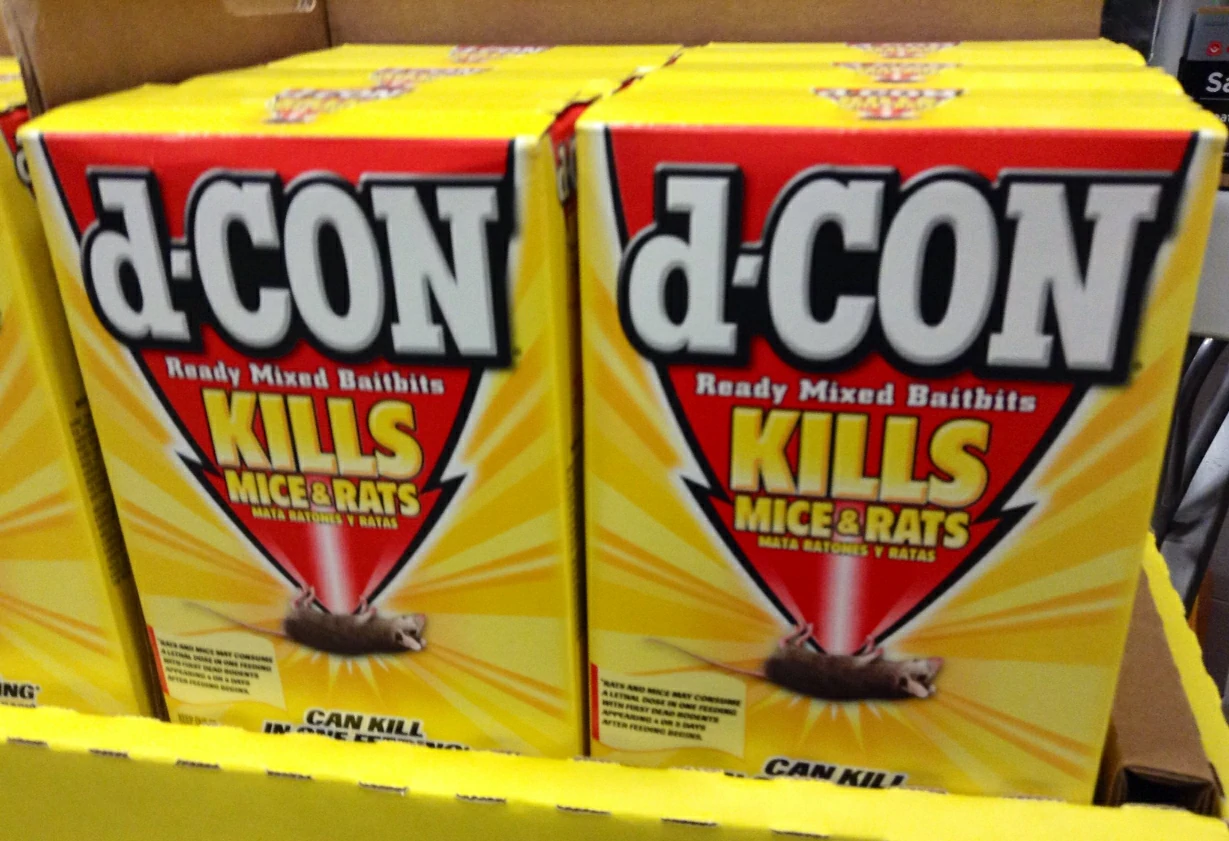
You might have some rat poison that’s been sitting in your garage or under the sink for a while. Maybe you bought it a year or two ago, used some, and stored the rest.
Now you’re wondering if it’s still good to use or if it’s gotten too old. Does rat poison get old or stale?
Yes, rat poison does get old and stale. Both the active poison ingredients and the bait material break down over time. The poison loses its strength, and the bait becomes less attractive to rats, making the product much less effective or completely useless.
Understanding how rat poison ages helps you know when to replace it and how to store it properly.
Using fresh poison is the difference between actually solving your rat problem and wasting time with a product that doesn’t work.
What “Getting Old” Means for Rat Poison
When we say rat poison gets old, we’re talking about two separate but related problems that happen as time passes. Both make the poison less effective.
The active ingredients break down chemically. These are the toxins that actually kill rats.
When exposed to air, moisture, heat, or light, the chemical structure of these compounds changes.
Once they change, they don’t work as well or don’t work at all.
The bait material goes stale. Most rat poisons use food to attract rats, like grains, peanut butter, or seeds. Just like food in your pantry, these materials don’t stay fresh forever. They lose their smell and taste appeal, and sometimes they go rancid or moldy.
These two aging processes can happen at different rates. You might have poison where the active ingredient is still mostly good but the bait has gone stale.
Or the opposite: the bait might still smell fine but the poison has lost its potency. Either way, old poison doesn’t work as well as fresh poison.
How Rat Poison Gets Stale
The staleness of rat poison is similar to food going stale, and it happens for many of the same reasons. Understanding this process helps you recognize when poison has gone bad.
Air exposure is the main cause of staleness. When you open a package of rat poison, air gets in. Oxygen in the air reacts with the bait materials.
This is the same process that makes crackers or chips go stale when you leave the bag open.
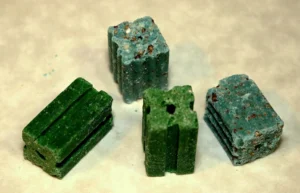
The oils in the bait can go rancid. Many rat poison baits use grains or peanut butter, which contain oils. These oils oxidize when exposed to air, creating off-smells and flavors. Rancid oil doesn’t smell or taste good to rats.
Moisture makes bait go stale faster. Even if the poison doesn’t get directly wet, humidity in the air can be absorbed by the bait. This moisture speeds up chemical breakdown and can cause mold growth.
The attractive smell fades over time. Fresh rat poison bait has a strong smell that draws rats in. As the bait ages, these volatile compounds that create the smell evaporate. The bait loses its ability to attract rats from a distance.
Texture changes happen too. Fresh poison blocks or pellets are firm. As they age, they might become crumbly or soft. This texture change is often accompanied by reduced effectiveness.
How Long Before Rat Poison Gets Old?
The timeline for rat poison getting old depends on several factors. There’s no single answer, but there are useful guidelines.
Unopened rat poison stored properly will stay good until its expiration date. Most rat poisons have shelf lives of one to three years.
The packaging protects the product from air, moisture, and light, keeping it fresh.
Once you open the package, staleness starts setting in. Even with careful resealing, opened rat poison begins to age faster. You’ll notice reduced effectiveness after about six months, even if you’ve stored it well.
After a year of being opened, rat poison has usually lost significant effectiveness. The bait is definitely stale by this point, even if the active ingredient hasn’t completely broken down. Rats are less likely to eat it.
Storage conditions make a huge difference in timing. Poison stored in a hot garage might become stale in just a few months. Poison stored in a cool, dark, dry closet will stay fresh much longer.
Different formulations age at different rates. Grain-based baits tend to go stale faster than pellets or blocks. The denser formulations protect the ingredients better.
Signs Your Rat Poison Has Gone Stale
You can usually tell if rat poison has gotten old or stale by examining it. These physical signs indicate the product isn’t fresh anymore.
The smell changes noticeably. Fresh rat poison has a distinct smell from its bait material. If it smells musty, sour, or just different from what you remember, it’s gone stale. Trust your nose on this one.
The color fades or changes. Fresh poison has bright, consistent coloring. Stale poison looks faded or has white patches. The dye breaks down along with the other ingredients, so color changes indicate overall aging.
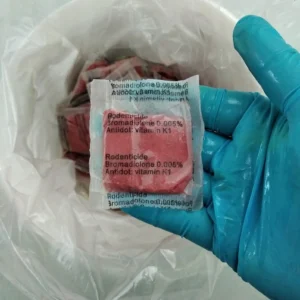
The texture becomes wrong. Fresh blocks are firm, and fresh pellets flow freely. Stale poison might be crumbly, soft, sticky, or clumped together. These texture changes show the product has degraded.
Mold is an obvious sign. If you see any fuzzy growth or spots that look like mold, the poison is definitely too old to use. Mold means moisture got in, and both the bait and active ingredients are compromised.
Rats won’t eat it. This is the most practical test. If you put out poison and rats ignore it week after week, the poison has probably gone stale. Fresh poison that smells good gets eaten quickly.
Why Staleness Matters for Effectiveness
Understanding why stale rat poison doesn’t work well helps you see the importance of using fresh product. It’s not just about being wasteful, it’s about actually solving your rat problem.
Rats locate food primarily by smell. They can smell food from several feet away, even through walls. If the bait has gone stale and lost its smell, rats won’t be drawn to it. They simply won’t know it’s there.
Even if rats find stale poison, they might not eat it. Rats are suspicious of food that doesn’t smell right. Their keen sense of smell detects rancidity and staleness that humans might miss. They’ll avoid food that smells off because it could make them sick.

Stale bait is less palatable. Even if a rat takes a bite, it might not like the taste of stale or rancid bait. The rat will spit it out and look for better food elsewhere. This means no poison gets ingested.
When poison is stale, the active ingredient has often weakened too. Even if rats do eat the stale poison, they might not get a lethal dose. This leads to sick rats that don’t die, which creates bait shyness for future poisoning attempts.
You waste time with stale poison. Days or weeks go by while you think you’re dealing with the problem. Meanwhile, the rats keep breeding and causing damage. Fresh poison would solve the problem in that same time.
Proper Storage Prevents Staleness
The best way to deal with stale rat poison is to prevent it from going stale in the first place. Good storage practices make your poison last longer.
Keep rat poison in its original packaging until you need to use it. The manufacturer designed this packaging specifically to protect the product. Don’t open packages until you’re ready to put out the poison.
Store in a cool location. Heat speeds up all the chemical reactions that make poison go stale. A temperature-controlled closet inside your house is ideal.
Avoid garages, sheds, and attics where temperatures fluctuate.
Keep it dry. Moisture is one of the worst enemies of rat poison freshness. Store poison in a place with low humidity. If your storage area tends to be damp, put the poison package inside a sealed container for extra protection.
Protect from light. Light, especially sunlight, causes chemical breakdown. Store rat poison in a dark closet or cabinet. If that’s not possible, keep it in its original box, which blocks most light.
Seal opened packages tightly. If you open a package and have leftover poison, seal it as well as possible. Put the package inside a zip-top freezer bag, squeeze out excess air, and seal it. This minimizes air exposure.
Use poison quickly after opening. The best storage is to not store opened poison at all. Buy only what you need for the next few weeks or months.
Use it up, then buy fresh poison if you need more later.
Comparing Fresh vs. Stale Rat Poison
The difference between fresh and stale rat poison is dramatic in terms of effectiveness. Understanding this helps you make good decisions about whether to use old poison or buy new.
Fresh poison has a strong, attractive smell. Rats can detect it from a distance and are drawn to it. Stale poison has a weak or off smell that doesn’t attract rats well.
Fresh bait has oils and volatile compounds intact. These make it taste good to rats. Stale bait has oxidized oils that taste bad. Rats that bite stale bait often reject it immediately.
The color of fresh poison is bright and consistent. This doesn’t directly affect rats, but it’s a good indicator of overall product quality. Faded color means other degradation has happened too.
Fresh poison maintains the correct texture. Blocks stay firm, pellets flow freely. This makes the poison easier to handle and place correctly.
Stale poison might be hard to work with due to texture changes.
Most importantly, fresh poison actually kills rats. The active ingredients are at full strength. Stale poison might not kill rats even if they eat it, leading to all the problems we’ve discussed.
The cost difference between fresh and stale poison isn’t in the purchase price. It’s in the time wasted and the damage rats cause while you’re using ineffective stale poison.
When to Replace Your Rat Poison
Knowing when to throw out old poison and buy fresh is important. These guidelines help you make that decision.
Always replace poison that’s past its expiration date. Even if it looks and smells fine, the manufacturer can’t guarantee it’ll work past that date. Don’t risk it.
Replace poison that’s been opened for more than six months. Even with good storage, opened poison degrades. After six months, you’re better off starting fresh.
If you can’t remember when you opened or bought the poison, replace it. When in doubt, throw it out. The cost of fresh poison is less than the cost of wasting time with questionable old poison.
Replace poison that shows any signs of aging: faded color, off smell, wrong texture, or visible mold. These signs tell you the poison has degraded beyond effectiveness.
If you put out poison and rats aren’t touching it after a week, the poison has probably gone stale. Replace it with fresh product and see if that makes a difference.
When dealing with a serious rat infestation, always start with fresh poison. This isn’t the time to experiment with whether your old poison might still work.
You need guaranteed effectiveness.
Why Using Old Rat Poison Is A Bad Idea
Some people try to save money by using old or stale rat poison instead of buying fresh. This is actually a false economy that costs more in the long run.
Old poison often doesn’t work at all. You’ve spent money on it originally, and now you’re wasting even more time trying to make it work.
Meanwhile, rats continue to breed and cause damage.
Property damage from rats adds up fast. They chew through wires, insulation, and wood. They contaminate food. They leave droppings everywhere. Every day you spend using ineffective old poison is another day of damage.
You might create bait-shy rats by using weak old poison. If rats eat degraded poison and only get slightly sick, they learn to avoid that type of bait.
Now you have a harder job killing them, even with fresh poison.
The cost of fresh rat poison is small compared to these other costs. A new box of poison might cost $10 to $20. The damage rats cause in a week can be hundreds or thousands of dollars.
Professional pest control becomes necessary if DIY efforts fail. If your old poison doesn’t work and the problem gets worse, you’ll end up calling an exterminator anyway.
That costs way more than fresh poison would have.
The peace of mind from knowing you’re using effective poison is worth something too. You can focus on solving the problem instead of wondering if your poison is still good.
Conclusion
Does rat poison get old or stale? Yes, absolutely. Both the active poison ingredients and the bait material degrade over time. The poison loses its killing power, and the bait loses its ability to attract rats.
Staleness happens faster after you open the package and expose the poison to air. Even unopened poison eventually goes stale, especially if stored in poor conditions with heat, moisture, or light exposure.
You can recognize stale poison by changes in smell, color, and texture, or simply by rats refusing to eat it. Once poison has gone stale, it’s not worth trying to use. The time you waste with ineffective poison costs more than buying fresh product.
Proper storage in cool, dark, dry conditions helps rat poison stay fresh longer. But the best approach is to buy only what you need and use it within a few months.
Fresh rat poison works dramatically better than stale poison, making it worth the small investment in new product when you need it.

Hi, my name is Ezra Mushala, i have been interested animals all my life. I am the main author and editor here at snakeinformer.com.