
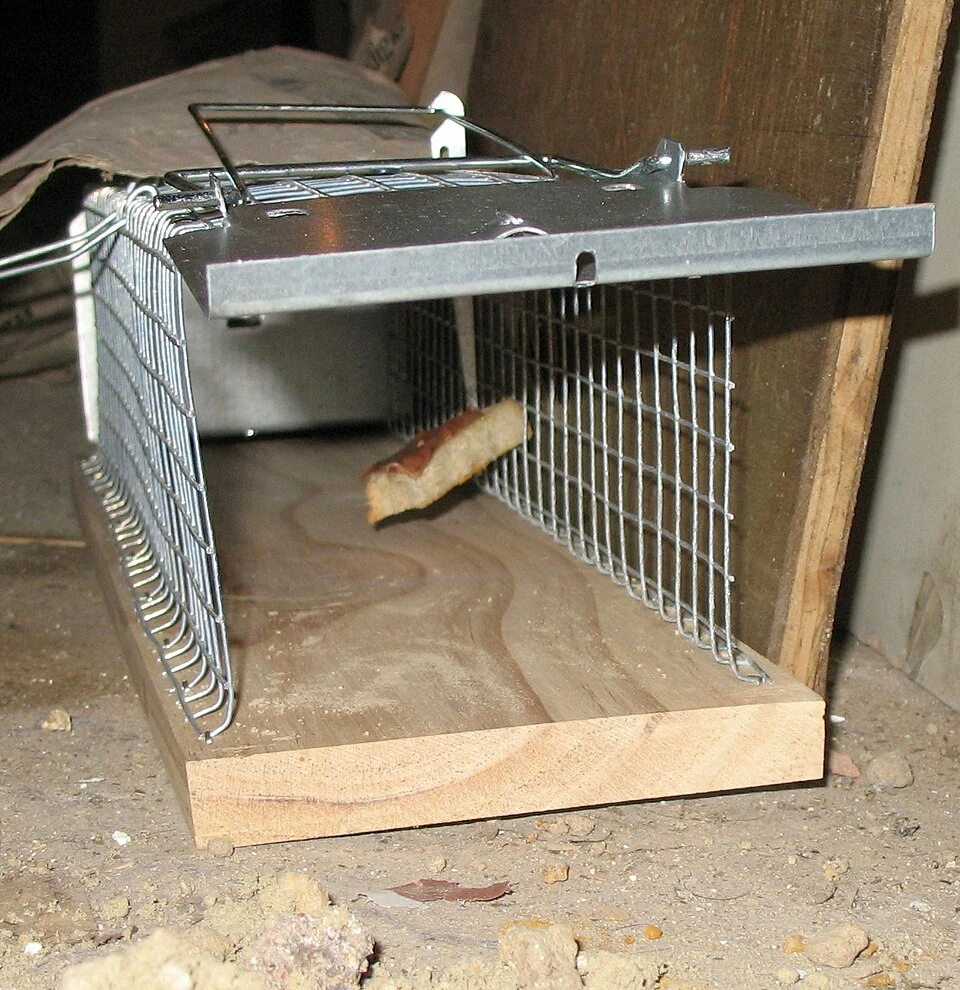
You’ve set up your rat cage trap in the perfect spot along the wall where you’ve seen droppings. The trigger mechanism is working smoothly, and everything looks ready to catch a rat.
But there’s one more critical decision to make: what bait should you use? The wrong bait might get ignored completely, while the right bait can have rats practically running into your trap. What’s the best bait for rat cage trap?
Peanut butter is the best overall bait for rat cage traps because it has a strong smell that attracts rats from a distance, it’s sticky so rats can’t grab it and run, and rats find it highly appealing. Other effective baits include chocolate-hazelnut spread, bacon, dried fruit, and nuts, though effectiveness can vary by location and rat population.
Choosing the right bait isn’t just about picking something rats like. You also need to think about how the bait stays in the trap, how strong it smells, and whether it works in different seasons and situations.
Why Peanut Butter Works So Well
Peanut butter has been the go-to rat trap bait for decades, and there are some really good reasons why it’s so effective.
First, peanut butter has an incredibly strong smell. Rats have excellent noses, and they can detect the scent of peanut butter from quite far away. This draws them toward your trap even if they weren’t planning to investigate that area.
The smell of peanut butter also travels well through air. Unlike some foods that only smell strong when you’re right next to them, peanut butter releases scent molecules that spread through a room. This gives your trap a much larger effective radius.

Peanut butter is also sticky and thick. When you smear it at the back of your trap, rats can’t just grab a piece and run away. They have to stay at the bait location and lick it off, which means they’re definitely going to step on the trigger plate.
Rats also really seem to love the taste. It’s high in calories, fats, and protein, which are all things rats need in their diet. From a rat’s perspective, peanut butter is basically a superfood.
Finally, peanut butter is cheap and easy to find. You probably already have it in your kitchen, so you don’t need to make a special trip to buy trap bait.
Chocolate-Hazelnut Spread as an Alternative
If peanut butter isn’t working for you, or if you want to try something different, chocolate-hazelnut spread is an excellent alternative. Brands like Nutella work really well.
Chocolate-hazelnut spread has many of the same advantages as peanut butter. It’s sticky, has a strong sweet smell, and rats find it very attractive. Some people actually report better success with this than with peanut butter.

The chocolate component adds an extra dimension of smell that rats seem to really respond to. The combination of chocolate and hazelnut creates a scent profile that’s hard for rats to ignore.
Like peanut butter, this spread is thick enough that rats can’t easily take it and run. They have to stop and eat it where it is, ensuring they trigger your trap.
The main downside is that chocolate-hazelnut spread is usually more expensive than peanut butter. If you’re baiting multiple traps or re-baiting frequently, the cost can add up.
Also, in very hot weather, chocolate-based spreads can melt and get messy. They work best in moderate temperatures.
Bacon and Other Cooked Meats
Cooked bacon is another highly effective bait, especially for rats that might be less interested in sweet foods. The strong, savory smell of bacon attracts rats very reliably.
You can use small pieces of cooked bacon, or even better, smear bacon grease on the trigger area. Bacon grease has an intense smell and it’s sticky enough that rats can’t just grab it.

Other cooked meats can work too. Small pieces of sausage, hot dogs, or even lunch meat can be attractive to rats. The key is using fatty meats with strong smells rather than lean, bland meats.
The advantage of meat baits is that they appeal to rats’ natural protein needs. In the wild, rats eat a lot of insects and small animals, so they’re naturally drawn to meat smells.
The main disadvantage is that meat baits don’t last as long as peanut butter. In warm weather, meat can spoil quickly and start to smell bad (in a way that repels rats rather than attracts them). You need to replace meat baits daily.
Meat baits can also attract other animals like neighborhood cats or raccoons, which might be a problem depending on where you’re placing your traps.
Dried Fruits Work Better Than Fresh
Dried fruits like raisins, cranberries, dates, and apricots make excellent rat bait. They work surprisingly well and have some advantages over other options.
Dried fruits are very high in sugar and calories, which makes them attractive to rats. They also have concentrated smells because the drying process intensifies the natural fruit aromas.
Raisins seem to be particularly effective. You can use 4-5 raisins placed at the back of your trap. Some people crush them slightly to release more scent.
Dried cranberries work well too, and their bright red color might even provide some visual attraction (though rats don’t see color as well as humans do).
The big advantage of dried fruits is that they last a long time without spoiling. You can leave dried fruit in a trap for several days without it going bad. This makes them great for traps you can’t check frequently.
Dried fruits also won’t make a mess in your trap like sticky spreads can. This makes cleanup easier after you catch a rat.
The main downside is that dried fruits aren’t sticky, so rats might be able to grab them and run without fully entering the trap. To prevent this, you can secure the fruit with a small piece of wire, or place it in a way that makes it hard to grab.
Nuts as Natural Bait
Rats naturally eat nuts and seeds in the wild, so these make logical bait choices. Whole nuts, crushed nuts, or nut pieces can all work well.
Peanuts are the most commonly used, probably because they’re cheap and easy to find. You can use them in the shell or shelled, though shelled peanuts have a stronger smell.
Walnuts, almonds, pecans, and cashews also work. Some trappers claim that walnuts are particularly effective, though this might vary by region and rat population.

Crushing or chopping nuts before using them as bait releases oils and intensifies the smell. A small pile of crushed nuts at the back of your trap can be very attractive to rats.
You can also combine nuts with other baits. Peanut butter with chopped nuts mixed in gives you the stickiness of the butter and the added texture and flavor of the nuts.
The downside of using whole or large pieces of nuts is that rats might be able to grab them and leave without triggering the trap. Smaller pieces or crushed nuts work better.
Why Cheese Isn’t Actually the Best Choice
Despite what you’ve seen in cartoons, cheese is actually not the best bait for rats. It can work, but there are much better options.
The idea that rats love cheese probably comes from the days when cheese was commonly stored in pantries and cellars where rats could access it. Rats ate cheese because it was available, not necessarily because it was their favorite food.
Cheese doesn’t have as strong a smell as peanut butter or bacon. While cheese does have an odor, it’s not as far-reaching or intense as other bait options. This means fewer rats will detect your trap from a distance.
Some rats are actually lactose intolerant and might avoid dairy products. This isn’t true of all rats, but it’s common enough that cheese isn’t the most reliable bait.
If you do want to use cheese, aged cheeses with stronger smells (like sharp cheddar or parmesan) work better than mild cheeses. The smell is what attracts rats, so the stronger the better.
Cheese can also dry out quickly when left in a trap, especially in warm or dry environments. Dried-out cheese loses its smell and becomes much less attractive to rats.
Seasonal Bait Considerations
What works as bait can actually change depending on the season. Rats’ needs and preferences shift throughout the year.
In winter, rats are more desperate for high-calorie foods because they need extra energy to stay warm. This is when fatty baits like peanut butter, bacon grease, and nuts work exceptionally well. Rats are also more likely to take risks entering traps because food is scarcer.

Winter is also when nesting material becomes valuable bait. Rats need warm places to nest, so cotton balls, string, strips of fabric, or even dryer lint can attract rats to your trap. Place the material at the back of the trap just like you would food.
In spring and summer, when food is more abundant outside, rats can be pickier. You might need to experiment with different baits to find what’s most attractive to your specific rat population.
During hot summer months, avoid baits that spoil quickly like meat or fresh fruit. Stick with stable options like peanut butter or dried fruits that won’t go bad and start smelling rotten.
In fall, when rats are preparing for winter, they’re often attracted to seeds and grains. Sunflower seeds, birdseed, or even dry oatmeal can work well during this time.
How Much Bait to Use
Using the right amount of bait is just as important as choosing the right type. Too much or too little can both cause problems.
For sticky baits like peanut butter, a small dollop about the size of a pea is usually enough. You want enough to create a strong smell, but not so much that a rat can eat it without fully entering the trap.
The bait should be placed at the very back of the trap, past the trigger plate. This forces the rat to walk all the way into the trap and step on the trigger to reach the food.
If you’re using multiple small pieces (like raisins or nuts), 4-6 pieces is usually sufficient. More than that and rats might be able to grab some without triggering the trap.
For liquid or semi-liquid baits like bacon grease, you can smear a thin layer on the back wall or floor of the trap. Just a teaspoon or so is plenty.
Avoid piling lots of bait in the trap. This might seem like it would be more attractive, but it actually gives rats more chances to grab food without fully entering. Less is more when it comes to trap bait.
Combining Multiple Baits
Sometimes using a combination of baits can be more effective than using just one. This gives you multiple scent profiles and appeals to different rat preferences.
A popular combination is peanut butter with raisins or other dried fruit pressed into it. The peanut butter provides stickiness and a strong smell, while the fruit adds sweetness and texture.
Another effective combo is peanut butter with small pieces of bacon mixed in. This gives you both sweet and savory scents, covering more bases.

Some people make a bait mixture with peanut butter, crushed nuts, and a little bit of chocolate. This creates an intensely attractive smell that’s hard for rats to resist.
When combining baits, make sure the mixture is still sticky enough that rats can’t just grab pieces and run. The sticky component (usually peanut butter) should hold everything together.
You can also try placing different baits in different traps if you have multiple traps set. This lets you see which bait works best for your specific rat population.
What Baits to Avoid
Not all foods make good trap bait. Some things that might seem attractive actually work poorly or create problems.
Fresh fruits and vegetables usually don’t work well. They don’t have strong enough smells to attract rats from a distance, they spoil quickly, and they’re often not high enough in calories to be very appealing.
Bread and similar carbs are also not ideal. They’re bland, don’t smell much, and rats can easily grab pieces and run without triggering the trap.
Wet or liquid foods (like canned cat food) can work but they’re messy and can make your trap disgusting to deal with after a catch. They also attract flies and can start smelling bad quickly.
Heavily processed human snack foods like chips or crackers usually aren’t effective. They might seem appealing to us, but rats generally prefer higher-calorie natural foods.
Any bait that has a chemical smell (like artificial flavoring or preservatives) might actually repel rats. Their noses are very sensitive, and synthetic smells can be off-putting.
How Often to Refresh Your Bait
Even the best bait won’t work if it’s old and stale. Knowing when to replace bait is important for maintaining trap effectiveness.
For peanut butter and similar spreads, you should refresh the bait every 2-3 days even if it still looks fine. The smell fades over time, and rats won’t be as attracted to old bait.
In hot weather, check bait daily. Heat can cause oils to go rancid, and rancid smells actually repel rats. If your bait smells bad to you, it’s definitely time to replace it.
Meat baits need to be replaced daily, or even more frequently in warm conditions. Spoiled meat has a very different smell than fresh meat, and it won’t attract rats the way you want.
Dried fruits and nuts last longer, sometimes up to a week. But if they get wet from humidity or if bugs get into them, replace them immediately.
Nesting material bait can last indefinitely unless it gets dirty or wet. Just check that it’s still clean and dry.
If rats are approaching your trap but not entering, stale bait might be the problem. Try completely cleaning the trap and adding fresh bait with a strong smell.
Conclusion
The best bait for rat cage traps is usually peanut butter because of its strong smell, sticky consistency, and universal appeal to rats. But don’t be afraid to experiment with alternatives like chocolate-hazelnut spread, bacon, dried fruits, or nuts.
The key is choosing a bait that smells strong, that rats can’t easily steal without triggering the trap, and that appeals to the specific dietary preferences of your local rat population. What works perfectly in one situation might need adjustments in another.
Remember that bait is just one part of successful rat trapping. Even the best bait won’t work if your trap isn’t in the right location or isn’t set up correctly. But with good bait in the right trap in the right place, you’ll catch rats reliably.

Hi, my name is Ezra Mushala, i have been interested animals all my life. I am the main author and editor here at snakeinformer.com.