
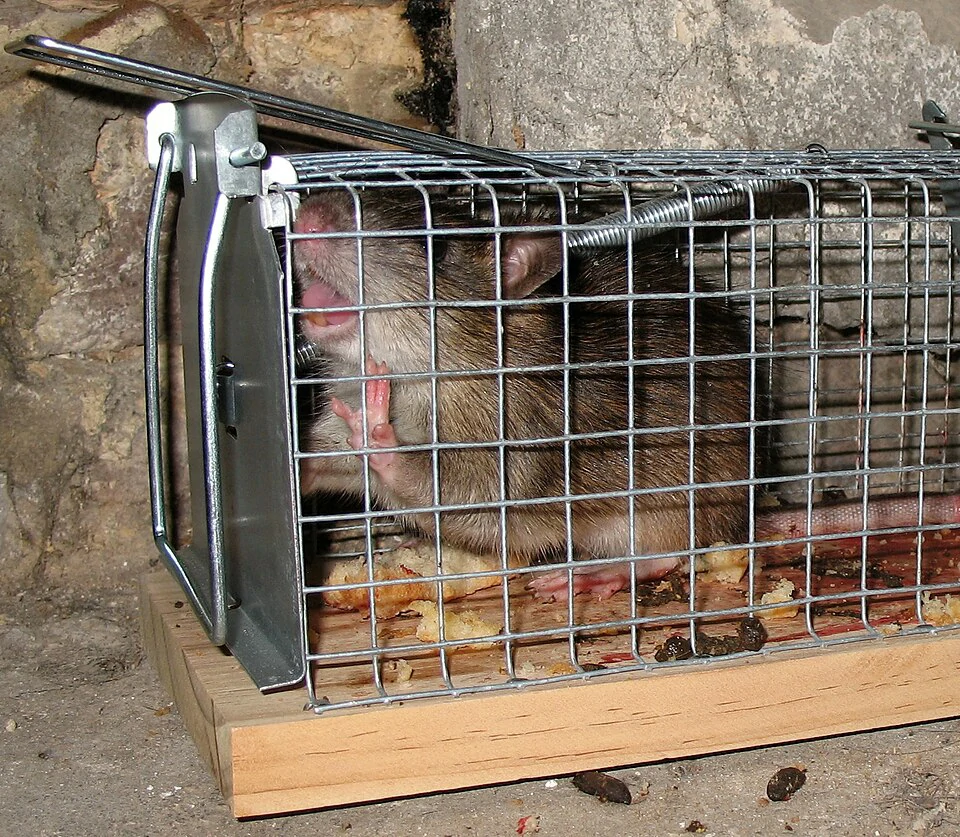
You’ve got a live rat cage trap and you’re ready to catch the rats in your house without killing them. But when you open the package, you realize the trap is just an empty metal box. Now you’re wondering what kind of bait actually works to lure rats inside.
The right bait can mean the difference between catching rats quickly and staring at an empty trap for weeks. So what should you put in a rat cage trap to actually catch something?
The best baits for rat cage traps are peanut butter, bacon, dried fruit, and nuts. Peanut butter works best because rats love it and it’s sticky, so they have to spend time working at it, which increases the chance they’ll trigger the trap. Use about a tablespoon placed at the very back of the trap.
Different baits work better in different situations, and how you position the bait matters just as much as what you use. Let’s look at what actually attracts rats and how to use it effectively.
Why Peanut Butter Is the Best Bait
Peanut butter is hands down the most effective bait for rat cage traps. There are several reasons why it works so well.
First, rats are naturally attracted to high-fat, high-protein foods. Peanut butter has both, plus it has a strong smell that rats can detect from a distance.
Second, it’s sticky. Rats can’t just grab it and run like they could with a piece of food. They have to lick and work at it.
This means they spend more time in the trap, increasing the chances they’ll step on the trigger plate or move far enough back to trigger the door.
Third, peanut butter doesn’t dry out quickly. You can leave it in the trap for several days without it becoming completely useless as bait.
Use creamy peanut butter, not chunky. Creamy spreads easier and is harder for rats to pick out chunks from.
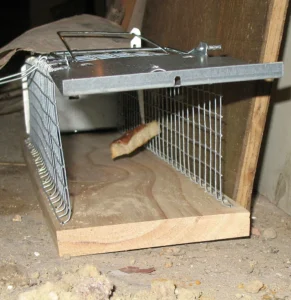
Put about a tablespoon at the very back of the trap, as far from the entrance as possible. You want the rat to walk all the way in to get to it.
Other Effective Bait Options
While peanut butter is the top choice, there are several other baits that work well for rats.
Bacon is extremely attractive to rats. The smell of cooked bacon can draw rats from other rooms. Use a small piece, about one inch square.
Dried fruit like raisins, cranberries, or apricots work well. Rats love sweet foods, and dried fruit has a concentrated smell that attracts them.

Nuts are another good option. Walnuts, pecans, and almonds are all attractive to rats. You can crack them open to release more scent.
Chocolate is surprisingly effective. Small pieces of chocolate bar or chocolate chips work well. The combination of fat and sugar is irresistible to rats.
Sunflower seeds are cheap and effective. Rats love seeds, and sunflower seeds have a strong smell when fresh.
Beef jerky or other dried meats work too. They have a strong scent and they’re high in protein, which rats need.
Baits That Don’t Work As Well
Cheese is the classic rat bait in cartoons, but it’s actually not the best choice in real life.
Rats will eat cheese if there’s nothing better, but they don’t go crazy for it like they do for peanut butter or bacon.
Cheese can also dry out quickly, making it less attractive after a day or two in the trap.
Fresh vegetables like carrots or lettuce are mostly ignored by rats unless they’re specifically looking for water.
Bread works okay but it’s bland and doesn’t have a strong smell. Rats will investigate it if they’re hungry, but it won’t draw them in like high-fat foods.
Cat food or dog food can work, but the results are inconsistent. Some rats like it, others ignore it completely.
Anything liquid is a bad idea. Water, milk, or juice will just make a mess in the trap and won’t actually catch rats.
How Much Bait to Use
The amount of bait matters more than you might think. Too much or too little can both cause problems.
For peanut butter, use about a tablespoon. That’s enough to create a strong smell but not so much that the rat can eat its fill without triggering the trap.
For solid foods like bacon or nuts, use a small piece. One inch of bacon or three to four nuts is plenty.
With dried fruit, use about six to eight pieces. Scatter them toward the back of the trap rather than putting them all in one pile.
The key is to use enough to attract the rat but not enough that it can eat and leave without triggering the door.
Some people make the mistake of loading the trap with tons of bait, thinking more is better. This actually makes it easier for rats to get food without getting caught.
A hungry rat will work harder to get a small amount of food, which means it’s more likely to trigger the trap.
Where to Place Bait Inside the Trap
Bait placement is just as important as what bait you use. The goal is to make the rat walk all the way into the trap.
Most cage traps have a trigger plate near the back. The rat needs to step on this plate or push past it to trigger the door.
Put your bait behind the trigger plate, as far back as physically possible. This forces the rat to walk completely into the trap.
If you put bait near the entrance, smart rats can sometimes grab it and back out before the door closes.
For peanut butter, spread it on the back wall of the trap or on a small piece of cardboard placed at the back.
For solid baits, you can tie them to the back of the trap with string or wire. This prevents rats from grabbing the food and pulling it out through the bars.
Some people create a bait trail leading into the trap. Put a few small pieces outside and near the entrance, then more inside, with the biggest piece at the back.
This works, but be careful not to give away too much food outside the trap. You want the rat hungry when it goes inside.
Combining Multiple Baits for Better Results
Using two or three different baits together can be more effective than using just one.
Rats have individual preferences. One rat might love peanut butter, while another prefers bacon. Offering both increases your chances.
A good combination is peanut butter smeared at the back with a few raisins or nuts scattered around it.

The peanut butter provides the strong smell, while the solid foods give the rat something to work at getting.
Another effective combo is bacon with sunflower seeds. The bacon draws them in, and the seeds make them stay longer as they pick them up.
Don’t go overboard though. Three types of bait maximum. More than that and you’re just wasting food.
Change up your bait combination every few days if you’re not catching anything. Rats can be picky, and what works for one might not work for another.
How Often to Replace Bait
Fresh bait is more attractive than old, stale bait. The smell fades over time, and dry, crusty food doesn’t appeal to rats.
For peanut butter, replace it every 3 to 4 days. After that, it starts to dry out and lose its smell.
Bacon should be replaced daily if possible, especially in warm weather. It can spoil and start to smell bad rather than appetizing.
Dried fruit lasts longer, about 5 to 7 days. Nuts can last even longer, up to a week or more.
If you catch a rat and reset the trap, always use fresh bait. The smell of a previous rat might make others cautious.
Check your bait daily even if you haven’t caught anything. Ants and other insects might be stealing it, or it might have dried out or gotten moldy.
Attracting Rats to the Trap Location
The best bait in the world won’t help if rats don’t know the trap is there. You need to make sure rats can find it.
Place the trap along walls where you’ve seen rat droppings or other signs of activity. Rats run along walls, not across open floors.
Put the trap in corners or behind furniture where rats feel safer. They’re less likely to investigate a trap sitting in the middle of a bright, open kitchen.

You can create a scent trail leading to the trap. Put tiny dabs of peanut butter every few feet along the wall, leading to the trap entrance.
This works especially well if you’re trying to catch trap-shy rats that are avoiding obvious traps.
Don’t move the trap around constantly. Rats are cautious about new objects in their territory. It can take a day or two for them to get comfortable enough to investigate.
Pre-Baiting to Build Trust
If rats are avoiding your trap, try pre-baiting. This means leaving the trap open and baited but not set for a few days.
Remove or block the door so it can’t close. Let rats go in and out freely to get the bait.
After 2 or 3 days of free food, rats will see the trap as a safe food source. They’ll let their guard down.
Then, set the trap normally. The rats will walk in like they’ve been doing, but this time the door will close behind them.
This technique works great for smart rats that have learned to avoid traps. It takes longer, but it’s more effective than trying to catch a suspicious rat.
The downside is you’re feeding rats for several days before you catch them. If you’ve got a serious infestation, you might not want to wait that long.
Special Baits for Outdoor Traps
If you’re setting a cage trap outside, you need baits that can handle weather and won’t attract the wrong animals.
Peanut butter still works, but it can melt in hot weather or freeze in cold weather. It’s better for indoor use.
For outdoor traps, try whole nuts in the shell. Walnuts and pecans work well. They don’t spoil quickly and they can handle rain and temperature changes.
Dried fruit is good outdoors too. It won’t mold as fast as fresh fruit, and it stays attractive to rats.
Avoid meats and bacon outside unless you check the trap several times a day. These attract other animals like raccoons, possums, and cats.
You also need to protect outdoor traps from weather. Put them under cover if possible, or use a tarp to keep rain out.
Wet bait is useless bait. A soggy piece of bread or waterlogged peanut butter won’t attract rats.
What Not to Put in Rat Cage Traps
Some things people try as bait are either ineffective or create problems.
Poisoned bait should never be used in a live trap. The whole point is to catch the rat alive. If you poison it, you’re defeating the purpose.
Liquid baits don’t work. Rats might drink water from a dish in the trap, but it won’t lure them in.

Anything that smells bad to humans probably smells bad to rats too. Don’t use spoiled food thinking rats will eat anything. They’re actually pretty picky.
Large chunks of hard food (like an entire apple or a whole carrot) don’t work well. Rats can gnaw at them from outside the trap without going all the way in.
Sticky substances other than peanut butter (like honey or syrup) can gum up the trap mechanism and make it harder to clean.
Pet food works sometimes, but it’s not reliable. Rats prefer wild foods and human foods over processed pet food.
Signs Your Bait Isn’t Working
If you’ve had a trap set for several days with no catches, your bait might not be working.
Look for signs that rats are investigating the trap. If the bait is untouched and there are no scratches or disturbances around the trap, rats aren’t even interested.
This means either the bait isn’t attractive enough, or the trap location is wrong.
If the bait is gone but the trap didn’t close, rats are stealing it without getting caught. You need to put the bait farther back or make it harder to reach.
Sometimes ants, cockroaches, or mice eat the bait instead of rats. Look for small droppings or insect trails to figure out what’s happening.
If you catch mice but not rats, your trap might be too small or the opening might be too low for rats to enter comfortably.
Adjusting Bait Based on Rat Species
There are two common types of rats in homes: Norway rats and roof rats. They have slightly different food preferences.
Norway rats (also called brown rats) prefer meats, grains, and high-protein foods. Bacon, peanut butter, and nuts work best for them.
Roof rats (also called black rats) prefer fruits and vegetables. Dried fruit, berries, and even fresh citrus work well for roof rats.
If you know which species you’re dealing with, you can tailor your bait accordingly.
In most cases, peanut butter works for both species, so it’s a safe default choice if you’re not sure.
Look at what the rats have been eating in your house. If they’re getting into fruit, use fruit-based bait. If they’re chewing through grain products, use grain or nut-based bait.
Conclusion
The best bait for rat cage traps is peanut butter, placed at the very back of the trap to force rats to walk all the way in. Bacon, dried fruit, and nuts are also effective.
Use about a tablespoon of peanut butter or a small piece of solid food, and replace it every 3 to 4 days to keep it fresh and attractive.
Position the bait behind the trigger plate so rats have to fully enter the trap to reach it. Consider pre-baiting for a few days if rats are avoiding the trap.
Remove other food sources from the area to make your trap the most attractive option. With the right bait in the right position, you’ll catch rats much more quickly and effectively.

Hi, my name is Ezra Mushala, i have been interested animals all my life. I am the main author and editor here at snakeinformer.com.