
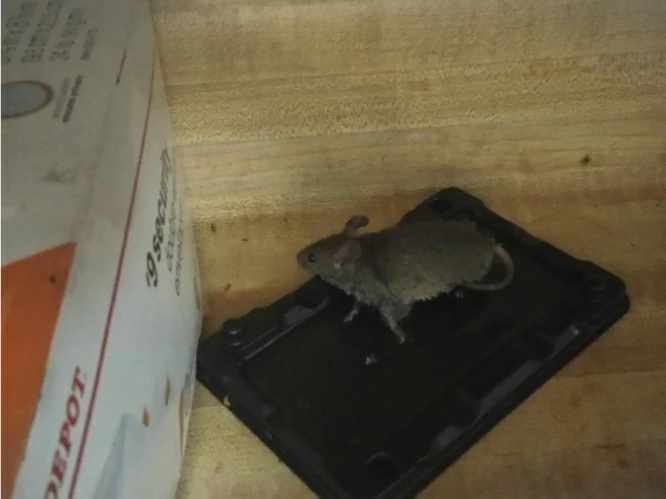
If you’ve ever set out a glue trap to catch rats or mice, you know how sticky those things can be. They’re designed to hold rodents in place, which means the glue is incredibly strong and stubborn.
Unfortunately, cats are curious creatures, and they sometimes walk right into these traps while exploring. When that happens, you’re left with a panicked cat covered in thick, sticky glue that won’t come off easily. So how do you remove rat trap glue from a cat?
You can remove rat trap glue from a cat using cooking oil or petroleum jelly. Massage the oil into the glue-covered fur, let it sit for a few minutes to break down the adhesive, then gently comb or wipe away the loosened glue. Finish by washing your cat with dish soap to remove the oil.
The key is using something oily to break down the glue’s stickiness. Water won’t work because glue traps are designed to resist moisture.
You’ll need to work slowly and carefully to avoid hurting your cat or making them more stressed than they already are.
Why Oil Works on Glue Trap Adhesive
Glue traps use a petroleum-based adhesive that’s specifically made to be water-resistant. This is why trying to wash the glue off with just water and regular soap won’t do anything.
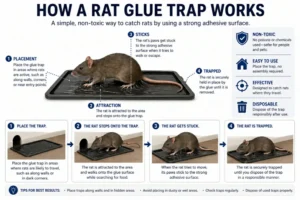
The glue just stays sticky and spreads around even more. But oil-based products can actually break down this type of adhesive because they work on a chemical level to dissolve the sticky bonds.
When you apply cooking oil, olive oil, vegetable oil, or even petroleum jelly to the glue, it starts to break apart the adhesive’s structure. The oil seeps into the glue and makes it less sticky and easier to remove.
This is the same reason why mechanics use oil-based products to remove adhesive residue from car parts. It’s all about matching the right solvent to the right type of glue.
What You’ll Need Before You Start
Before you begin removing the glue from your cat, gather everything you’ll need so you don’t have to stop halfway through.
You’ll need cooking oil (vegetable oil, olive oil, or canola oil all work), petroleum jelly as a backup option, a fine-toothed comb or your fingers, dish soap (Dawn works really well), warm water, towels, and potentially scissors if the glue is really bad.
Having everything ready makes the process smoother. Your cat is already stressed from being stuck, so you don’t want to make things worse by running around looking for supplies while they’re covered in glue.
If you have someone who can help hold your cat gently while you work, that’s even better. Cats don’t usually enjoy being handled when they’re scared, and having an extra pair of hands can make things much easier and safer for everyone.
How to Safely Remove Your Cat from the Glue Trap
If your cat is still stuck to the actual glue trap, you need to remove them from it first before you can clean their fur. Don’t just pull them off because that will rip out fur and hurt your cat.
Instead, pour cooking oil directly onto the areas where your cat is stuck to the trap. Use a generous amount and let it sit for a minute or two.
The oil will start to loosen the bond between your cat’s fur and the trap. Gently massage the oil into the stuck areas and slowly work your cat free from the trap.
You might need to add more oil as you go. Take your time and be patient because rushing will just cause your cat pain and make them more panicked.
Once your cat is free from the trap itself, you can focus on getting the remaining glue out of their fur.
Step-by-Step: Removing Glue from Your Cat’s Fur
Start by calming your cat down as much as possible. Talk to them in a soft voice and try to keep them in a quiet room away from other pets or loud noises.
Pour a small amount of cooking oil into your hands and warm it up by rubbing your palms together. This makes it less shocking when you apply it to your cat.
Gently massage the oil into the glue-covered areas of your cat’s fur. Don’t rub too hard or pull on the fur because that will hurt them.
Just work the oil in slowly and let it do its job. You’ll notice the glue starting to break down and become less sticky after a minute or two.
Once the glue feels looser, use your fingers or a fine-toothed comb to gently remove it from the fur. Work in small sections and take breaks if your cat is getting too stressed.
Some glue will come off in clumps, while other bits might need more oil and more time. If the glue is really stuck in one area, apply more oil and let it sit for another few minutes before trying again.
For really stubborn spots, petroleum jelly can work even better than oil because it’s thicker and stays in place longer.
When You Might Need to Cut the Fur
Sometimes the glue is so deeply matted into the fur that no amount of oil will get it out completely. This happens most often when a cat has been stuck for a while or when they have long fur that’s gotten really tangled up in the glue.
If you’ve tried oil and combing for 20 to 30 minutes and the glue still won’t budge, you might need to carefully cut that section of fur. Use small, sharp scissors and be extremely careful not to cut your cat’s skin.
Always point the scissors away from your cat’s body and cut slowly. If you’re not comfortable doing this yourself, it’s better to take your cat to a groomer or vet who has experience with this.
They can safely trim away the affected fur without hurting your cat. Remember, fur grows back, but a cut from scissors can be painful and might need medical attention.
Washing Your Cat After Removing the Glue
Once you’ve removed as much glue as possible, your cat will be covered in oil. You can’t just leave them like that because they’ll get oil all over your house and themselves when they groom.
You need to wash them with dish soap to cut through the oil. Dawn dish soap works really well for this because it’s designed to break down grease and oil.
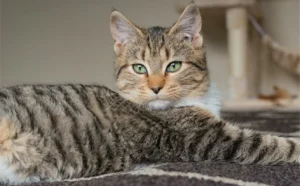
Fill a sink or basin with warm (not hot) water and add a small amount of dish soap. Gently place your cat in the water and work the soap through their fur, focusing on the areas that had glue and oil.
You might need to wash them twice to get all the oil out. Rinse thoroughly with clean warm water to make sure no soap residue is left behind.
Soap residue can irritate your cat’s skin and make them uncomfortable. After rinsing, wrap your cat in a towel and gently pat them dry.
Don’t rub aggressively because their skin might be sensitive after all the handling. If your cat tolerates it, you can use a blow dryer on the lowest, coolest setting to help them dry faster, but many cats are scared of the noise.
What Not to Use on Your Cat
There are several products people suggest for removing glue that you should absolutely avoid using on your cat. Never use acetone or nail polish remover because these are toxic to cats and can be absorbed through their skin or ingested when they groom themselves.
Don’t use paint thinner, turpentine, or any other harsh chemical solvents. These can cause chemical burns, poisoning, and serious health problems.
Even some “natural” products like tea tree oil or eucalyptus oil are toxic to cats and shouldn’t be used. Stick with plain cooking oil, olive oil, or petroleum jelly.
These are safe even if your cat licks a small amount while you’re working. Also, don’t use hot water when washing your cat because it can burn their sensitive skin.
Always test the water temperature on your wrist first, just like you would for a baby.
How to Keep Your Cat Calm During the Process
Removing glue from your cat’s fur isn’t a quick process, and keeping them calm throughout is really important. Cats can get very stressed when they’re restrained or handled for long periods.
Try to work in short sessions if your cat is getting too upset. It’s better to take breaks and finish the job over an hour or two than to fight with your cat the entire time.
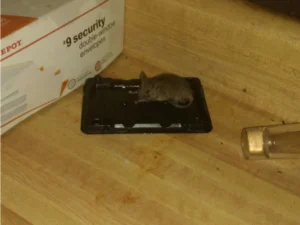
Keep talking to your cat in a calm, soothing voice. Some cats respond well to gentle petting on their head or chin between working on the glue spots.
If you have another person available, have them hold your cat gently but securely. Don’t squeeze too tight because that will make your cat panic more.
A towel wrap can help keep your cat still and prevent them from scratching you, but make sure they can still breathe easily and aren’t overheating. If your cat is really fighting you and seems extremely stressed, it might be better to take them to a vet who can sedate them safely if needed.
Checking Your Cat for Injuries After Removal
Once the glue is removed and your cat is clean and dry, check them over carefully for any injuries. Look for areas where fur was pulled out, cuts on the skin, or places that look red and irritated.
Glue traps can cause skin irritation, and if your cat struggled a lot while stuck, they might have injured themselves trying to get free. Check their paws especially because cats often step in glue traps.
Look between their toes and paw pads for any remaining glue or signs of injury. If you see any cuts, clean them gently with warm water and watch for signs of infection over the next few days.
Redness, swelling, discharge, or if your cat is licking one spot constantly are all signs something might be wrong. Also watch your cat’s behavior over the next 24 hours.
If they’re not eating, seem lethargic, or are acting differently than normal, they might have ingested some glue while trying to clean themselves, or they could be more injured than you thought.
When to Take Your Cat to the Vet
Most of the time, you can remove glue trap adhesive from your cat at home without needing a vet visit. But there are situations where professional help is necessary.
If your cat has glue in or around their eyes, nose, or mouth, don’t try to remove it yourself. These are sensitive areas and you could cause serious damage.
Take your cat to the vet right away. If your cat ate any of the glue or the trap itself, they need to see a vet immediately because glue can cause intestinal blockages.
Signs of this include vomiting, not eating, lethargy, or constipation. If you tried to remove the glue yourself but your cat has large areas of skin that look raw, burned, or infected, a vet visit is needed.
If the glue covered a large portion of your cat’s body and you can’t remove it all, or if your cat is so stressed and aggressive that you can’t safely handle them, the vet can sedate them and remove the glue safely. Don’t feel bad about getting professional help.
Vets deal with this situation more often than you’d think, and they have better tools and techniques for handling it.
How to Prevent This from Happening Again
The best way to deal with glue traps and cats is to not use glue traps at all if you have cats in your home. They’re just too risky.
Cats are curious and will investigate anything new, and glue traps don’t discriminate between a rat and your pet. If you have a rodent problem, use snap traps or live traps instead.
These are much safer for pets because they’re enclosed or designed to only catch animals of a certain size. If you absolutely must use glue traps, place them in areas your cat can’t access.
This might mean putting them inside cabinets, behind closed doors, or in the attic or basement where your cat doesn’t go. Never put glue traps on the floor in open areas or anywhere your cat regularly walks.
Check your traps frequently so if a rodent does get caught, you can remove it quickly before your cat finds it. You could also consider switching to other pest control methods like professional exterminators who use pet-safe treatments, or preventive measures like sealing up holes where rodents are getting in.
Other Pets That Can Get Stuck in Glue Traps
It’s not just cats that can get stuck in glue traps. Dogs, rabbits, ferrets, birds, and even small children can accidentally get caught in them.
The removal process is basically the same for all furry pets (use oil to break down the glue, then wash with dish soap), but you need to be extra careful with small pets like hamsters or birds because they’re more delicate.
Birds are especially tricky because their feathers are attached differently than mammal fur.
If your bird gets stuck in a glue trap, it’s usually best to take them to an avian vet because you can seriously injure them trying to remove it yourself.
For dogs, the process is similar to cats but usually easier because most dogs are more tolerant of being handled and bathed.
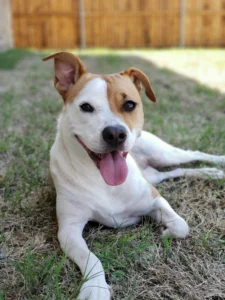
Still, work slowly and carefully because the glue can irritate their skin just like it does with cats.
Why Glue Traps Are Controversial
Beyond the danger they pose to pets, glue traps are considered inhumane by many animal welfare organizations. When a rodent gets stuck on a glue trap, they don’t die quickly.
Instead, they’re stuck there, often for hours or even days, struggling to escape. This causes extreme stress, exhaustion, and suffering.
Some rodents will chew off their own limbs trying to escape. They often die from stress, dehydration, or exhaustion rather than from any quick, humane method.
Many people who use glue traps don’t realize how cruel they actually are until they have to deal with a live rodent stuck on one. Because of this, several countries and cities have actually banned glue traps entirely.
If you care about animal welfare (which you probably do since you’re trying to help your cat), consider switching to more humane pest control methods that kill rodents quickly or allow you to release them outside unharmed.
Conclusion
Getting rat trap glue off your cat isn’t fun for anyone involved, but it’s definitely doable with the right approach
. The key is using oil-based products like cooking oil or petroleum jelly to break down the adhesive, then washing your cat thoroughly with dish soap to remove the oil.
Work slowly, be patient with your cat, and don’t use any harsh chemicals that could hurt them.
If the situation is beyond what you can handle at home, or if your cat has glue in sensitive areas like their eyes or mouth, don’t hesitate to call your vet.
Most importantly, think about whether glue traps are really the best option for your home. There are safer, more humane alternatives that won’t put your pets at risk or cause unnecessary suffering to the rodents you’re trying to catch.

Hi, my name is Ezra Mushala, i have been interested animals all my life. I am the main author and editor here at snakeinformer.com.