
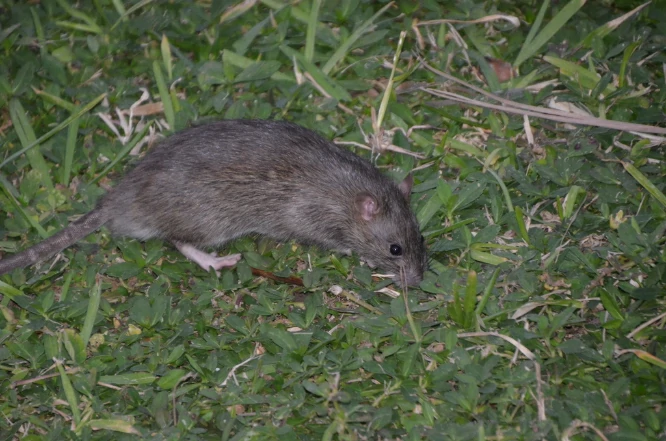
You’ve set out glue traps to deal with a rat problem, but now you’re wondering whether they’ll actually hold a rat. Rats are strong, determined animals, and glue traps don’t look that tough, so can a rat get out of a glue trap?
Yes, a rat can sometimes get out of a glue trap, especially if the trap is too small, old, dusty, or poorly made. A rat that gets loose is often hurt and stressed, so it’s not a good thing to count on.
A glue trap works best when it’s the right size, fresh, clean, and set in the right spot. The sections below explain why rats sometimes escape, what you should do if one does, and what to do if you find a rat partly stuck.
How Glue Traps Are Supposed to Work
Glue traps are boards or trays covered with a very sticky adhesive (a strong glue). When an animal walks across one, it sticks, and the more it moves, the more of its body touches the glue.
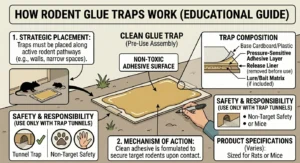
The adhesive is made to stay sticky for weeks or even months, though dust, moisture, and temperature can change how well it holds.
In theory, a rat that steps on a trap should stay stuck until you deal with the trap, but in real life that doesn’t always happen.
Rats are smart, strong, and quick. When they realize they’re stuck, they panic and pull with everything they’ve got (and sometimes that’s enough to get loose).
Can a Rat Really Get Out of a Glue Trap?
Yes, it can happen, especially with a small, old, or weak trap.
A rat that touches the glue with just one paw, and keeps the rest of its body off the board, can sometimes pull that paw loose before it’s held in more than one place.
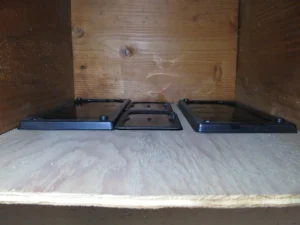
Large, strong rats have also been known to drag a light trap along with them, or to pull partway loose. They often lose fur and get hurt while they do it.
That’s not a good result for you, and it’s not good for the rat. A rat that gets loose is usually stressed and may be hurt, and it can end up hiding somewhere you can’t find it.
So you’re better off understanding why traps fail than counting on them to hold.
Why Some Rats Escape Glue Traps
Several things can let a rat get loose from a trap that you thought would hold it. Here are the most common ones.
The trap may be too small. A rat is much bigger than a mouse, so on a small board it may touch the glue with only a paw or two (and that’s often not enough).
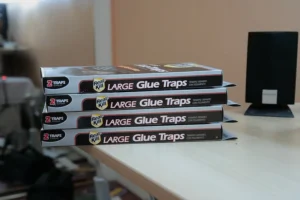
The glue may be weak or old. If you’ve left a trap out for weeks or months (even in a clean spot), dust can coat it and cut its grip.
Temperature can matter too. In very cold rooms, the glue gets less sticky, and in very hot ones, it can get soft and runny.
Oily bait can also be a problem. A pest supply company warns that bait like peanut butter has oils that can weaken the glue and make escape easier, so it’s best to skip it or use a very small amount.
A rat can sometimes jump over a board or walk around it, which is one reason pros use more than one.
What Happens When a Rat Tries to Get Away?
When a rat realizes it’s stuck, its reaction is quick and intense. It panics and pulls hard, and you may find the trap moved several feet from where you left it.
As it struggles, it may lose fur and hurt itself. A rat that does get loose can be left stressed and injured, which is one of the big reasons glue traps are so controversial.
If a rat manages to free one foot, it may use that to free the others, especially if the glue was weak to begin with.
None of this is something you want to see, and it’s another reason to choose your trap carefully.
Mouse Traps vs. Rat Traps: Size Matters
Glue traps come in different sizes for different animals, and using the wrong size is a common reason for escapes.
Mouse glue traps are small (often around 4 by 6 inches), and they aren’t made to hold a full-grown rat.
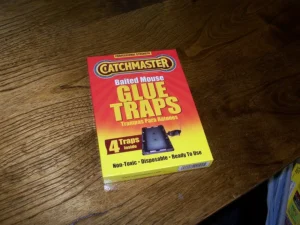
Rat glue traps are larger and use more adhesive, with many measuring somewhere around 10 by 18 inches. That gives more surface for several feet and part of the body to touch the glue.
If you’re dealing with rats, skip the mouse traps. Buy traps that say they’re made for rats on the package.
Some people lay several mouse traps side by side to make a bigger sticky surface. That can work, but it usually costs more than buying a rat-sized trap.
Do Brand and Quality Make a Difference?
They can. Cheap traps with thin or weak glue are more likely to fail than ones with a thick, fresh layer of adhesive.
Rather than trusting a brand name, look at the package. It should say the trap is made for rats, and it should list a safe temperature range.
Price isn’t a perfect guide, but very cheap traps often have less glue. Reviews can help, though keep in mind that they’re from regular customers, and results vary.
Check the date on the package if it has one, and don’t buy traps that look dusty or dried out. A trap that’s been sitting on a shelf for years may not hold well.
How Do Dust, Heat, Cold, and Moisture Affect a Glue Trap?
Where you put a trap can decide whether it holds a rat or not.
Dust and dirt are glue trap killers, so if you set one in a dirty spot, the glue gets coated quickly and loses its grip.
Cold can make the glue less sticky, and many traps lose grip below about 50 degrees Fahrenheit (some are made for cold spaces).
Heat can make the glue soft and runny, and in a hot attic in summer it may spread past the board or lose some of its grip.
Moisture can also cause trouble, since a wet cardboard trap can break down. Direct sunlight can dry out or melt the glue too.
Most traps stay sticky across a wide range, roughly 50 to 110 degrees Fahrenheit. Check the package for the range on your trap, and keep traps in dry, shaded spots indoors.
What to Do If You Find a Trap That Moved or Has No Rat
If you find a trap that’s been dragged, damaged, or covered in fur but has no rat on it, the rat probably got loose. Here’s what to do.
Replace that trap right away, since a damaged or used trap won’t hold as well as a fresh one. You’ll want to pick up the old one with gloves on.
Look around for signs of the rat, like fur, droppings, or a trail showing where it went. Wear gloves, and clean up any droppings with disinfectant (wet them first, and don’t sweep or vacuum).
Check your other traps too. If one failed, you may find that the others are old or dusty as well.
Think about switching methods. A rat that got away once may be wary of glue, so you may have better luck with a good snap trap or an electronic trap.
If you want to stop using glue traps, a pro can help you find the entry points and set up a plan.
What If You Find a Rat Partly Stuck?
Sometimes a rat isn’t fully stuck, and it isn’t loose either. It may be caught by a foot or two and still dragging the trap around.
That’s a hard situation for you and for the animal. A partly stuck rat can still bite, and it can move faster than you expect.
Don’t chase it or try to grab it. Keep kids and pets away, stay calm, and call animal control, a pest control company, or a vet right away.
If it’s stuck in one place, you can gently cover it with a towel to help it feel calmer, and keep the room quiet until help arrives.
Please don’t leave it overnight if you can reach someone sooner. A rat that’s stuck and scared needs your help quickly.
What You Should Never Do to a Rat on a Glue Trap
When you’re stressed and the rat is frightened, it’s easy to reach for a quick fix you saw online. Most of those ideas make things worse, so here’s what to avoid.
Don’t drown it. It’s cruel, and it can also be illegal.
In England, people have been prosecuted under the Animal Welfare Act 2006 for drowning trapped wild animals, such as squirrels.
In the US, the rules vary from state to state, so don’t assume it’s allowed where you live.
Don’t freeze it, either. The cold is slow and stressful, and it isn’t the gentle end some people think it is.
Don’t use blunt force, like hitting the rat with a heavy object. Doing it wrong can be inhumane, because a miss leaves the rat hurt and in more pain.
Don’t leave the rat to die in the trap, and don’t throw the trap away with the rat still alive. Either way, it suffers slowly where nobody can help.
Don’t pull or peel the rat off the board. That can tear its skin and fur, and it only makes the rat panic.
Don’t use chemicals, sprays, gas, or fumes. They can cause pain and stress, and they can seriously hurt you too.
Don’t handle the rat with bare hands, and don’t squeeze, shake, or hold it tightly. A scared rat can bite hard, and its urine and droppings can carry diseases.
Don’t take it far away and let it go. It may not survive, it can find its way back, and in some places it’s against the law.
Why Many Experts Say Glue Traps Aren’t a Good Choice
Many animal welfare groups and pest control experts say you shouldn’t use glue traps, because an animal can stay stuck and frightened for a long time.
That can mean hours or even days, and the animal is awake and stressed the whole time. That’s a big reason why many pros now steer people toward other traps.
Some places have banned or limited glue traps. England is one example, and parts of Australia are another, so check your local rules before you buy or use one.
Leaving a rat stuck on a trap and ignoring it for days is widely seen as cruel, and in some places it may break animal cruelty laws.
What Are Better Options Than Glue Traps?
If you’re worried about rats escaping, or you don’t like the ethics of glue, you have other choices (and some are easier than you’d think).
A good-quality snap trap made for rats, set the right way, is usually seen as a quicker and kinder option. You can also clean and reuse it.
Electronic traps are made to work in seconds. They cost more than other traps, often around $30 to $60, but you can use them many times.
Professional pest control can be worth it. Pros have the training and tools to deal with a rat problem, and they can find where rats are getting in.
Poison is another option people think about, but it can put pets, kids, and wildlife at risk, so it’s usually best left to licensed pros.
The best long-term fix is sealing up entry points and removing food sources, so rats have no reason to come in.
How Does a Rat Act After It Escapes a Glue Trap?
A rat that gets away from a trap will likely be more careful afterward. Rats are naturally wary of new objects in their space (this is called neophobia, which just means fear of new things).
That wariness can get even stronger after a bad experience. The rat may avoid new traps, or avoid the area where it got stuck and use a different path through your home.
It’s not likely to leave your home, though. It will usually just get harder to catch.
If you’ve had a rat escape, it’s smart to switch to a different kind of trap and set it in a fresh spot.
If You Still Choose Glue Traps, How Can You Lower the Chances of Escape and Suffering?
If you decide to use glue traps anyway, a few habits can help.
Use large traps made for rats, and set them flat against walls where rats already run. Rats usually travel along walls, so a trap there is far more likely to hold one.
Skip oily bait like peanut butter (or use only a tiny amount), since oil can weaken the glue, and use more than one trap in a busy spot.
Check your traps at least twice a day, once in the morning and once in the evening. The sooner you find a catch, the sooner the animal can get help.
Replace traps that are dusty or old, and keep them away from kids and pets. Set them only indoors, where wildlife can’t wander into them.
Before you start, write down the number of a pest control company, animal control, and a vet. Then you know who to call if you catch a live animal.
What Do Pros Do Differently?
Pest pros often get better results because they know a few things most homeowners don’t.
They pick the right size and type of trap for the job, and they know where to put it by reading signs like droppings and greasy rub marks along walls.
They check traps often, and they usually use more than one method at a time (traps, sealing entry points, and removing food).
They also know the local rules and how to deal with a live animal safely. If you’re struggling with a rat problem, the cost of a pro can be worth it.
What Are the Legal and Disposal Basics?
Rules about glue traps, and about dealing with animals caught in them, vary a lot from place to place. Check your local rules, or call animal control if you’re not sure.
If a rat is still alive, don’t throw the trap away. Call a pro or a vet, since discarding a live animal can be considered cruelty in some places.
If the animal has died, put on thick gloves, spray the trap with disinfectant, and seal it in two plastic bags. Then place it in an outdoor trash bin with a tight lid.
Wash your hands well afterward, even if you wore gloves.
How to Store Glue Traps So They Work
How you store unused traps affects how well they’ll work when you need them.
Keep them in their original packaging until you use them. The packaging protects the glue from dust and moisture.
Store them in a cool, dry place, and flat, since heat and humidity can break down glue over time. Check the package for any date or storage notes.
Don’t stack heavy items on top of them, since pressure can make the glue spread.
Once you open a trap, use it within a few weeks. If you buy traps in bulk, make sure you’ll use them before they get old, because an old trap isn’t a bargain if it doesn’t hold.
Conclusion
A rat can sometimes get out of a glue trap, especially if the trap is too small, old, dusty, or weak. A rat that gets loose is often hurt and stressed, so it’s not something to rely on.
Using a large, fresh trap made for rats, keeping it clean, and setting it in the right spot all help. Checking it at least twice a day matters just as much.
Even when glue traps work, many experts say they cause too much suffering. A good snap trap, an electronic trap, sealing entry points, or a pro can do the job with fewer problems.
If you ever find a live rat, call for help instead of handling it yourself.

Hi, my name is Ezra Mushala, i have been interested animals all my life. I am the main author and editor here at snakeinformer.com.