
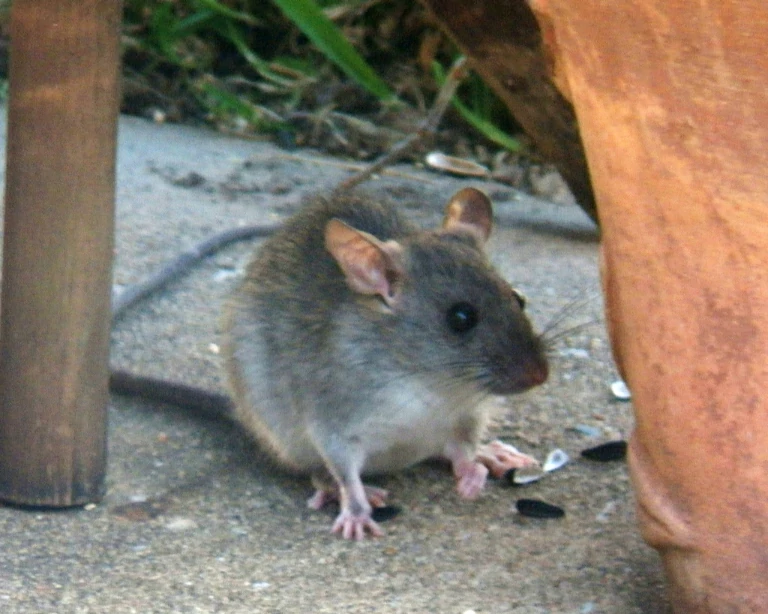
Rat glue traps are one of the most common ways people deal with rodent problems in their homes. These traps use a super sticky adhesive to catch rats when they walk across the surface, but many people wonder if they need to add anything to make them work better.
If you’ve just bought a glue trap and you’re staring at it wondering what comes next, you’re not alone. But what should you put on a rat glue trap to actually catch rats?
You don’t need to put anything on a rat glue trap for it to work, but adding bait like peanut butter, chocolate, or dried fruit in the center can make it much more effective. The bait attracts rats to walk onto the sticky surface where they’ll get trapped.
Glue traps work on their own because rats are naturally curious and will walk across new objects in their environment.
But if you really want to increase your chances of catching a rat, placing a small amount of bait in the middle of the trap gives them a reason to go straight to it instead of just walking around it.
How Rat Glue Traps Work Without Bait
Rat glue traps are designed to catch rats even if you don’t put any bait on them. The traps are usually placed along walls or in corners where rats naturally travel.
Rats don’t have great eyesight, so they tend to move along edges and walls where they can feel their way around. When you place a glue trap in their path, they’ll often walk right onto it without even realizing what it is.
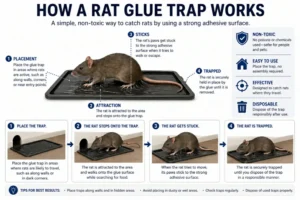
The adhesive on these traps is incredibly strong. Once a rat steps on it, the glue sticks to their feet and fur. When they try to pull away, they just get more stuck. The more they struggle, the more of their body gets trapped in the glue.
But here’s the thing: rats are smart. If they see something new in their usual path, they might walk around it instead of over it. This is where bait comes in really handy.
The Best Baits to Put on Rat Glue Traps
If you want to make your glue trap more effective, adding the right bait can make a huge difference. Rats are attracted to foods that are high in fat, protein, and sugar.
Peanut butter is probably the most popular choice. It’s cheap, smells strong, and rats absolutely love it. Just put a small dollop (about the size of a penny) right in the center of the trap. The smell will attract rats from across the room.
Chocolate is another great option. You can use chocolate chips, a small piece of a chocolate bar, or even chocolate syrup. Rats have a sweet tooth, and the smell of chocolate is hard for them to resist.
Dried fruit works really well too. Things like raisins, dried cranberries, or pieces of dried banana are perfect. They smell sweet and rats find them irresistible.
Nuts are also effective. You can use almonds, walnuts, or even sunflower seeds. The oils in nuts give off a strong smell that attracts rats.
Some people also use bacon or other cooked meats. The smell of fat and protein is very attractive to rats, but meat can spoil quickly and start to smell bad in your home.
Where to Place the Bait on the Trap
The placement of your bait really matters. You can’t just stick it anywhere on the trap and expect good results.
Always put the bait right in the center of the glue trap. This forces the rat to walk completely onto the sticky surface to reach the food. If you put the bait too close to the edge, a rat might be able to grab it without getting fully trapped.
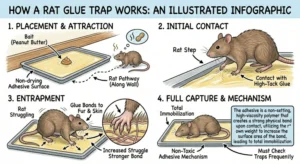
Use only a small amount of bait. You don’t need a huge pile of peanut butter or a handful of raisins. Just a tiny bit is enough to create a smell that attracts the rat. Too much bait can actually make a mess and reduce how well the glue works.
Make sure the bait doesn’t cover too much of the sticky surface. The whole point is for the rat to step on the glue, not just eat food sitting on top of it.
Other Things You Can Add to Attract Rats
Besides food bait, there are a few other things you can use to make your glue trap more attractive to rats.
Nesting material can work well, especially if you’re dealing with a female rat looking for a place to build a nest. You can put a small cotton ball or some shredded paper in the center of the trap. Rats will want to grab it and take it back to their nest.
Some people use a drop or two of vanilla extract. The sweet smell can attract rats, and it won’t spoil like food might. Just don’t use too much or it can overpower the trap area.
You can also use cooking oil. A tiny drop in the center can create a smell that attracts rats. But be careful because too much oil can actually reduce how sticky the glue is.
Where to Place Your Baited Glue Traps
Even with the perfect bait, your trap won’t work if it’s not in the right spot. You need to put it where rats actually travel.
Look for signs of rat activity. This includes droppings (which look like dark grains of rice), gnaw marks on food packages or furniture, or greasy smear marks along walls where their fur rubs.
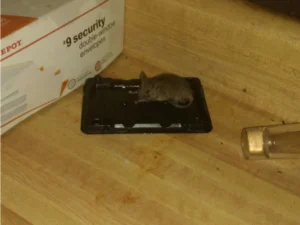
Place traps along walls, not in the middle of rooms. Rats almost always travel along edges where they feel safe. Put the trap with the long side against the wall so the rat has to walk across it.
Check corners and behind appliances. Rats love to hide in dark, quiet spaces. Behind the refrigerator, under the sink, or in the corner of a pantry are all great spots.
Put traps near food sources. If you’ve seen evidence of rats getting into your pantry or garbage, place traps nearby. They’ll be coming back to these spots regularly.
How Many Traps You Should Use
One trap usually isn’t enough if you have a real rat problem. Rats are careful creatures, and they might avoid the first trap they see.
Use multiple traps in the same area. If you know rats are active in your kitchen, put down 3-4 traps in different spots. This increases your chances of catching one.
Place traps in several rooms. Rats can travel throughout your entire home, so you might need traps in the kitchen, garage, basement, and anywhere else you’ve seen signs of activity.
Replace traps regularly. Even if you don’t catch anything, the glue can collect dust and lose its stickiness over time. Check your traps every few days and replace them if needed.
What Happens After a Rat Gets Trapped?
Once a rat walks onto your baited glue trap, it’ll get stuck pretty quickly. The glue is designed to hold them in place so they can’t escape.
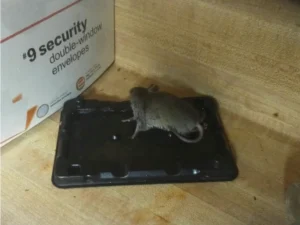
The rat will struggle and try to pull free. This is actually when the trap works best because the more they move, the more stuck they get. Their entire body, including their tail and sometimes their face, will end up covered in glue.

You’ll need to check your traps regularly. A rat stuck on a glue trap will make noise, squeak, and try to get free. It’s not a pleasant situation, and you don’t want to leave a trapped rat there longer than necessary.
When you find a trapped rat, you’ll need to dispose of it. Most people throw the entire trap away (with the rat still on it) in an outdoor garbage can. Some areas have specific rules about this, so check your local regulations.
Common Mistakes People Make With Baited Glue Traps
Even with bait, people often make mistakes that reduce how well their traps work. Here are the most common problems.
Using too much bait is a big mistake. A huge glob of peanut butter or a pile of food can actually help the rat avoid the sticky part of the trap. Keep it small and centered.
Placing traps in the wrong spots won’t work no matter how good your bait is. If you’re not putting traps where rats actually travel, you won’t catch anything.
Not using enough traps means you’re leaving too much to chance. One or two traps in a house with a rat problem won’t cut it.
Giving up too soon is another issue. Rats are cautious and might avoid new traps for a day or two. Give it at least a week before you decide the traps aren’t working.
Touching the trap with bare hands can leave your scent on it. Rats have a good sense of smell and might avoid a trap that smells like humans. Use gloves when you’re setting up traps.
Are There Better Alternatives to Glue Traps?
Glue traps with bait can work, but they’re not the only option for dealing with rats. Some people prefer other methods.
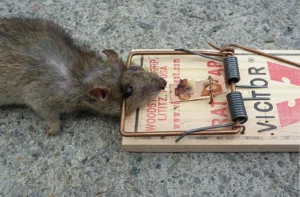
Snap traps are more humane in many ways because they kill rats instantly instead of leaving them stuck and stressed. You bait these the same way you would a glue trap, but they use a spring-loaded bar to kill the rat quickly.
Live traps catch rats without hurting them. You can then release the rat far from your home. These need bait too, and you use the same types of food that work on glue traps.
Electronic traps deliver a quick electric shock that kills rats instantly. They’re more expensive but very effective and considered more humane than glue traps.
Poison bait stations use rodenticide to kill rats. The rat eats the poison and dies later. But this can be dangerous if you have pets or kids in the home.
Tips for Making Your Baited Trap More Effective
If you want to get the best results from your baited glue trap, there are a few extra tricks you can use.
Warm up peanut butter slightly before putting it on the trap. This makes the smell stronger and more attractive to rats. Just microwave it for a few seconds.
Mix different baits together. Try peanut butter with a few chocolate chips pressed into it, or peanut butter with a raisin on top. The combination of smells can be even more attractive.
Replace the bait every few days if you haven’t caught anything. Old bait loses its smell and won’t attract rats as well.
Keep the area around the trap clean. If there’s other food available nearby, rats might go for that instead of your bait. Clean up crumbs, seal food in containers, and take out the garbage regularly.
Be patient and persistent. Sometimes it takes a while to catch a rat, even with perfect bait and placement. Don’t give up after just a day or two.
Conclusion
You don’t technically need to put anything on a rat glue trap for it to work, but adding the right bait can make a huge difference in how effective it is.
Peanut butter, chocolate, dried fruit, and nuts are all great choices that rats find hard to resist. The key is to use a small amount, place it right in the center of the trap, and put the trap in spots where rats actually travel.
Remember that glue traps work best when you use several of them at once and place them along walls and in corners where rats naturally move. Check your traps regularly and be patient because rats can be cautious around new objects in their environment.
While baited glue traps can definitely help you catch rats, they’re not the only option. Consider whether other methods like snap traps or live traps might work better for your situation.
Whatever you choose, the most important thing is to deal with the rat problem quickly before it gets worse.

Hi, my name is Ezra Mushala, i have been interested animals all my life. I am the main author and editor here at snakeinformer.com.