
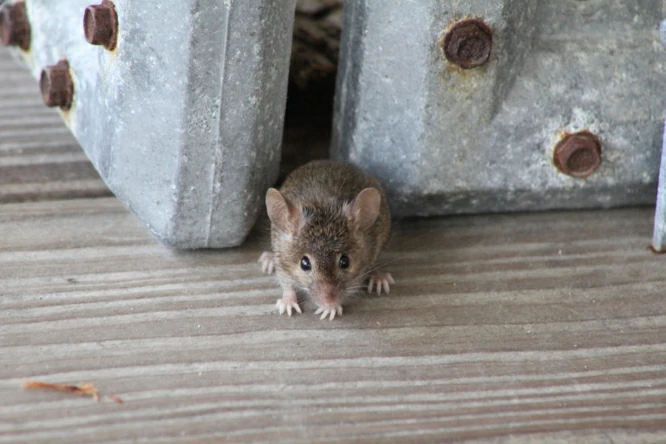
Weep holes are small openings in the exterior walls of brick and stone homes that serve an important purpose. They let moisture drain out from behind the walls, preventing water damage and mold growth.
But these necessary openings in your home’s walls might also be creating an easy entry point for unwanted visitors. If you’ve spotted mice around your house, you might be wondering about these small gaps in your brickwork. Can mice get in through weep holes?
Yes, mice can absolutely get in through weep holes. These drainage openings are typically ⅜ inch wide, which is more than enough space for a mouse to squeeze through. Weep holes are located near ground level where mice naturally travel, making them convenient entry points into wall cavities and potentially your home’s interior.
Weep holes are designed to be open by nature, which makes them one of the easier access points for mice to exploit. Since they’re a necessary part of your home’s drainage system, you can’t just seal them up completely without risking moisture problems.
What Weep Holes Are and Why They Exist
Weep holes are intentional gaps left in the mortar joints of brick veneer walls. They’re usually placed every few feet along the bottom course of bricks, right above the foundation.
Their main job is to let water escape. When rain hits your brick walls, some of it gets behind the brick veneer into the cavity between the brick and your home’s actual structure.
Without weep holes, this water would get trapped and could cause serious damage. It can rot wood framing, damage insulation, promote mold growth, and even compromise the structural integrity of your walls.
Building codes actually require weep holes in brick veneer construction. So every brick home built to code has these openings, typically spaced 24 to 33 inches apart.
The standard size for a weep hole is about ⅜ inch tall, though they can vary. This size is perfect for drainage but unfortunately also perfect for mice.
Why Are Weep Holes Are Attractive to Mice?
Weep holes are located right at ground level, exactly where mice naturally travel. Mice don’t usually climb up walls unless they have to, so these low openings are easy for them to find.
The holes lead directly into the wall cavity, which provides protection from predators and weather. To a mouse, this cavity is like a safe highway through your home’s exterior.
Wall cavities stay relatively warm in winter because they’re close to your home’s heated interior. Mice can sense this warmth and are drawn to it when they’re looking for shelter.
These openings are also dark, which mice prefer. They’re most active at night and feel safer in dark, enclosed spaces.
Once inside the wall cavity through a weep hole, mice can travel vertically and horizontally. They can access different levels of your home and potentially find ways into your living space through gaps around pipes, wires, or vents.
How Mice Use Weep Holes to Get Inside
A mouse will typically explore along the foundation of your home, using its whiskers to detect openings. When it finds a weep hole, it can tell immediately that it leads somewhere protected.
The mouse can easily squeeze through the ⅜-inch opening. Remember, mice can fit through any hole their head can fit through, and their skulls can compress to fit spaces as small as ¼ inch.

Once in the wall cavity, the mouse will follow the space upward or sideways. It’s looking for food sources, nesting material, and other mice.
From the wall cavity, mice can find their way into your home through various openings. Common routes include gaps around plumbing pipes, spaces where electrical wires enter, or damaged areas in your interior walls.
Even if the mice don’t make it into your living space, having them in your wall cavities is still a problem. They’ll leave droppings, urine, and can chew on wiring and insulation.
Signs Mice Are Using Your Weep Holes
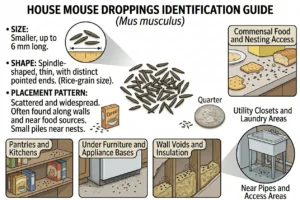
Look for small droppings near weep holes on the outside of your home. Fresh mouse droppings are dark and moist, while older ones are gray and crumbly.
You might see tiny paw prints in dust or dirt near the weep holes. Mouse tracks show four toes on the front feet and five on the back feet.
Rub marks along the foundation or brick near weep holes can indicate regular mouse traffic. These marks come from the oils in their fur and look like dark, greasy smudges.
If you hear scratching or scurrying sounds inside your walls, especially at night, mice might be traveling through your wall cavities after entering through weep holes.
Finding nesting material like shredded paper or fabric near weep holes or seeing signs that vegetation near the holes has been disturbed can also indicate mouse activity.
How to Protect Weep Holes from Mice
The best solution is installing weep hole covers or screens specifically designed for this purpose. These products allow water to drain out while keeping mice and insects from getting in.
Stainless steel mesh screens are really effective. They come in rolls that you can cut to size and fit into each weep hole. The mesh is fine enough to block mice but open enough for water drainage.
Plastic weep hole covers are another option. These look like small vents and snap into the weep holes. They have louvers or slots that let water out but are designed to keep pests out.
Some people use copper mesh, which works similarly to steel wool but won’t rust. You stuff it loosely into the weep hole so water can still get through but mice can’t.
Whatever material you use, don’t pack it so tightly that water can’t drain. The whole point of weep holes is moisture management, and blocking them completely will cause bigger problems than mice.
Which Weep Hole Covers Keep Mice Out?
Tube-style weep vents are plastic tubes that fit into the weep hole opening. They angle downward so water can drain out, but the design makes it hard for mice to climb up and in.
Screen-style covers are flat pieces of mesh that cover the weep hole opening. You can secure them with mortar, construction adhesive, or they come with clips that hold them in place.

Louver-style vents look like tiny versions of the louvers on a vent. They allow airflow and water drainage while creating a barrier against rodents.
Some products combine a screen with a louver design. These give you double protection and work really well in areas where mouse pressure is high.
For a DIY approach, you can use stainless steel scrubbing pads (the kind without soap). Cut them to size and insert them into the weep holes, making sure they’re not packed too tight.
How to Install Weep Hole Protection
Start by cleaning out your weep holes. Use a small brush or compressed air to remove any dirt, debris, or old insect nests that might be blocking them.
Count how many weep holes you have and measure them. Most homes have dozens of weep holes, so you’ll need enough material to cover all of them.
If you’re using mesh, cut pieces that are slightly larger than the weep hole opening. This gives you material to work with when securing them.
For adhesive-backed products, make sure the brick surface is clean and dry before applying. Press firmly to ensure good contact.
If you’re using mortar to secure screens, apply a small amount around the edges of the hole, press the screen in, and smooth the mortar. Don’t block the hole itself with mortar.
Check your work by running water over the protected weep holes. The water should drain through easily. If it backs up or drains slowly, you’ve blocked the hole too much.
When Should You Check and Replace Weep Hole Covers?
Inspect your weep hole covers at least twice a year, ideally in spring and fall. Look for damage, displacement, or signs that mice have been trying to get through.
After heavy storms, check that the covers are still in place and that water is draining properly. Strong winds or driving rain can sometimes dislodge protective screens.
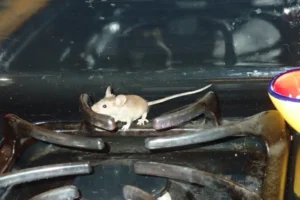
If you see signs of mouse activity near the weep holes despite having protection, check if the covers have been compromised. Mice might have chewed through plastic covers or pushed aside loose mesh.
Replace any damaged or missing covers immediately. Even one unprotected weep hole can give mice access to your wall cavities.
If you’ve used steel wool or copper mesh, check it for rust or deterioration. While copper resists rust better than regular steel, it can still break down over time.
What Other Entry Points Should You Check Around Your Foundation?
Since you’re dealing with weep holes, it’s a good time to inspect the rest of your foundation. Look for cracks in the concrete or gaps where the foundation meets the siding.
Check where utilities enter your home. Gaps around pipes, cables, and wires are common entry points that mice love to use.
Inspect your basement windows. The wells around basement windows can give mice protected access to your foundation, and window frames often have gaps.
Look at your garage door seal. A worn or damaged seal at the bottom of your garage door is basically a welcome mat for mice.
Don’t forget about vents (dryer vents, bathroom vents, and foundation vents). These should all have screens or covers that are in good condition.
What to Do If Mice Are Already Inside Your Walls
If you’ve found evidence that mice are already using your weep holes, protect the holes first to stop more mice from getting in. Then deal with the ones already inside.
Snap traps are still one of the most effective ways to catch mice. Place them along walls where you’ve seen signs of activity, with the trigger end facing the wall.
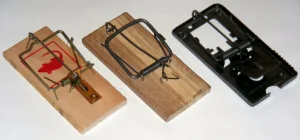
Check traps daily and dispose of any caught mice. Wear gloves when handling dead mice and seal them in plastic bags before putting them in outside trash.
After you’ve caught the mice, clean the areas where they’ve been. Mouse droppings and urine can carry diseases, so wear a mask and gloves when cleaning.
If you’re dealing with a large infestation or if mice keep coming back despite your efforts, it’s time to call professional pest control. They can identify all entry points and set up a comprehensive treatment plan.
How to Prevent Mice From Entering Through Weep Holes
Keep vegetation trimmed back from your foundation. Mice use overgrown plants as cover when they’re exploring your home’s exterior for entry points.
Don’t stack firewood or building materials against your house. These create shelter for mice and give them easy access to your walls.
Keep your yard clean and free of debris. Piles of leaves, old lumber, or junk give mice places to nest outside before they move into your walls.
Store pet food and bird seed in sealed containers. These food sources attract mice to your property in the first place.
Fix any moisture problems around your foundation. Standing water or constantly damp soil attracts insects, which in turn attract mice looking for food.
Conclusion
Weep holes absolutely can let mice into your wall cavities and potentially into your home. These necessary drainage openings are the perfect size for mice and located exactly where mice naturally travel.
The good news is that protecting weep holes from mice while maintaining their drainage function is totally doable. Proper screens, covers, or mesh inserts can keep rodents out while letting water escape.
Don’t make the mistake of completely sealing weep holes with caulk or solid materials. This will trap moisture in your walls and cause damage that’s way more expensive to fix than a mouse problem.
Regular inspection and maintenance of your weep hole protection is important. Check your covers seasonally and replace any that are damaged or missing. This small effort can save you from a much bigger rodent problem down the road.

Hi, my name is Ezra Mushala, i have been interested animals all my life. I am the main author and editor here at snakeinformer.com.