
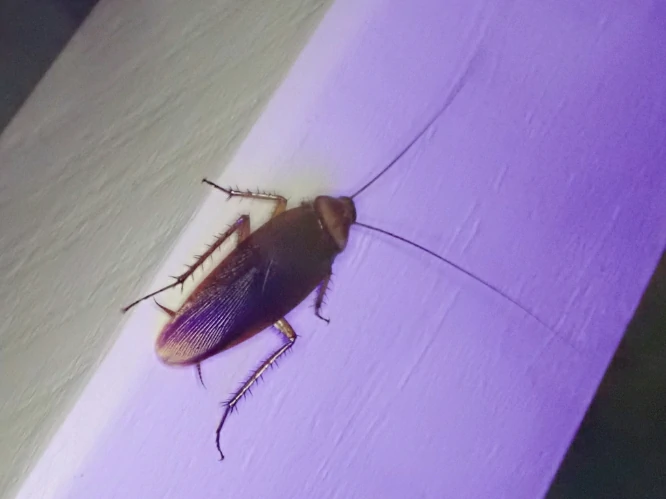
Glue traps are sticky boards that plenty of people put down to catch roaches, mostly because they’re cheap and easy to use. But are glue traps inhumane for roaches?
Glue traps can be inhumane for roaches. A stuck roach can’t escape, and it may struggle for a long time before it dies. Research also suggests adult roaches can feel pain.
The glue holds a roach in place, so it can’t eat or drink while it waits. Scientists still debate how much roaches feel, but the evidence is strong enough that many people want kinder options.
How Do Glue Traps Work On Roaches?
A roach glue trap is a small cardboard or plastic tray with a sticky top, and you’ll find flat cards as well as ones that fold into a little tent.
The glue never dries out. So when a roach walks across it, its feet stick, and every move it makes glues down more of its body.
Roaches don’t see the trap as danger. They travel along walls and edges in the dark, so a trap you place there sits right in their path.
Some traps also give off a scent (a pheromone, which is a chemical roaches use to signal each other) that pulls them in.
Once a roach is stuck, it usually can’t pull free. Roaches are strong for their size, but the glue is stronger.
That’s how the trap works, and it’s also where the trouble starts. The trap holds the roach alive instead of killing it quickly.
Glue Traps Were Designed To Monitor Roaches, Not Kill Them
Here’s something a lot of people don’t know: pest control experts mostly use sticky traps to find roaches, not to wipe them out.
A trap can show you which kind of roach you have, where they like to hide (cracks, behind appliances), and how bad the problem really is.
That matters because roaches stay out of sight during the day. A German roach (a very common roach indoors) can squeeze into a crack just 1/16 of an inch wide.
Pros put traps along walls, under sinks, and near appliances, then check them often and write down where the most roaches show up.
Finding one roach is a sign to start baiting and cleaning. Finding more than five in one check means you need a bigger plan.
So the trap was never meant to be your only weapon, and using it that way is where a lot of people go wrong.
A Glue Trap Can Help You Figure Out Which Roach You Have
Not every roach acts the same, so the right fix depends on which one you’ve got, and a trap can help you catch one to figure it out.
The German roach is the one most people deal with indoors. It’s small and tan, with two dark stripes behind its head, and it loves kitchens and bathrooms.
Brownbanded roaches like warmer spots, which makes them more likely to show up in places like the top shelf of a cupboard.
American, oriental, and Turkestan roaches usually live outdoors and sneak inside now and then, so a trap near an outside door can catch them as they come in.
That’s useful because outdoor roaches need a different plan, and for them, baits often go in water meter boxes, drains, or under concrete slabs.
German roaches don’t wander in from outside the way those do, because they usually hitch a ride hidden in boxes, grocery bags, or used furniture you bring home.
What Happens To A Roach Stuck On A Glue Trap?
It all starts fast. The roach steps onto the glue, and its feet stop working before it can even turn around.
It pulls and twists to get free, but every move glues down another leg, a wing, or part of its belly.
After a while, it runs out of strength. It can’t reach food or water, and it can’t get back to its hiding spot (usually a dark crack).
How long it takes to die is hard to say, since roaches are tough, but they usually last only about a week without water and about a month without food.
So a stuck roach may live a day or more before it finally gives out, and that’s a long time to be stuck.
A female German roach carries her egg case (called an ootheca, a small capsule that holds her eggs) until the young are almost ready to hatch. If she gets stuck, her unborn young are stuck with her.
Either way, the trap doesn’t give a quick end.
Can Roaches Actually Feel Pain?
This is the big question, and experts don’t fully agree on it. For a long time, most of them believed insects felt nothing at all.
That view is changing, though. A large 2022 review of more than 300 studies found strong evidence for pain in adult cockroaches, flies, mosquitoes, and termites.
Those insects met six of the eight signs used to judge pain, such as sensing harm, protecting a hurt body part, and weighing danger against other needs.
In one study, a team exposed cockroaches to heat. The roaches tried to escape it, which suggests a brain response and not just a simple reflex.
The first step has a name, nociception (the body’s way of sensing something harmful), and many insects have it.
However, sensing harm isn’t the same as feeling pain, and that’s the part experts still argue about.
Young roaches (called nymphs) have less research behind them, so the evidence there points the same way but isn’t as strong.
The Science Isn’t Settled, So Many People Play It Safe
Nobody can prove what a roach feels, since we can’t ask one and we can’t get inside its head.
So the real question is how careful you want to be when you don’t know, and that’s a personal call.
Many people choose to be careful. If a roach might feel pain, a slow death on glue is a risky thing to put it through.
Most animal welfare laws leave insects out, and that includes roaches. However, a 2022 law in the UK now protects animals like octopuses, crabs, and lobsters as beings that can feel.
The team behind that big review says insects belong on that protected list too.
That doesn’t mean using a glue trap makes you cruel, but it does mean the question is a fair one to ask.
You can answer it based on what you’re comfortable with, and there are plenty of other good options (more on those below).
Are Glue Traps For Roaches Legal?
Yes, roach glue traps are legal in most places. The bans you may have heard about are mostly aimed at traps for mice and rats.
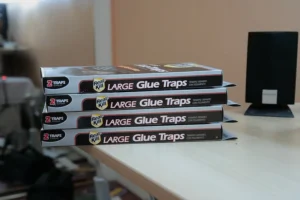
England’s 2024 ban, for example, covers glue traps used to catch rodents, and sticky traps made for insects aren’t part of it.
Ireland, Scotland, Iceland, and New Zealand have banned glue traps too, mostly with mice and rats in mind.
Lawmakers in the US have pushed similar bills for rodent traps, and one sponsor said the bill wouldn’t touch insect control.
However, rules can change and they can vary from city to city, so if you live somewhere with a ban, check your local rules before you buy.
Do Glue Traps Catch Other Animals By Accident?
They can, because a sticky trap can’t tell a roach from anything else that walks onto it.
Small lizards, spiders, and beetles can all get stuck, and if you live somewhere warm, house geckos often run along the same walls roaches use.
Picture a little gecko hurrying along the baseboard at night. It steps on the trap, and now you have a much bigger problem than roaches.
Rodent glue boards have a bad reputation for catching birds and even cats, and the RSPCA and other welfare groups have pushed for bans because of it.
Pets can get into trouble too, since a curious cat or dog can end up with glue on a paw or nose.
If a small animal does get stuck, many wildlife rescuers suggest dripping cooking oil onto the glue to loosen it, then calling a vet or a wildlife rehabber for help.
So keep traps in tight, hidden spots (under the fridge, behind the stove, or inside a cupboard), and check them every day.
Glue Traps Won’t Fix A Roach Problem On Their Own
Even if you’re fine with glue traps, they don’t solve much, because they only catch the roaches that happen to walk across them.
Most of the colony stays hidden in cracks, behind walls, and inside appliances. A sticky board can’t reach it, no matter how many you put out.
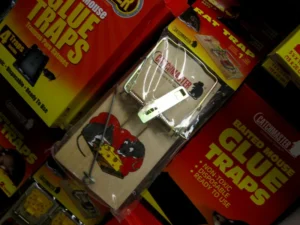
German roaches also multiply fast, with 3 to 6 generations (full life cycles) in a single year, and a female carries her eggs in a case that holds many young.
So a trap with ten dead roaches may sound like a win. However, there are probably many more roaches you never saw.
Pest experts agree that cleaning up and sealing cracks matter most, and that baits work better than sprays.
Think of a glue trap like a thermometer instead of a medicine, because it tells you how bad things are but it won’t cure anything.
Roaches Are Worth Getting Rid Of, But Not At Any Cost
None of this means you should just live with roaches, because they cause real problems and it’s okay to want them gone.
Roaches leave behind saliva, droppings, and bits of old skin (called cast skins, which they shed as they grow). These hold allergens, which are substances that set off allergic reactions.
For some people that means sneezing and itchy skin, and for others it means asthma attacks (a lung problem that makes it hard to breathe).
One well known study followed 476 children with asthma in eight US inner city areas to see what made their asthma worse.
Kids who were allergic to roaches and lived with high levels of roach allergen in their bedrooms ended up in the hospital more than three times as often as the other kids.
Roaches can also spread germs onto food and kitchen counters, which is another good reason to deal with them.
So the goal isn’t to feel bad about getting rid of roaches. It’s to pick a method that works and doesn’t leave a creature suffering longer than it has to.
What Works Better Than Glue Traps For Roaches?
The good news is that the methods that work best don’t leave a roach stuck and alive.
Gel baits come first, and you just put small dots of gel in corners and cracks so roaches eat it and carry it back to their hiding spots.
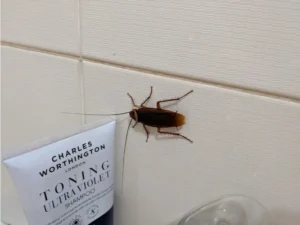
Bait stations work the same way, but they keep the poison inside a small plastic case, which is safer around kids and pets.
Boric acid dust (a white powder that’s toxic to roaches) can help in dry spots like behind outlets and under cabinets, though it only works if it stays dry.
Cleaning matters more than most people think, so wipe up crumbs, don’t leave dishes out overnight, and take out the trash often.
Keep your pet food in sealed containers too, since roaches will happily eat it, and fix any leaks because they need water more than food.
A dripping pipe can keep a whole colony going. So it’s worth sealing cracks around pipes, doors, and baseboards, then vacuuming up any roaches, egg cases, and droppings you find.
If the problem is big, call a licensed pest professional (someone trained and certified to treat roaches). Apartment buildings with shared walls often need a plan for the whole building.
What Should You Do If A Roach Is Alive On The Trap?
It happens, and it’s not a nice moment, especially when you open a cupboard and see a roach still moving on the board.
There isn’t one perfect answer, since nobody has tested which method hurts a roach least.
Some people seal the whole trap in a bag and put it in the freezer. Others pick something quick, like a firm press with a thick wad of paper towel.
Neither method is proven to be kinder, but what matters most is that a stuck roach shouldn’t be left to suffer for days.
Whatever you pick, wear gloves, because roaches can carry germs and you don’t want those on your hands.
Wash your hands well afterward, and wipe the spot with soap and water.
Then change the plan, and check traps every day so a roach never sits stuck for long, or switch to baits instead.
How To Use Glue Traps More Responsibly If You Still Want To
Maybe you’ve thought it over and you still want to use them, and that’s your call, but you can cut down the harm.
Use them to find roaches, not to kill them, and treat each trap like a map that shows where the problem is.
Date every trap and write down where you put it, then check it daily at first.
Place traps flat on the floor along walls and in corners, since roaches travel along edges, and put a few under sinks and behind appliances too.
Keep them out of reach of pets, kids, and small wildlife, and never put them outside, where lizards, frogs, and birds can get caught.
A trap with a cover or tent shape may also keep bigger creatures from stepping on it.
Replace a trap once it’s full or dusty, because a full trap stops catching anything.
Pair them with baits and sealed cracks, and once the roaches are gone and your traps stay empty, you can stop using them.
Conclusion
Glue traps can be inhumane for roaches, because a stuck roach can’t escape and it may suffer for a long time.
The science backs up the worry, since strong evidence says adult roaches can feel pain, even though experts still argue over the details.
Roach glue traps are legal in most places, and they do have a real job as a monitoring tool. However, they aren’t good at getting rid of roaches by themselves.
If you want to act, use baits, clean up, and seal cracks. If you do use glue traps, check them daily and keep them away from pets and wildlife.
You don’t have to feel guilty about dealing with roaches, because you just get to choose how you do it.

Hi, my name is Ezra Mushala, i have been interested animals all my life. I am the main author and editor here at snakeinformer.com.