
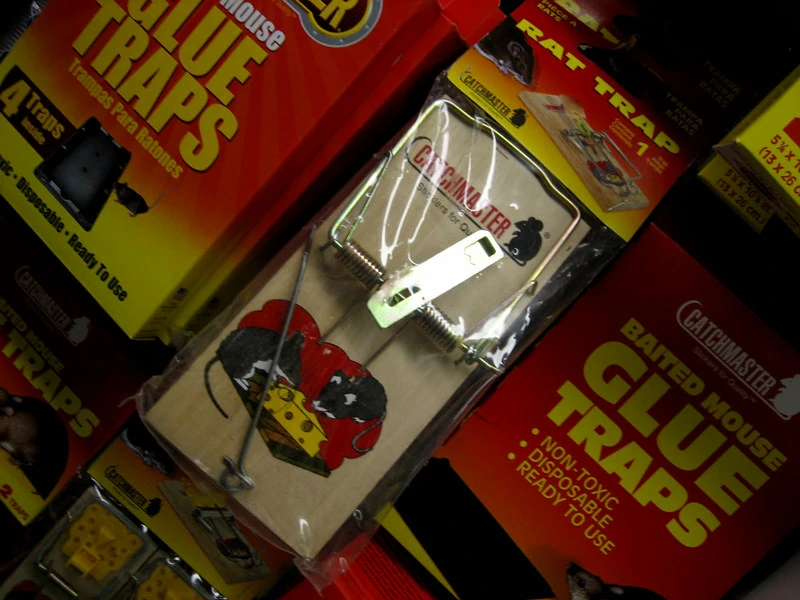
Flip on the kitchen light at night and watch a roach scatter across the counter, and a cheap glue trap starts to sound like the perfect answer.
Glue traps cost a few dollars, they don’t need sprays, and you just slide one under the sink.
But a trap that catches one roach isn’t the same as a trap that solves a roach problem. So are glue traps effective for roaches?
Glue traps catch some roaches, but they aren’t effective as a stand-alone fix. They work best as monitors that show where roaches hide and how bad the problem is, while baits, cleaning, and sealing cracks do the real work.
That’s how pest control professionals use them. A glue trap is a tool for finding and measuring a roach problem, not for ending it.
Below, you’ll see how glue traps work, what they can tell you, where to put them, and what really gets rid of roaches for good.
How Do Glue Traps Work on Roaches?
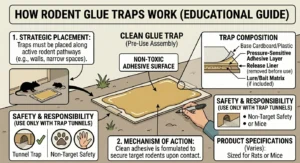
A roach glue trap is a small cardboard tray or board coated with sticky adhesive, and roaches get stuck when they walk across it.
Most roach traps are folded into a little tent or tunnel. That keeps the glue clean and dry, and it gives roaches a dark, tight spot to enter.
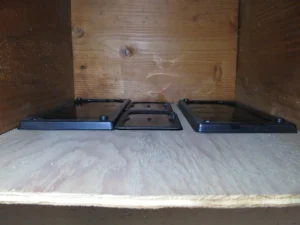
That design works because roaches love tight, dark spaces, and they run along edges and squeeze into cracks all night long.
A trap that looks like a hiding place gets visited, and once a roach steps on the glue, it can’t pull free.
Some traps also carry a scent that draws roaches in, and we’ll cover that in a minute.
The trap works around the clock, even while you sleep, and that’s one big reason pest pros like using it.
Pest Pros Use Glue Traps as Monitors, Not Cures
Sticky traps are the number one monitoring tool in roach control, and pros use them to answer a few simple questions before they treat anything.
First, which kind of roach is it? Second, where are they hiding, and third, how big is the problem?
Once treatment starts, the same traps show whether it’s working, because falling numbers week after week mean you’re winning.
If the numbers don’t drop, you need a new plan, and the traps will tell you that before the problem gets worse.
Pros date every trap and keep it in the same spot, so they can compare numbers over time instead of guessing.
So when a pro slides a glue trap under your sink, they’re not trying to catch every roach. They’re collecting information.
Can Glue Traps Wipe Out a Roach Infestation?
No, and the reason is how roaches live. Most of them spend their lives hidden in cracks near food and water.
A trap on the floor only meets the roaches that wander out, and the rest stay tucked away where no glue board can reach.
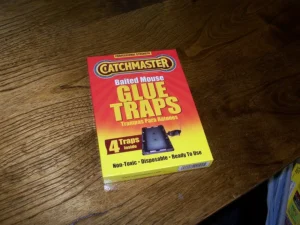
German cockroaches, the most common indoor roach in America, are also fast breeders that can produce 3 to 6 generations a year.
A female carries her egg case (called an ootheca) until the eggs are almost ready to hatch, and each case holds roughly 30 to 40 young.
That means the roaches you catch are often a small slice of the colony.
Dozens more can be hiding in the walls, behind the fridge, and inside cabinet hinges, ready to replace the ones you lose.
A board full of roaches can feel like a win. However, a colony can replace those numbers in just a few weeks.
Even one roach is worth taking seriously, because where there’s one, there’s usually a hiding place nearby.
What Your Glue Traps Can Tell You About the Problem
A glue trap tells you a lot if you know how to read it, so think of each one as a tiny report card for that spot.
Start with the roaches themselves. Lots of small, tan roaches (German roaches are about 1/2 inch long) point to an indoor colony.
A few big ones near a door, on the other hand, often mean outdoor roaches wandering in.
Check for young roaches too, which are called nymphs. If you find every size on one board, from tiny nymphs to full adults, they’re breeding in your home.
Look at where each trap caught the most. The biggest catch sits closest to the hiding place, so that’s where your bait and cleaning should go first.
Count them over time, too. In one public housing study, researchers put out six sticky traps per apartment for a day, and a dozen or more roaches across those traps pointed to a serious problem.
Finally, look for body pieces instead of whole roaches. That usually means something ate them, which can point to other pests too.
Which Kinds of Roaches Get Caught on Glue Traps?
That depends on which kind you have, and the species changes what you should do next.
Some roaches live and breed indoors, while others live outside and just wander in when they feel like it.
German and brownbanded cockroaches spend their whole lives indoors, while American, Oriental, and Turkestan cockroaches live outdoors and sneak inside now and then.
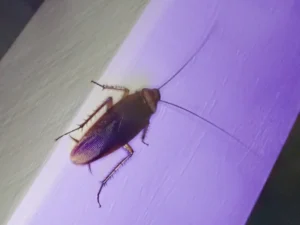
German roaches are the small ones, tan with two dark stripes behind the head.
American roaches are much bigger, often more than an inch long, and reddish brown.
Here’s why it matters. Outdoor roaches mean you should seal gaps and doors, while indoor breeders need baits and a deep clean.
German roaches also don’t come in from outside on their own, because they hitch a ride in grocery bags, cardboard boxes, and used appliances.
So check what you bring home, since boxes and secondhand appliances are common ways for German roaches to move in.
Where to Place Roach Glue Traps for the Best Results
Put traps where roaches travel and not where they sit, since they run along walls and edges between their hiding spots and their food and water.
Start on the floor along wall edges, in cabinet corners, and under the sink. Then try behind the fridge and stove and under other appliances.
Add a few near exterior doors and drains, which helps catch roaches coming in from outside.
Basements, garages, and laundry rooms are good spots for the bigger outdoor kinds.
Keep every trap dry and clean, because dust and moisture can ruin the glue, so tuck traps into small boxes or tight corners where they stay dry.
Write the date on each trap and keep it in the same place. Check daily at first, until you see where most roaches are caught.
Keep traps out of reach of kids and pets, since a glue board is a mess on a toddler’s hands or a cat’s paw.
Where Do Roaches Like to Hide in Your Home?
Roaches pick spots that are warm, dark, and close to food and water, so the kitchen and bathroom are the usual suspects.
Look behind and under the fridge, where the motor keeps things warm and crumbs collect.
Check the cracks around the stove, under the dishwasher, and inside cabinet hinges and door frames.
Bathrooms are popular too, especially under sinks and around leaky pipes, since roaches need water every day.
Cardboard boxes and paper bags make cozy hiding spots as well, so don’t keep stacks of them under the sink or in the pantry.
If you see roaches in daylight, take it seriously, since a crowded hiding place pushes some of them out into the open.
A flashlight and a few minutes of looking can show you the droppings (tiny black specks, a bit like ground pepper) and shed skins that point to a hiding spot.
How Many Glue Traps Do You Need?
More than you’d think, because one trap only tells you about one small patch of floor.
Researchers have used about six traps per apartment, so a few in the kitchen and a couple in the bathroom make a good start.
A bigger home needs more, and you’ll want the most traps in the kitchen and bathroom, since roaches need food and water.
Then add a few in the laundry room, the bedroom closets, and anywhere you’ve already seen a roach.
Replace a trap when it’s full of roaches, dust, or debris, because a full trap stops working and stops giving you useful numbers.
Don’t spend much on this part. Traps are cheap for the information they give you.
What Should You Do With a Full Glue Trap?
Once a trap is full or covered in dust, fold it shut and drop it in a sealed bag, then put it in your outdoor trash.
Wash your hands after you handle it, since roaches can carry germs on their bodies and legs.
Don’t leave full traps lying around, because they can draw in mice, ants, and other roaches that feed on the trapped ones.
Replace it with a fresh trap in the same spot, and write the date and the count on the old one before you toss it.
Keep a simple log on your phone or a notepad, with the date, location, and number of roaches caught.
That log is the easiest way to see that your treatment is working, or to show a pro what’s been happening.
Do Pheromone Glue Traps Work Better for Roaches?
For monitoring, yes, since some sticky traps contain an aggregation pheromone (a scent that tells roaches to gather in one place).
That scent pulls more roaches onto the board, which helps you find the problem faster and gives you a clearer count.
However, a pheromone doesn’t turn a trap into a cure, because the rest of the colony is still hiding.
So a scented trap is a nice upgrade if you’re tracking the problem, but don’t expect it to clear your kitchen on its own.
What Glue Traps Do Well and Where They Fall Short
They have real strengths, since they’re cheap, quiet, and work without any chemicals near your food or kids.
They also give you hard numbers, so you can see in a week or two whether your treatment is working.
Now for the weak spots. A trap has limited room, so a busy one fills up fast, and it only catches roaches that walk across it.
Traps also catch more than roaches, like spiders, silverfish, and crickets, so you’ll find the odd surprise on a board.
Mice and American roaches will even eat the roaches stuck on a board, which can draw more pests to it.
A dusty or damp board loses its grip, and a big roach can sometimes work free when only a few legs touch the glue.
The biggest limit is the colony, since a trap can’t reach the hidden roaches that keep the problem going.
Do Glue Traps Work on Big American Roaches?
They can catch them, but they’re a weaker tool for these big roaches, which often live outdoors and visit your home.
American roaches (the big reddish-brown ones, sometimes called palmetto bugs in the South) are strong. A few legs on the glue may not hold them.
A bigger roach has more strength to pull free, so a trap works best in a narrow spot where the roach has to cross the whole board.
Still, the better fix for these roaches is to keep them out, since they come in from outside.
Seal gaps around doors, windows, pipes, and vents, and fix leaks in basements and crawl spaces.
Outdoors, place baits in water meter boxes, drains, or under concrete slabs, which are favorite hangouts.
Also, keep mulch, leaves, and firewood away from your walls, since roaches like to hide there.
What Actually Gets Rid of Roaches?
Baits do the heavy lifting, and they’re placed as gels, liquids, or dry bait in cracks and crevices where roaches hide.
Roaches eat the bait and can pass it along inside the colony, so it can reach roaches you never see.
Baits beat sprays for long-term control, because sprays don’t give lasting results. Give a bait about a week or longer before you expect fewer roaches.
Check your baits after two weeks to see if roaches are eating them.
If the bait sits untouched, try a different product, since some German roaches avoid certain gel baits.
Cleaning matters just as much, so wipe up grease, crumbs, and spills every night, and take out the trash.
Fix leaks too, because roaches need water, and a dripping pipe under the sink can keep a whole colony alive.
Seal gaps around pipes, baseboards, and cabinets with caulk, then vacuum hiding spots and don’t leave pet food out overnight.
If the infestation is big, call a licensed pest control pro, since they have stronger products and know how to use them.
Skip the Fancy Electric Roach Traps and Gadgets
A bigger price tag doesn’t mean a better trap, and some pricey electric gadgets catch fewer roaches than a plain glue board.
The same goes for ultrasonic plug-ins and other devices that promise to scare roaches away, since they look high tech but don’t do the job.
If you want to spend money, spend it on good bait and caulk, because those two things earn their keep.
Are Roach Glue Traps Safe Around Kids and Pets?
Glue traps don’t use poison, which makes them a popular choice in homes with kids and pets.
However, the glue itself is a problem, since it sticks to skin, fur, and carpet and can be hard to remove.
A curious toddler can pick one up, and a cat or small dog can get a paw stuck.
So tuck traps under appliances, inside cabinets, and behind furniture, where pets and little hands can’t reach them.
A trap tucked inside a small box with a hole cut in one side keeps paws out and the glue dry.
Baits need the same care, so place gels in cracks and use enclosed bait stations in homes with kids or pets.
If glue gets on skin or fur, rub a little vegetable oil on the spot to loosen it. Then wash with soap and water, and call a vet if a pet is badly stuck.
How to Use Glue Traps and Baits Together Step by Step
Here’s a simple plan that uses each tool for what it does best.
First, set out glue traps in the kitchen, bathroom, and near doors, and date them. Leave them for a day or two to see where roaches show up.
Next, clean the kitchen well and place baits in the cracks near the busiest traps, and keep the traps in the same spots.
After a week, check your counts. After two weeks, check whether the bait is being eaten.
Keep replacing full traps and tracking the numbers, and when catches drop to zero for a few weeks, you’re on the right track.
Then keep a couple of traps out for good, because they work like an early warning system the moment roaches come back.
How Long Does It Take to Get Rid of Roaches?
Expect weeks, not days, because it can take a week or longer before you notice fewer roaches after baiting.
German roaches breed quickly, so a few missed ones can bring the numbers back up.
Most home infestations need several weeks of steady work, with baits, cleaning, and sealing done together.
Heavy infestations can take longer and often need a professional, especially in apartments where neighbors have roaches too.
Don’t stop when you stop seeing roaches. Keep your traps out and your kitchen clean for a month or two to be safe.
Why a Roach Problem Matters for Your Health
Roaches aren’t just gross, because German cockroaches produce at least a dozen allergens that can trigger asthma, especially in kids.
They also leave droppings and shed skins around your food and counters, which is another reason to deal with them early.
So don’t wait for the problem to grow. A few traps and some bait now can save you a lot of trouble later.
Conclusion
Glue traps aren’t effective as a stand-alone roach fix, because they only catch the roaches that wander out and miss the colony hiding in your walls.
Where they shine is as monitors. They show you what kind of roach you have, where it hides, and whether your treatment is working.
For real control, use baits in cracks, clean up food and water, and seal gaps, and call a pro if the problem is big.
Use glue traps to find the problem and track it, and let baits, cleaning, and caulk do the heavy lifting.

Hi, my name is Ezra Mushala, i have been interested animals all my life. I am the main author and editor here at snakeinformer.com.