
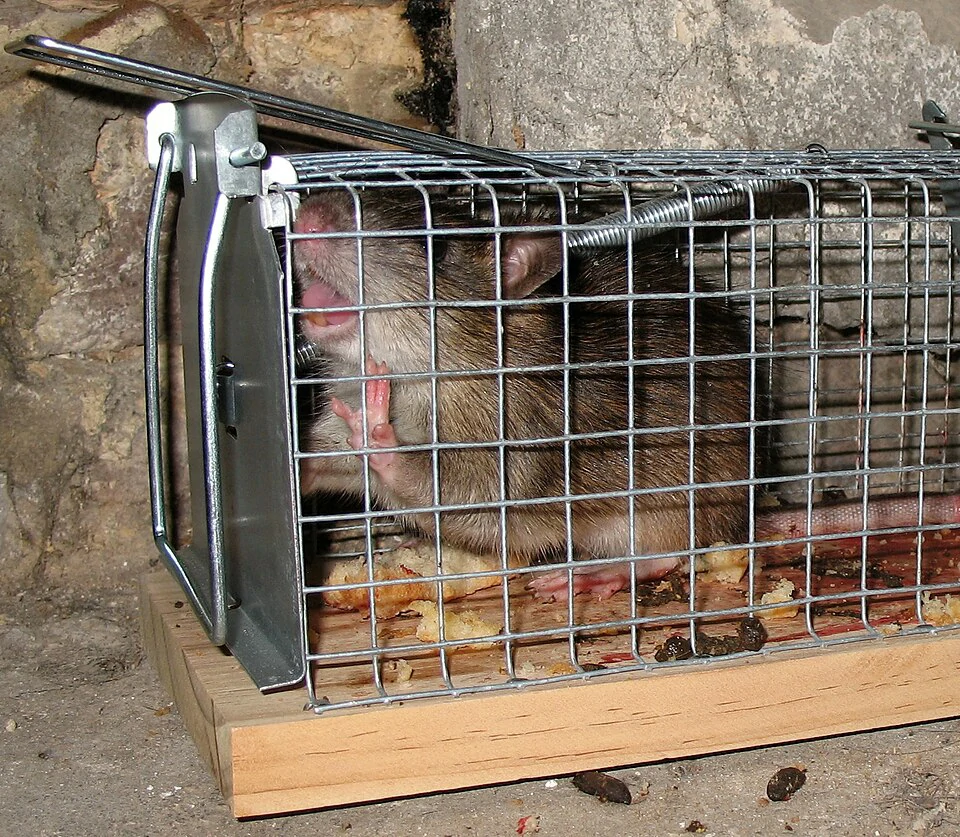
If you’ve set out rat traps in your yard or around your property, you might be wondering what else could trigger them.
Skunks sometimes wander into areas where people have set traps for rodents, and they’re curious enough to investigate anything that smells like food.
The question becomes important if you live in an area where skunks are common. So can a rat trap kill a skunk?
A standard rat trap can’t kill a skunk. Skunks are way too large for a rat trap to cause fatal injuries. At most, a rat trap might hurt a skunk’s paw or nose if it triggers the trap, but it won’t kill or seriously injure the animal.
Rat traps are designed for animals that weigh a few ounces, not several pounds. A skunk is just too big for a trap meant for rats.
The worst that’ll happen is the skunk gets startled, possibly hurt, and very likely sprays everywhere out of fear and surprise.
Why Rat Traps Can’t Kill Skunks
The size difference is the main issue. An adult rat weighs somewhere between 5 to 10 ounces.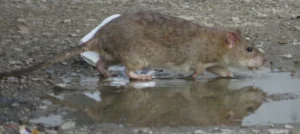
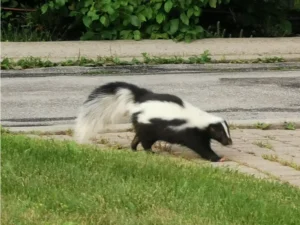
A skunk, on the other hand, weighs between 6 to 14 pounds.
That’s a huge difference. A skunk is roughly 15 to 30 times heavier than a rat.
Rat traps are built with enough force to kill a small rodent instantly. The spring mechanism is calibrated for that specific size and weight range. When something much larger triggers the trap, the force just isn’t enough to do serious damage.
Think about it like this: if you slapped your hand down on a table, it would sting but it wouldn’t really hurt you. That’s basically what a rat trap feels like to a skunk. Annoying and painful, but not dangerous.
What Actually Happens When a Skunk Triggers a Rat Trap?
If a skunk steps on a rat trap or puts its nose near the trigger, the trap will snap just like it’s supposed to. The metal bar will swing down and hit whatever part of the skunk triggered it.
Most likely, this will be the skunk’s paw or nose. These are the parts that would come into contact with the bait or trigger plate first.
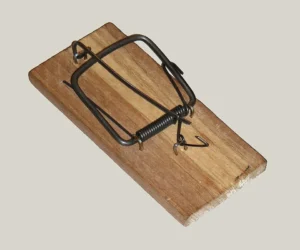
The skunk will definitely feel pain. A metal bar snapping down on your paw or nose would hurt, no matter how big you are. But it won’t cause any lasting damage or life-threatening injuries.
The skunk will probably jump back, make some distressed sounds, and then do what skunks do best: spray. And trust me, you don’t want to be anywhere near a scared, hurt skunk.
How Strong Are Rat Traps Really?
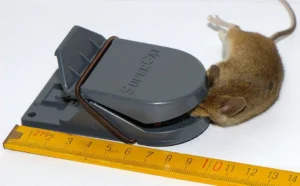
A typical rat trap uses a spring that creates about 5 to 8 pounds of force when it snaps. That’s enough to break the neck or spine of a small rodent.
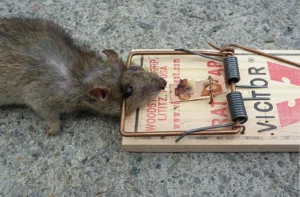
But a skunk’s bones are much thicker and stronger. Their skull, spine, and leg bones can easily withstand that amount of force without breaking.
To put this in perspective, it would take at least 50 to 100 pounds of force to cause serious harm to a skunk. Rat traps just don’t come close to that level.
Even the heavy-duty rat traps (the ones designed for Norway rats, which are bigger) only produce about 10 to 12 pounds of force. Still nowhere near enough to kill a skunk.
Could Other Types of Traps Kill a Skunk?
Now, if we’re talking about different types of traps, the answer changes. A rat trap specifically won’t kill a skunk, but there are other traps that could.
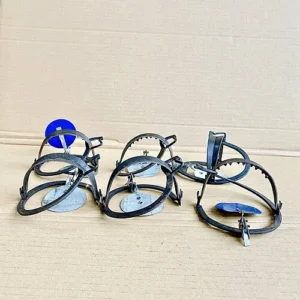
Body-grip traps (also called Conibear traps) are designed for larger animals like raccoons, beavers, and yes, skunks. These can definitely kill a skunk if the skunk triggers one.
Leg-hold traps can catch and hold a skunk, though they’re not designed to kill. But a skunk caught in a leg-hold trap can die from stress, exposure, or injuries if left too long.
Large snap traps designed for animals like groundhogs or raccoons could potentially kill a skunk. But these are completely different from rat traps in terms of size and power.
Why Would a Skunk Go Near a Rat Trap Anyway?
Skunks are omnivores. They eat just about anything: insects, grubs, small rodents, eggs, berries, garbage, and pet food.
If you’ve baited your rat trap with something that smells good (peanut butter is a common choice), a skunk might smell it and come investigate.
Skunks have an excellent sense of smell but pretty poor eyesight. They rely on their nose to find food, which means they might not see the trap until they’re right on top of it.
They’re also not very cautious animals compared to rats. A rat will carefully inspect a trap and might avoid it altogether. A skunk will just waddle right up to anything that smells interesting.
The Real Problem: Getting Sprayed
The biggest issue with a skunk triggering your rat trap isn’t the skunk’s safety. It’s yours, or more specifically, your nose’s.
When a skunk gets hurt or scared, its first defense is to spray. That spray can travel up to 10 feet with pretty good accuracy.
If the skunk is near your house when this happens, the smell can get into your home, your car, or anything else nearby. And that smell is incredibly hard to get rid of.
Skunk spray contains sulfur compounds that bind to just about everything. It can last for weeks or even months if you don’t treat it properly.
So even though the skunk will be fine after triggering your rat trap, you might be dealing with the aftermath for a long time.
What Should You Do If a Skunk Gets Caught in Your Rat Trap?
First, stay calm and keep your distance. Don’t approach the skunk right away, especially if it’s still near the trap and clearly agitated.
Skunks usually won’t spray unless they feel threatened or cornered. If you give it space, it’ll probably just leave on its own once it recovers from the initial shock.
If the trap is attached to the skunk (sometimes the metal bar can catch on fur or get stuck), you’ll need to help remove it. But this is tricky and dangerous.
Your best bet is to call animal control or a wildlife removal service. They have the experience and equipment to safely remove the trap without getting sprayed.
If you absolutely have to do it yourself, approach very slowly and carefully. Wear old clothes you don’t mind throwing away. Move slowly and avoid sudden movements. The calmer you are, the calmer the skunk will be.
How to Prevent Skunks From Triggering Your Rat Traps
The easiest solution is to place your traps where skunks can’t reach them. Rat traps work best along walls and in tight spaces anyway, which is where rats naturally travel.
Put your traps in areas that are too small for a skunk to access. Under low decks, in crawl spaces, or inside outbuildings where you can control the entry points.
If you’re trapping outdoors, consider using a protective cover over the trap. You can build a simple box with a small entrance hole that only rats can fit through.
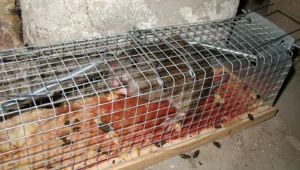
Another option is to use live traps instead of snap traps. If a skunk gets into a live trap, it’s not injured, just contained. You can then release it (or call someone to release it) without anyone getting hurt or sprayed.
Are Skunks Actually a Problem If They’re on Your Property?
Honestly, skunks can actually be helpful. They eat a lot of insects and grubs that can damage your lawn and garden. They also eat mice and rats, which is probably why you’re setting traps in the first place.
A skunk passing through your yard isn’t necessarily a bad thing. They’re usually just looking for food and will move on once they’ve found what they need.
The problems start when skunks decide to make a den under your porch, deck, or shed. Then you’ve got a permanent resident who might spray if disturbed, and who might attract other skunks.
But a skunk just wandering through? That’s actually helping keep your rodent population down naturally.
What About Baby Skunks?
Baby skunks (called kits) are much smaller than adults. A newborn kit might only weigh a few ounces, similar to a large rat.
Could a rat trap kill a baby skunk? Possibly, if the kit was very young and small. But it’s pretty unlikely for several reasons.
First, baby skunks don’t leave the den until they’re about 6 to 8 weeks old. By that time, they weigh at least a pound, which is still too big for a rat trap to kill.
Second, baby skunks travel with their mother. If you see one baby skunk, there are probably several more nearby, plus an adult who’s very protective. You definitely don’t want to mess with a mother skunk protecting her babies.
Third, baby skunks stick close to their den and don’t wander far looking for food. They’re not as likely to encounter your traps as an adult would be.
Legal and Ethical Considerations
In most places, it’s actually illegal to trap or kill skunks without a permit. They’re considered wildlife, and there are regulations about how you can deal with them.
Even if a skunk triggered your rat trap accidentally, you could potentially get in trouble if someone reported it. Wildlife officers take this stuff seriously.
From an ethical standpoint, skunks aren’t pests in the same way rats are. They don’t spread diseases as readily, they don’t damage homes the same way, and they actually provide pest control services by eating insects and rodents.
Intentionally setting a trap that could hurt a skunk (even if it won’t kill it) isn’t a great idea. It’s better to use methods that target rats specifically without risking other wildlife.
Signs That Skunks Are Around Your Property
If you’re worried about skunks getting into your rat traps, you should know the signs that they’re in the area.
Skunk tracks look like tiny handprints with five toes and claw marks. They’re about 1.5 to 2 inches long.
Skunk droppings are similar to cat droppings but usually contain undigested insects or berries. They’re typically around 2 inches long and half an inch in diameter.
Tony Alter (CC BY 2.0)
Small, cone-shaped holes in your lawn mean a skunk has been digging for grubs. They’re very methodical diggers and leave distinctive patterns.
And of course, the smell. Even if a skunk hasn’t sprayed, they have a musky odor that’s noticeable if they’re spending time near your home.
Better Solutions for Dealing With Both Rats and Skunks
If you’ve got rats and you’re worried about skunks, there are ways to handle both problems without conflict.
For rats, use enclosed bait stations instead of open traps. These have small entrances that only rats can fit through, keeping larger animals out.
Motion-activated sprinklers work great for keeping skunks away from areas where you don’t want them. They’re harmless but effective.
Removing food sources helps with both animals. Secure your garbage, don’t leave pet food outside, and clean up any fallen fruit or birdseed.
For skunks specifically, exclusion is the best method. Block off any spaces under decks, sheds, or porches where they might want to den. Just make sure there isn’t already a skunk living there before you seal it up.
Conclusion
A rat trap won’t kill a skunk. The trap just isn’t powerful enough to cause fatal injuries to an animal that size.
What will happen is the skunk gets hurt, gets scared, and probably sprays everything in the area. That’s bad for you but not particularly dangerous for the skunk.
If you’re setting rat traps in areas where skunks might be, take precautions to keep them away from your traps. Use enclosed stations, place traps in areas too small for skunks, or switch to methods that won’t accidentally hurt wildlife.
And if a skunk does trigger one of your traps, give it space and let it leave on its own. Nobody wants to deal with a scared, hurt skunk that’s ready to spray.

Hi, my name is Ezra Mushala, i have been interested animals all my life. I am the main author and editor here at snakeinformer.com.