

If you’ve just paid for professional extermination or spent weeks dealing with a mouse problem yourself, the last thing you want is for mice to come right back.
Understanding what makes extermination successful long-term versus just a temporary fix can save you money and frustration. But do mice come back after extermination?
Mice can come back after extermination if entry points aren’t sealed and attractants aren’t removed. Extermination kills existing mice, but if your home still has openings they can use and food/water they want, new mice will move in. Effective extermination must include exclusion work (sealing entries) to prevent new mice from replacing the ones that were eliminated.
Just killing the mice currently in your home doesn’t solve the problem permanently. Your home became attractive to the first mice for specific reasons.
Those same conditions will attract new mice unless you change them. This is why comprehensive extermination that includes prevention is so important.
What Extermination Actually Does
When we talk about extermination, we’re usually referring to killing or removing the mice currently living in your home. Professional exterminators use several methods.
They might set multiple snap traps in strategic locations. They might use bait stations with rodenticide (poison).
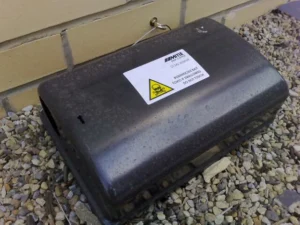
Some use tracking powder that mice walk through and then ingest while grooming. The goal is to eliminate the existing mouse population in your home.
This part usually works well. Within a few days to a few weeks, the active mouse population gets caught, poisoned, or otherwise removed.
You stop seeing droppings, hearing sounds in the walls, and finding evidence of gnawing. For a while, it seems like the problem is solved.
But here’s the issue: extermination alone only addresses the current mice. It doesn’t prevent new mice from entering.
If the same conditions that attracted the first mice are still present, new mice will move in. How quickly this happens depends on several factors, but it can be surprisingly fast.
Entry Points Are the Biggest Factor
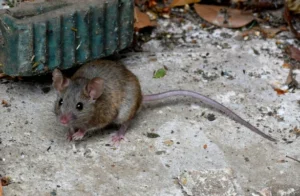
The number one reason mice come back after extermination is unsealed entry points. Mice can squeeze through openings as small as a dime (1/4 inch for young mice, 1/2 inch for adults).
Most homes have dozens of these small openings. Common entry points include:
- gaps where pipes and utility lines enter the home
- cracks in foundations or walls
- spaces under doors or around door frames
- damaged or missing weatherstripping
- holes in soffits or roof edges
- gaps where different building materials meet,
- broken or missing vent screens, and openings around windows.
If your extermination service didn’t include sealing these entry points, new mice can get in as easily as the first ones did. It doesn’t matter how thoroughly you eliminated the original mice.
The doors are still open for new arrivals. Professional exterminators who do thorough work will include exclusion as part of their service.
They’ll inspect your home’s exterior, identify all potential entry points, and seal them with appropriate materials (steel wool, hardware cloth, metal flashing, or concrete). Without this step, you’re just on a treadmill of killing mice that keep getting replaced.
Food Sources Keep Attracting New Mice
Mice come inside looking for food. If your home has easily accessible food sources, it’s sending out a welcome sign to every mouse in the area.
Even after extermination removes the current mice, new mice will detect the same food sources.
Common attractants include:
- crumbs and spills on counters and floors
- food stored in thin cardboard or plastic that mice can chew through
- pet food left out in bowls
- garbage bins without tight lids
- birdseed or pet food stored in garages or sheds
- pantry items in original packaging.
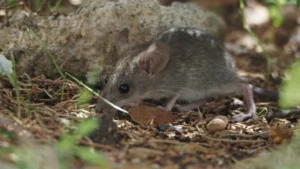
Mice have an excellent sense of smell. They can detect food from quite far away.
If your neighbor has mice or if there are outdoor mouse populations nearby, these mice will eventually investigate your home. If they can smell food inside and find a way to enter, they will.
Proper food storage is critical for preventing mouse return. Store all pantry items in sealed containers made of glass, metal, or thick plastic.
Clean up crumbs and spills immediately. Don’t leave pet food out overnight.
Use garbage bins with tight-fitting lids and take garbage out regularly. These steps make your home much less attractive to new mice.
Water Sources Matter Too
Mice need water to survive, though they don’t need much (only about an ounce per day). They can get moisture from their food, but having a reliable water source makes your home even more attractive.
Common water sources include:
- leaky pipes under sinksdripping faucets
- condensation on pipes
- pet water bowls left out
- moisture in basements or crawl spaces.
After extermination, these water sources remain unless you fix them.
New mice will find them just like the previous mice did. Fixing moisture problems doesn’t just prevent mice, it also prevents other pests and can prevent structural damage from rot or mold.
Check under sinks for leaks. Fix dripping faucets promptly.
Insulate pipes that sweat with condensation. Don’t leave pet water bowls out overnight.
Use dehumidifiers in damp basements. These steps remove one of the key attractants that bring mice into homes.
Do Mouse Scent Trails Attract New Mice?
Here’s something many people don’t realize: even after you’ve removed all the mice, their scent trails remain. Mice mark their travel routes with urine containing pheromones.
These chemical trails can last for weeks or even months, especially in protected areas like inside walls or under insulation. New mice can detect these old trails.

From a mouse’s perspective, these scent markers indicate that the area is (or was) good mouse habitat. They’re more likely to investigate and enter a home that has mouse scent markers.
This is why thorough cleaning after extermination is important. Use strong cleaners or enzymatic cleaners specifically designed to break down organic materials and pheromones.
Clean areas where you know mice were active. Wipe down surfaces, vacuum thoroughly, and wash any fabric items that mice might have touched.
You can’t eliminate every trace of mouse scent (especially in walls and other inaccessible areas), but reducing it as much as possible helps prevent new mice from being attracted to your home.
How Seasonal Changes Bring New Mice Indoors
Even with perfect extermination, you might see new mice if you’re dealing with seasonal migration. In fall and winter, outdoor mouse populations actively seek indoor shelter.
This “mouse season” brings increased pressure on all homes, regardless of whether they’ve had previous infestations. If your extermination happened in summer, you might think you’re done with mice.
But when fall arrives and temperatures drop, new mice start looking for warm places to spend winter. If your home has unsealed entry points, these new mice will get in.
This isn’t the old mice coming back, it’s new mice arriving during their natural migration indoors. The solution is the same: seal entry points before mouse season begins.
If you’ve had mice before, late summer or early fall is the best time to do exclusion work. This prevents the seasonal influx of mice looking for winter homes.
Neighboring Infestations Can Lead to New Mouse Problems
If your neighbors have mice, you’re at higher risk even after successful extermination. Mice from neighboring properties will explore your home’s exterior looking for entry points.
In townhouses, apartments, or closely-spaced homes, mice can actually travel between properties through shared walls, crawl spaces, or utility chases. When neighbors exterminate their mice (especially if they use poison), some mice might flee to near by properties to escape.
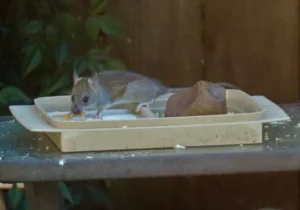
They could end up in your home even though you just finished dealing with your own infestation. There’s not much you can do about your neighbors’ mouse problems.
But you can protect your own home through thorough exclusion. If your entry points are sealed, mice from neighboring properties can’t get in no matter how bad the infestation next door might be.
This is why exclusion is so important. It protects you from your own mice coming back and from your neighbors’ mice coming over.
Why Some Extermination Methods Fall Short
Not all extermination is equally effective. Some approaches have problems that lead to mice returning quickly.
Poison-only methods are especially problematic. When mice eat poison, they don’t die immediately.
They continue moving around for days before the poison takes effect. Many die in inaccessible locations like inside walls.
You might not be able to remove these dead mice. Dead mice create odor problems and can attract other pests like flies and beetles.
Worse, other mice don’t really avoid areas where mice have died. The idea that dead mice scare away living ones is mostly a myth.
New mice will move right into areas where poisoned mice died. Trapping-only approaches are more thorough because you remove the dead mice and can verify they’re gone.
But if the exterminator only sets a few traps or doesn’t place them in the right locations, some mice might survive. These survivors continue breeding, and you’re back to having an infestation.
Effective extermination uses multiple traps, checks them frequently, and continues until no new mice are caught for at least a week. The exterminator should also inspect for signs of continuing activity to make sure all mice are removed.
Hidden Nests Can Keep an Infestation Going
One reason mice seem to “come back” after extermination is that they never fully left. If there was a breeding population in your home and the exterminator didn’t find all the nests, baby mice might survive.
These babies grow up quickly (they’re sexually mature in six to eight weeks) and continue the infestation. A thorough extermination should include searching for and removing nests.
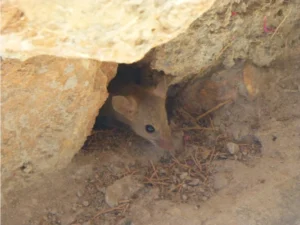
Common nest locations include inside wall voids, in attic insulation, under piles of stored items in basements or garages, behind appliances, and in crawl spaces. If the exterminator didn’t check these areas, they might have missed nests with baby mice.
These babies will emerge a few weeks after the extermination and make it seem like mice have returned. Really, they were there all along.
This is why you should ask exterminators about their inspection process. Do they check attics and crawl spaces?
Do they look behind appliances and in storage areas? A comprehensive inspection finds hidden nests that could restart the infestation.
How Soon Can Mice Return After Extermination?
If entry points aren’t sealed, how long does it take for new mice to appear? This varies widely based on several factors.
In urban areas with high mouse populations, new mice might move in within days or weeks. There are simply a lot of mice around looking for good habitat, and your home is attractive.
In rural areas or homes that are well-maintained (but missed a few entry points), it might take months before new mice find their way in. The outside mouse population might be smaller, so it takes longer for mice to discover your home.
Seasonal timing matters too. If extermination happens in spring or summer, you might not see new mice until fall when seasonal migration brings them indoors.
This can create a false sense that extermination worked permanently, but the real test comes when mouse pressure increases. Generally, if you haven’t sealed entry points, you should expect to see signs of new mice within three to six months.
Some homes see new mice much faster. The only way to prevent this is through proper exclusion.
Incomplete Extermination Can Cost More
Some people try to save money by going with the cheapest extermination option. This usually means poison or a few traps without any exclusion work.
While this costs less upfront, it often costs more in the long run. You’ll need repeated extermination visits as new mice keep entering.

Each visit costs money. You’re basically paying to remove mice on a subscription basis rather than solving the problem once.
Compare this to paying more initially for comprehensive service that includes exclusion. You pay more upfront, but then you’re done.
No recurring costs. No ongoing mouse problems.
When choosing an exterminator, ask specifically what their service includes. Do they seal entry points?
How do they identify where mice are entering? What guarantee do they offer?
Good exterminators should guarantee their work for at least several months. If mice return during that period, they come back to address it at no extra charge.
This guarantee only makes sense if they’re doing proper exclusion work. Otherwise, they’d be constantly coming back to deal with new mice.
How to Keep Mice Away After DIY Extermination
If you’ve handled extermination yourself, the same principles apply. Traps alone won’t keep mice away permanently.
You need to seal entry points and remove attractants. DIY exclusion is totally possible.
You need steel wool or copper mesh, caulk or expanding foam, and hardware cloth for larger openings. Inspect your home thoroughly.
Get down at ground level and look for any openings. Check where utility lines enter, around the foundation, under doors, around windows, in the attic, and anywhere different materials meet.
Seal everything you find that’s larger than 1/4 inch. This takes time and effort, but it’s not complicated work.
Most homeowners can do it themselves with materials from any hardware store. The key is being thorough.
Missing even one entry point means mice can still get in. If you’re not confident in your ability to find all entry points, having a professional inspection (even if you do the sealing work yourself) can be worth the cost.
They have experience knowing where to look and can spot potential entries you might miss.
Signs Mice Have Returned
How do you know if mice have come back? The signs are the same as the original infestation.
Fresh droppings in areas where you previously saw them indicate current activity. Mouse droppings are small (about 1/4 inch), dark, and rice-shaped.
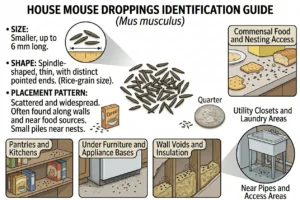
Fresh ones are dark and somewhat soft, while old ones are gray and crumbly. New gnaw marks on food packaging, baseboards, or wires show mice are active.
Fresh gnaw marks look lighter colored (exposing fresh wood or material) compared to older, darker marks. Scratching or scurrying sounds in walls, ceilings, or under floors, especially at night when mice are most active.
Smudge marks along walls from the oils in mouse fur. These trails appear where mice repeatedly travel the same routes.
New marks or darkening of existing marks indicate current activity. Actual sightings of mice, especially during daytime, suggest a significant infestation (mice are normally nocturnal and only come out during the day if population pressure is high).
If you see any of these signs after extermination, act quickly. Early intervention is easier than waiting until the population grows.
Maintaining a Mouse-Free Home
Once you’ve achieved successful extermination with proper exclusion, maintenance is key. Regularly inspect your home’s exterior for new gaps or damage.
Weatherstripping wears out. Foundations can develop new cracks.
Materials expand and contract with temperature changes creating new openings. Check these things at least twice a year (fall and spring are good times).
Maintain good sanitation practices. Store food properly, clean regularly, and take garbage out promptly.
Don’t get complacent just because you haven’t seen mice in a while. Fix water problems as they occur.
A new leak under the sink can attract mice even years after your last infestation. Keep vegetation trimmed back from your home’s exterior.
Overgrown shrubs and vines give mice cover as they approach your house and can hide entry points. Store firewood away from the house, not stacked against the foundation.
These ongoing practices keep your home unattractive to mice long-term. Prevention is much easier than dealing with recurring infestations.
When Should You Call the Exterminator Again?
If you see signs of mice returning within a few months of extermination, contact your exterminator. If they guaranteed their work, they should come back to address the issue.
This might mean additional trapping, finding and sealing missed entry points, or identifying new issues that appeared since the original treatment. If mice return after a year or more, it might be time for another inspection.

Your home’s condition changes over time. New entry points can develop.
Maintenance work (like replacing siding or installing new utilities) can create openings. A periodic inspection can catch these issues before they become full infestations.
Don’t wait until you have a serious mouse problem again. If you see one or two signs, address it immediately while it’s still a small issue.
Conclusion
Mice can definitely come back after extermination if entry points aren’t sealed and attractants aren’t removed. Simply killing the existing mice doesn’t prevent new ones from entering.
Your home attracted the first mice because it offered food, water, and shelter with easy access. These same conditions will attract new mice unless you change them.
Effective extermination must include exclusion work. Sealing all entry points, removing food and water sources, and eliminating nesting materials are just as important as killing the current mice.
Without these prevention steps, you’ll be dealing with recurring infestations indefinitely. Comprehensive extermination costs more upfront but saves money long-term by actually solving the problem.
Ask any exterminator you hire what their service includes and whether they guarantee their work. If they don’t include exclusion, either find someone who does or plan to do the sealing work yourself.

Hi, my name is Ezra Mushala, i have been interested animals all my life. I am the main author and editor here at snakeinformer.com.