
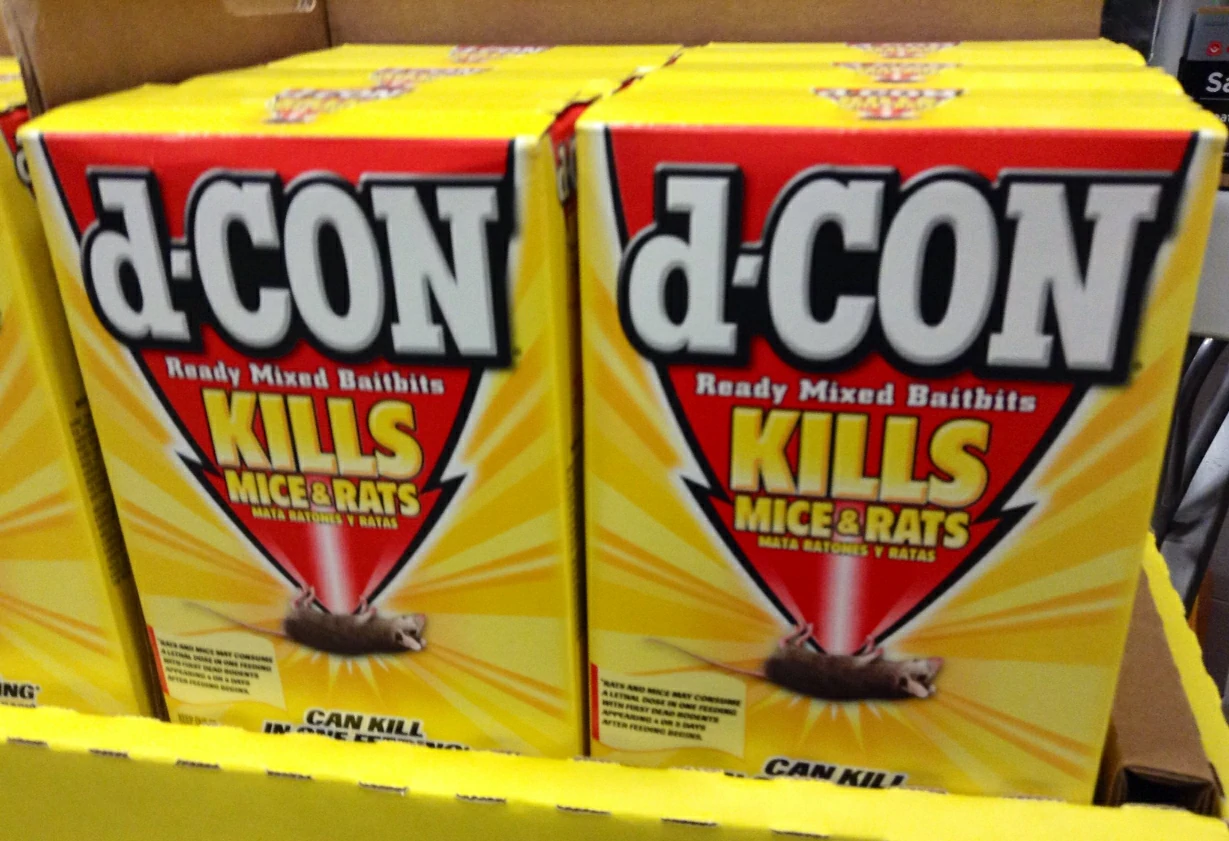
When dealing with a rat problem, you might wonder what chemicals you’re actually working with.
Organophosphates are a class of pesticides known for being extremely toxic to humans and animals. If you’re worried about safety, you might ask: does rat poison contain organophosphate?
No, modern rat poisons sold for home use don’t contain organophosphates. The vast majority use anticoagulants like brodifacoum or bromadiolone instead. Organophosphate rodenticides exist but are restricted to professional use only and are rarely used even by pest control companies anymore.
Understanding what’s actually in the rat poison you might use is important for safety, especially if you have kids or pets around.
What Organophosphates Actually Are
Organophosphates are a class of chemicals originally developed as nerve agents during World War II. After the war, they were adapted for use as insecticides and pesticides.
These chemicals work by disrupting the nervous system. They block an enzyme called acetylcholinesterase, which controls nerve signals in the body.
When this enzyme is blocked, nerve signals fire continuously. This causes muscle spasms, seizures, breathing difficulty, and eventually death.
Why Organophosphates Aren’t in Consumer Rat Poison
Organophosphates are incredibly dangerous to humans, not just to pests. Exposure can cause serious illness or death even in small amounts.
Because of this extreme toxicity, the EPA (Environmental Protection Agency) has severely restricted organophosphate use over the past few decades.

For rodent control, organophosphates have been almost entirely replaced by anticoagulant compounds, which are still toxic but less immediately dangerous to humans.
What’s in Rat Poison Instead
If you buy rat poison at a hardware store or garden center, it almost certainly contains one of these anticoagulant active ingredients:
Brodifacoum, bromadiolone, difethialone, or diphacinone. These are all “second-generation” anticoagulants that prevent blood clotting.
Some rat poisons use non-anticoagulant alternatives like bromethalin (a neurotoxin) or cholecalciferol (vitamin D3). But still no organophosphates.
You can check the active ingredient list on any rat poison package. It’s required by law to be clearly labeled.
Do Any Rodenticides Contain Organophosphates?
There are a few organophosphate rodenticides that still exist, but they’re extremely restricted.
Chlorophacinone is sometimes confused with organophosphates because of its name, but it’s actually an anticoagulant, not an organophosphate.
Aluminum phosphide and zinc phosphide are sometimes used for rodent control. These release phosphine gas, but they’re not technically organophosphates despite having “phosph” in the name.
True organophosphate rodenticides are rarely used anymore, even by professionals.
The Difference Between Organophosphate Insecticides and Rodenticides
You might be thinking of organophosphate insecticides, which are more common (though still being phased out).
Products like malathion, diazinon, and chlorpyrifos are organophosphate insecticides used to kill insects. Some of these are still available for limited uses.
But insecticides and rodenticides are different products designed for different pests. Just because organophosphates exist in some insect products doesn’t mean they’re in rat poison.
Why Organophosphates Were Phased Out
The main reason organophosphates are no longer widely used is safety. They’re just too dangerous to humans.
Farm workers exposed to organophosphate pesticides experienced neurological problems, respiratory issues, and even death in some cases.
Children are especially vulnerable. Organophosphate exposure in children has been linked to developmental problems and lower IQ.
As safer alternatives became available, regulators pushed to eliminate organophosphate use wherever possible.
How to Tell What’s in Your Rat Poison
If you want to know exactly what’s in the rat poison you have, the label will tell you.
Look for the “Active Ingredient” section on the package. This is usually on the back or side panel.
You’ll see the chemical name and the percentage. For example: “Brodifacoum: 0.005%”
If you see any of these, it’s an anticoagulant, not an organophosphate: brodifacoum, bromadiolone, difethialone, diphacinone, chlorophacinone, warfarin.
Are Anticoagulants Safer Than Organophosphates?
Anticoagulants are definitely safer than organophosphates for humans, but they’re still very toxic and dangerous.
The big advantage is that there’s an antidote. If someone or a pet ingests anticoagulant rat poison, vitamin K can reverse the effects if given in time.
Organophosphates don’t have an effective antidote. Treatment for organophosphate poisoning is mainly supportive care and hoping the person survives.
However, anticoagulants create huge secondary poisoning problems for wildlife. When predators eat poisoned rats, they’re also poisoned.
Symptoms of Organophosphate Poisoning vs. Anticoagulant Poisoning
If you’re trying to figure out if someone has been exposed to rat poison, the symptoms are very different depending on the type.
Organophosphate poisoning happens quickly (within minutes to hours). Symptoms include excessive salivation, sweating, muscle twitching, seizures, and difficulty breathing.
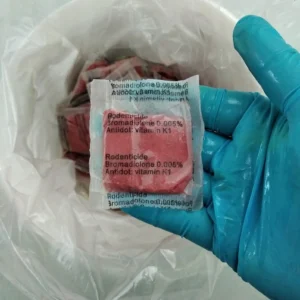
Anticoagulant poisoning takes days to show symptoms. You might see unusual bleeding or bruising, blood in urine or stool, or nosebleeds.
Since consumer rat poisons don’t contain organophosphates, anticoagulant symptoms are what you’d actually see.
What About Professional Pest Control Products?
Professional pest control operators have access to some products that homeowners can’t buy. But even these rarely contain organophosphates anymore.
Pros mainly use the same anticoagulant rodenticides available to consumers, just in different formulations or concentrations.
Some professionals might use zinc phosphide for certain outdoor rodent control situations, but this isn’t an organophosphate despite the similar name.
The Confusion About Phosphides
Part of the confusion about organophosphates in rat poison comes from products containing phosphides (zinc phosphide or aluminum phosphide).
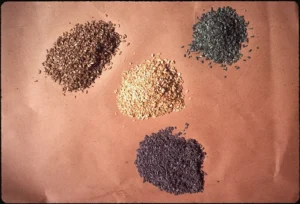
These sound similar to organophosphates but work completely differently. Phosphides release phosphine gas when they react with moisture in the rodent’s stomach.
Phosphine gas is extremely toxic, but the mechanism is different from organophosphates. And phosphide products are restricted to professional use anyway.
Why This Question Comes Up
People often ask about organophosphates in rat poison because they’re worried about safety, especially around kids and pets.
This concern is valid. Any rat poison is dangerous. But knowing it’s not an organophosphate helps you understand the specific risks and treatment options.
If a child or pet gets into rat poison, you need to tell the doctor or vet what they were exposed to. “It’s anticoagulant rat poison” is very different information than “it’s organophosphate.”
What to Do If Exposed to Rat Poison
If someone ingests rat poison (anticoagulant type, since that’s what’s available), get medical help immediately.
Don’t wait for symptoms. Anticoagulant effects take days to appear, but starting vitamin K treatment early makes a huge difference.
Bring the poison package with you. The doctor needs to know the exact active ingredient and concentration.
If a pet eats rat poison, the same rule applies. Get to a vet immediately and bring the package.
Safer Alternatives to Any Type of Poison
Whether it contains organophosphates (it doesn’t) or anticoagulants (it probably does), rat poison is dangerous.
If you’re concerned about safety, consider non-poison alternatives for rat control.
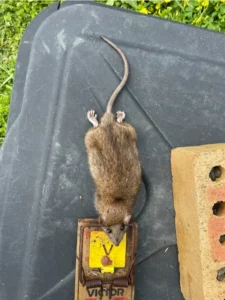
Snap traps kill instantly and don’t use any chemicals. Electronic traps work the same way but are more hands-off.
Both of these methods let you remove the dead rat immediately, which also prevents secondary poisoning of pets and wildlife.
Conclusion
Modern rat poisons don’t contain organophosphates. Those chemicals are far too dangerous for consumer use and have been largely phased out even for professional applications.
The rat poison you buy at stores contains anticoagulants like brodifacoum or bromadiolone. While still toxic, these have an antidote (vitamin K) and are less immediately dangerous to humans than organophosphates.
Check the label on any rat poison to see exactly what’s in it. The active ingredient must be listed, and you won’t see organophosphates on products available to homeowners.

Hi, my name is Ezra Mushala, i have been interested animals all my life. I am the main author and editor here at snakeinformer.com.